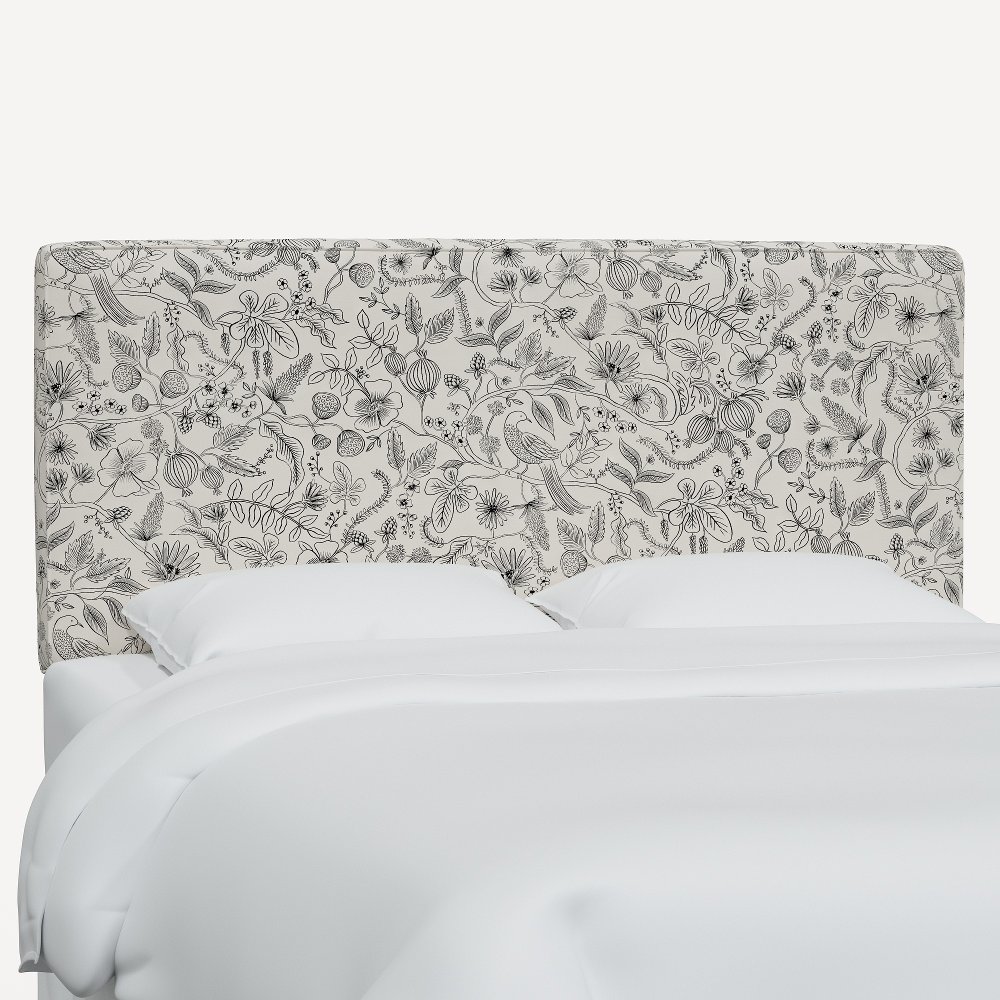
King fabric headboards combine an upholstered surface with a sturdy supporting frame, adding a soft backdrop and a finished look to a king-size bed. Fabric, padding, and construction all shape the experience, from the feel of the surface behind your pillows to the way the headboard anchors the room. A padded panel can make sitting up with a book or watching a favorite show more comfortable, especially with supportive pillows between your back and the upholstery. The fabric also brings texture to a space that might otherwise feel dominated by smooth dressers, painted walls, and crisp bedding. Linen and linen-blend upholstery offers a relaxed, woven appearance, while polyester and other synthetic fabrics can create a similar look with different care requirements. Fiber content matters more than a fabric’s name alone: linen-look upholstery may contain no linen, and velvet describes a pile construction rather than a single material. Velvet brings a smooth, plush surface with a sheen that changes as the pile catches the light. Bouclé adds a looped, nubby texture that gives a simple headboard more visual depth. Tightly woven upholstery creates a more understated finish and may be a practical consideration in a room shared with pets, though snag resistance depends on the particular fabric. Shape and detailing matter just as much as texture. Button tufting creates a tailored, traditional impression, while channel tufting introduces clean lines that suit many contemporary bedrooms. A plain rectangular panel keeps the focus on bedding and artwork, an arched top softens the room’s outline, and wingback sides give the bed a more substantial presence. Nailhead trim adds definition around the edges without requiring a patterned fabric. For a calm, coordinated bedroom, a neutral upholstered headboard can connect warm wood furniture, patterned pillows, and a favorite quilt without making every piece match. A deeper upholstery color can instead make the bed the room’s focal point, particularly against a light wall or simple bedding.
The right fit depends on more than the word “king.” A standard king mattress measures approximately 76 inches wide by 80 inches long, while a California king measures approximately 72 inches wide by 84 inches long. Those differences affect headboard sizing and attachment, so the listed dimensions and stated compatibility deserve a close look. A king fabric headboard may extend beyond the mattress on either side, and winged designs can take up additional space near nightstands. In a bedroom with narrow walkways, that extra width matters as much as the mattress footprint. Headboard height changes the proportions, too. A tall design can balance a high ceiling or create a strong focal point behind layered pillows, while a lower profile may feel more comfortable beneath artwork or in a room with a sloped ceiling. The visible upholstery depends on the combined height of the frame, foundation, and mattress; a thick mattress can cover decorative details that sit lower on the panel. Adjustable-height designs offer flexibility, but the adjustment range varies and should suit the complete bed setup. Attachment is another important distinction. Frame-mounted headboards connect to a compatible bed frame, while wall-mounted designs secure to the wall using the specified mounting system. Neither arrangement should be assumed from appearance alone, and mounting brackets, hole spacing, hardware requirements, and wall construction all affect installation. A headboard generally serves as a decorative and supportive back panel rather than the structure that supports the mattress, so a compatible bed base remains essential. Adjustable bases may require designated brackets and enough clearance for movement. For a couple who likes to sit up together before bed, a broad padded panel can provide a welcoming backdrop without taking up the floor space of a complete upholstered bed frame. For a broader comparison of upholstered, wood, and other styles, King Bed Headboards offers another place to consider the look that best fits your room.
Everyday use helps determine which upholstery and construction details deserve the most attention. In a primary bedroom, the headboard may come into regular contact with pillows, hair products, skin oils, and the occasional hand reaching for a bedside lamp. A guest bedroom may see less frequent use, making visual coordination a higher priority than it would be in a busy household. Durable upholstery depends on the weave, fiber blend, backing, seams, and overall construction rather than on thickness alone. A firm internal frame, secure attachment points, neatly finished seams, and evenly distributed padding contribute to a headboard that feels stable and looks well made. Deep tufting and decorative folds create dimension, but they also give dust more places to settle; a smooth panel has fewer crevices to clean. Fabric with a raised pile or looped texture may need extra consideration around a cat that likes to climb or knead. Color plays a practical role as well. Pale upholstery can show marks more readily, while very dark fabric may make light-colored lint or pet hair more noticeable. A softly textured midtone can offer a useful middle ground, although no color replaces regular care. Cleaning should follow the upholstery label rather than a general assumption about the material. Common cleaning codes distinguish water-based cleaning, solvent-based cleaning, either method, or vacuum-only care, and some fabrics require professional attention. Gentle vacuuming with an appropriate upholstery attachment can help remove loose dust when the manufacturer permits it. Spills call for prompt blotting rather than rubbing, and excess moisture can leave rings or affect the padding beneath the fabric. Direct sunlight may gradually fade upholstery, so placement and window coverings can help preserve a consistent color. With a fabric that suits your household, dimensions that work with your bed, and a mounting system matched to the space, a king fabric headboard can bring comfort and visual balance to the bedroom without requiring every furnishing to change.
Read More