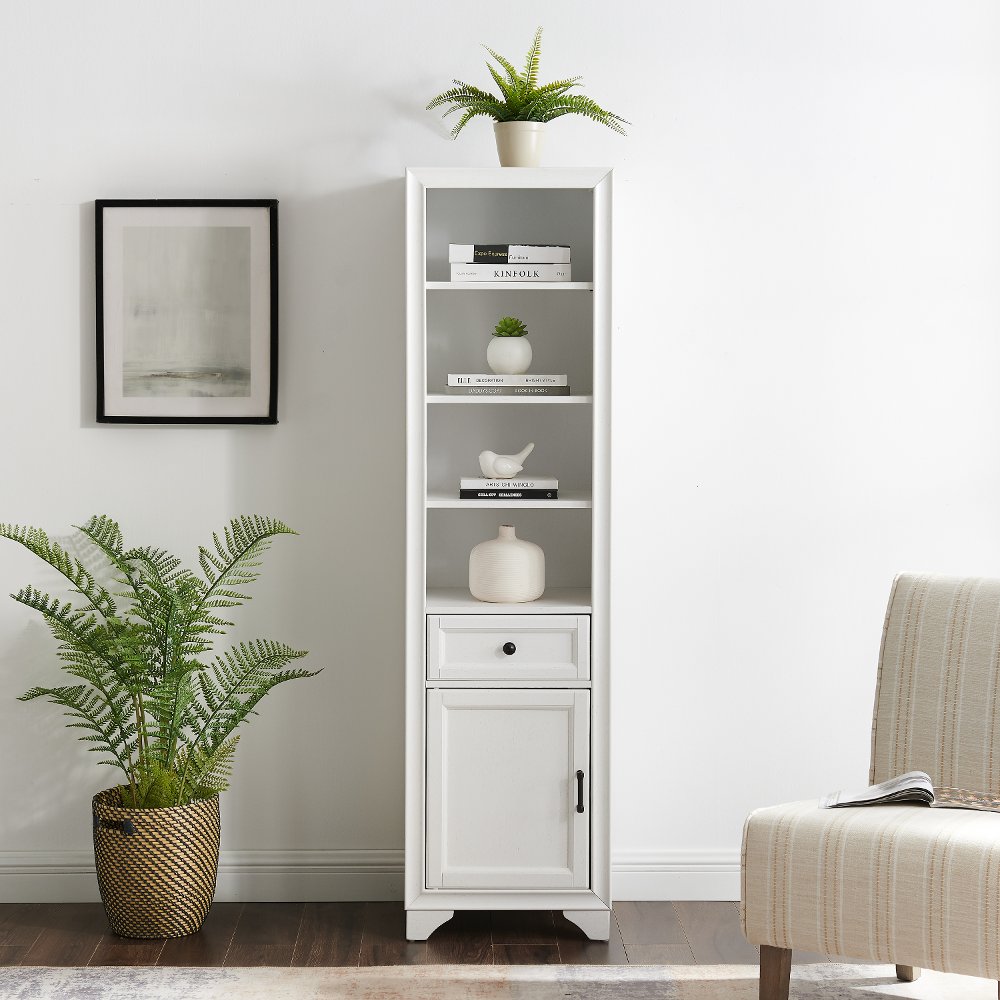
Knob handle furniture uses compact, projecting knobs to open drawers or cabinet doors, adding a practical finishing detail to dressers, nightstands, chests, and other storage furniture. Unlike a bar pull, which usually attaches at two points, a typical furniture knob attaches with a single screw. That small difference affects both the look of a piece and how it feels in everyday use. A row of round knobs can soften the lines of a substantial wood dresser, while square knobs give a simple cabinet a more tailored appearance. Mushroom-shaped knobs offer a rounded surface with space behind the head for your fingertips; oval and slightly elongated designs provide a different gripping surface without the length of a full handle. Knobs often suit cabinet doors and smaller, lighter drawers, while longer pulls may offer a more comfortable grip on wide or heavily loaded drawers. The right choice depends on the drawer’s construction, the resistance of its slides, and the person opening it. A bedside drawer holding reading glasses and a charging cable has different demands than a deep chest drawer filled with sweaters. For anyone with limited hand strength or dexterity, an easy-to-grasp loop pull may feel more comfortable than a small knob that requires pinching. Hardware also helps establish a room’s character without taking attention away from the furniture itself. Warm brass tones can complement cream paint and richly grained wood, brushed nickel can sit comfortably beside cool neutrals, and matte black creates a defined contrast against lighter finishes. Matching every metal finish isn’t necessary; repeating a finish in a lamp, picture frame, or nearby cabinet can make the room feel connected. Furniture with knob handles works especially well when you want storage that feels familiar, uncluttered, and easy to live with, whether that means a dresser in a shared bedroom or a compact cabinet keeping everyday clutter out of sight.
Materials and construction matter just as much as shape when choosing furniture with knobs or considering replacement hardware. Wood knobs can blend into a drawer front for a quieter look, and their grain or painted finish can echo the furniture around them. Metal knobs made from brass, stainless steel, aluminum, or zinc alloy offer different weights and finishes; overall durability depends on the material, coating, attachment, and quality of construction rather than appearance alone. Glass and ceramic knobs bring another texture to painted or vintage-inspired furniture, though they benefit from protection against hard knocks. A smooth surface, comfortable edges, and a secure connection are useful details to check on any material. If you’re updating existing furniture, measure before choosing a replacement. A single-hole knob is often straightforward to replace, but the new base needs to cover the old mounting area, and the screw must suit the thickness of the drawer front or door. Some drawer fronts have an additional drawer-box layer behind them, so a screw that fits a cabinet door may be too short for a dresser. For two-point handles, measure the distance between the centers of the mounting holes rather than the overall handle length. Changing from a pull to one knob may leave holes exposed, making the project more involved than a simple hardware swap. Projection—the distance hardware extends from the furniture face—also deserves attention. A knob needs enough clearance for your fingers without creating an awkward catch point beside a narrow walkway. On a nightstand close to the bed, consider where bedding falls and how easily you can reach the drawer while seated. The shape and placement of bedside hardware can make a noticeable difference during a quiet evening routine, and Nightstand Handles offers a related furniture detail to consider when coordinating that space. For the furniture itself, check the overall width, depth, and height, then allow room for drawers and doors to open fully. Attractive hardware can’t compensate for a drawer that bumps the bed frame or a cabinet door blocked by a nearby chair.
Everyday use brings the smallest furniture details into focus. In a bedroom, knobs should feel comfortable when you’re putting laundry away or reaching for a book before bed. In a dining area, a storage cabinet needs hardware that’s easy to use while setting out linens, serving pieces, or board games for a relaxed evening at home. Entryway furniture benefits from smooth hardware that’s less likely to snag a scarf or loose sleeve as you pass. For a child’s room, look beyond decorative appeal to secure attachments, sound construction, and the furniture manufacturer’s safety guidance. Anchor dressers and other furniture that could tip according to the manufacturer’s instructions; knob style doesn’t replace proper anchoring. When furnishing a guest room or helping someone settle into a new home, familiar shapes and comfortable grips make storage welcoming without requiring an elaborate design scheme. A furniture gift is best chosen with the recipient’s room measurements, daily routines, and style preferences in mind, especially when it’s a larger storage piece. Care is generally simple, but it should follow the instructions for both the hardware and the furniture finish. For many surfaces, a soft cloth is suitable for routine dusting, while a lightly dampened cloth can help remove fingerprints when the manufacturer permits it. Dry the surface afterward, and avoid soaking the area around mounting holes, where moisture can reach wood or composite material. Abrasive pads and harsh cleaners may scratch coatings or dull decorative finishes; a cleaner intended for bare metal may not suit a plated or lacquered knob. Check occasionally for looseness, tightening the correct screw gently rather than overtightening it and risking damage to the hardware or drawer front. If a drawer sticks, inspect its alignment and slides instead of pulling harder on the knob. Well-chosen knob handle furniture balances comfortable access, reliable storage, and a finish that belongs in your home. Those practical details help a piece stay useful through changing room arrangements, growing storage needs, and years of everyday routines.
Read More