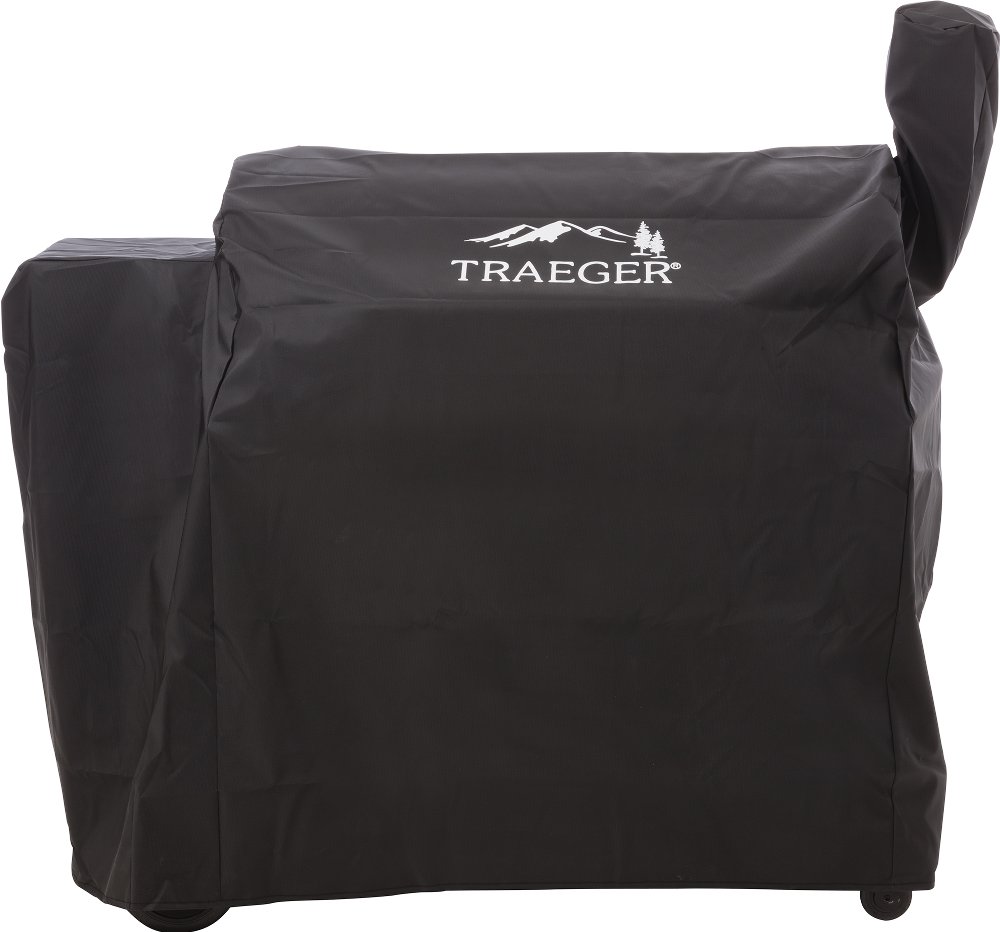
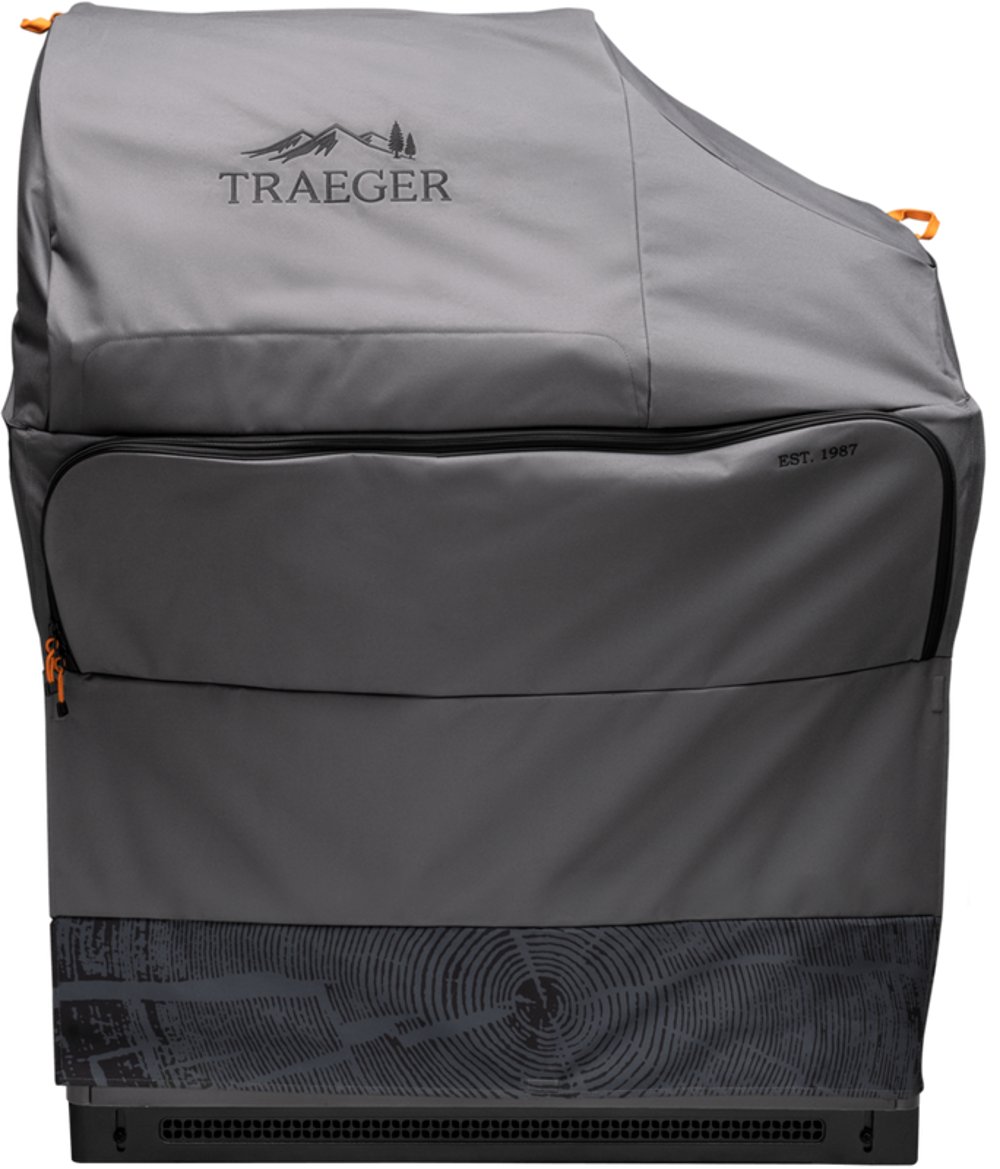
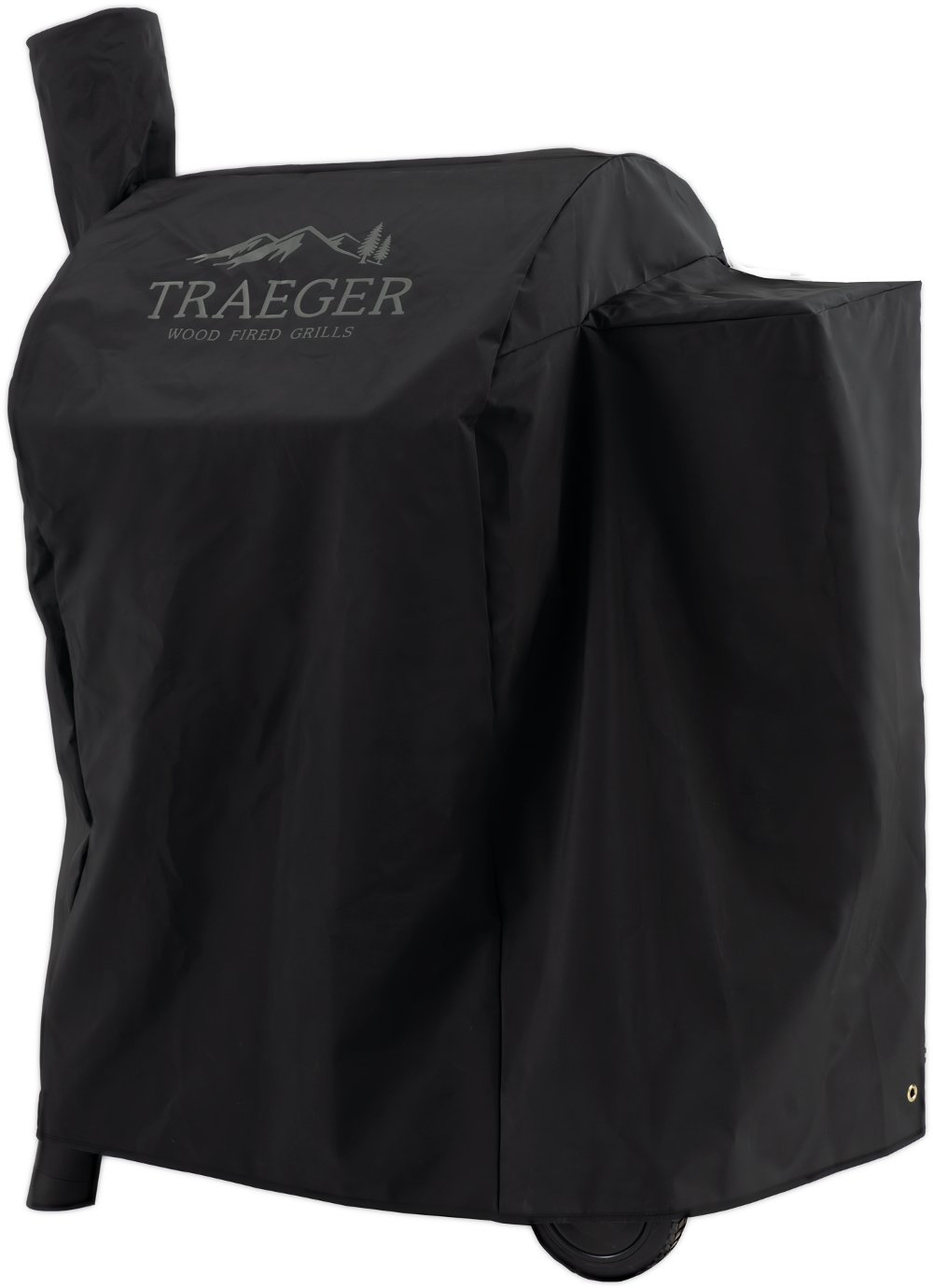
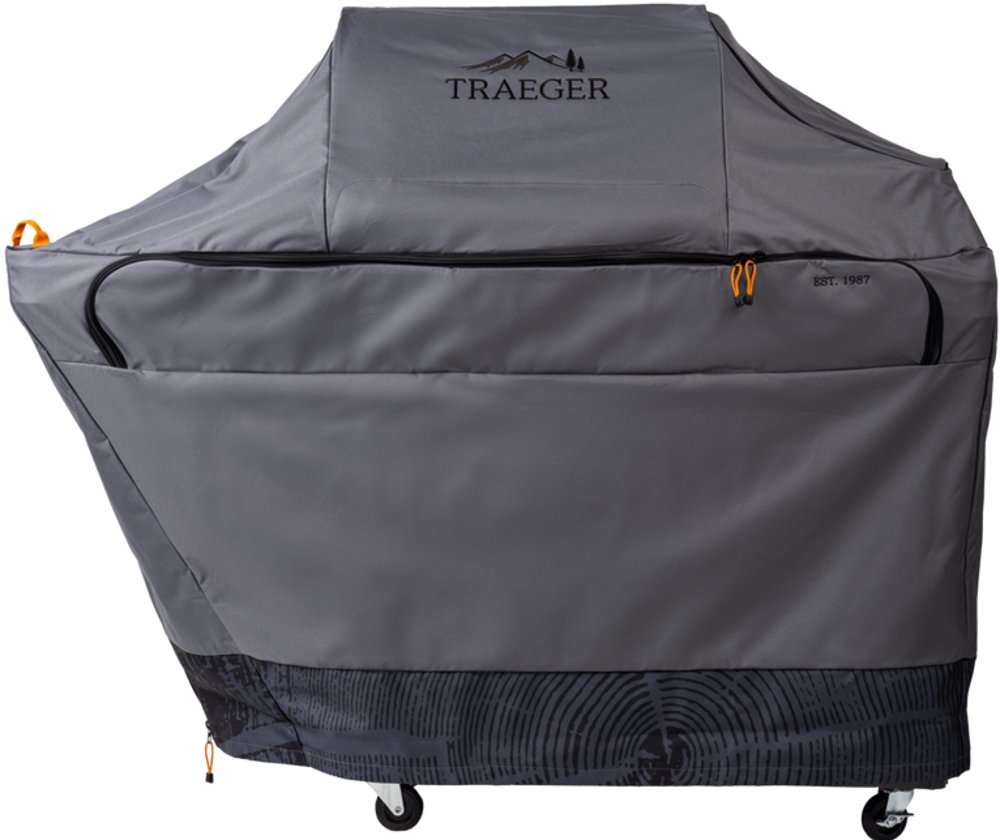
Large barbecue grill covers help protect bigger outdoor grills from rain, dust, fallen leaves, bird droppings, and everyday exposure between cookouts. They’re especially useful for freestanding grills with broad cooking surfaces, side shelves, and storage cabinets that take up more space than a compact patio grill. Many large grill covers fall around 58 to 72 inches wide, though size labels aren’t standardized, and some cooking setups need a wider or differently shaped cover. Actual dimensions matter more than a “large” or “extra-large” label. A good fit accommodates the grill’s full width, depth, and height without pulling tightly across the lid handle or leaving a large pocket of loose fabric around the base. Width should account for side shelves in the position they’ll occupy during storage, while depth should include protruding handles and other fixed parts. A tall lid, rear hinge, attached side burner, or chimney can change the fit even when two grills have similar cooking areas. Measuring the grill with its lid closed and comparing those measurements with the cover manufacturer’s sizing directions helps narrow the choices. A little clearance makes a cover easier to lift on and off, but excessive fabric can catch the wind or collect water in folds. The bottom edge generally shouldn’t drag across the patio, where it can pick up moisture and grit; follow the recommended coverage for the grill and cover design. Rectangular covers suit many cart-style gas grills, while pellet grills, barrel-shaped cookers, and offset smokers may need contours that accommodate their distinctive profiles. Burner count alone isn’t a reliable way to judge compatibility. For a backyard cooking area with more than one type of cooker, Outdoor Cooking Grill Covers offers a broader category to explore alongside large-size options. The practical goal is straightforward: coverage that fits the equipment, stays manageable, and helps keep the cooking area looking cared for between meals.
Fabric and construction determine how a large barbecue grill cover handles life outdoors. Polyester is a common choice because it offers a useful balance of strength, manageable weight, and flexibility. Oxford fabric describes a woven construction rather than a separate fiber type, so a cover may use polyester with an Oxford weave. Denier measures the thickness of individual fibers; a 600-denier polyester fabric can provide a substantial outer shell, but that number alone doesn’t establish how long a cover will last. Weave quality, coatings, stitching, and exposure all affect durability. Vinyl and coated fabrics can provide a barrier against moisture, while polyurethane or PVC backing may add water resistance to a woven exterior. Water-resistant and waterproof aren’t interchangeable descriptions: a water-resistant cover helps shed moisture, while waterproof performance also depends on details such as seams and openings. Even a waterproof fabric doesn’t make an entire cover airtight or eliminate condensation beneath it. Covered air vents can encourage airflow and help moisture escape, an important detail when cool nights follow warmer afternoons. They may also reduce wind billowing, although secure fasteners still matter on an exposed deck. Adjustable straps, buckles, drawcords, and elastic hems offer different ways to keep the lower edge in place. Well-positioned closures are particularly helpful on a wide grill, where a broad cover can act like a sail during a gust. Reinforced seams and sturdy attachment points help the fabric withstand repeated handling around shelf corners and lid handles. Padded or reinforced lifting handles can make a bulky cover easier to remove without tugging at vulnerable stitching. Sun exposure deserves attention even during cooler months, especially on an uncovered patio. UV-resistant treatments can help slow fading and fabric deterioration, but no outdoor material stays unchanged indefinitely. In colder climates, material flexibility matters too, since some fabrics and coatings become stiff as temperatures drop. The best combination of features depends on whether the grill sits beneath a sheltered overhang, beside a dusty yard, or out in the open through changing weather.
For households that grill regularly, a cover needs to be convenient enough to use after an ordinary dinner, not just before a long stretch of storage. A heavy cover may feel substantial, but it should still be easy to maneuver over a wide lid and two side shelves without snagging. A lighter, well-constructed cover can be a practical choice in a sheltered setting, while reinforced fabric and dependable closures may take priority in a more exposed location. Always let the grill cool completely before covering it, and follow the grill manufacturer’s shutdown and storage instructions. Grill covers aren’t intended to serve as heat shields or remain in place while a cooker is operating. Wiping away grease splatters and letting wet surfaces dry before covering helps avoid trapping residue and moisture against the exterior. The cover itself benefits from simple, regular care: brush off loose debris, clean it according to its care label, and allow it to dry fully before folding or storing it. Mild soap and water are suitable for many materials, but machine washing, bleach, harsh cleaners, and high-pressure spraying can damage certain coatings or seams. After a storm, checking for pooled water, displaced straps, or dampness beneath the fabric helps keep small issues from becoming persistent problems. Leaves caught in folds and heavy accumulations of snow should be removed gently rather than left to weigh down the cover. Periodic checks around corners, seams, and fasteners can reveal wear before a tear spreads. During extended storage, an occasional inspection also helps spot trapped moisture or signs of pests; a cover adds protection but doesn’t replace routine grill maintenance. Large outdoor grill covers make sense for family cooks with full-size gas grills, weekend hosts who use expansive cooking stations, and anyone hoping to keep a backyard setup tidier between gatherings. They can also make thoughtful housewarming or holiday gifts for someone who enjoys outdoor cooking, provided the grill’s dimensions and shape are known. With a compatible fit and materials suited to the setting, a cover becomes a useful part of caring for the space where dinner moves outdoors.
Read More