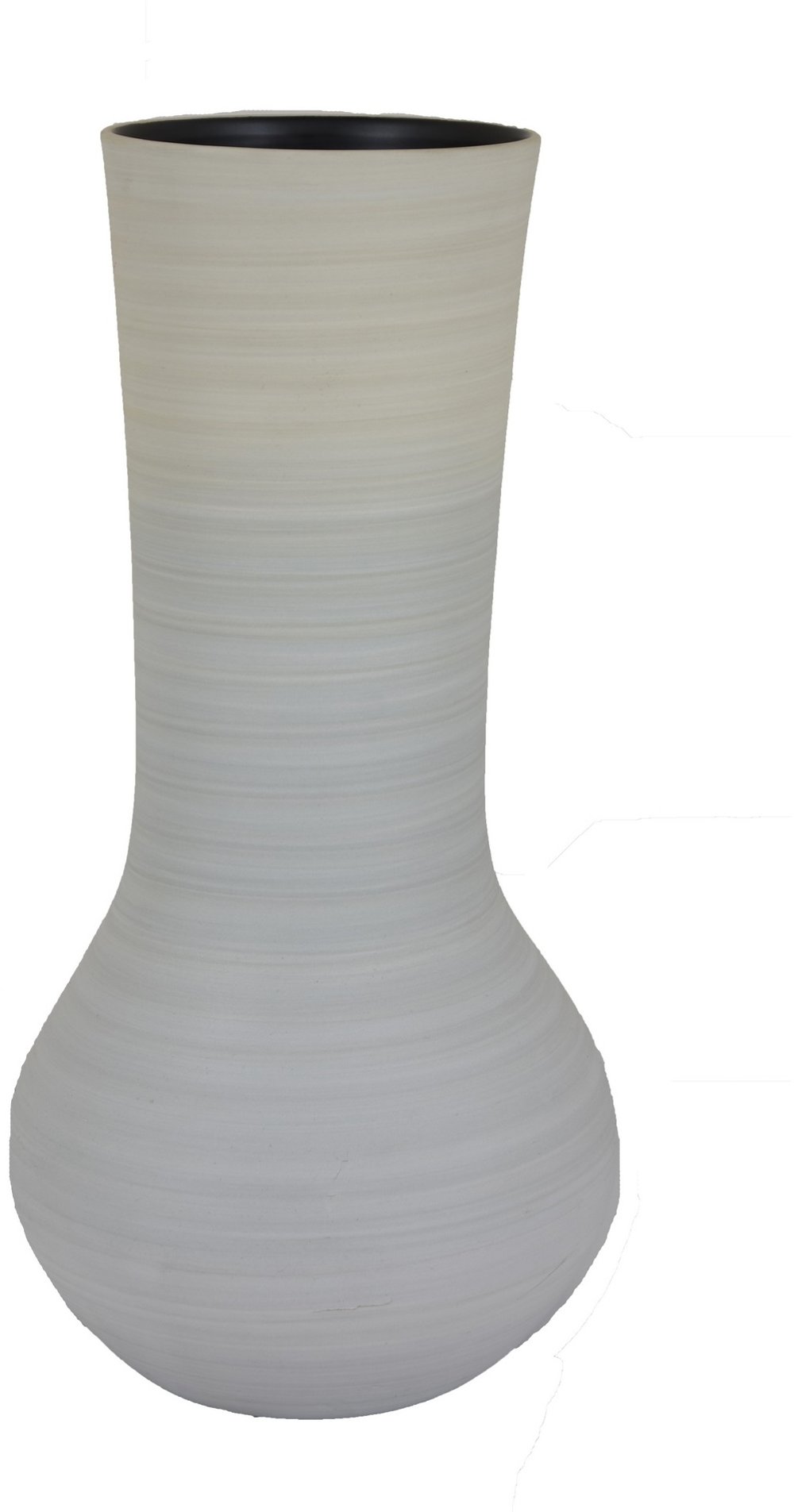
Large decorative ceramic vases are substantial vessels made from fired clay, designed to display flowers and branches or stand on their own as decorative accents. Their appeal comes from the combination of shape, surface, and scale: a tall, narrow vase draws the eye upward, while a rounded vessel adds a softer outline beside straight-edged furniture. Ceramic includes earthenware, stoneware, and porcelain, each with characteristics that influence the finished piece. Earthenware often lends itself to earthy textures and rustic finishes, though its clay body is generally more porous than higher-fired ceramics. Stoneware is typically dense and sturdy, making it a familiar choice for substantial decorative vessels. Porcelain can offer a fine texture and refined detail, but even a dense ceramic body can chip or break if knocked against a hard surface. The glaze matters, too. A glossy finish reflects light and emphasizes curves, while a matte finish gives the same silhouette a quieter presence. Ribbing, carved details, and intentionally irregular surfaces add interest without relying on bright color. For a modern living room, a simple cylindrical or sculptural vase can complement a low sofa and clean-lined console. An urn shape or a vessel with a gently flared neck feels at home alongside traditional wood furniture. Rounded forms in cream, sand, or muted brown pair easily with woven baskets and textured upholstery, while deep blue, green, or black can create contrast against a pale wall. Color also changes how an arrangement reads: a restrained vessel lets colorful flowers take the lead, while a richly colored vase can be the focal point with only a few stems. If you’re comparing ceramic with other decorative materials, the broader selection of large decorative vases offers another way to consider the look that suits your space. The best match doesn’t need to echo every finish in the room; repeating one color or curve can be enough to make it feel connected.
Size and placement make a noticeable difference with oversized ceramic vases, and the word “large” isn’t a standardized measurement. Check the full height, widest diameter, base dimensions, and opening rather than judging scale from a photograph. A vase that looks balanced on a deep sideboard may crowd a narrow entry table, especially once branches extend beyond the rim. Measuring the intended spot helps you leave space for everyday essentials, whether that means a bowl for keys or room to set down a serving dish. On a console beneath artwork, consider the height of the vase and its contents together so the arrangement doesn’t unintentionally hide the picture. For a dining table used every day, a lower, fuller shape can feel generous without interrupting conversation; a tall arrangement may work better on a nearby buffet. Large ceramic floor vases can give an open corner definition, but they belong on a level surface outside walking paths, door swings, and busy play areas. In homes with children or pets, a broad base and protected placement deserve more attention than height alone. A substantial vessel may still tip if its stems are heavy or lean too far to one side. The opening determines how those stems sit. A narrow neck gathers a few long stems into a loose, upright arrangement, while a wide mouth gives a fuller bouquet room to spread. For faux branches, account for their width as well as their height; spreading stems can brush a lampshade or block the view across a seating area. Dried grasses and artificial greenery work well in decorative-only vessels, provided their scale suits the container. An empty vase is just as useful when its outline or finish supplies enough detail. Beside a stack of books or a low decorative bowl, one large piece can create a balanced grouping without filling every inch of the surface. Leaving a little open space around it keeps the display comfortable rather than crowded.
Intended use is especially important when choosing a ceramic vase for fresh flowers. A glazed exterior doesn’t automatically mean the vessel is watertight, and some decorative vases are meant only for dry stems or display. Check the care and use information for an explicit indication that the vase can hold water. Porous clay, unglazed interiors, and some crackled finishes may allow moisture to seep through, potentially damaging the furniture underneath. When a decorative-only vessel can safely accommodate a separate watertight insert, that insert may provide a way to display fresh stems while keeping water away from the ceramic; it should fit securely and be easy to remove for cleaning. A waterproof protective tray or suitable surface barrier adds protection beneath water-filled arrangements, while soft furniture-safe pads help reduce scratches from rough bases. For routine care, dust the outside with a soft cloth and follow the manufacturer’s cleaning directions. Textured grooves may need a soft brush to lift dust gently. Avoid abrasive scrubbers and harsh cleaners that could dull a glaze or damage decorative finishes, and don’t assume a large vase is dishwasher-safe. A narrow opening can make interior cleaning harder, so consider access if you plan to change fresh flowers frequently. Empty and clean water-safe vases between arrangements, and let them dry thoroughly before storing them. When moving a large ceramic piece, support its body and base rather than lifting it by the rim or decorative handles; empty it first to keep the weight manageable. Ceramic is durable for everyday display when handled thoughtfully, but edges and projecting details remain vulnerable to knocks. Unless a vase is specifically rated for outdoor use, treat it as indoor décor. These practical details also matter when giving a large vase as a housewarming or wedding gift. A recipient who enjoys arranging flowers may appreciate a water-safe vessel with an accessible opening, while someone who prefers simple décor may enjoy a sculptural shape that looks finished on its own. Matching the vase to the recipient’s space and habits makes it both personal and easy to enjoy.
Read More