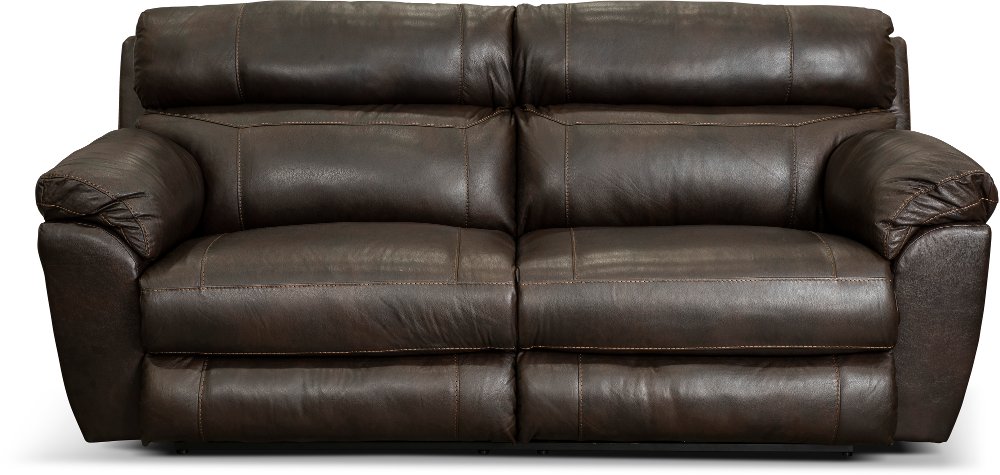
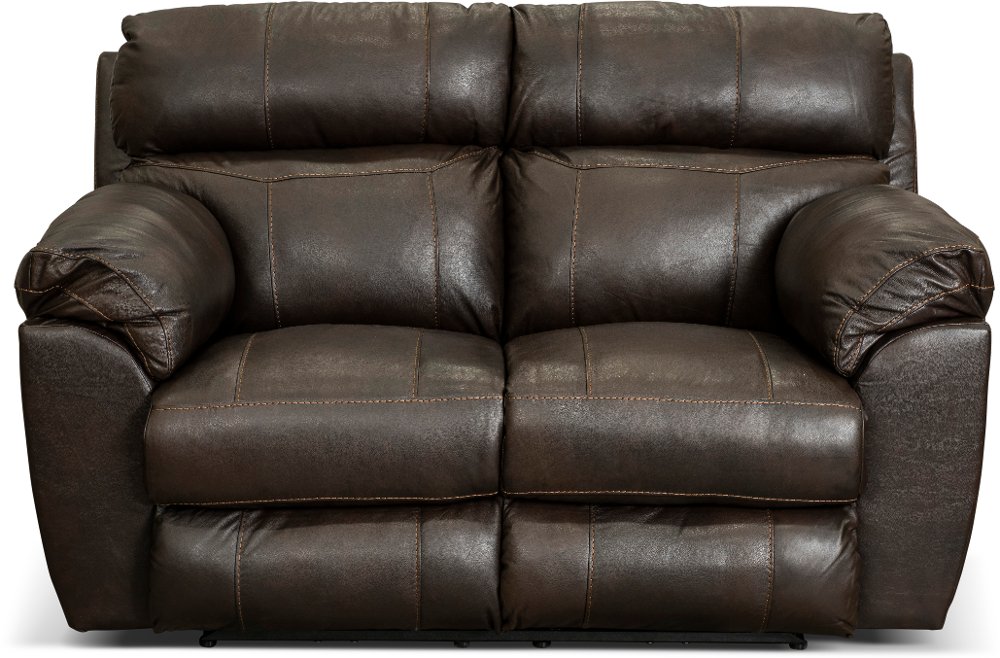
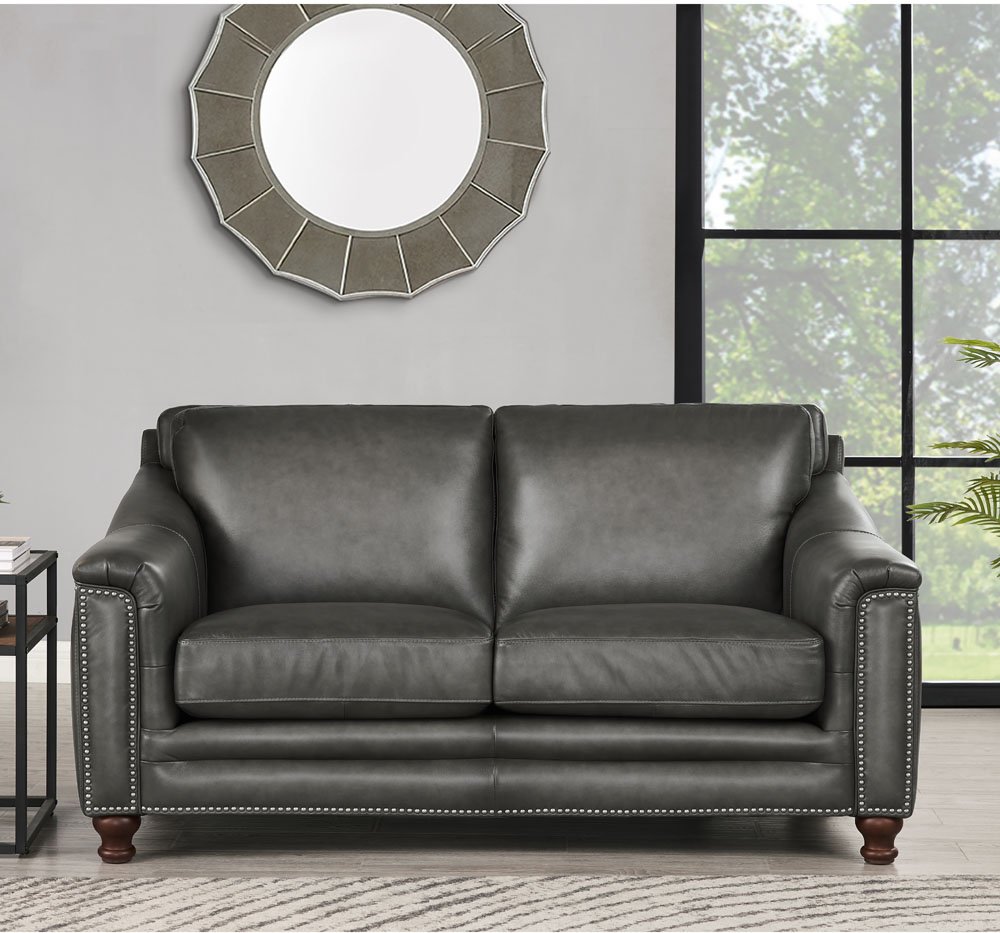
A leather reclining loveseat gives you room to settle in without making a full-size sofa the center of every furniture arrangement. Its two-seat design suits evenings spent watching a favorite show, catching up with someone after dinner, or stretching out with a book while the house gets quiet. In a smaller living room, it can serve as the main seating piece; in a larger space, it can sit beside a sofa or across from a pair of accent chairs. The appeal is both practical and personal: supportive seating, an inviting surface, and a footrest that lets you shift from sitting upright to leaning back. Leather brings its own character to the room, from the subtle grain of a softly finished hide to the more uniform appearance of a protected surface. Depending on the finish, it may feel cool at first and become more comfortable as it warms with contact. Color helps set the mood, too. Warm brown and cognac tones pair naturally with wood tables and textured rugs, while black, gray, and cream can complement cleaner lines or a lighter palette. During the cooler months, a woven throw adds softness without hiding the upholstery. Look beyond color to the shape of the loveseat: broad pillow arms create a cushioned, relaxed profile, while slimmer arms leave more visual breathing room. A center console can keep remotes and drinks close at hand, though it also separates the seats and usually adds to the overall width. A design without a console offers a more continuous seating area for sitting close together. If you’re coordinating seating throughout the room, Reclining Leather Furniture offers a related direction to explore. Pieces don’t need identical silhouettes to feel connected; similar leather tones, arm shapes, or stitching details can help a loveseat work comfortably with the furniture you already enjoy.
The best fit starts with how a leather reclining loveseat supports your body and how it moves within your room. Overall width tells only part of the story. Seat depth affects whether you can sit back with your feet resting comfortably on the floor, while seat height influences how easily you can sit down and stand up. Someone with a shorter frame may prefer a shallower seat, while a taller person may appreciate more depth and a backrest that supports the shoulders. Cushion feel matters just as much: a plush seat offers an immediate sink-in sensation, but a firmer cushion may make repositioning easier. When possible, sit long enough to notice where the lumbar support meets your lower back and whether the headrest keeps your neck comfortable while you look toward the television. Reclining mechanisms also shape everyday use. Manual designs typically rely on a lever, pull handle, or body movement, while power reclining uses a motor to adjust the seat at the touch of a button. Depending on the design, power controls may allow smaller position changes, and separate headrest or lumbar adjustments can offer additional flexibility. Neither mechanism automatically makes a seat easier for everyone to use, so consider control placement, the effort needed to close a manual footrest, and access to a nearby outlet for a powered design. Measure the loveseat fully reclined as well as upright, leaving space for the footrests and a clear path through the room. Wall-hugging designs can reduce the clearance needed behind the back, but they still require the space specified for that mechanism. A coffee table that looks perfectly placed with the seats upright may block the footrests once they extend. Check doorways, hallways, stair turns, and elevator dimensions before arranging delivery, too. Removable backs can help with some tight entrances, but the dimensions and construction of the individual design should determine whether it will pass through comfortably.
Materials and care deserve a close look because leather reclining loveseats combine upholstery, cushioning, a frame, and moving parts that all contribute to long-term comfort. Upholstery descriptions can reveal important differences. Full-grain leather retains the hide’s natural surface characteristics, while top-grain leather may receive surface correction for a more consistent appearance. Aniline finishes tend to show natural markings and feel supple, but they can be more sensitive to spills and fading; pigmented or protected finishes generally provide a more forgiving surface for frequent use. Those terms describe different aspects of leather, so the complete upholstery description matters more than a single label. Leather-match construction commonly uses leather on designated seating areas and a coordinated nonleather material elsewhere. Bonded leather contains leather fibers or scraps combined with binders and isn’t the same as a whole leather hide. Understanding those distinctions helps you choose for the way your household lives, whether that means a quiet reading spot for one or shared seating that gets used every evening. Leather can hold up well with appropriate care, but it isn’t scratchproof, and pet claws, sharp hardware, or rough clothing details can leave marks. Frame construction, cushion quality, and the reclining mechanism matter alongside the upholstery, especially when both seats will be opened and closed daily. For routine upkeep, gently remove dust with a soft cloth and use a suitable vacuum attachment around seams and cushions, following the manufacturer’s directions. Blot spills promptly rather than rubbing them into the surface, and use only cleaners or conditioners approved for that leather and finish. Household sprays, harsh detergents, and excessive moisture can damage upholstery. Keep the loveseat away from direct sunlight and concentrated heat where practical to help limit fading and drying. Leave the mechanism clear of toys, cords, and blankets, and keep children and pets away from moving footrests. With thoughtful placement and steady care, a leather reclining loveseat can become the seat you reach for after a long workday, a comfortable place for visiting family, or a shared retreat for a relaxed evening at home.
Read More