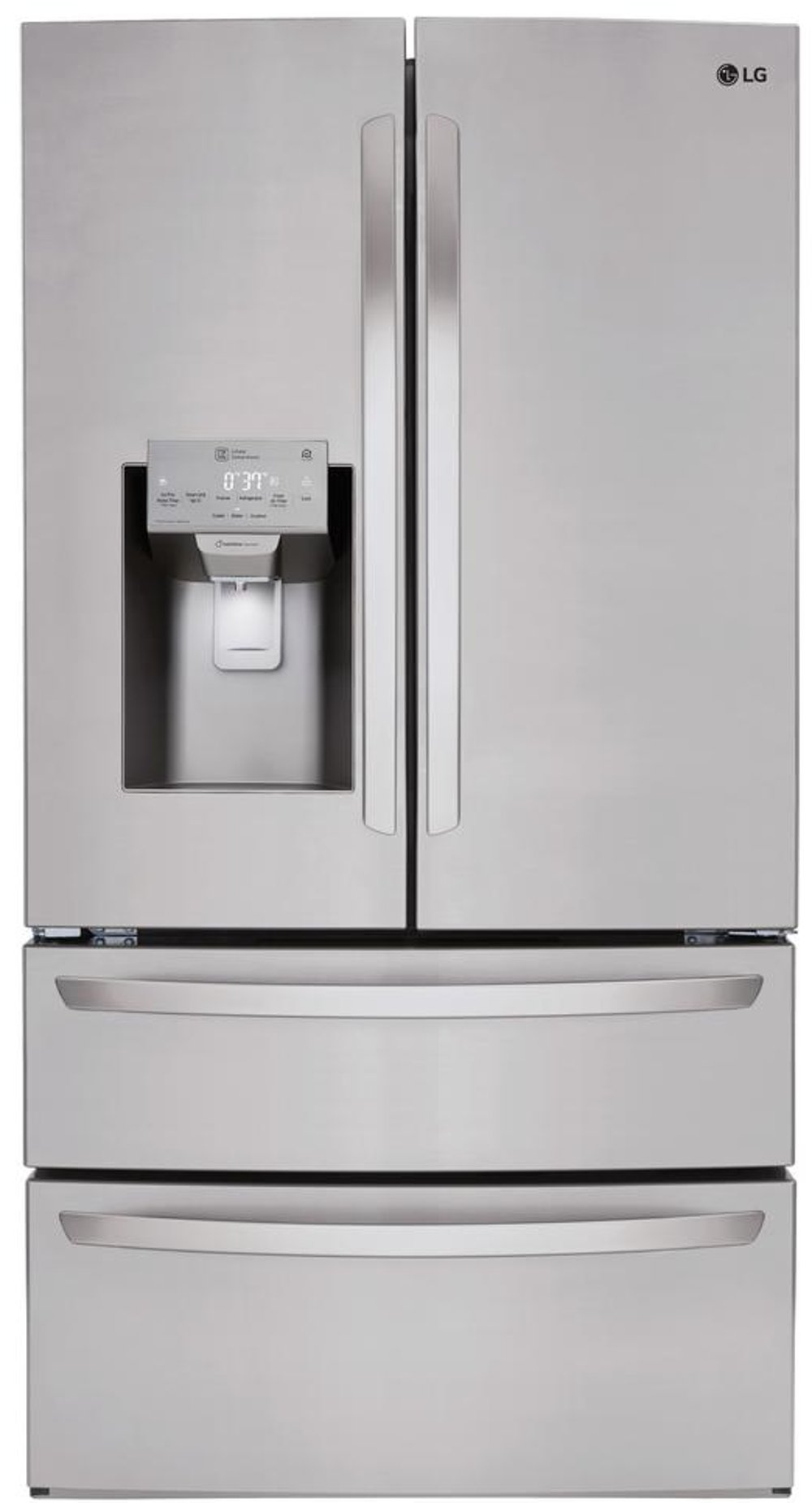
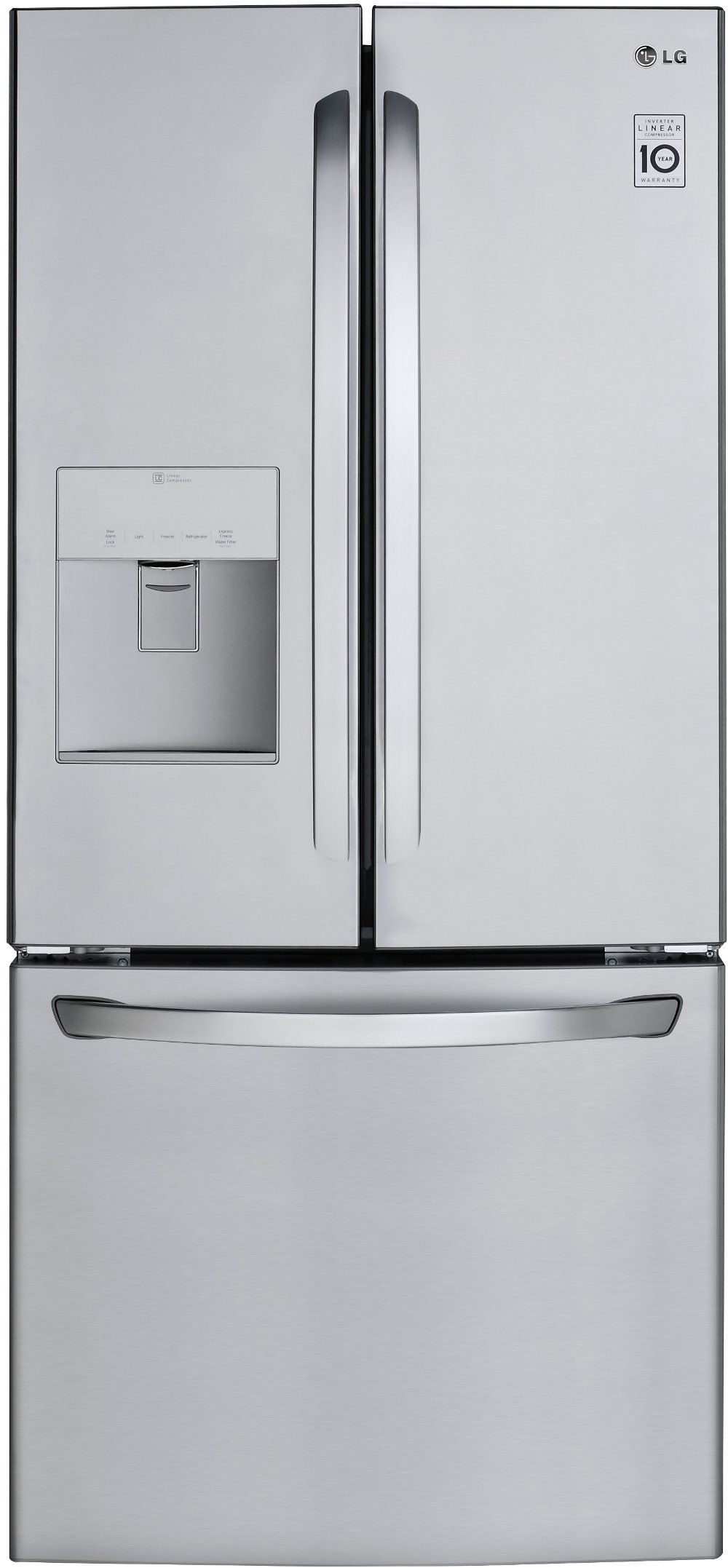
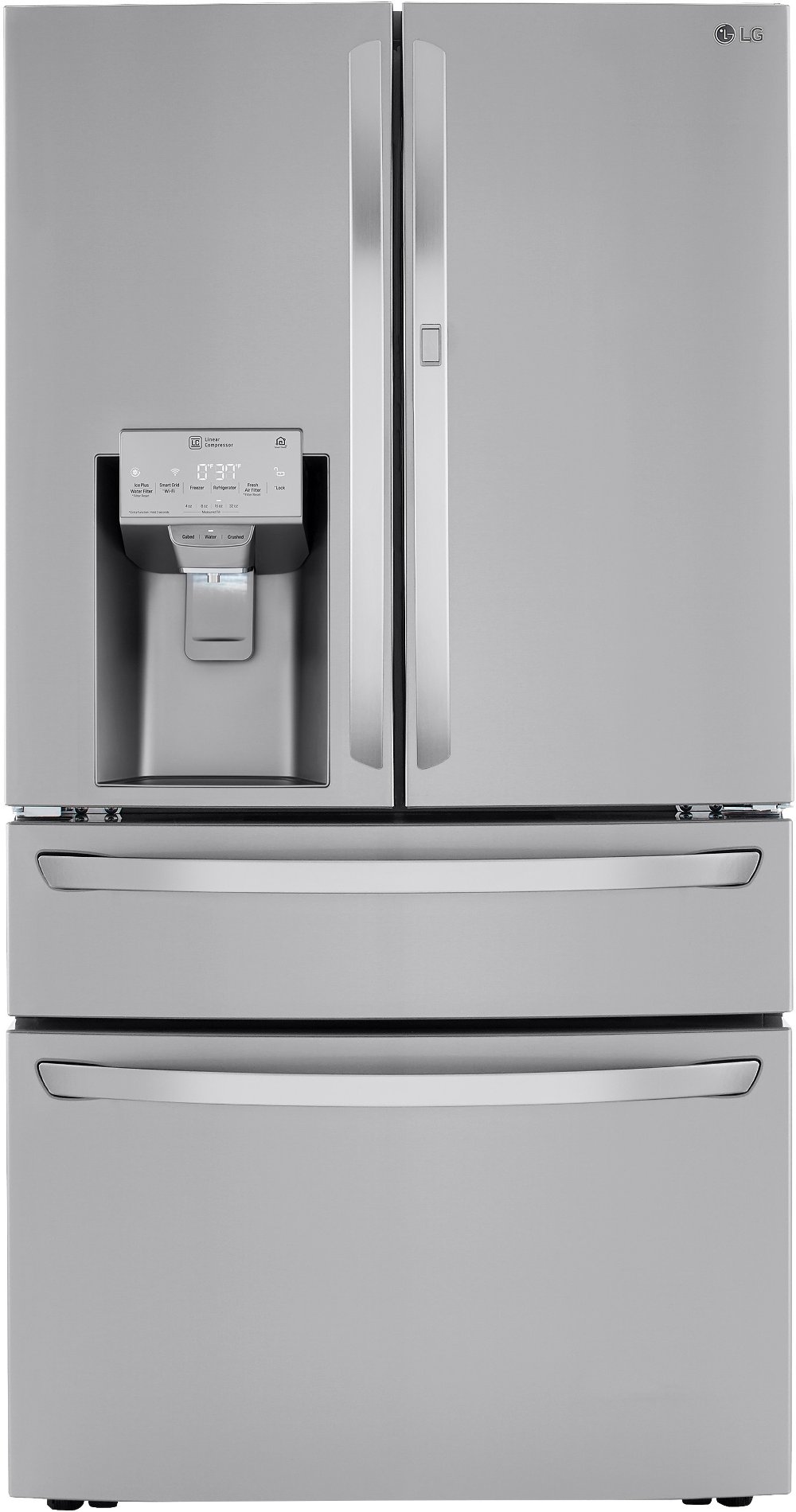
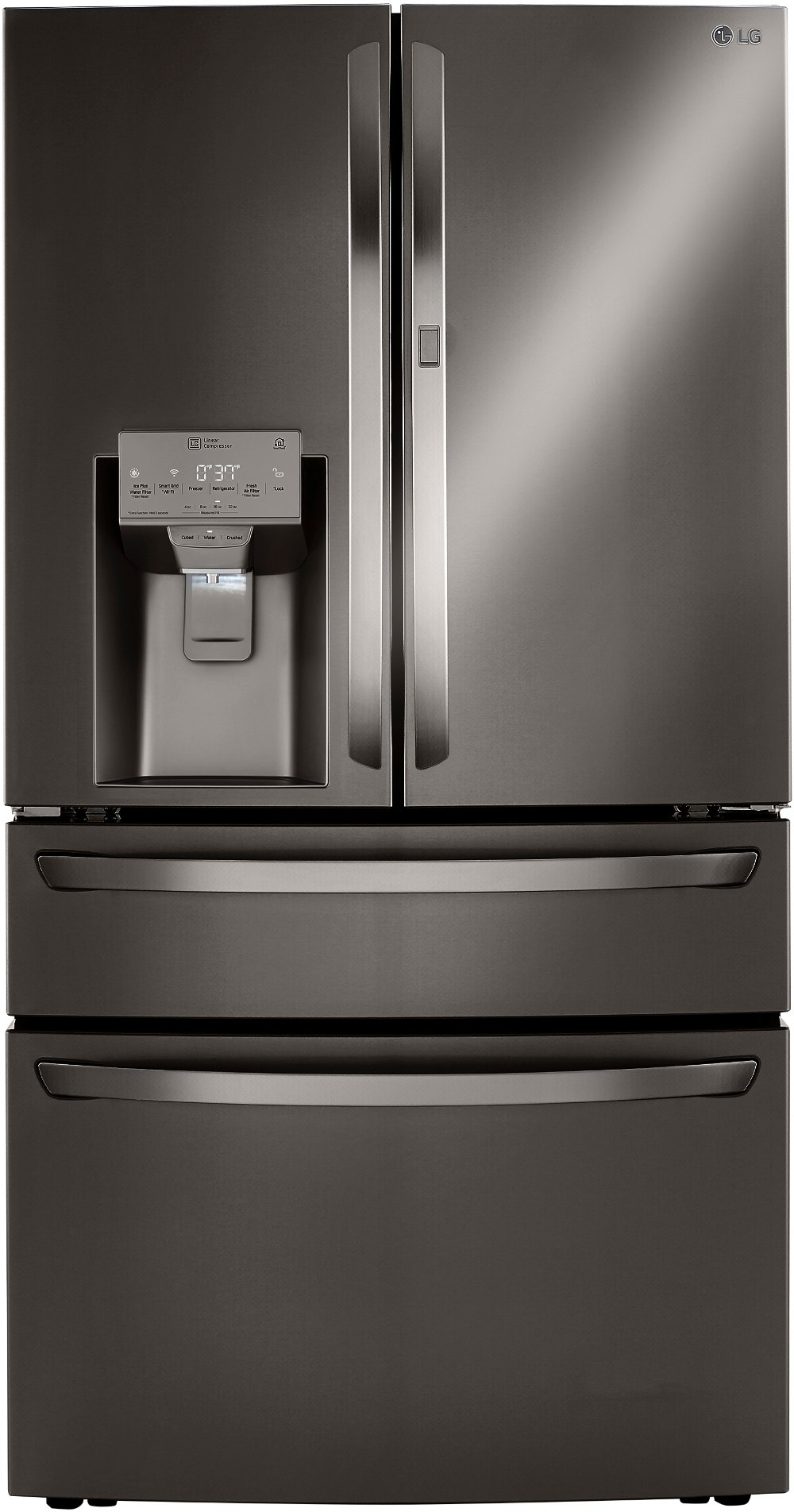
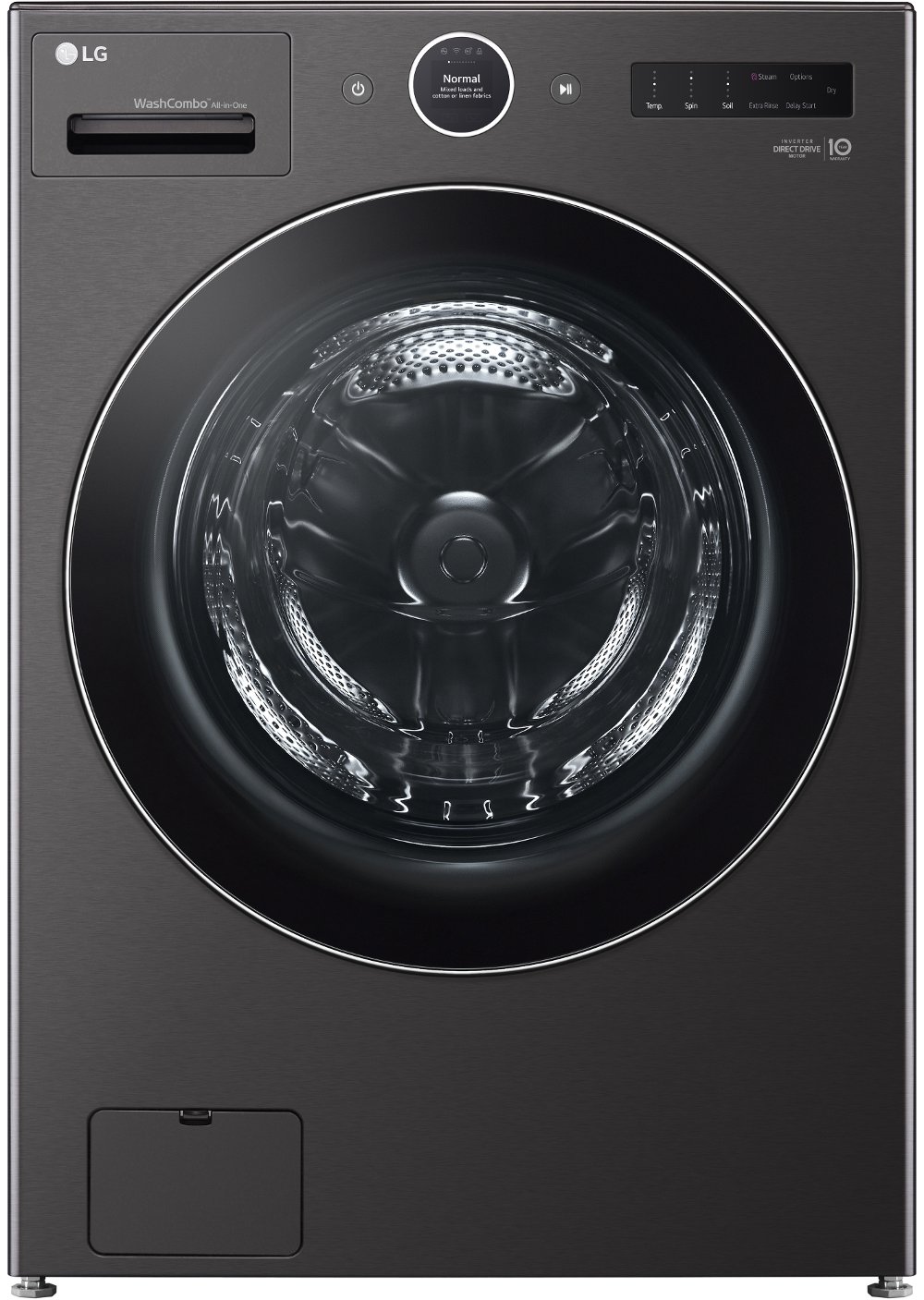
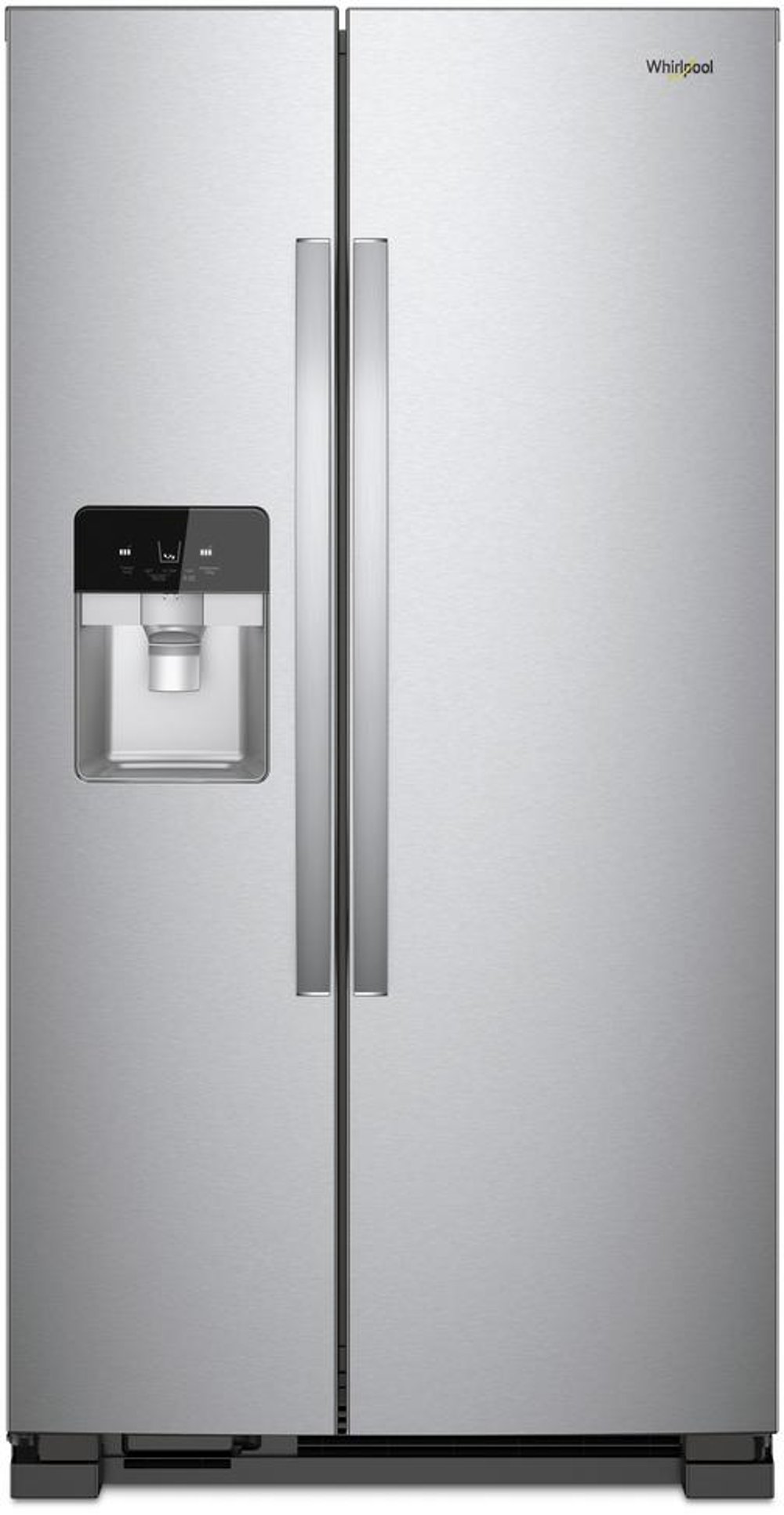
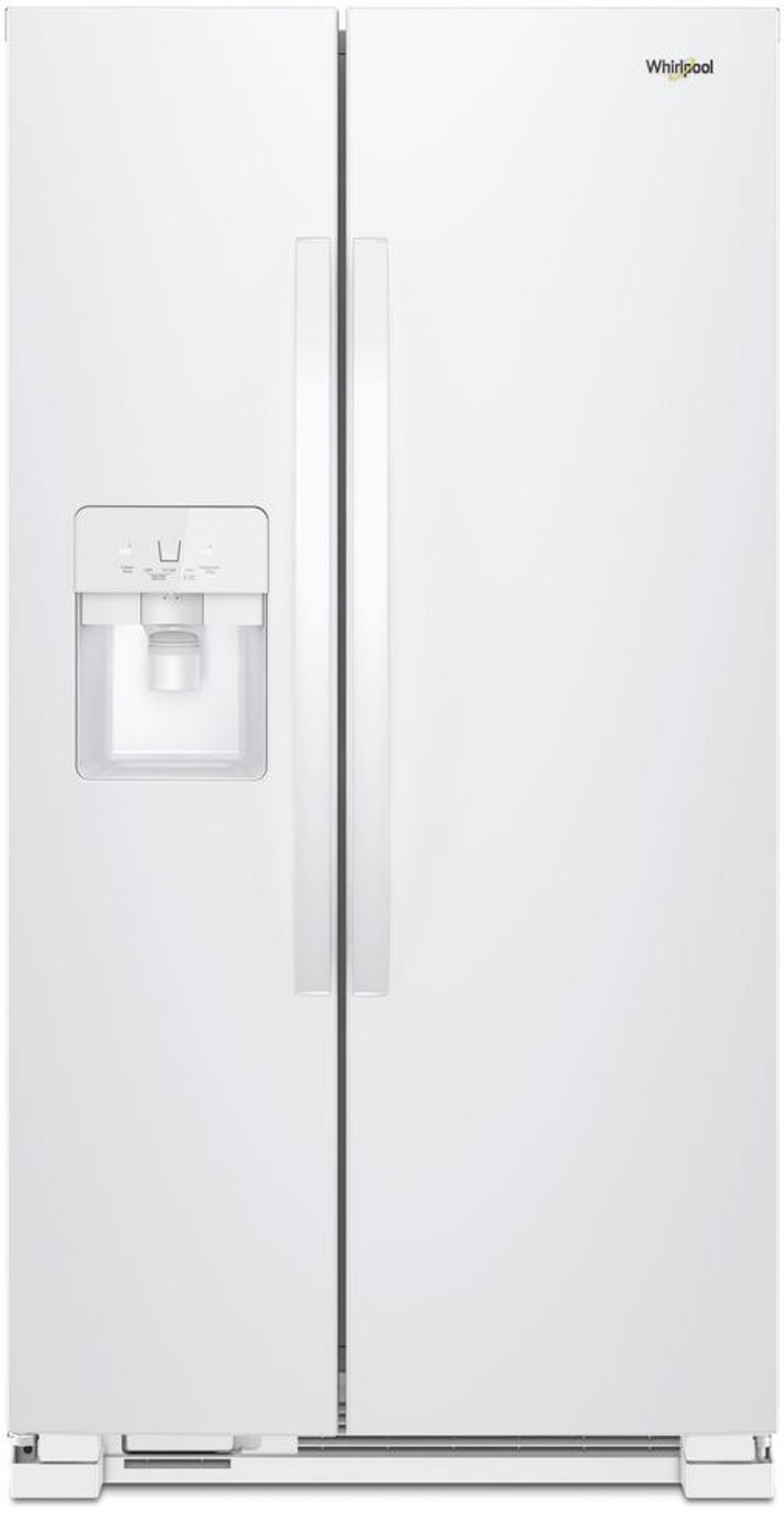
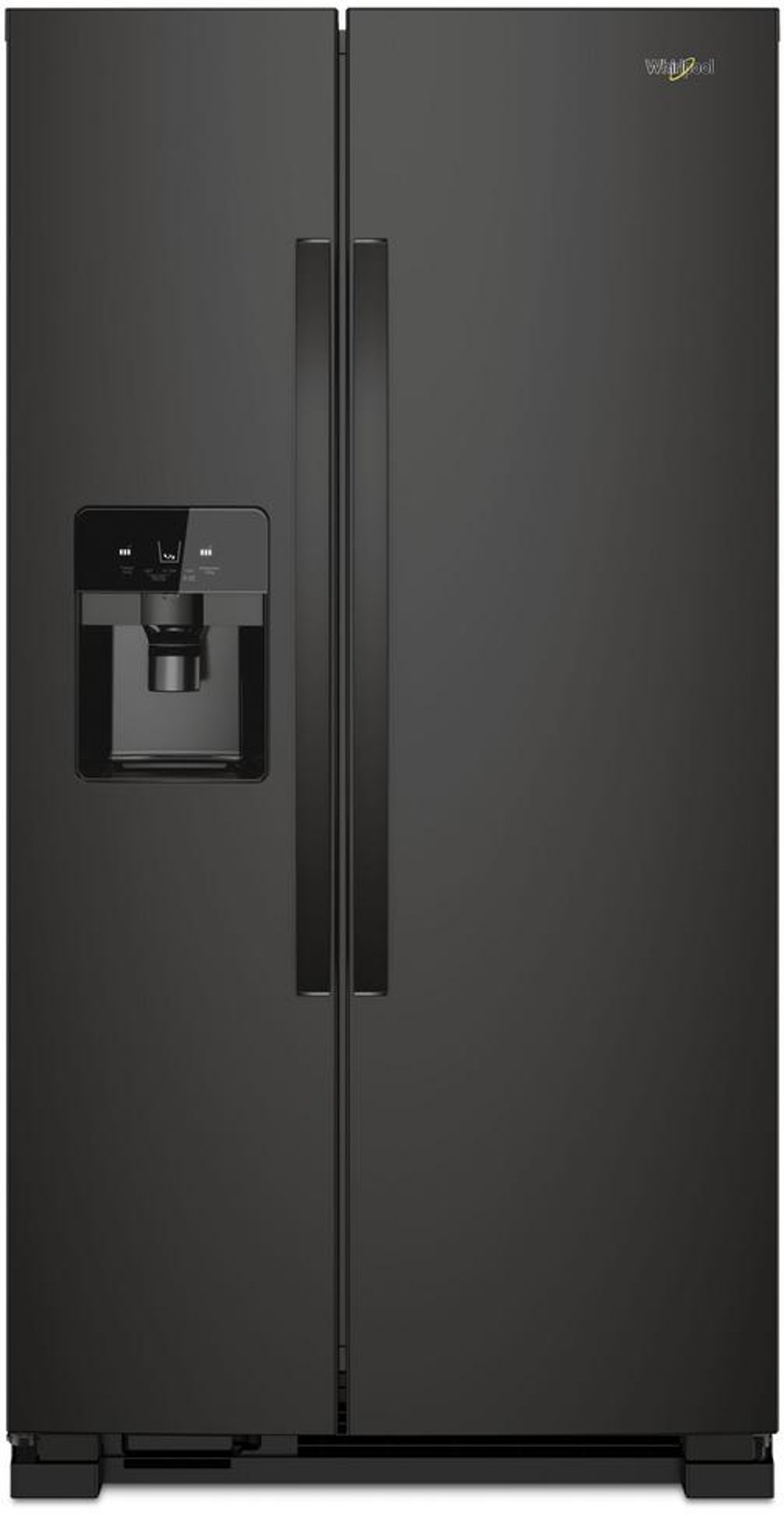
Labor Day appliance shopping brings everyday priorities into focus: room for groceries, dependable cooking, cleaner dishes, and laundry that fits your household’s routine. Major home appliances support everything from a quiet breakfast to a full house over a holiday weekend, so the right fit goes beyond a coordinated finish. Refrigerators, cooking appliances, dishwashers, washers, and dryers each need to suit the space they occupy and the people who use them. In the kitchen, refrigerator capacity matters most when it matches the way food actually comes home. A household that shops in larger trips may appreciate generous freezer storage and adjustable shelving, while someone who cooks with fresh ingredients often may put accessible produce drawers first. Wide shelves can accommodate a serving platter or a sheet cake, and flexible door storage helps keep tall bottles from taking over the main compartment. For a closer look at this category, explore Appliance Refrigerators For Labor Day with your kitchen layout and food storage habits in mind. Counter-depth designs can create a more streamlined appearance, although usable interior space varies by configuration. Deeper cabinets may provide additional storage but extend farther into the room. The appliance’s listed width is only part of the fit: door swing, handle depth, ventilation clearances, and space to pull out drawers all matter, especially beside a wall or island. A refrigerator that fits its opening still needs a clear path through the entryway and kitchen. Water connections also deserve attention when an ice maker or dispenser is part of the design. Stainless steel, coated metal, and painted finishes offer different looks and cleaning needs; fingerprint-resistant surfaces can help reduce visible marks but still need regular care. Gentle cleaning with a manufacturer-approved method helps preserve the finish, while clean door seals help the refrigerator close properly. The result should feel practical every day, with frequently used foods within reach and enough flexibility for leftovers after a gathering.
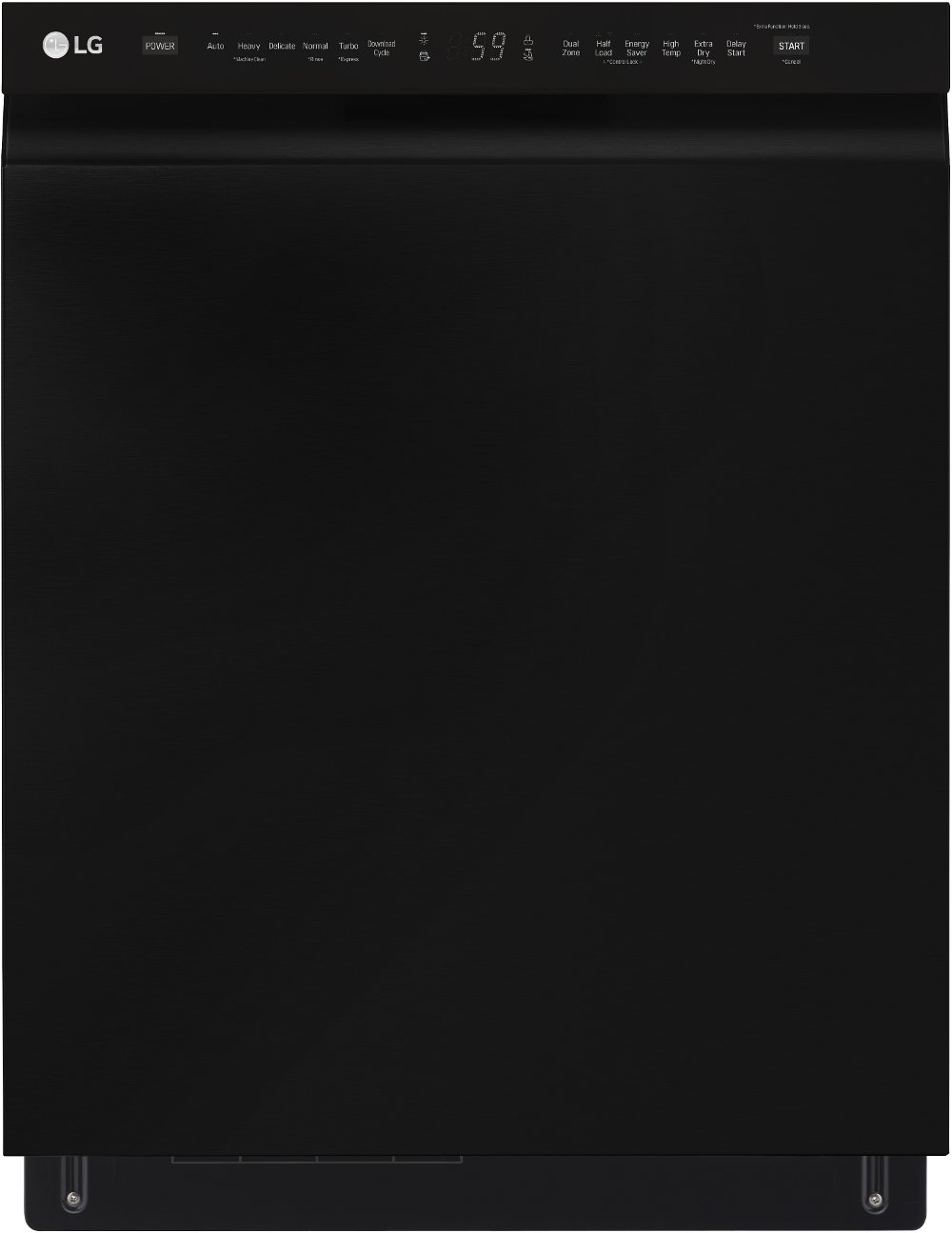
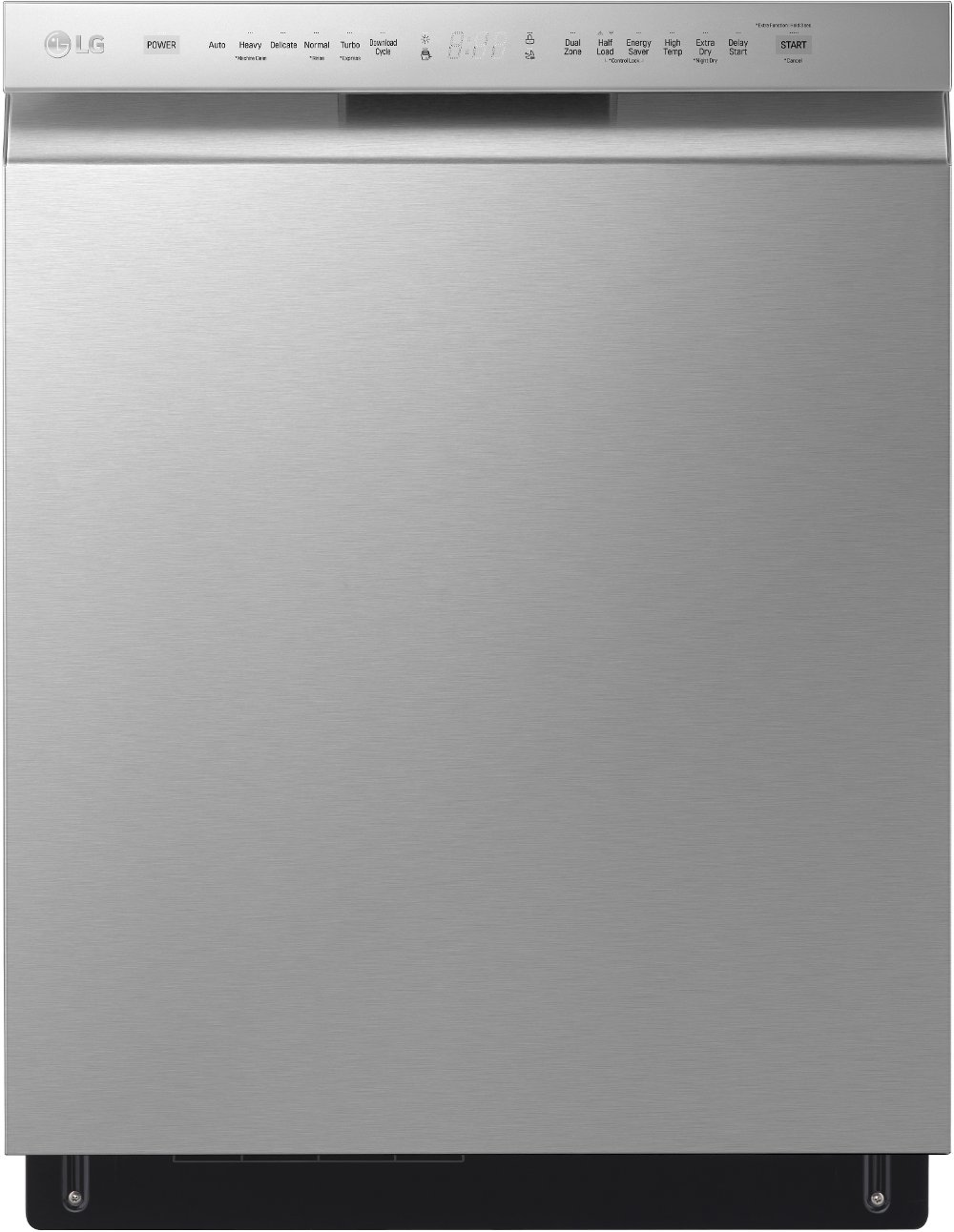
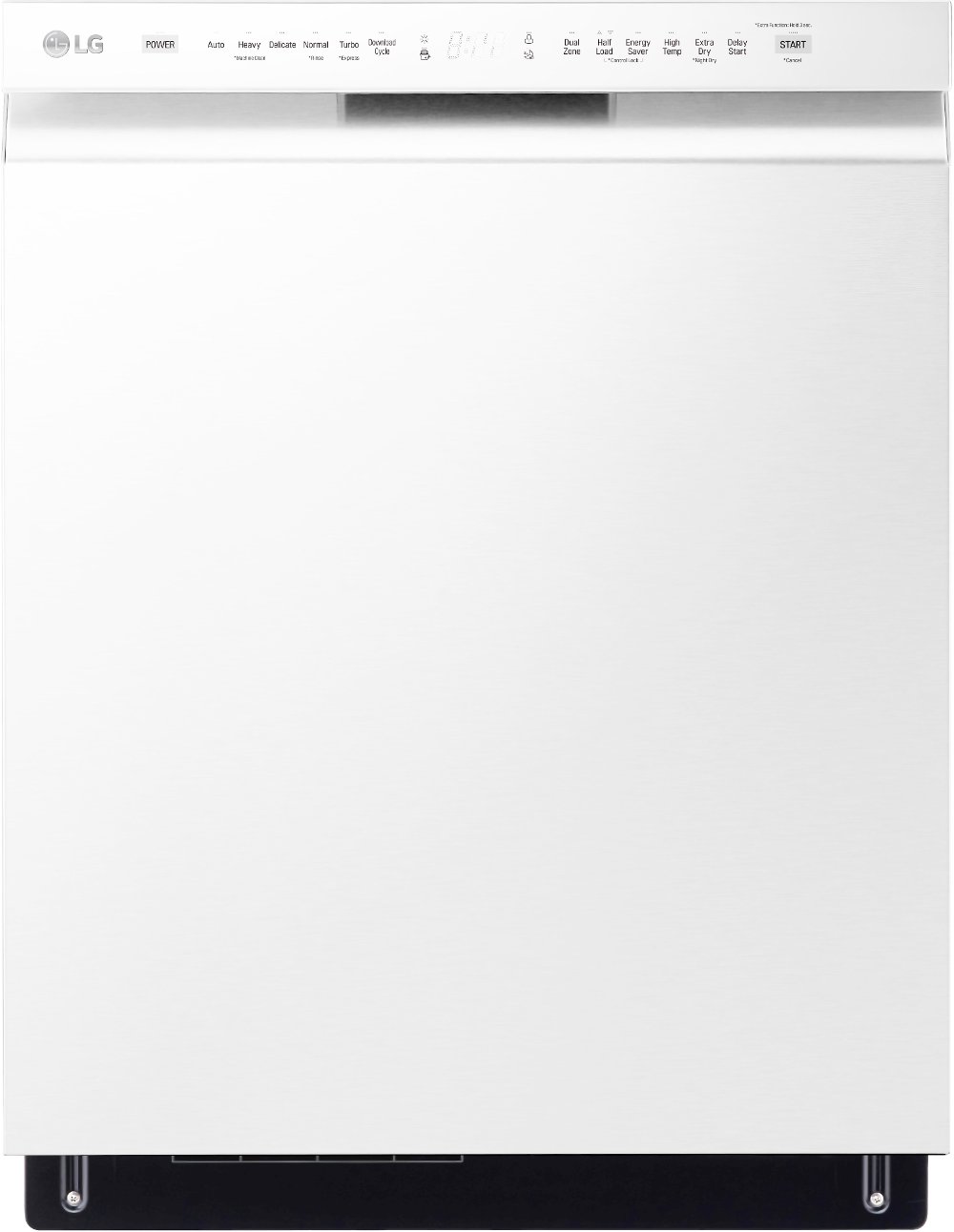
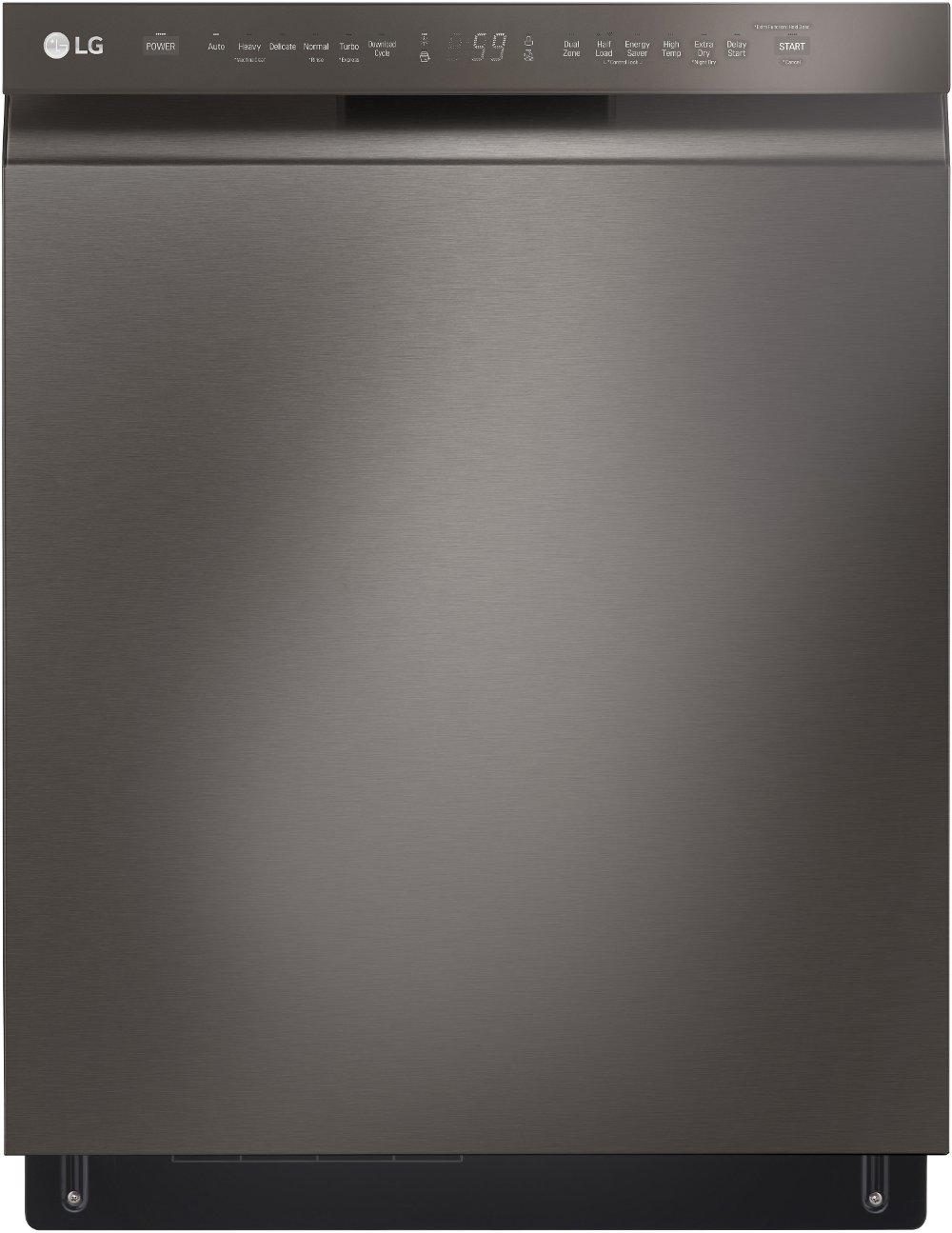
Cooking and dishwashing appliances shape how comfortably a kitchen handles both ordinary meals and extra company. A range combines a cooktop and oven in one footprint, while separate cooktops and wall ovens allow different layouts and working heights. The best arrangement depends on existing cabinetry, utility connections, and how many people tend to cook together. Someone preparing several dishes at once may value a cooking surface with space for a large skillet beside a stockpot; a smaller household may care more about straightforward controls and an oven that accommodates its most-used baking dishes. Gas, conventional electric, and induction cooking have different connection and cookware requirements. Induction needs compatible magnetic cookware, making a quick check of favorite pots and pans worthwhile. Smooth glass cooking surfaces have fewer crevices to wipe, but they call for suitable cleaners and care when moving heavy cookware. Grates, oven racks, and stainless steel trim have their own maintenance requirements, so cleaning instructions matter just as much as appearance. Ventilation is another part of a comfortable cooking setup, with proper sizing and installation helping manage steam, smoke, and cooking odors. Nearby, a dishwasher should match the household’s dishes rather than capacity claims alone. Adjustable racks can make room for tall glasses, and flexible utensil storage may help separate serving pieces from everyday forks and spoons. Interior tub materials, including stainless steel or plastic, differ in their heat retention and drying characteristics. Drying results also depend on the cycle, loading pattern, and materials being washed; plastic containers may retain droplets even when plates feel dry. In an open kitchen, published sound ratings can help distinguish quieter operation from a more noticeable wash cycle. Accessible filters and clear care instructions make upkeep easier to manage. Coordinated finishes can bring the kitchen together visually, but comfortable controls, useful interior layouts, and appropriate installation dimensions are what make these appliances work together in daily life.
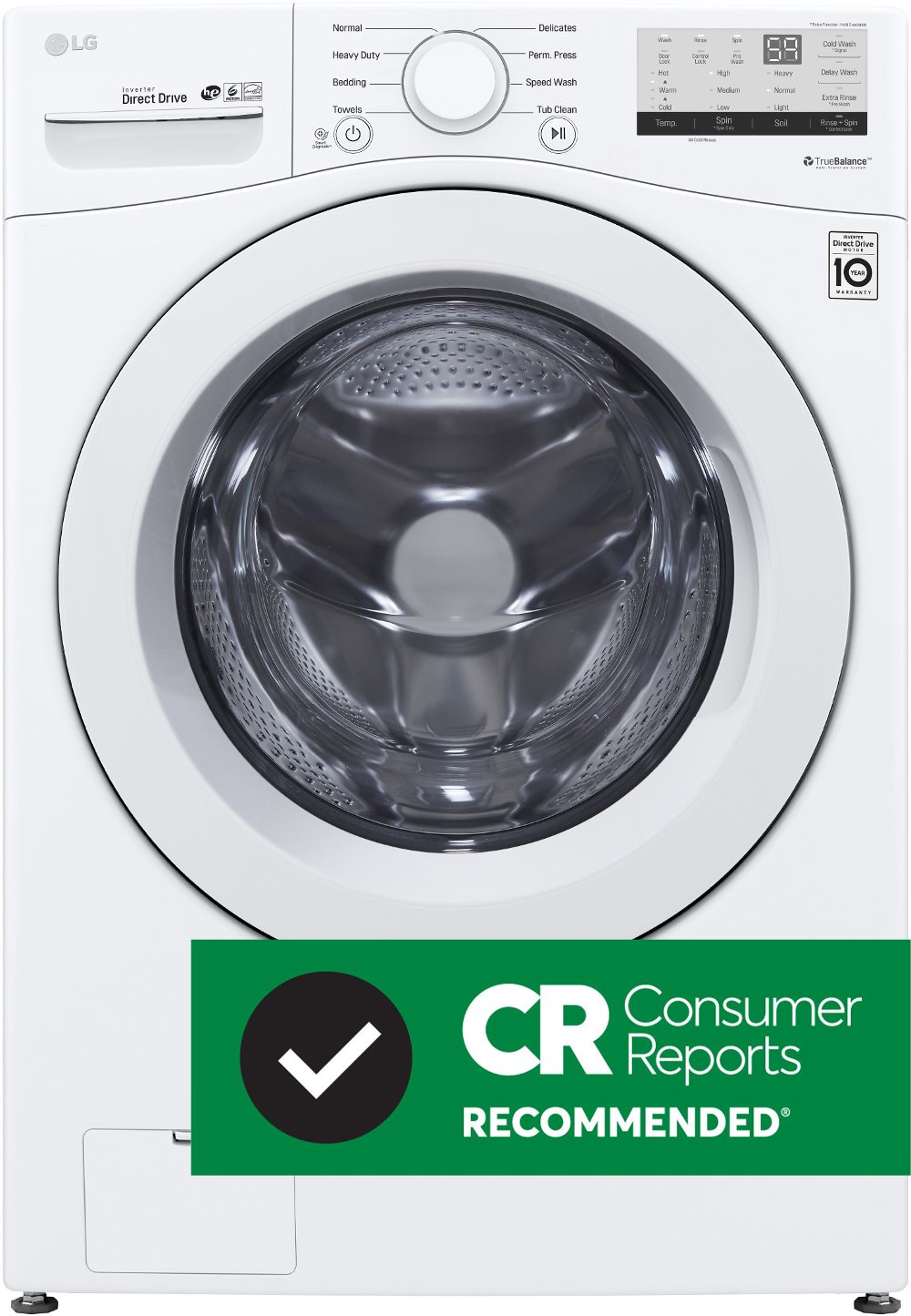
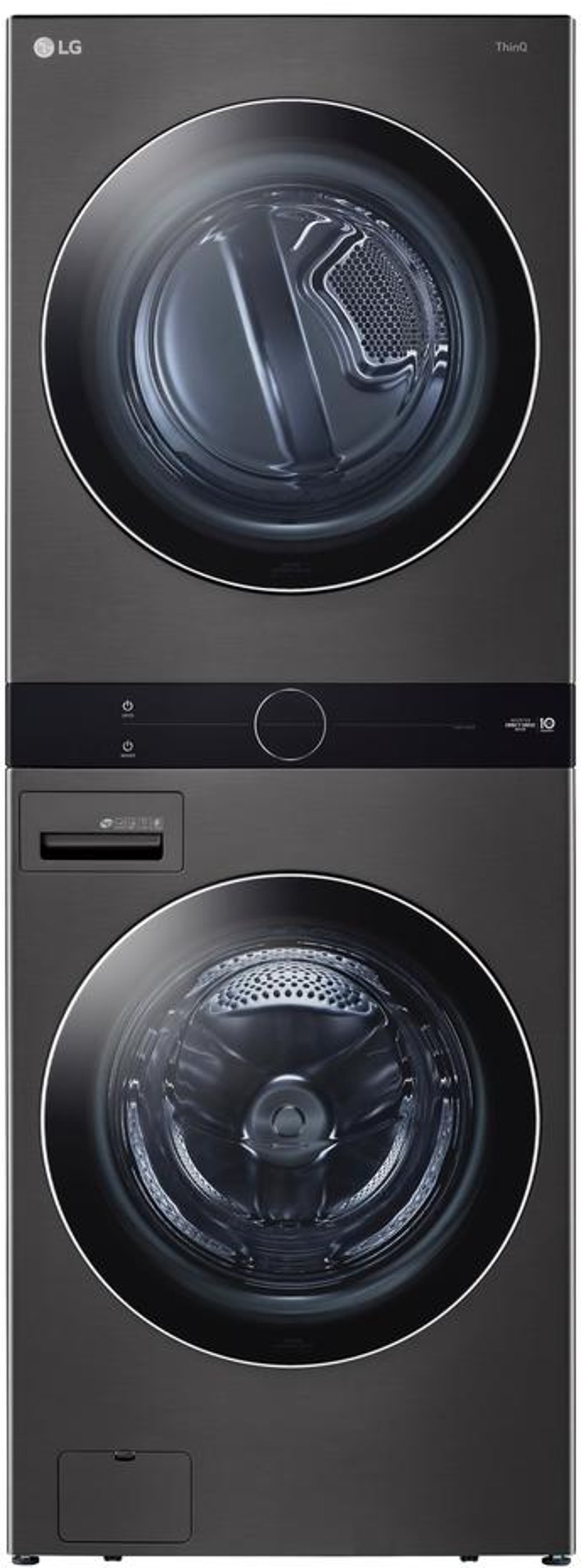
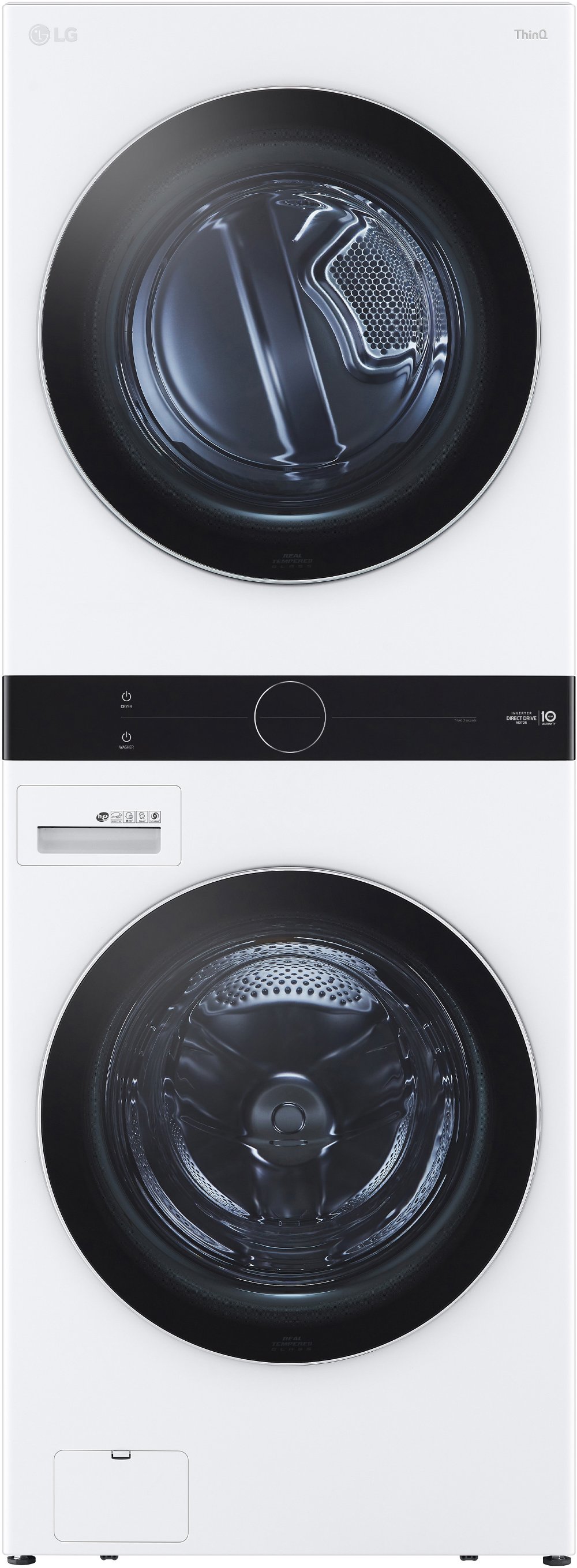
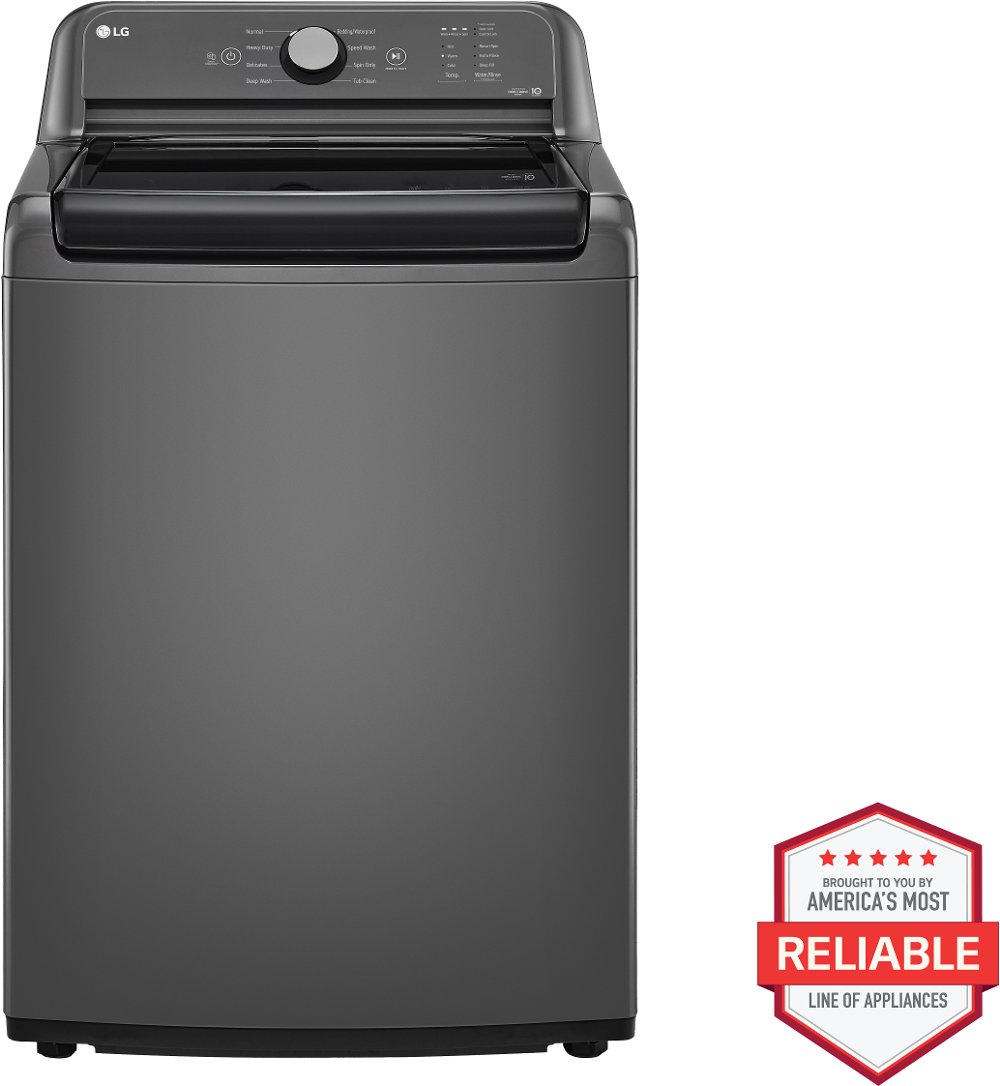
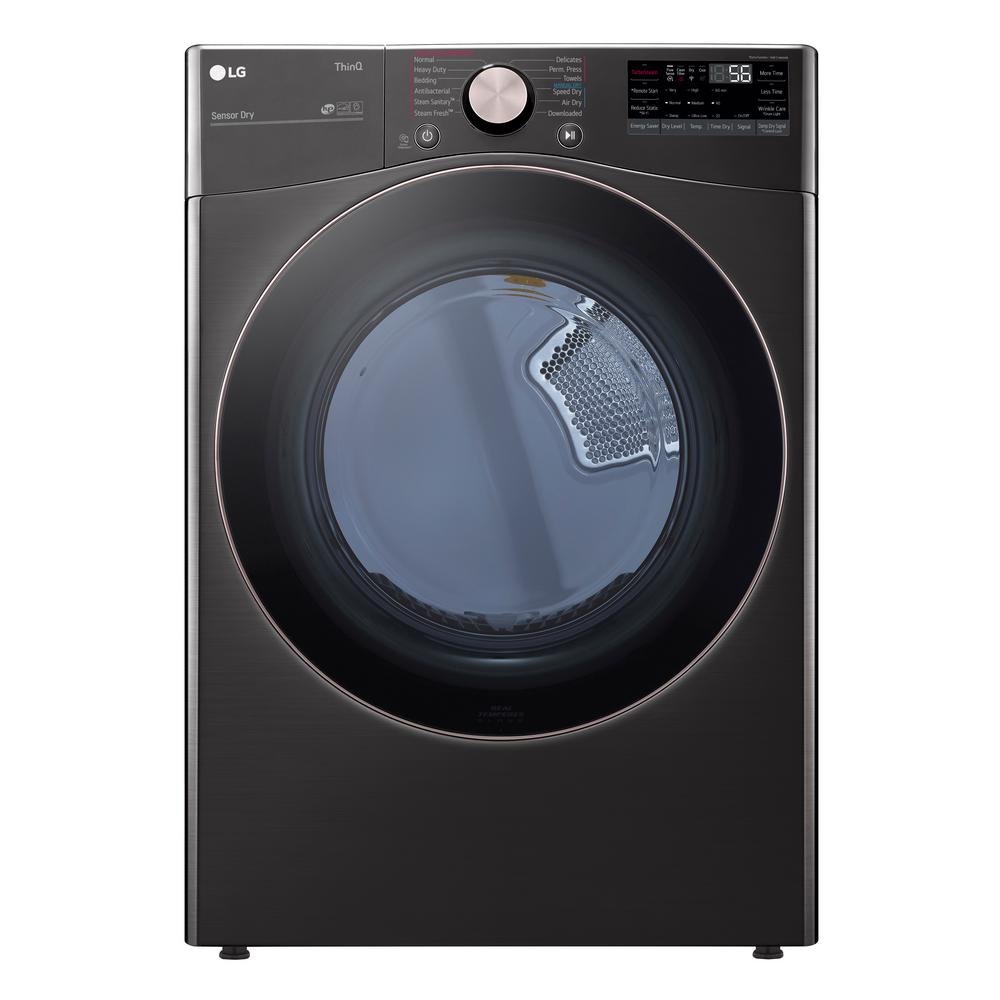
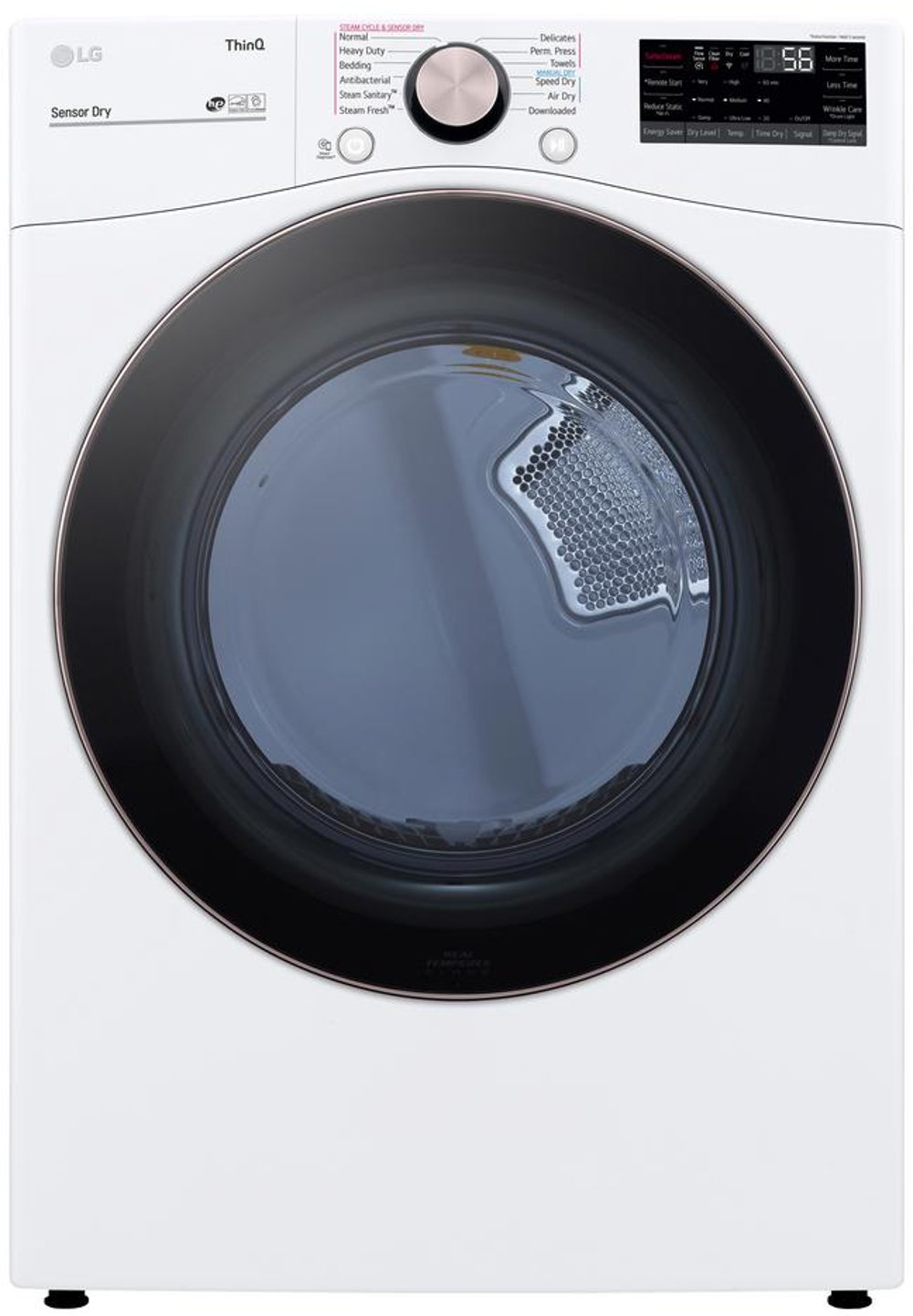
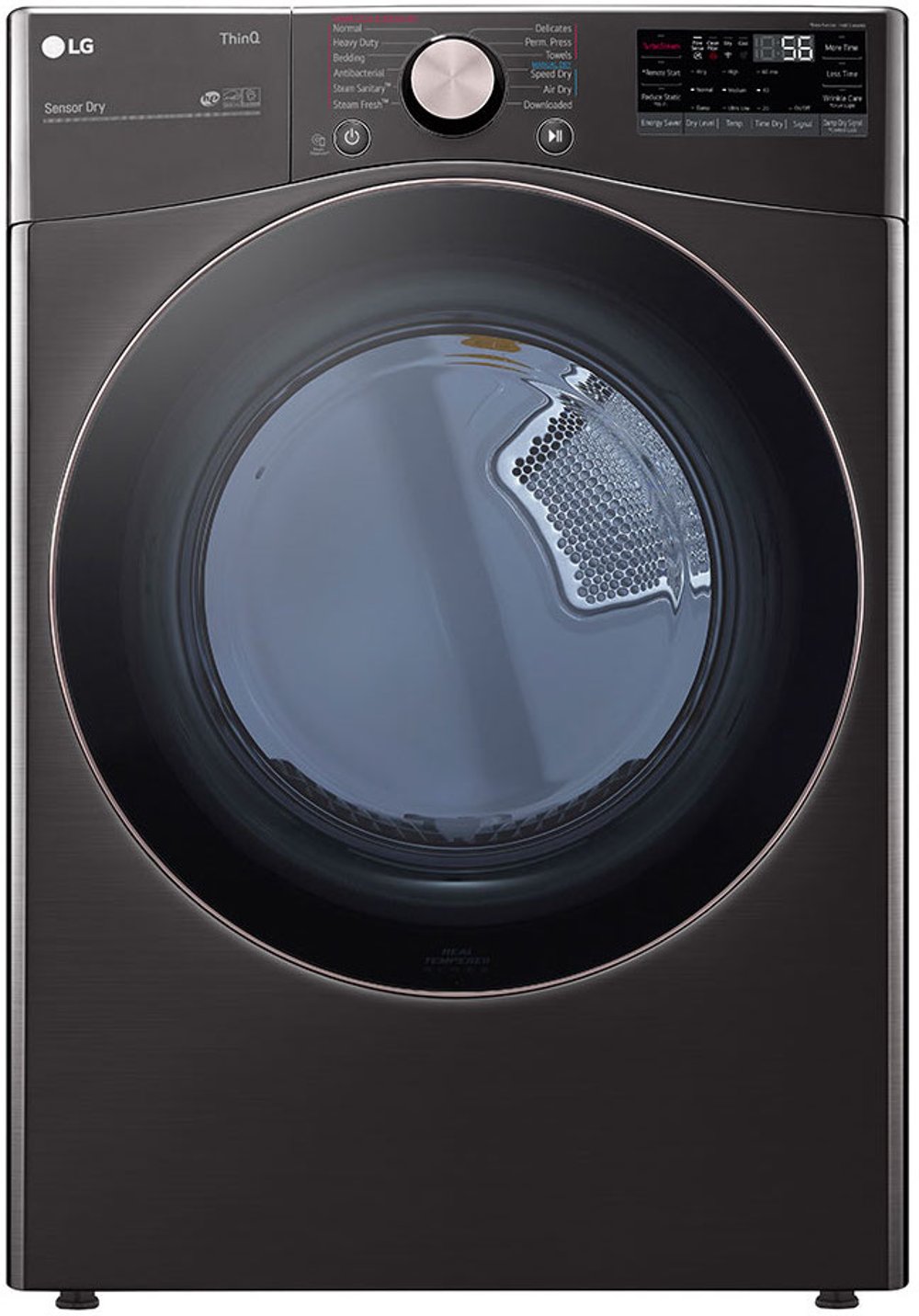
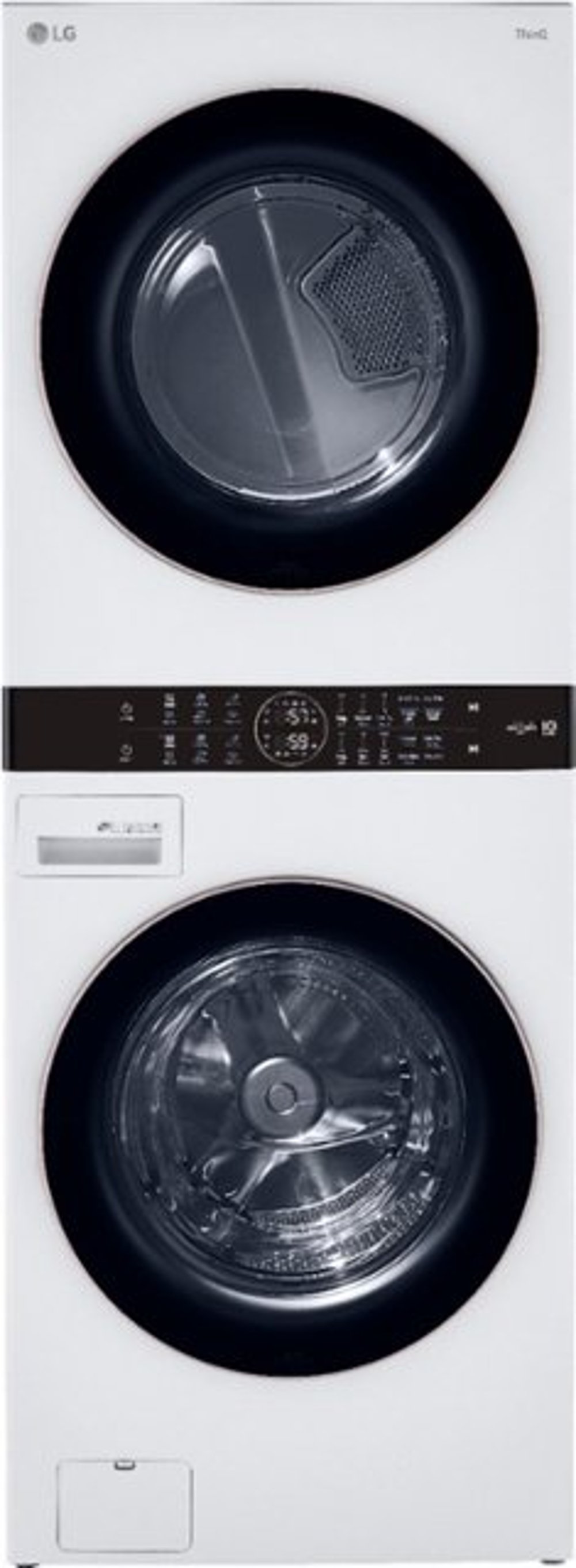
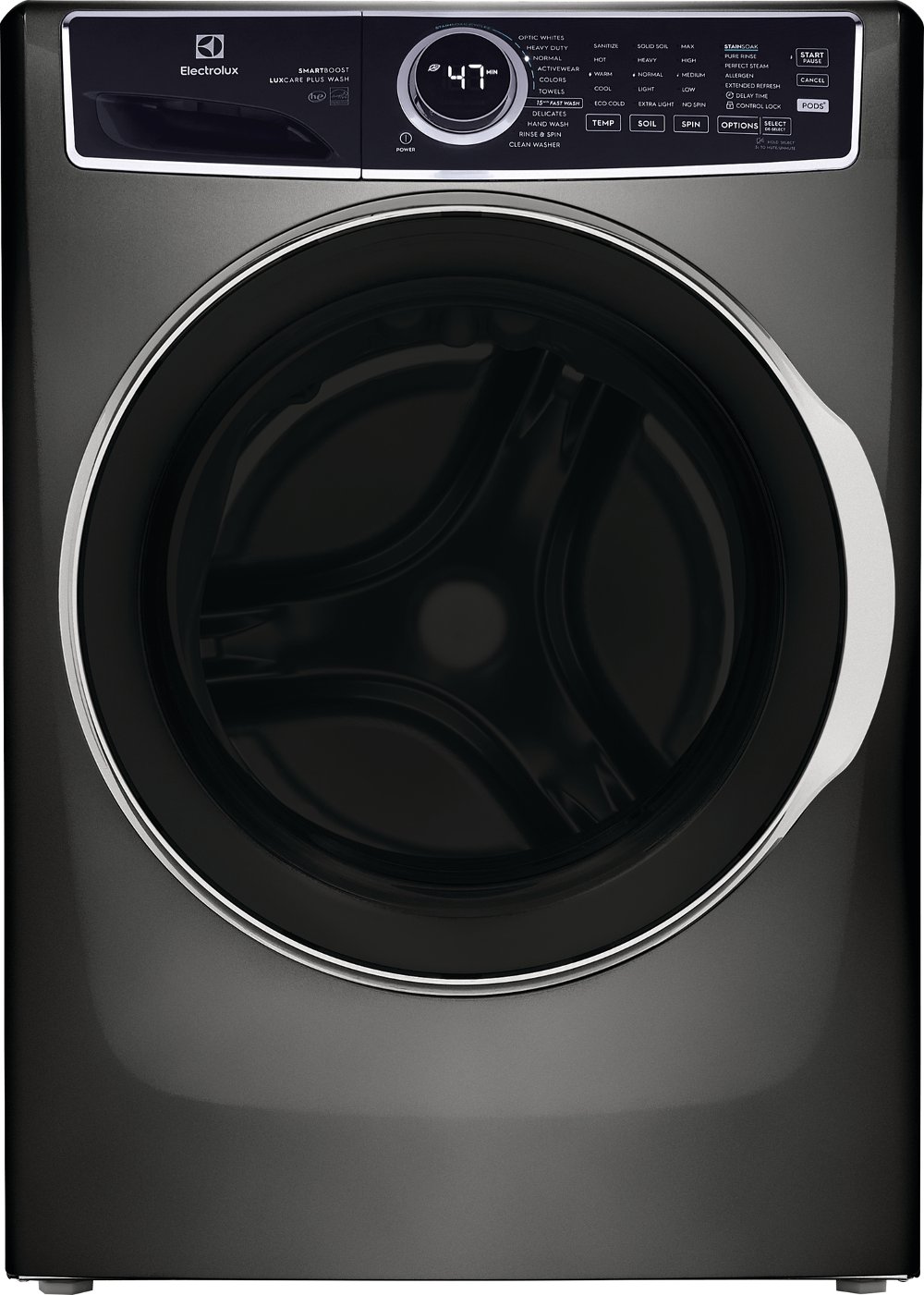
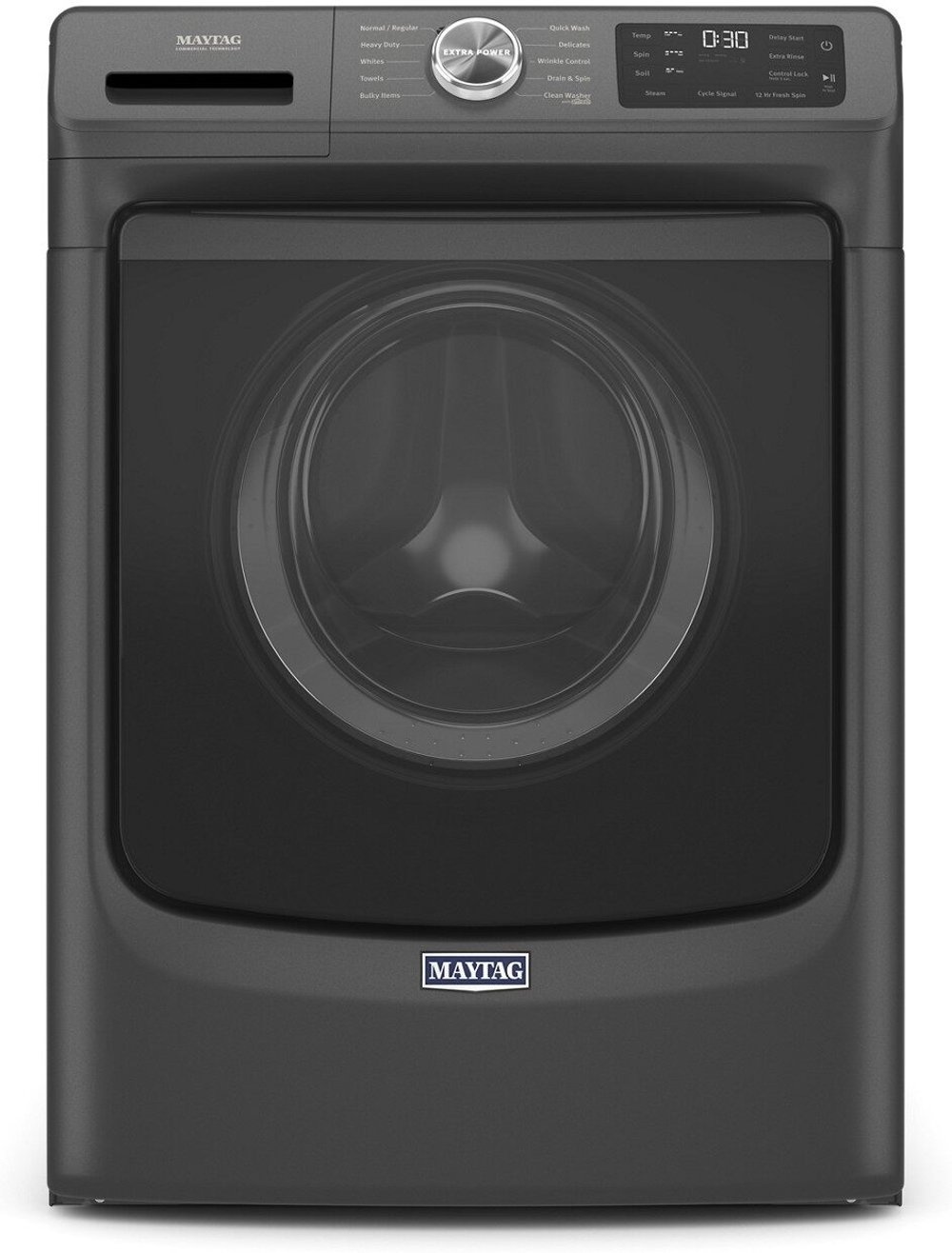
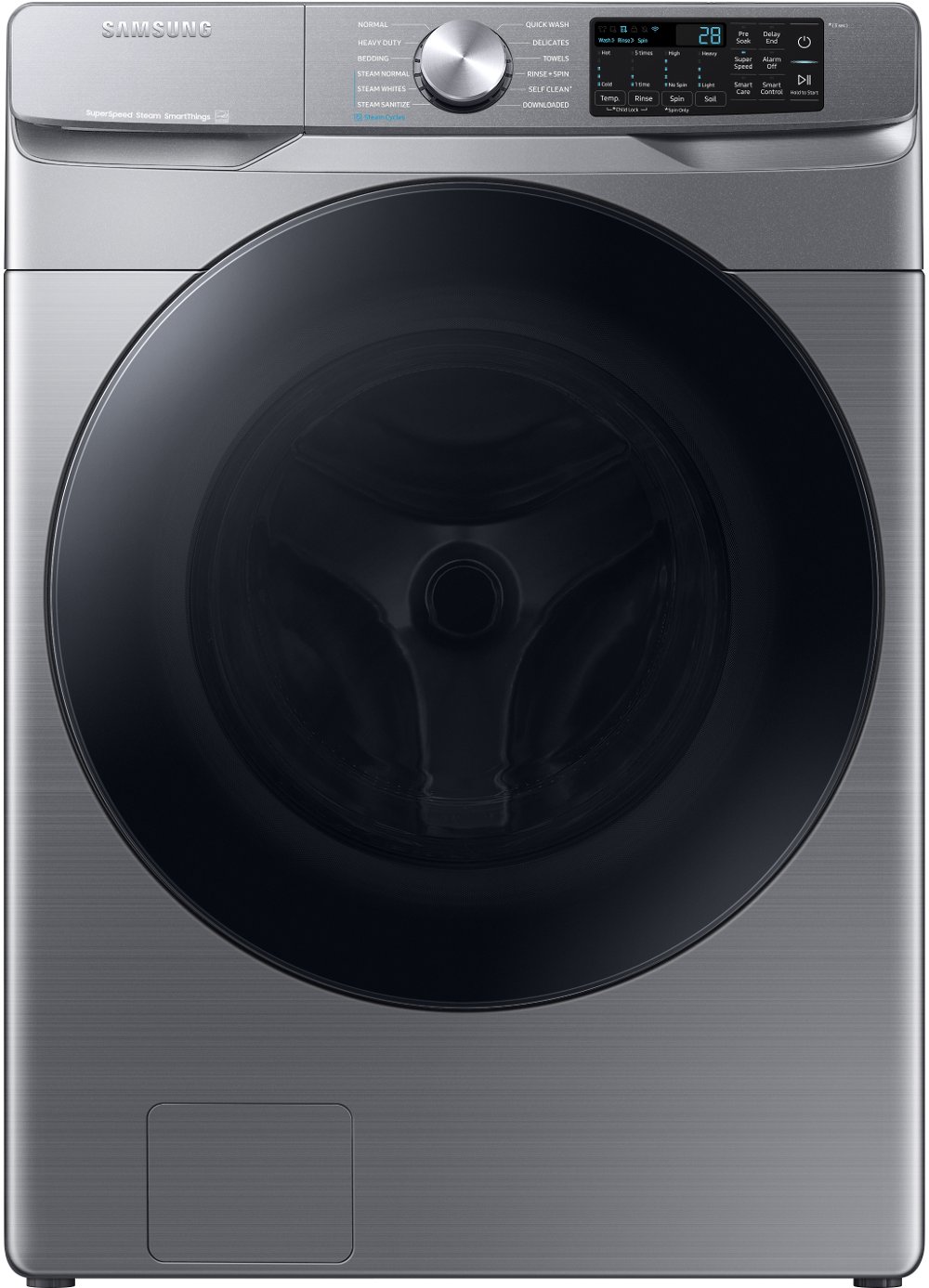
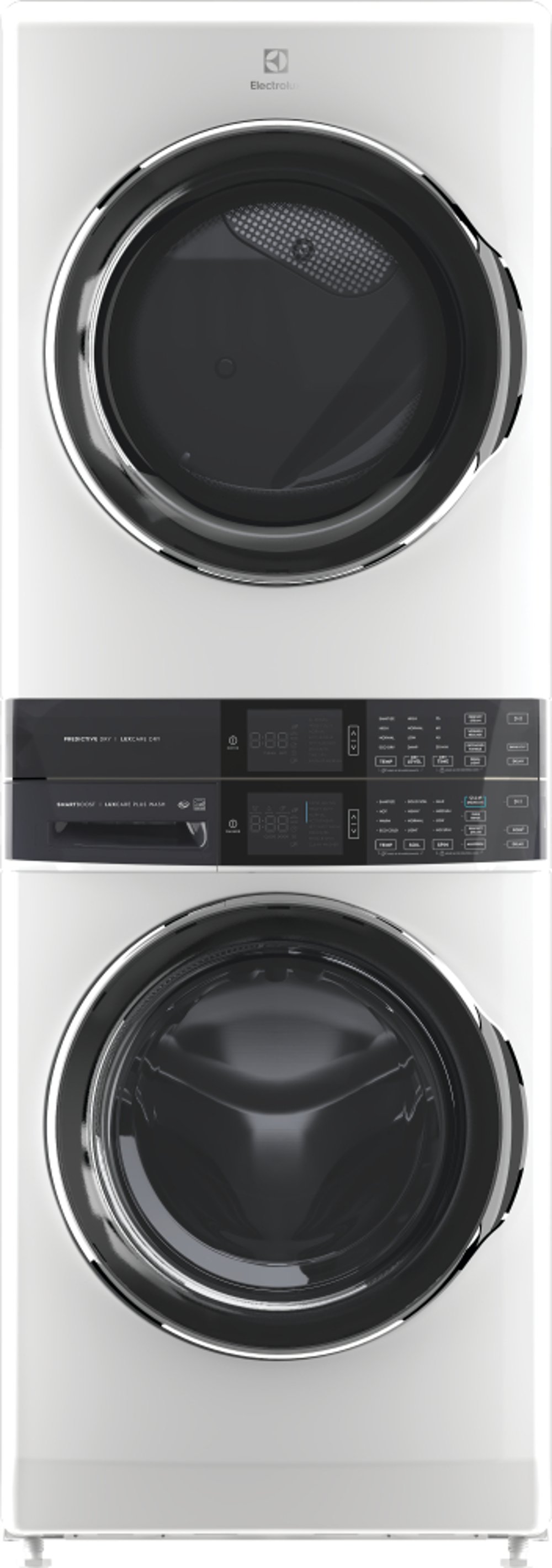
Laundry appliances deserve the same attention to fit and intended use, whether they sit in a dedicated room, a hallway closet, or a space shared with storage. A busy family may need room for towels, sports uniforms, and bedding, while a smaller household may prefer a configuration that leaves space for a folding surface or cleaning supplies. Washer capacity is useful only when loads can move as intended, and a bulky comforter needs more than enough room to squeeze through the door. Front-load and top-load designs offer different loading motions and installation possibilities. Front controls can be convenient in some layouts, while reaching into a deep top-load tub may feel less comfortable for some users. Stackable configurations can free up floor space, but stacking requires compatible appliances and the correct manufacturer-approved hardware. Pedestals may reduce bending with compatible front-load machines, although the added height needs to work with nearby cabinetry. Door clearance, hose connections, drain placement, and service access are all part of a workable laundry setup. Dryer requirements vary, too: vented designs need an appropriate exhaust route, while ventless designs have their own clearance, drainage, and electrical requirements. Gas and electric connections aren’t interchangeable, making a match with the home’s utilities essential. For everyday use, clear cycle choices and fabric-appropriate settings often matter more than a long list of extras. Sensor-based drying can help limit unnecessary drying time, while connected features, when included, may provide cycle notifications for someone folding laundry between other tasks. Fabric care labels still set the boundaries for temperature and handling. Durability also depends on installation and upkeep: a level washer, correctly connected hoses, a clean dryer lint filter, and maintained venting all support reliable operation. Front-load door gaskets and detergent dispensers benefit from the cleaning routine specified in the owner’s manual. Whether Labor Day inspires a single replacement or a coordinated appliance update, the most useful choices support familiar routines without adding complications. Well-matched capacity, accessible controls, appropriate materials, and manageable care can make the kitchen and laundry area easier to live with long after the holiday.
Read More