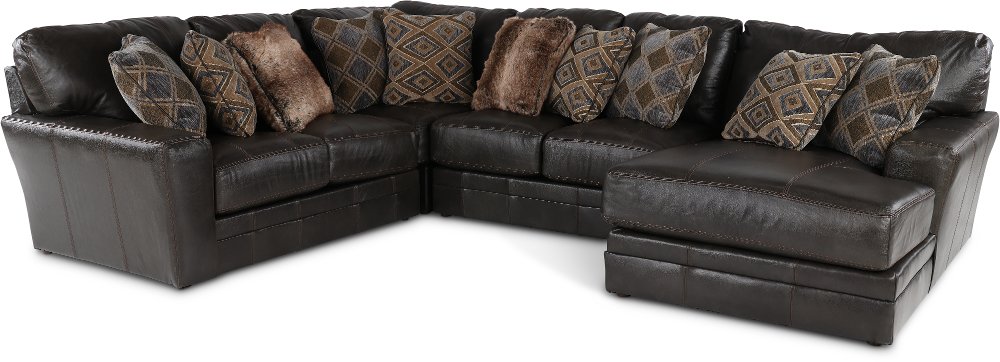
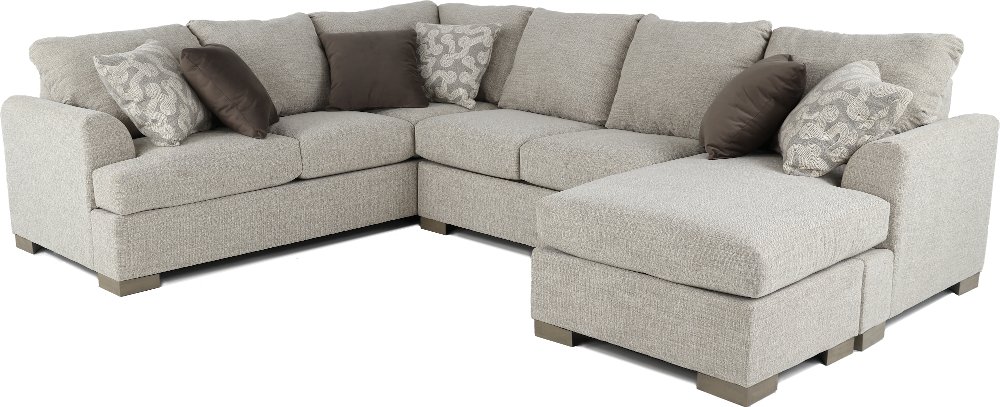
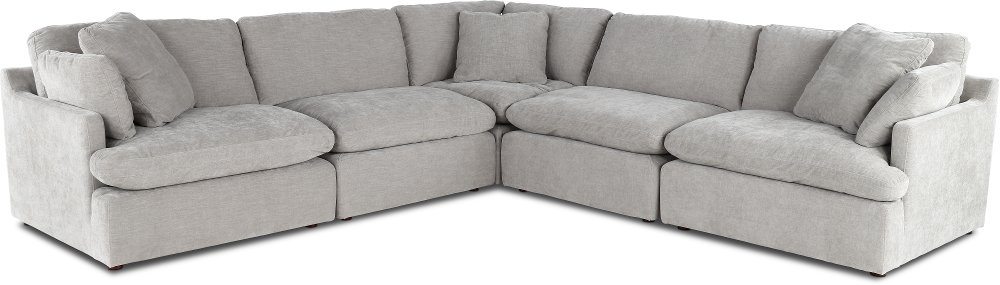
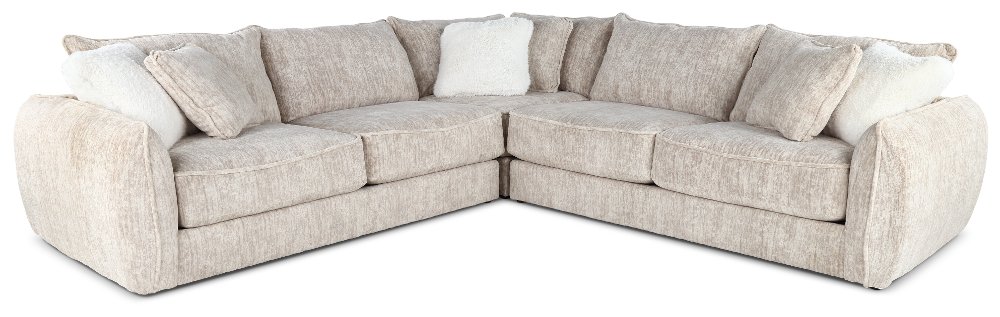
Living room chaise lounges are elongated seats that let you stretch out with your legs supported, combining the comfort of a lounge chair with the extra length of a sofa seat. A standalone chaise creates its own place to relax, while a chaise attached to a sectional extends one end of a larger seating arrangement. Both give you room to settle in with a book, watch a movie, or take a quiet break without pulling an ottoman into position. The difference matters when you’re furnishing a room: a separate chaise can sit opposite a sofa or beside a bookcase, while a sectional chaise works as part of the main gathering space. Unlike a recliner, a typical chaise has a fixed, extended seat rather than a footrest that opens and closes, although some designs include adjustable backs or other moving features. Its shape can influence the room’s character as much as its comfort. Rolled arms, turned legs, and tufted upholstery lend a traditional feel; straight edges, slim legs, and restrained detailing suit a contemporary living room. Curved backs and rounded seats offer a softer silhouette, especially alongside a rectangular coffee table or a low, angular sofa. For a coordinated look, repeat one element already in the room, such as a wood finish, fabric texture, or accent color, rather than trying to match every piece. A neutral chaise can sit comfortably among patterned pillows and a colorful rug, while a richly colored seat can become the focal point of a quieter space. Shoppers comparing Indoor Chaise Lounge Furniture can consider how the seat will relate to the rest of the room, not just how it looks on its own. For a reader, a supportive back and a nearby lamp may matter most. For someone who likes to lounge during movie night, the seat’s position relative to the screen and the support beneath the legs may be bigger priorities.
A comfortable fit starts with both the room’s measurements and the proportions of the person using the chaise. Check overall width, depth, and height, then look separately at usable seat length, seat depth, and seat height. A long exterior measurement doesn’t always mean more stretching room, because a thick back cushion or a broad arm can take up part of that space. Taller people may prefer a longer seating surface, while someone who likes to sit more upright may appreciate a shallower seat and firmer back support. A low, deeply cushioned chaise can feel inviting for lounging, but a higher seat with a supportive arm may make sitting down and standing up easier. If possible, try the position you’ll actually use: lean back, extend your legs, and notice whether your shoulders, lower back, and knees feel supported. At home, outline the chaise’s footprint with painter’s tape before deciding where it belongs. Leave enough clearance to walk around the extended end without turning sideways or stepping into another seating area. About 30 to 36 inches is a useful starting point for a main walkway, with more room where household members need additional access. Keep door swings, cabinet drawers, and nearby furniture in mind, too. A chaise that fits neatly against a wall can still interrupt the route from the entryway to the sofa. Arm placement also deserves attention. An arm on one side can create a cozy corner, but it may limit how you enter the seat or reach a side table. For sectional configurations, confirm left- or right-facing orientation using the retailer’s diagram, since the label depends on the viewing perspective. Reversible or modular arrangements can offer flexibility, but only when the design specifically supports those changes. Measure doorways, hallways, stair turns, and elevator openings before delivery as well. In a compact living room, a standalone chaise may serve better as the main lounging seat than as an addition to an already full sofa-and-chair arrangement.
Upholstery, cushioning, and construction determine how a living room chaise lounge feels in daily use and how much attention it needs over time. Woven fabrics offer a broad range of textures, from smooth, tightly woven surfaces to nubby finishes that add visual depth. A tighter weave may be a practical choice in a busy household, though durability depends on the fiber, construction, and testing rather than texture alone. Velvet brings a soft surface and a subtle change in color as the pile moves, but it can show pressure marks and may need gentle brushing when the care instructions allow it. Leather has its own variations: some finishes develop visible character with use, while others have protective treatments that make routine cleanup simpler. Neither leather nor fabric is automatically scratchproof, and pet claws can leave marks on either. Performance upholstery may offer stain resistance or easier cleaning, but check the stated benefits and approved cleaning methods instead of treating the label as a promise against every spill. Cushion feel deserves the same close look. Foam commonly provides a more structured seat, while fiber- or feather-blend cushions can feel softer and may need regular fluffing. A well-built frame, secure joints, and a supportive suspension help the chaise hold up to repeated use; decorative details alone don’t reveal what’s underneath. Removable cushions can make cleaning easier, although a zippered cover isn’t necessarily machine washable. Follow the upholstery care label, vacuum gently with an appropriate attachment, and blot spills promptly rather than rubbing them deeper into the material. Position the chaise away from prolonged direct sunlight when possible to help limit fading, and rotate or turn cushions only if their construction allows it. Storage compartments can keep a throw or reading material close by, while adjustable backs offer more than one lounging position; each feature should be easy to reach and operate. The best fit is a chaise that supports your everyday routine, leaves the room easy to move through, and feels comfortable long after the first few minutes of sitting.
Read More