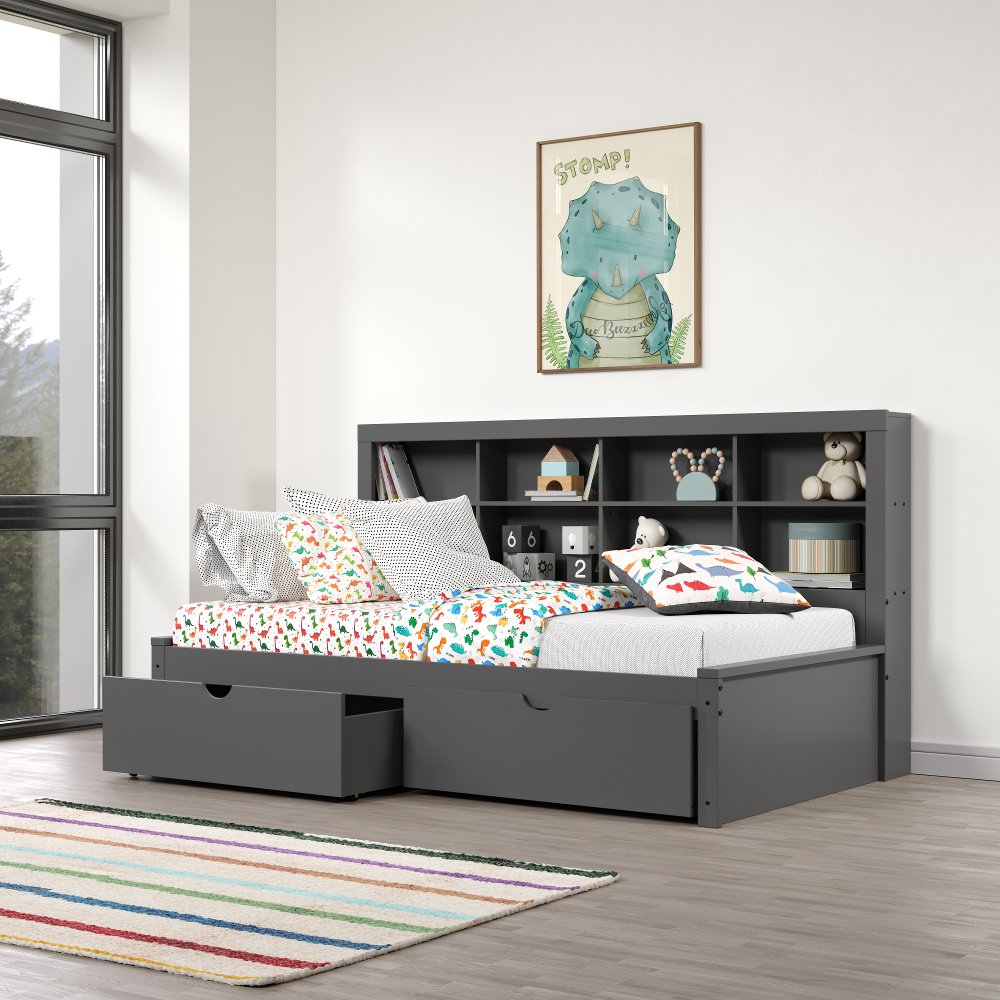
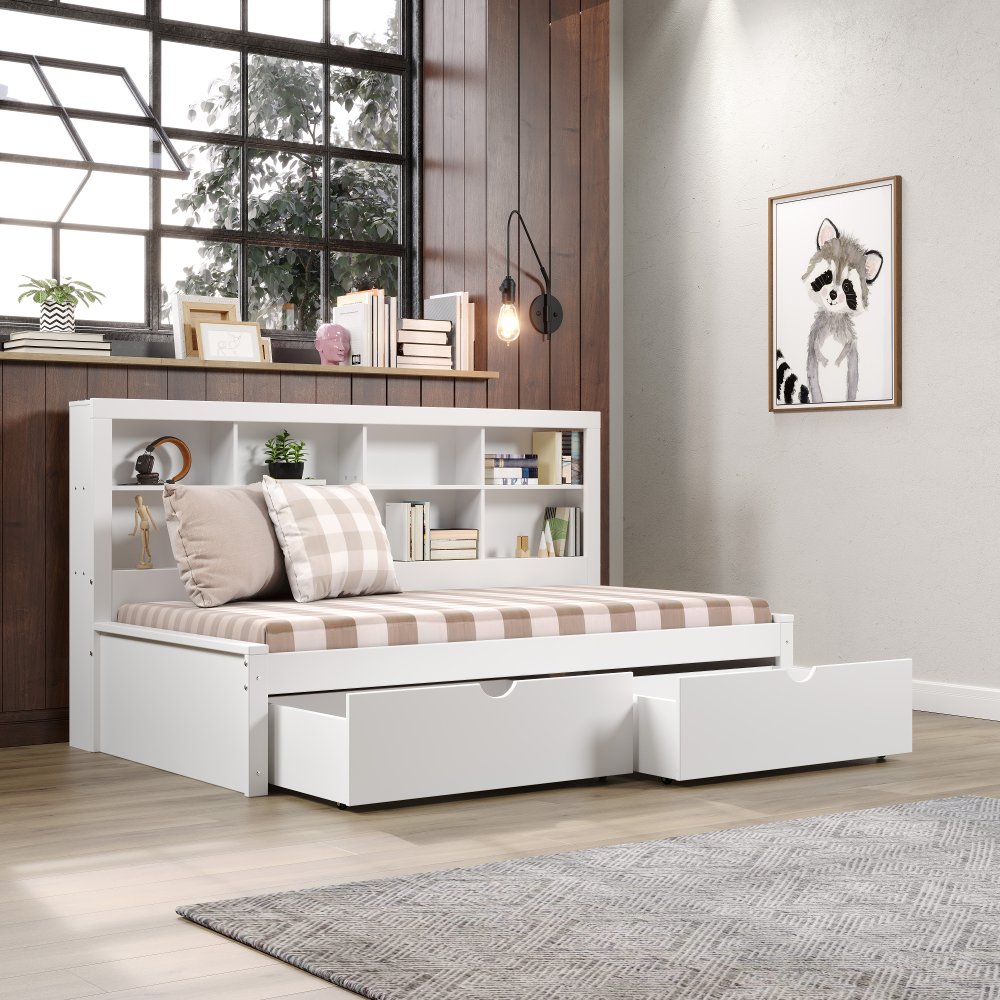
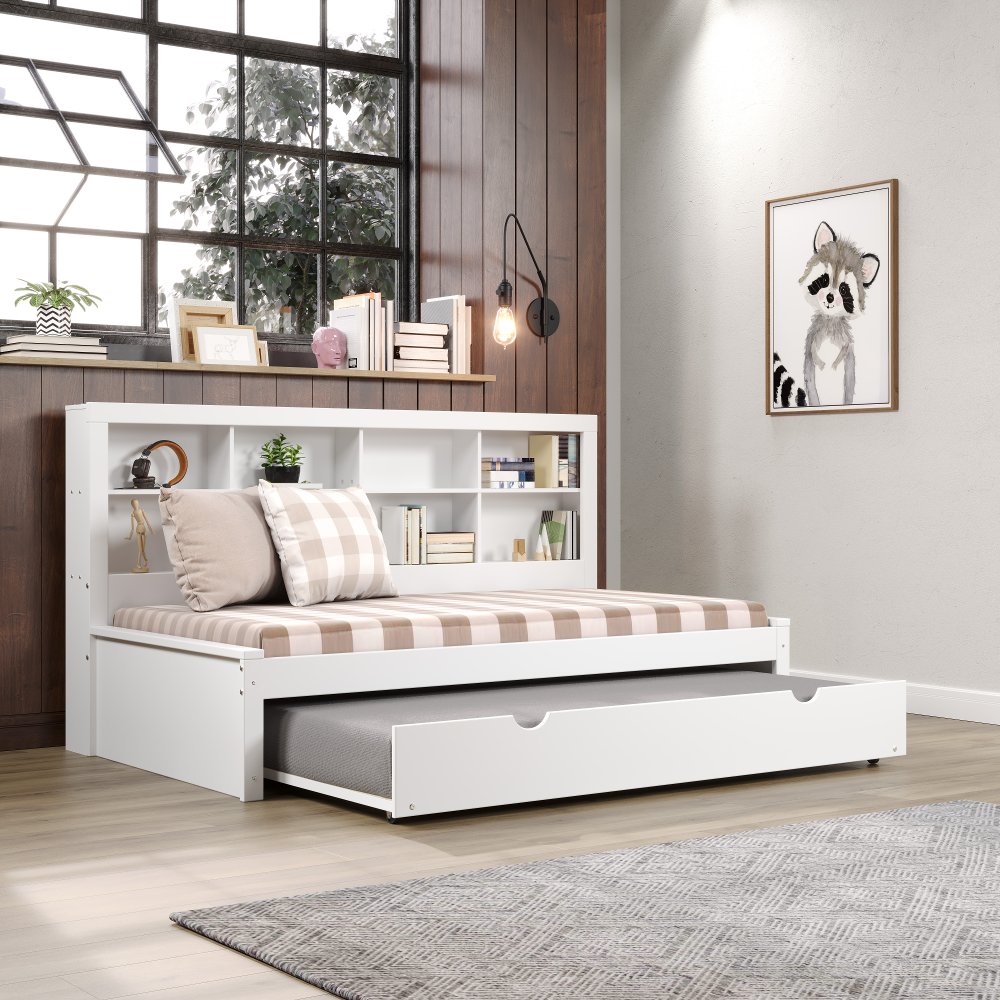
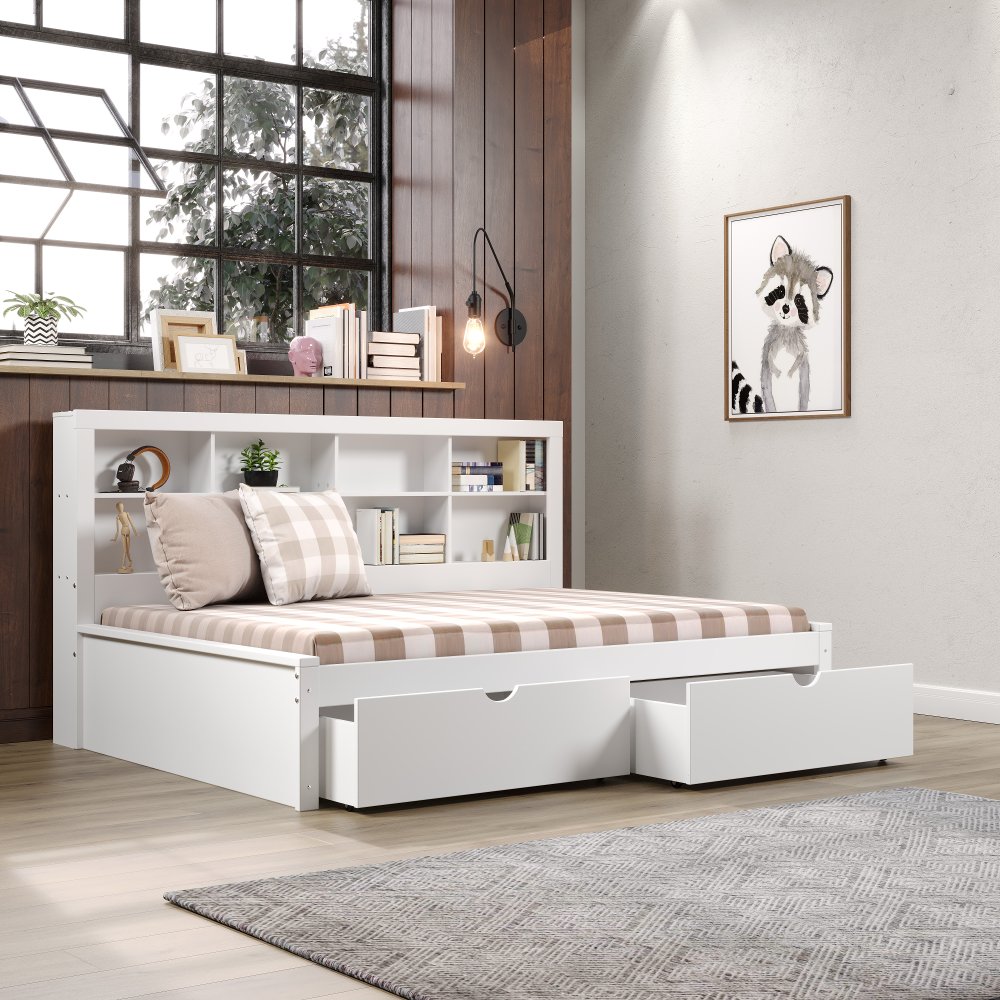
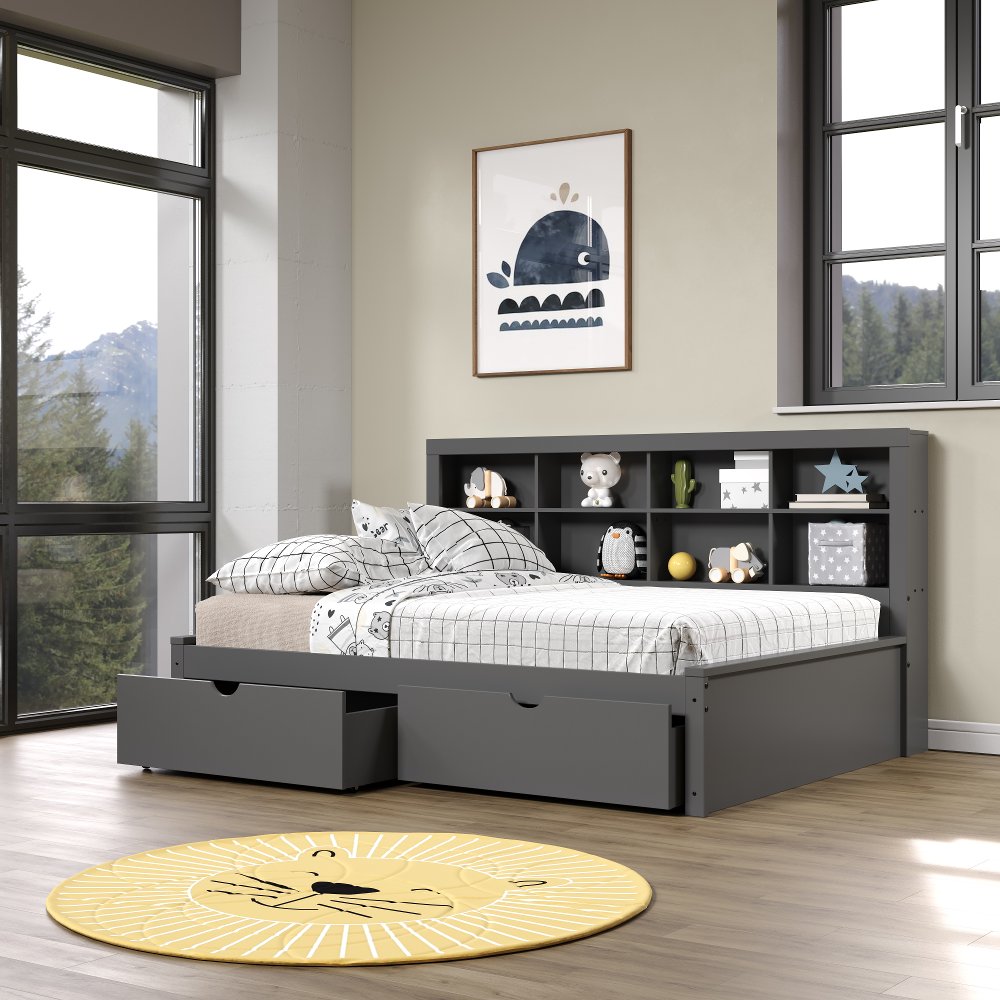
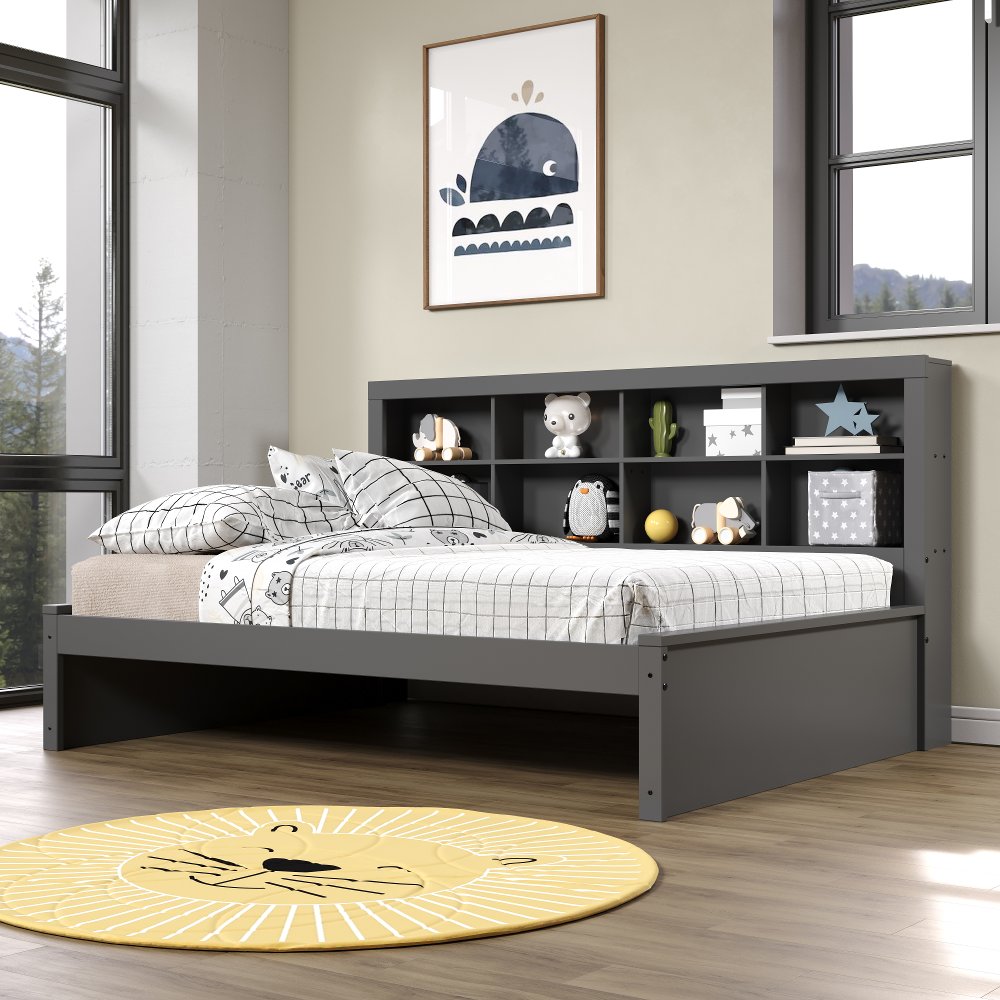
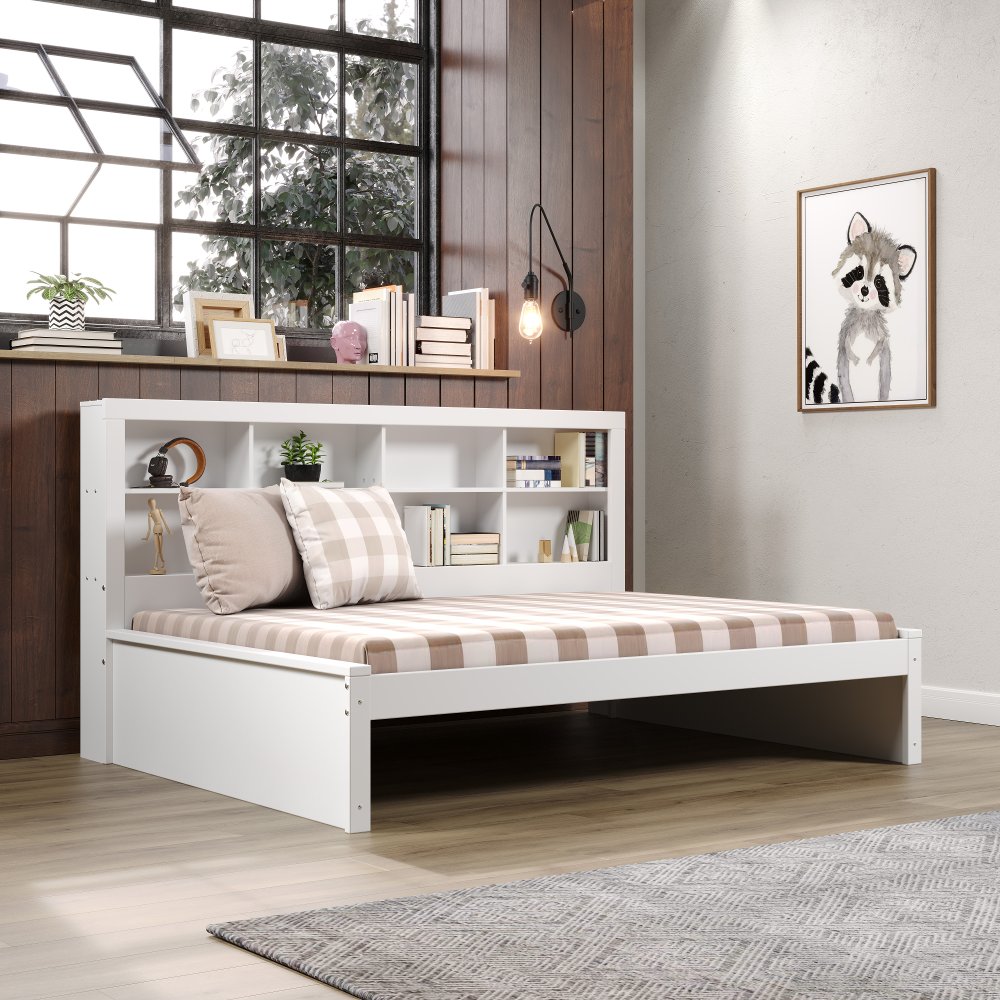
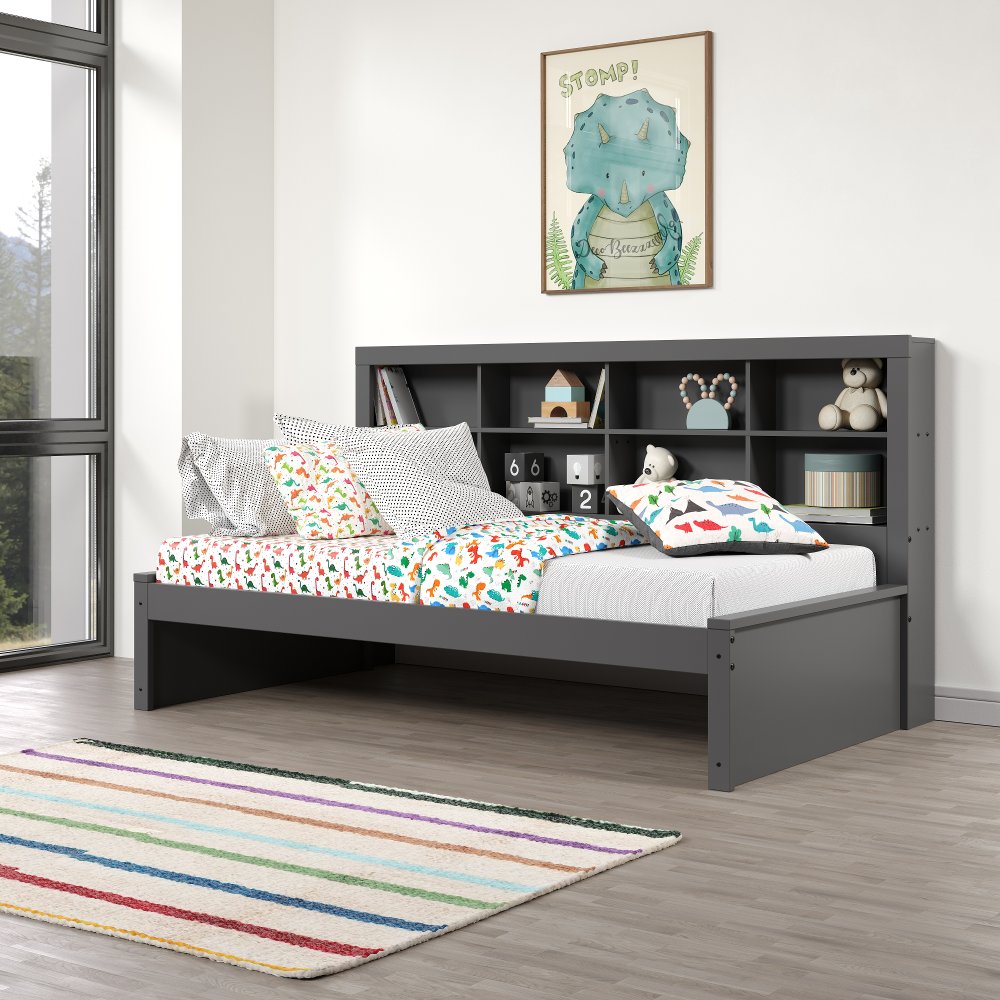
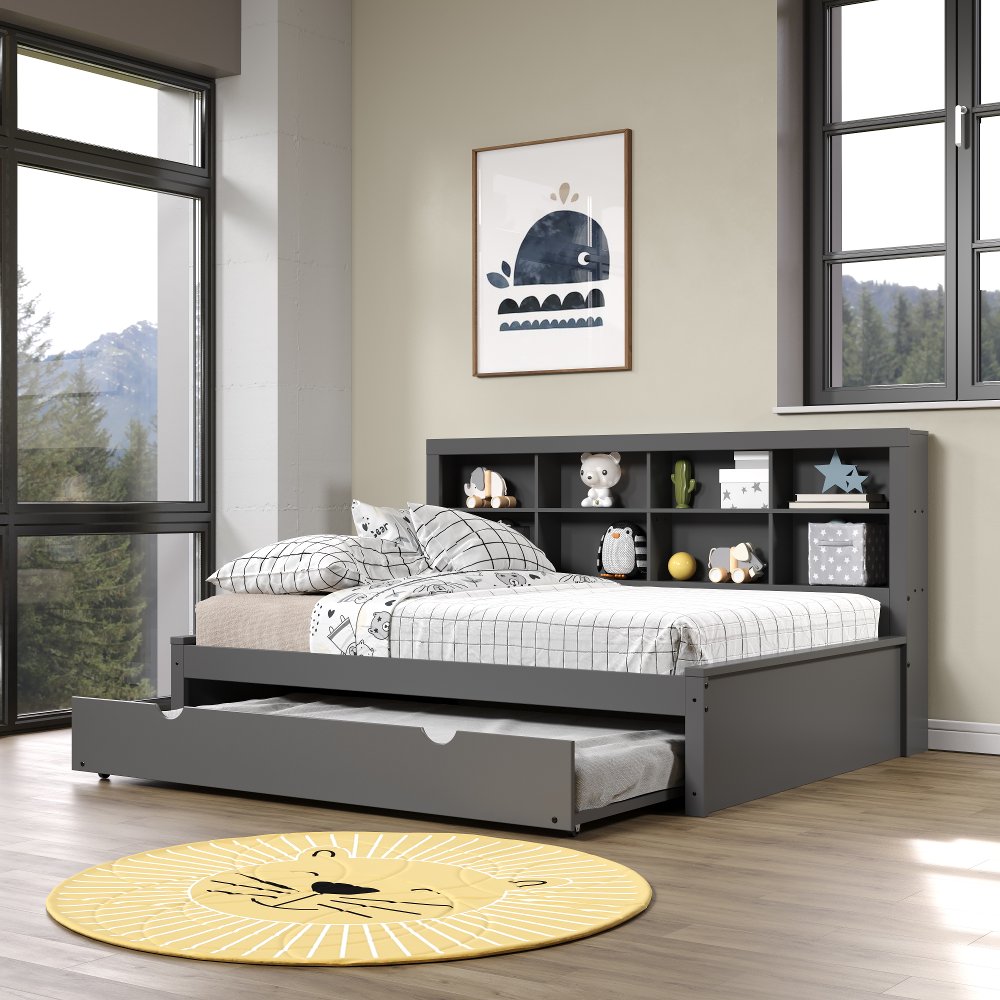
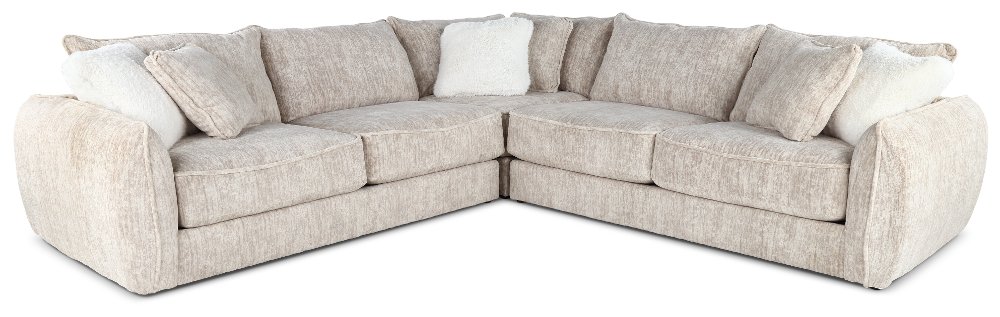
A living room daybed brings the comfort of a generous lounge seat together with the flexibility of an extra sleeping space. During the day, it can serve as a sofa for conversation, a chaise for stretching out with a book, or a cozy spot for watching a movie. When guests stay overnight, it can transition into a single bed, double bed, or larger sleeping surface, depending on the design. Some styles include a pull-out trundle beneath the main frame, giving you a convenient place for an additional guest without taking up more floor space every day. Others use modular construction that unfolds from a compact chaise into a queen-size bed, while select designs add drawers or open compartments for blankets, pillows, toys, and other living room essentials. This versatility makes a daybed especially useful in homes where rooms need to work a little harder. It can anchor a reading nook, provide a comfortable landing place in an open-concept space, or offer a practical solution for a guest room that also serves as a home office. It may also be a thoughtful choice for a young adult moving into a first apartment, a family preparing for visits from relatives, or anyone who enjoys having a welcoming place for overnight company without dedicating an entire room to guests. As the weather warms, a daybed near a bright window can become a relaxed spot for morning coffee and afternoon naps; during the cooler months, it offers an inviting place to curl up beneath a soft throw.
When choosing a living room daybed, start with the way you expect to use it most often. If everyday seating is the priority, look for a supportive frame, comfortable cushioning, and enough depth to sit upright without feeling perched. A backless daybed can create a clean, casual look in a spacious room, but it will need thoughtfully arranged pillows or bolsters to provide back support. A daybed with a built-in back or arms may feel more like a traditional sofa and can be easier to style in a family room. Measure the available area carefully, including the space needed when a trundle or pull-out bed is fully extended. It helps to mark the open footprint on the floor with painter’s tape; this simple step can reveal whether there will still be a clear path to a doorway, coffee table, or nearby seating. Also consider the mattress or cushion dimensions, the height of the sleeping surface, and the weight capacity listed by the manufacturer. A low profile may look streamlined and make it easier to climb in and out, while a taller frame can offer more room for storage underneath. If the daybed will welcome frequent overnight guests, prioritize a sturdy frame and a sleeping surface that feels supportive rather than relying on decorative appeal alone. Upholstery texture, removable covers, and easy-clean materials matter in busy homes, especially when the daybed will be used by children, pets, or guests carrying snacks into the living room. Solid wood feet, reinforced joinery, and well-constructed hardware can add confidence for everyday use, while storage drawers are helpful when you want bedding close at hand but out of sight. Before bringing a daybed home, compare its delivery dimensions with hallways, stairways, and door openings so the setup feels smooth from the start.
A living room daybed can look polished and intentional while still feeling wonderfully relaxed. To create a sofa-like appearance, use a fitted mattress cover or tuck a coverlet snugly around the sleeping surface so the bedding stays neat instead of bunching at the edges. Layer large square pillows, lumbar pillows, or bolsters along the long side to establish a comfortable backrest and give the piece a more finished silhouette. A folded throw draped across one corner adds warmth and makes the daybed feel ready for an afternoon rest without making the room look like a bedroom. Low-profile side tables, nesting tables, or a pouf ottoman can preserve the open living room feel better than traditional nightstands, while a nearby floor lamp keeps reading light within reach. Placing the daybed beneath a gallery wall, beside a sunny window, or along the edge of an open-concept room can help it function as a central seating area rather than an extra bed pushed against the wall. Keep frequently used items in a basket or drawer beneath the frame, and leave enough space around a pull-out trundle for smooth access when visitors arrive. For a more tailored room, coordinate the daybed’s upholstery with a rug or accent chair; for a layered, collected look, mix woven pillows, soft blankets, and contrasting textures. Households that host family during the cooler months may appreciate a trundle ready for visiting children, while apartment dwellers may value a modular daybed that turns a compact living area into a comfortable guest room. Shoppers drawn to warm wood details, classic lines, or an updated blend of old and new can also explore Transitional Daybeds for a style that fits comfortably between traditional and contemporary furnishings. With the right size, support, and arrangement, a living room daybed can make ordinary routines feel more comfortable and overnight hospitality feel wonderfully simple.
Read More