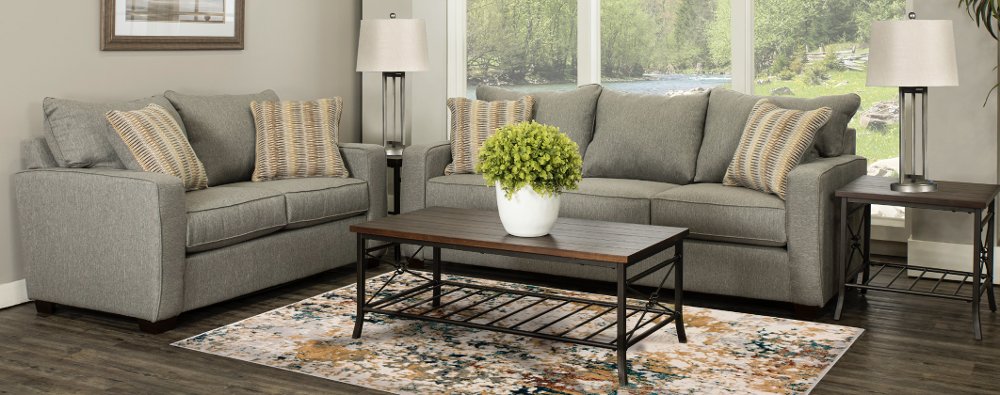
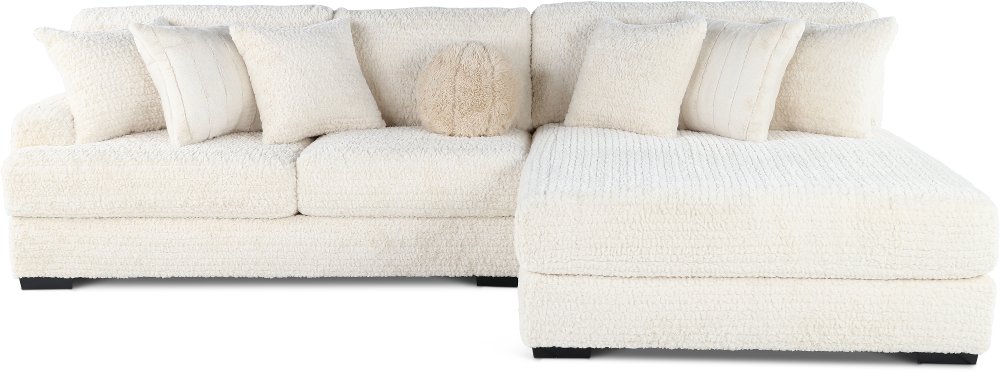
Living room ideas for bachelors bring together comfortable seating, useful storage, and a sense of personal style that feels at home rather than staged. The best bachelor living room furniture supports the way you actually spend your time, whether that means stretching out for a movie, having friends over for a game, or settling into a favorite chair with a book. A charcoal, navy, or warm brown palette can give the room depth, while cream upholstery, lighter wood, and a few colorful accents keep the overall look balanced. Dark colors are one option, not a requirement; a bright apartment with natural oak tones and soft gray seating can feel just as sophisticated. Modern furniture often emphasizes clean lines and simple profiles, industrial styles pair wood with visible metal details, and mid-century silhouettes bring tapered legs and gently rounded shapes into the mix. A leather sofa can serve as a strong visual anchor, while a textured fabric sofa offers a softer, more relaxed impression. Warm wood tables, woven rugs, and upholstered accent chairs add contrast so the room has more character than a matching collection of dark surfaces. Repeating an accent color across a pillow, artwork, and another accessory helps separate pieces feel connected without making everything identical. Rounded furniture can also soften a room with angular shelving, square windows, or exposed architectural details. A circular coffee table beside a straight-lined sofa creates that balance while giving the seating area a comfortable center. For spaces that lean toward uncluttered shapes and streamlined furnishings, Modern Living Room Ideas offers a complementary direction. Your hobbies can shape the finishing touches, too. Large-scale photography, a framed concert poster, or a thoughtfully displayed collection gives the room personality, especially when the furniture leaves enough breathing room for those details to stand out.
Seating deserves particular attention because it influences both everyday comfort and the room’s layout. A compact sofa paired with an accent chair can make an apartment feel welcoming while allowing more flexibility than a large sectional. In a wider room, a sectional can define the lounging area and give guests room to settle in. Modular seating may offer additional layout options, depending on how its components connect, while a chaise provides space to stretch out without adding a separate ottoman. Fit includes more than the width of an empty wall. Doorways, stairways, elevators, and tight hallway turns all affect whether furniture can reach its intended spot. Inside the room, space for walking, opening drawers, and extending a recliner matters just as much. About 14 to 18 inches between a sofa and coffee table is a common starting point, with adjustments for legroom and the way you move through the space. Seat depth and cushion feel also deserve a closer look: deep seating suits lounging, while a more upright seat can feel better for conversation or reading. Upholstery should match your routines. Genuine leather often develops character with use, though its finish determines how readily it shows scratches, marks, or changes in color. Fabric provides a broad range of textures, and tightly woven upholstery can be a practical choice for frequent use. Performance fabrics may offer added stain resistance, but their features and care requirements vary. Manufacturer-approved cleaning methods help protect either material; leather benefits from appropriate care products, and fabric typically needs regular vacuuming and prompt attention to spills. Pet owners may prefer smoother weaves over loosely looped textures that can catch claws. Durability also depends on frame construction, cushion support, joinery, and how the furniture is used. A comfortable place for daily lounging should feel steady and supportive, with upholstery and finishes suited to the amount of activity your living room sees.
Tables, storage, lighting, and rugs turn a seating arrangement into a living room that works throughout the day. A coffee table provides a convenient surface for a drink or a board game, while a side table beside your usual seat keeps a phone, book, or remote within easy reach. Rounded edges can make narrow walkways feel more comfortable, and nesting tables offer extra surfaces that tuck together after guests leave. Solid wood brings natural grain and can develop small signs of wear over time; wood veneers provide a real-wood surface over a supporting material and benefit from protection against moisture and heat. Metal introduces an industrial note, while glass adds visual lightness and shows fingerprints more readily. Coasters and suitable cleaning products help preserve these finishes. A media console with enclosed compartments keeps gaming accessories and everyday clutter organized, while open shelves can display books or favorite objects. Electronics need ventilation and access for cables, so the storage layout should suit the equipment as well as the room. If the living area doubles as a workspace, a compact desk or console can create a dedicated place for a laptop without making the sofa handle every task. Lighting adds another layer of function. A floor lamp supports reading beside a chair, a table lamp brings a softer glow to an end table, and compatible dimmable lighting allows a different setting for conversation or a movie. An area rug helps connect the furniture visually, especially when it’s large enough to reach beneath the front legs of the main seating pieces. Wool offers natural texture and resilience, while many synthetic rugs provide straightforward maintenance; the right choice depends on traffic, pets, and the care instructions. A compatible rug pad improves stability and protects the floor. For a housewarming gift, a throw, decorative pillow, or framed print can be a thoughtful addition when it reflects the recipient’s taste. Together, these furnishings create a bachelor living room that feels personal, comfortable, and ready for everyday life.
Read More