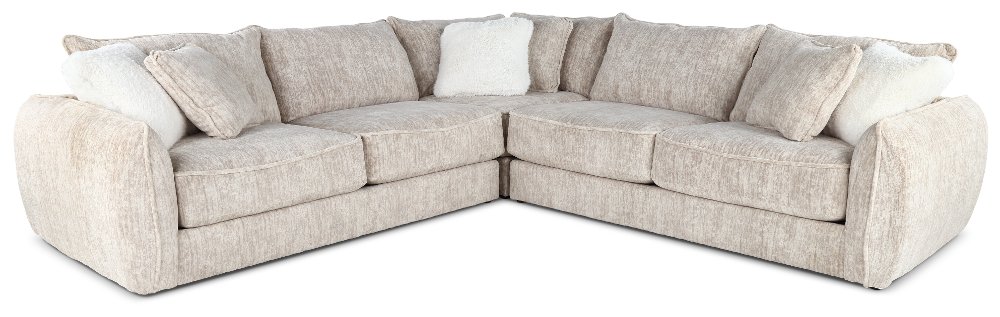
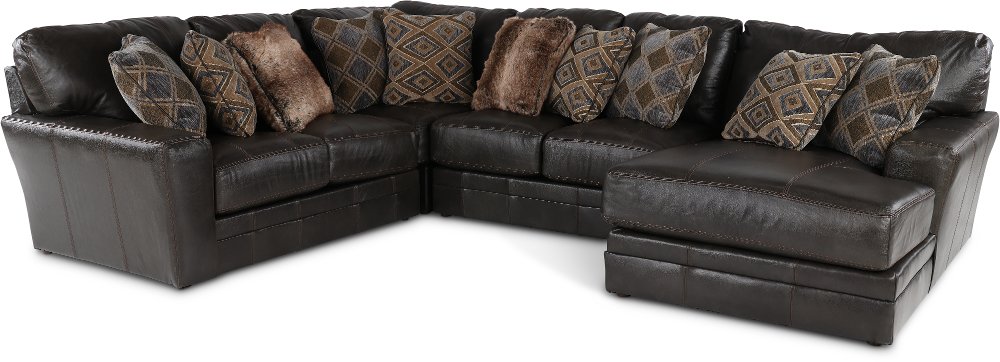
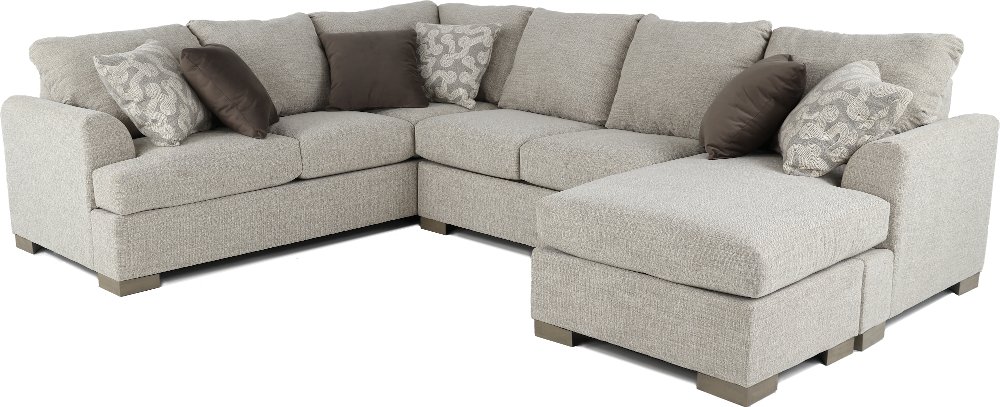
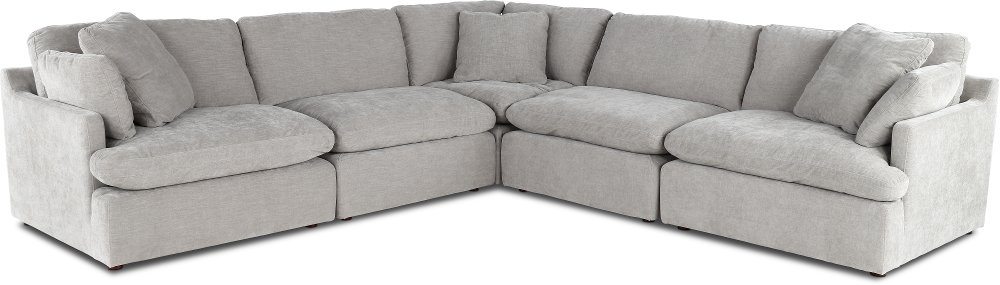
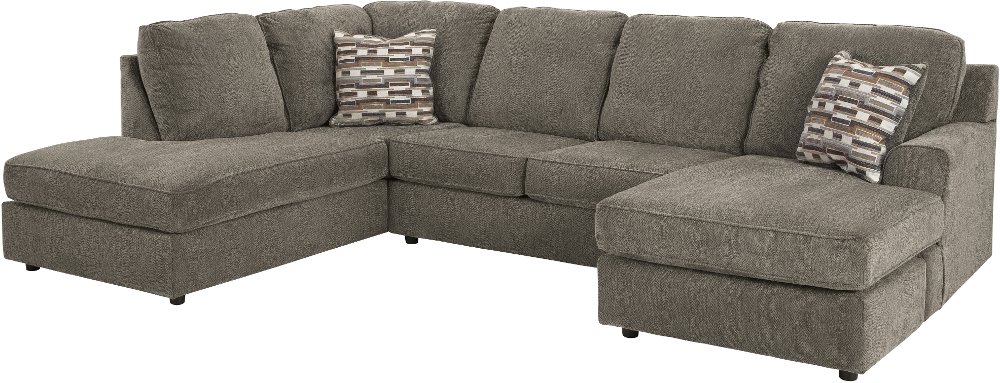
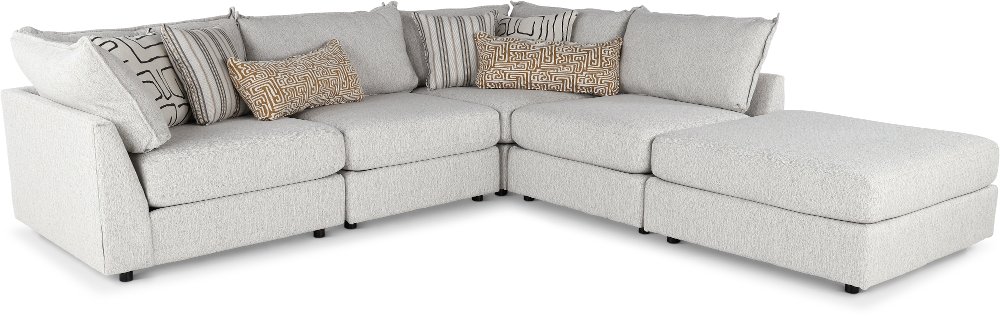
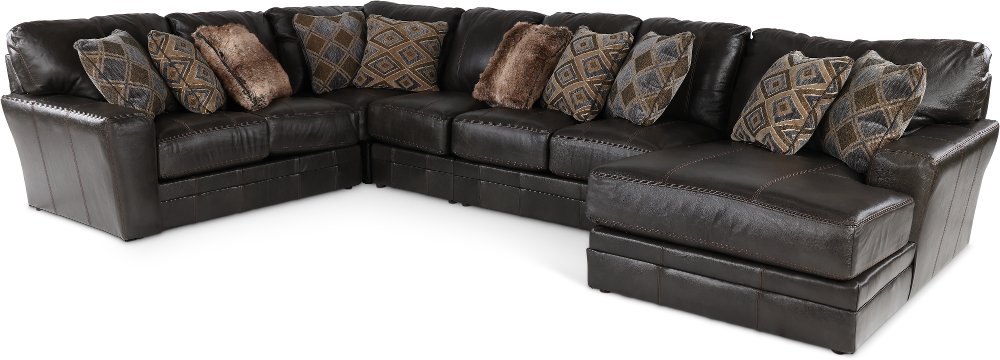
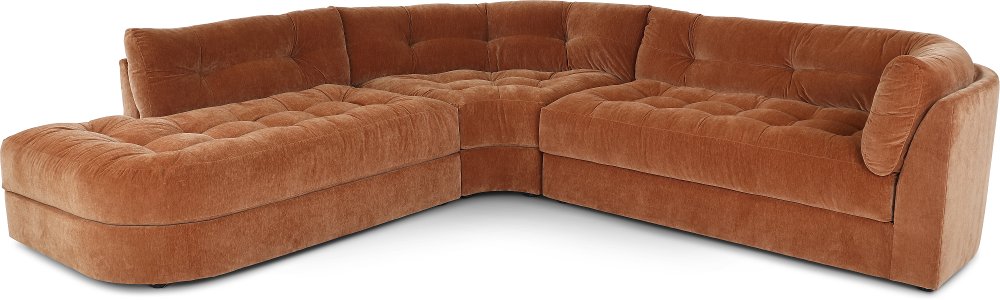
Living room sectionals for Labor Day bring comfortable, connected seating to the spaces where everyday life happens, from a quiet evening with a book to a full house gathered for the big game. A sectional combines adjoining seating pieces into one arrangement, creating room to stretch out or sit together without lining every wall with separate chairs. The right shape depends on how you use your living room. An L-shaped sectional can define a conversation area in an open floor plan, while a chaise sectional gives one person a place to put their feet up without adding a separate footrest. U-shaped layouts suit larger rooms where several people want to face one another, and modular sectionals offer flexibility when their individual pieces are designed to reconnect in different configurations. For an apartment, a smaller sectional with slim arms can preserve more usable seating within a modest footprint. In a busy family room, a broader layout can give children, adults, and overnight visitors comfortable places to settle in throughout the day. Seat depth makes a noticeable difference: Deeper cushions invite lounging, while shallower seats can make sitting upright and standing up feel easier. Taller family members may appreciate extra depth, but someone whose feet barely reach the floor may prefer a more supportive, upright position. Back height, arm shape, and cushion firmness matter just as much as overall size. A low-profile silhouette keeps sightlines open, while a taller back can offer more support for relaxed evenings. Reclining sectionals add another way to unwind, with manual or powered mechanisms depending on the design. Sleeper sectionals can serve double duty when a living room also needs to welcome guests, provided there’s enough floor space to open the bed fully. Labor Day is a natural occasion to rethink that central gathering spot, but a well-chosen sectional earns its place through ordinary mornings, shared weekends, and the cooler months spent enjoying home.
A sectional should fit both the room and the route it takes to get there. Overall width and depth tell only part of the story; the chaise projection, corner section, and any reclining movement also affect how much space the arrangement needs. A layout that looks comfortable on paper can feel crowded if it interrupts the path between the front door and the kitchen. Painter’s tape on the floor helps make those dimensions tangible, especially around a coffee table, doorway, fireplace hearth, or floor vent. Leave comfortable walking space along the routes people use most, and allow enough room to sit down without squeezing sideways past another piece of furniture. Chaise orientation deserves particular attention because left-facing and right-facing descriptions can be easy to misread. Confirm the configuration shown in the measurements or diagram rather than relying on the name alone. A reversible chaise can provide useful flexibility, but not every chaise sectional changes sides. Likewise, modular construction doesn’t automatically mean every piece works in every position; connectors, finished sides, and designated corner units determine the possible arrangements. Delivery access matters in older homes, upstairs apartments, and rooms reached through narrow hallways. Compare the dimensions of the individual sections with door openings, stair turns, elevator interiors, and any tight approach to the room. For reclining designs, check the required clearance behind and in front of the seats, and consider access to an outlet if the mechanism uses power. The visual fit is worth considering, too. Raised legs and narrower arms can give a smaller room a more open feel, while substantial arms and a lower base create a grounded look in a spacious gathering area. Soft neutrals make it easy to change pillows and throws as the seasons shift; deeper colors can create a cozy focal point without requiring a room full of pattern. When the refresh extends beyond seating, the Furniture For Home For Labor Day collection offers a broader starting point for coordinating spaces while keeping each room’s purpose in focus.
Upholstery and construction shape how a living room sectional feels on the first evening and how it handles the years that follow. Woven fabrics offer a wide range of textures, from smooth, closely woven surfaces to nubby finishes that add dimension to a simple room. Soft microfiber can feel inviting for everyday lounging, while textured upholstery can bring warmth to a large seating arrangement. In a home with pets, consider how a fabric’s weave might respond to claws and how clearly its color will show shed hair. No upholstery is completely pet-proof, and loosely looped textures may be more vulnerable to snagging. Performance fabrics may offer stain resistance or easier cleaning, but those benefits vary by material and treatment, so the stated care instructions matter more than the category name. Leather has its own appeal, with a surface that can develop character through use; its resistance to spills, scratching, and fading depends on the leather type and finish. Keep upholstered seating away from prolonged direct sunlight and concentrated heat when possible, and use only cleaners appropriate for the material. Routine care is usually simpler than a major cleanup: Vacuum crevices with a suitable attachment, blot spills promptly instead of rubbing, and rotate or flip cushions only when their design allows it. Removable cushion covers aren’t necessarily machine washable. Beneath the upholstery, frame construction, reinforced joints, seat suspension, and cushion materials all contribute to durability and comfort. Foam cushions often provide a more defined shape, while fiber or feather blends can create a softer feel that may need regular fluffing. Removable cushions can make routine maintenance easier, and secure sectional connectors help keep adjoining pieces aligned during daily use. For households that gather often, supportive seats and an easy-care surface may matter more than an especially plush first impression. For a quieter sitting room, texture, silhouette, and a comfortable reading corner may lead the decision. The most satisfying Labor Day sectional choice brings those priorities together: a shape that respects your floor plan, materials suited to your household, and comfortable seating for the ways you genuinely spend time at home.
Read More