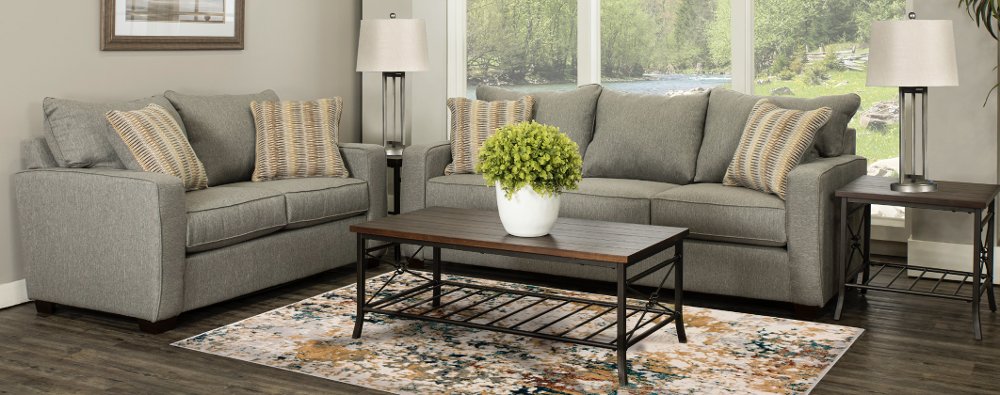
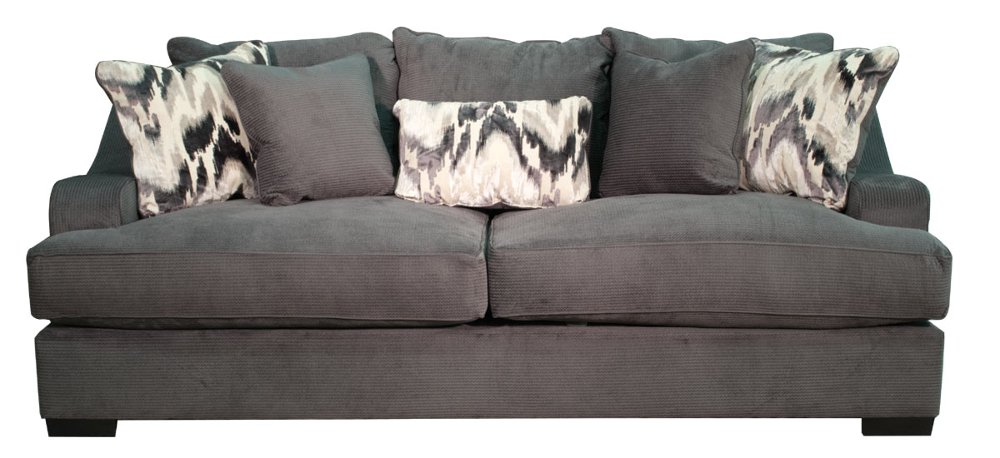
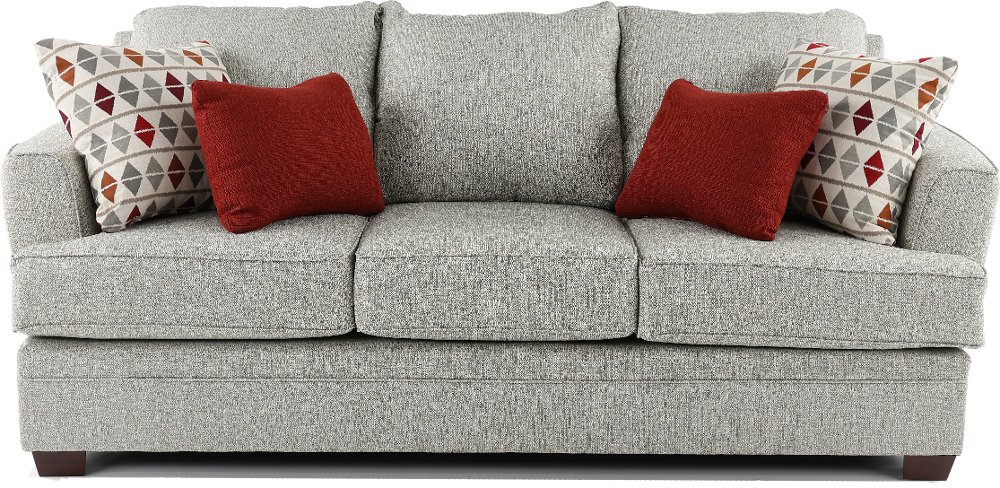
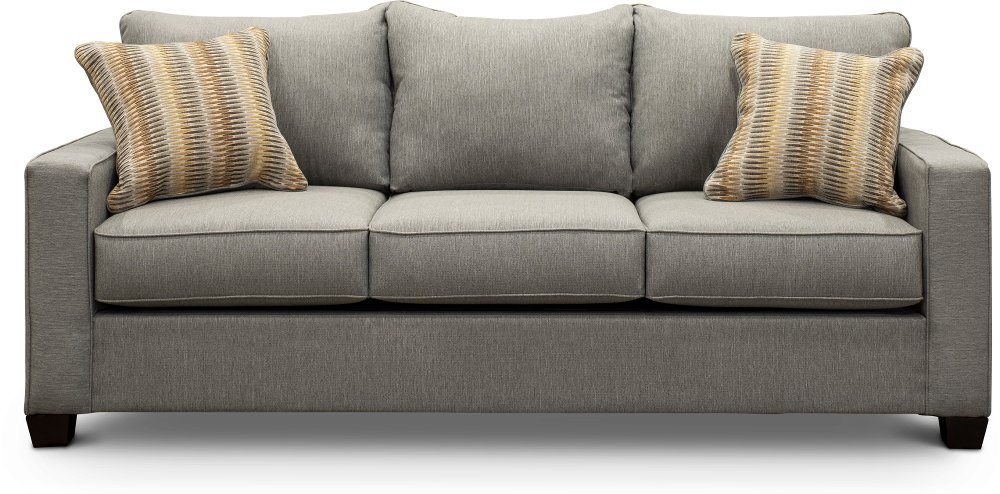
Living room sets with a sofa bed combine everyday seating with a place for overnight guests to sleep, bringing two useful roles into one coordinated space. A set typically pairs a sleeper sofa or convertible couch with companion furniture, such as a loveseat, chair, or ottoman. The exact combination varies, so the listed components matter more than the piece count alone. A two-piece arrangement might include a sleeper and an armchair, while a larger grouping may add another seat or a place to put your feet up. This coordinated approach helps a living room feel pulled together without making the guest bed the focus of the room. By day, there’s space to stretch out with a book, catch up with friends, or share a movie. At bedtime, the main seating piece converts into a sleeping surface. That flexibility makes sleeper sofa sets especially useful in apartments, condos, smaller homes, and multipurpose rooms without a dedicated guest bedroom. They also suit households that regularly welcome visiting relatives or friends staying overnight. Different mechanisms create different sleeping experiences: a traditional pull-out sofa typically conceals a separate mattress inside the frame, while a convertible sofa may use its seat and back cushions to form the bed. Some sectional sleepers extend into a larger sleeping surface through a pull-out or pop-up section. These designs don’t all use the same bedding or offer the same dimensions, even when their descriptions sound similar. A full- or queen-size designation provides a starting point, but the actual sleeping measurements give a clearer picture of usable space. For occasional visits, an easy conversion and comfortable surface can make hosting simpler. For frequent overnight use, mattress support, sleeping length, and a mechanism that’s manageable to operate deserve closer attention. The best fit is a set that feels comfortable and looks at home during daily use, with a bed that suits the people who’ll sleep on it.
Room fit includes more than the sofa’s width against a wall. Living room furniture with a sleeper needs space for sitting, walking, and opening the bed, along with a practical route from the doorway to the final placement. Overall depth, arm width, back height, and the dimensions of any companion pieces all affect how much room the arrangement occupies. A sofa with broad arms can take up more floor space than a slimmer design without providing a wider mattress. In a narrow apartment living room, a sleeper paired with one chair may leave a more comfortable walkway than a sofa-and-loveseat combination. In a larger shared space, a sectional sleeper can define the seating area while keeping conversation close. Chaise orientation matters, too; a left-facing or right-facing extension can determine whether the furniture works beside a doorway or blocks the route through the room. Because orientation descriptions can differ, a layout diagram is often more helpful than the label alone. With a pull-out bed, the open length needs to accommodate the extended frame and enough clearance for guests to get in and out. Convertible backs may also need room behind the sofa. A coffee table that moves easily or an ottoman that can sit off to the side makes the transition less disruptive. Where included, storage inside a chaise or ottoman can keep bedding nearby, though its interior measurements determine whether bulky pillows will fit. Companion seating should support the way the room gets used rather than simply fill an empty corner. A chair angled toward the sofa creates a natural conversation spot, while a loveseat adds shared seating for a household that gathers together often. For layouts centered on separate seats, Living Room Furniture Chair Sets offer another coordinated seating approach. Whether the arrangement is compact or generous, keeping an accessible path to an outlet, a lamp, and a spot for a glass of water helps the same room feel welcoming when it becomes a guest space.
Materials and construction influence how a sofa bed set feels, how it wears, and how much care it needs. Woven upholstery can add subtle texture and soften the look of a coordinated group, while chenille brings a plush surface that may show changes in nap as it’s brushed or touched. Polyester blends are common in upholstered seating, but fiber content alone doesn’t establish stain resistance or durability. Performance fabric features vary, so any claims about liquid resistance, cleaning methods, or wear should come from the furniture’s care information. For a home with pets, a tighter weave may be less inviting to claws than a loose, looped texture, although no upholstery is scratchproof. Leather and faux leather create a different feel and have different maintenance needs; faux leather isn’t simply a lower-care version of genuine leather, and each should be cleaned according to its own instructions. Medium tones and textured patterns can make everyday lint or small marks less noticeable, while lighter solids create an airy look that may call for more frequent attention. Beneath the upholstery, frame construction, joints, cushion support, and the sleeper mechanism all contribute to long-term performance. Daily sitting comfort matters just as much as the hidden bed: seat depth should suit the people using the room, and a supportive cushion can make getting up easier than an especially deep, soft seat. Sleeper mattresses may use innersprings, foam, or memory foam, with comfort depending on thickness, construction, the supporting deck, and personal preference. A mattress that works for an occasional overnight stay may not suit someone sleeping there regularly. Replacement mattresses must meet the mechanism’s size and thickness requirements so the sofa can close properly. Routine care helps preserve both functions. Vacuuming upholstery with an appropriate attachment removes crumbs and grit, while prompt blotting and care-code-approved cleaning help address spills without spreading them. Rotating reversible cushions, when permitted, can encourage more even wear. Before converting the sofa, clearing bedding and loose objects from moving parts helps protect the mechanism and fabric. With suitable proportions, thoughtful materials, and comfortable seating, a living room set with a sofa bed can make everyday relaxing and overnight hosting feel equally considered.
Read More