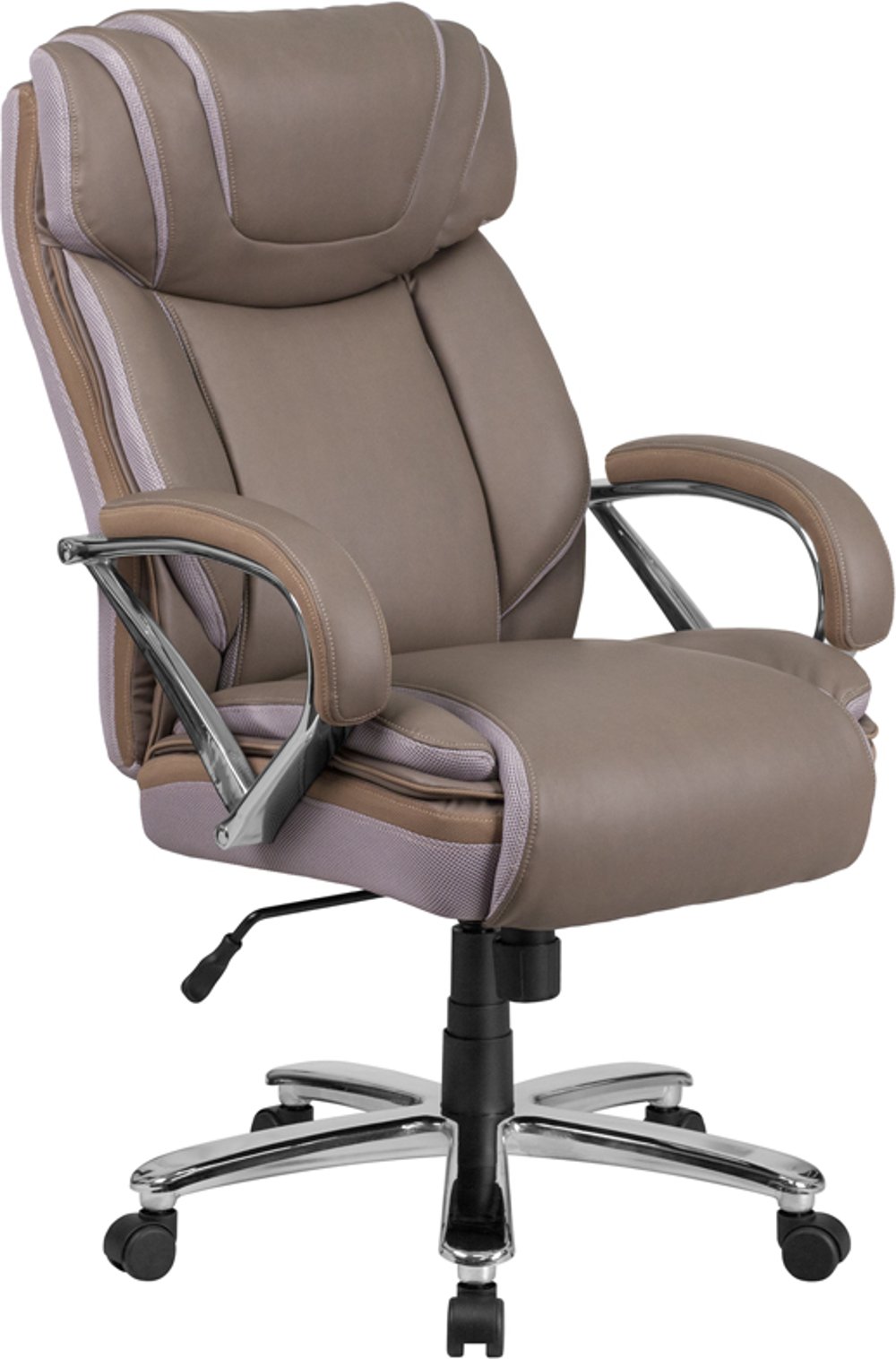
Lumbar support desk chairs are designed to make long hours at a desk feel more comfortable by supporting the natural curve of the lower back. Whether you work from home, attend online classes, manage household tasks, or spend evenings gaming and browsing, the right chair can help create a more supportive place to sit. Lumbar support may come from a built-in curve, a padded cushion, or an adjustable support panel that moves up, down, forward, or backward. Adjustable lumbar support is especially useful because everyone’s proportions and sitting preferences are different. A taller person may need the support positioned higher, while someone with a shorter torso may prefer it closer to the middle of the chair back. Look for a chair that lets you sit with your back comfortably supported rather than leaning forward into your desk. Seat height matters, too. When your feet rest flat on the floor, your knees sit comfortably near a right angle, and your thighs receive even support from the seat, you can settle into a more balanced posture. A seat with adjustable height makes it easier to pair the chair with desks of different heights, while adjustable seat depth can provide a closer fit for your legs. Armrests may also help take pressure off your shoulders, particularly when they support your arms while you type or use a mouse. For a complete workspace, pair your chair with a desk that fits your routine, such as the selection of Ergonomic Office Desks available for work, study, and everyday home use.
Material and movement are important considerations when choosing among lumbar support desk chairs. Mesh backs allow air to circulate, which can feel refreshing during long work sessions or in a warm room. Upholstered backs and cushioned seats offer a softer, more substantial feel and may be a comfortable choice for people who prefer a traditional office chair. Some chairs combine breathable mesh with a padded seat for a balance of airflow and cushioning. Consider how the chair feels after more than a few minutes of sitting; a seat that seems comfortable at first should also provide consistent support through a full workday, study block, or creative session. A tilt mechanism can let you recline slightly and shift your weight instead of holding one position for hours. A chair with tension control lets you adjust how easily it reclines, while a tilt lock can keep the backrest at a preferred angle. Casters and a swiveling base make it easier to reach nearby items without twisting your body or repeatedly standing up. A sturdy base and smooth-rolling wheels are helpful on both carpet and hard flooring, although a floor mat can protect delicate surfaces and make movement easier. Pay attention to the chair’s weight capacity, overall dimensions, seat width, and back height so the fit works well with your body and available space. Small details can make a noticeable difference: a waterfall-style seat edge may reduce pressure behind the knees, a headrest can provide extra support during reclining, and a generously padded seat can be appealing for extended sitting. Even the best lumbar support desk chair works best when paired with healthy movement. Stand to stretch, adjust your screen so you can look ahead comfortably, and change positions throughout the day rather than treating any chair as a replacement for regular breaks.
A lumbar support desk chair can be a practical addition to a home office, student workspace, sewing room, craft area, or shared family computer station. It may also make a thoughtful gift for a college student setting up a study corner, a remote worker refining a home office, or a loved one who spends time handling bills, planning schedules, and connecting with family online. During the cooler months, when more time may be spent indoors, a comfortable desk chair can help turn an unused corner into a welcoming place for focused work, quiet reading, or personal projects. Measure the space before ordering, including clearance beneath the desk and room behind the chair for reclining. If several people will use the same workspace, prioritize easy height adjustment and a neutral, flexible design that can accommodate different users. For someone who works at a computer every day, features such as adjustable lumbar support, seat height, seat depth, armrests, and recline tension may be worth prioritizing over decorative details. For occasional use, a simpler chair with a supportive back, comfortable seat, and durable base may meet the need without taking up extra space. Think about the way the chair will be used from morning through evening: a student may need a breathable back for long study sessions, a video-call user may appreciate a clean silhouette and adjustable arms, and a hobbyist may value easy movement around a worktable. The best fit is the chair that supports your posture, matches your room, and feels natural to use. Explore lumbar support desk chairs in a range of materials, sizes, features, and price points to create a workspace that feels more comfortable, capable, and ready for the everyday moments that happen there.
Read More