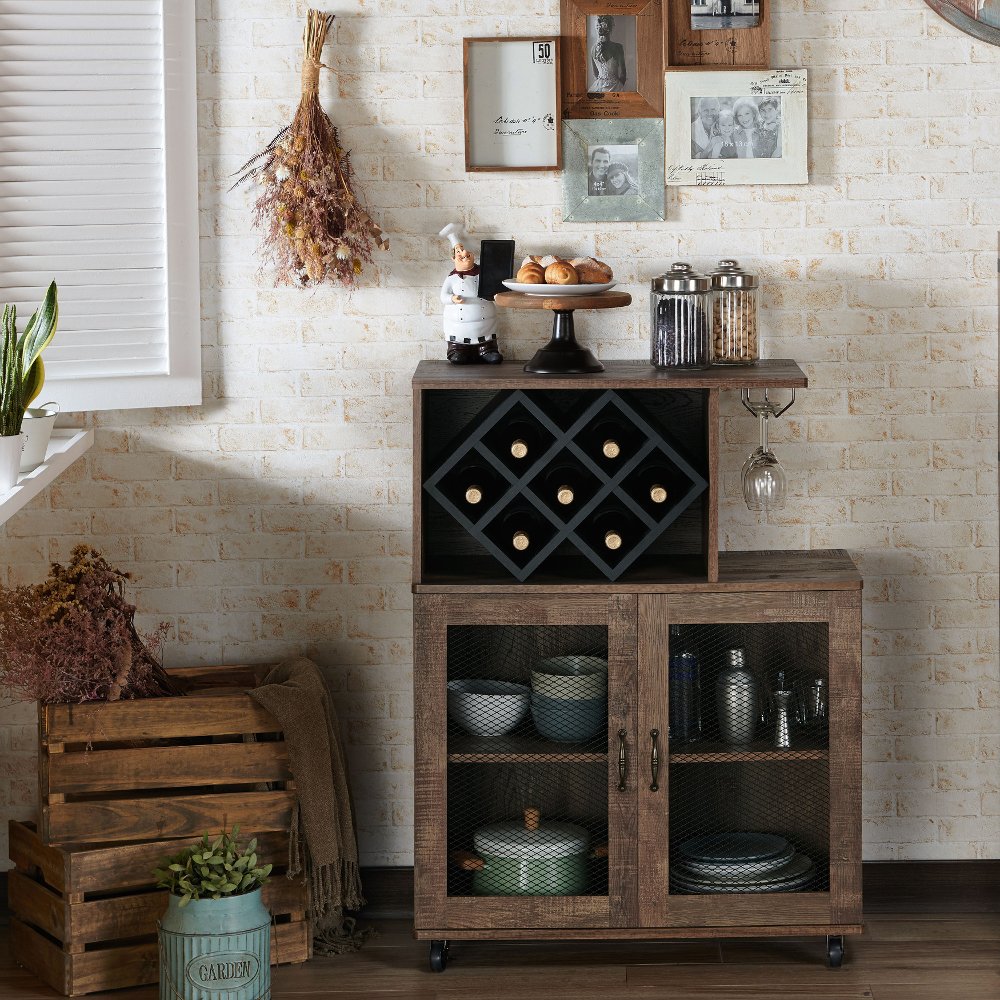
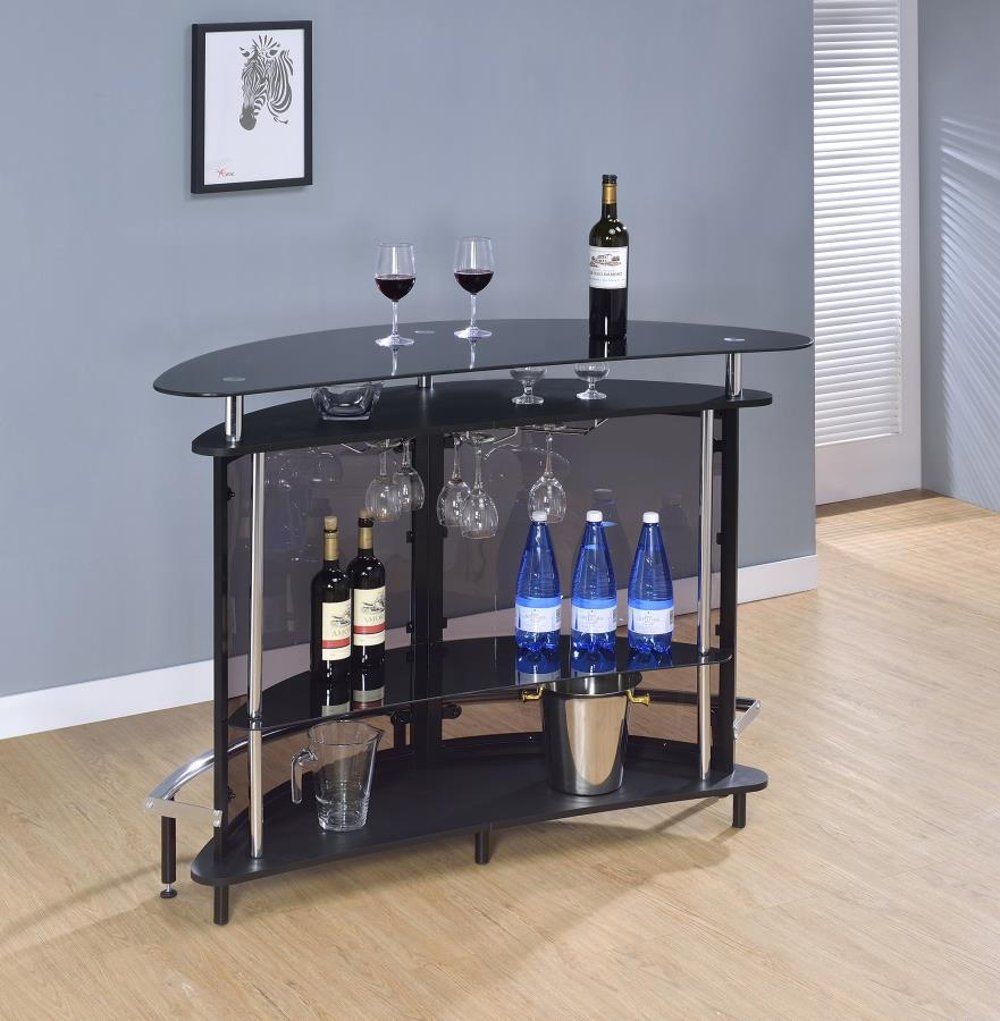
Metal bar carts bring storage, serving space, and a finished look to the places where people gather. Built around a metal frame, these versatile pieces typically combine open shelves with wheels, making it easier to keep beverages, glassware, and entertaining essentials together. They’re a natural fit beside a dining table, along a living room wall, or in a kitchen nook that needs useful storage without the visual weight of a cabinet. The frame gives each cart much of its character: slim metal rails can feel light and refined, while thicker tubing and exposed hardware create a more substantial, workshop-inspired look. Black metal bar carts offer a crisp outline against pale walls and warm wood floors. Gold-tone and brass-tone finishes add warmth, while chrome and polished stainless steel surfaces catch the light for a brighter effect. Those color descriptions don’t necessarily identify the underlying metal, so material details matter when comparing construction and care needs. Steel and iron frames are common, often paired with glass, wood, engineered wood, or metal shelves. Clear glass keeps the silhouette airy and lets patterned wallpaper or a favorite rug remain part of the scene. Mirrored shelves reflect glassware and surrounding light, while wood surfaces soften the metal frame with grain and texture. For a more rugged mix of metal structure and wood accents, Industrial Bar Carts offer a related style that works comfortably with leather seating, brick, and simple upholstered furniture. A cart doesn’t have to match every finish in the room to feel at home. Repeating one detail, such as the black on a nearby lamp or the warm tone of cabinet hardware, can make the placement feel intentional. Beyond cocktail service, a metal serving cart can hold sparkling water, mugs, tea supplies, or a pitcher of lemonade. Its best role is the one that fits your everyday routines, whether that means keeping dinner-party essentials close or giving a small apartment a dedicated spot for refreshments.
The right fit depends on both the space a cart occupies and the way you’ll use its shelves. Overall width, depth, and height help establish where it belongs, but handles, projecting wheels, and bottle racks can affect clearance, too. A narrow cart may tuck neatly beside a sideboard yet need more room when you turn it toward the table. Leave comfortable walking space around its parked position, especially near dining chairs, doorways, and kitchen work areas. If you expect to roll the cart between rooms, consider the full route, including rugs, thresholds, and tight corners. Casters make repositioning easier, but wheel size, floor texture, and the weight of the contents influence how smoothly a loaded cart moves. Locking casters, when included, help keep it in place during serving; they aren’t a substitute for a level surface or careful placement. Shelf spacing deserves equal attention. Tall bottles and a water carafe need more vertical clearance than tumblers, while a handled tray needs enough room to slide out without catching the frame. Two-tier metal bar carts often provide an open upper surface for serving and a lower shelf for supplies. Three-tier designs can organize more categories within a similar footprint, though the spaces between shelves may be shorter. Built-in stemware racks free up shelf space, provided the tracks accommodate the bases of your glasses and leave enough clearance for their bowls. Dedicated wine racks can help separate bottles and limit rolling, but bottle shape and rack dimensions still need to work together. Keep opened bottles upright with secure closures rather than laying them in horizontal storage. Raised shelf edges and guardrails add a useful barrier, though they won’t secure loose glassware during movement. Weight capacity varies by construction, and individual shelves may have different limits. Check both the total capacity and the per-shelf rating, then place heavier bottles and accessories low and distribute their weight evenly.
Durability comes from the entire cart, not just the presence of a metal frame. Secure joints, well-supported shelves, firmly attached handles, and properly fitted casters all contribute to a steady piece of furniture. Powder-coated metal provides a protective finish, but scratches and chipped edges can expose the material beneath to moisture. Plated and polished surfaces also benefit from gentle treatment, particularly where bottles, trays, and utensils make frequent contact. Glass shelves offer an easy-to-see surface for spotting spills, although fingerprints and water marks can show readily. Tempered glass, when specified, is designed to break differently from ordinary glass, but it still needs protection from hard impacts and damaged edges. Wood and engineered wood shelves bring warmth to the design and need prompt cleanup when condensation or splashes collect. For routine care, follow the manufacturer’s directions, use a soft cloth, and dry surfaces after wiping them. Abrasive scrubbers and harsh cleaners can damage finishes, so avoid assuming that a cleaner suitable for one shelf material is safe for the frame. Coasters and a washable tray help contain drips, particularly beneath chilled bottles or a frequently used carafe. Unless a cart is specifically rated for outdoor use, keep it indoors rather than treating its metal construction as proof of weather resistance. A little restraint in styling also makes daily use easier. Leave an open area on top for pouring and setting down glasses, gather small tools in a container, and keep spare napkins away from wet surfaces. Before moving the cart, secure bottles, remove unstable pieces, and take extra care around changes in floor height. In homes with children or pets, store alcohol, sharp tools, and fragile accessories securely elsewhere when needed. For newlyweds, new homeowners, or someone who enjoys hosting, a metal bar cart can be a thoughtful gift when its size and style suit the recipient’s space. From a quiet evening with tea to a full room of dinner guests, it creates a convenient serving spot that can shift with the occasion.
Read More