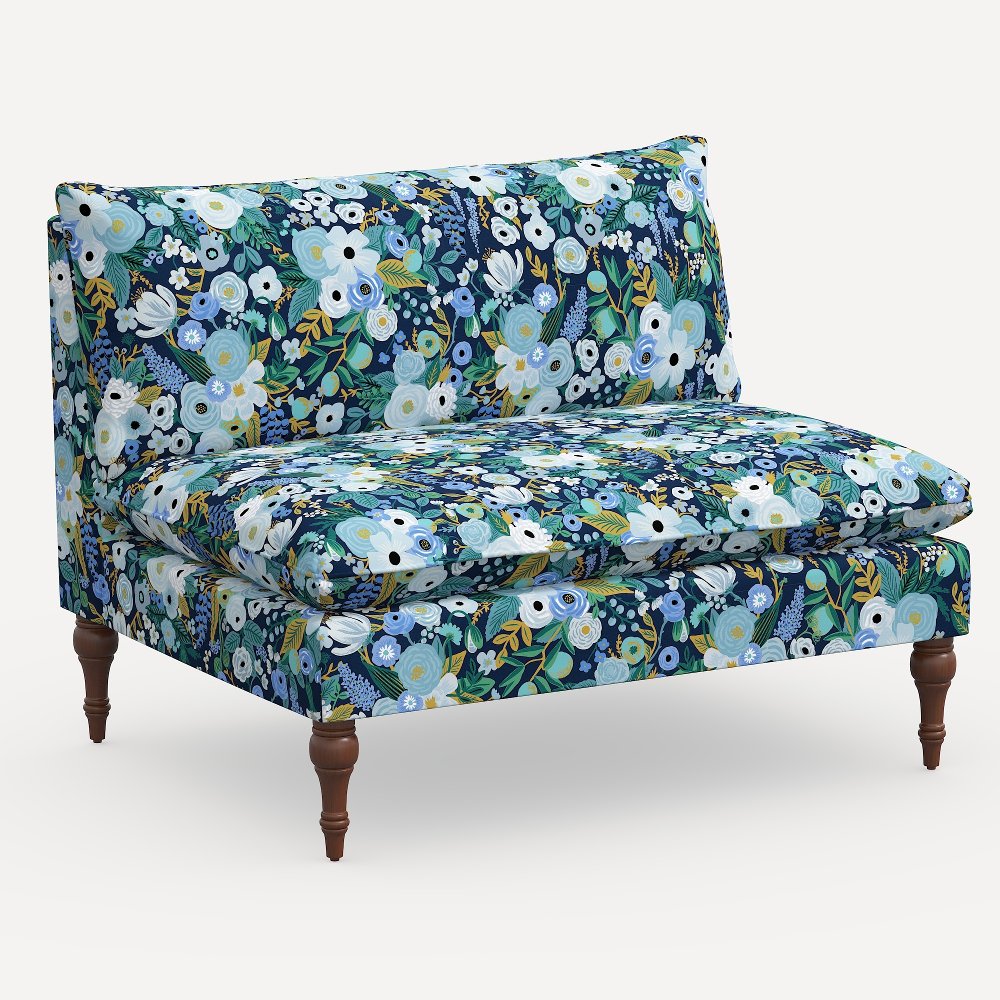
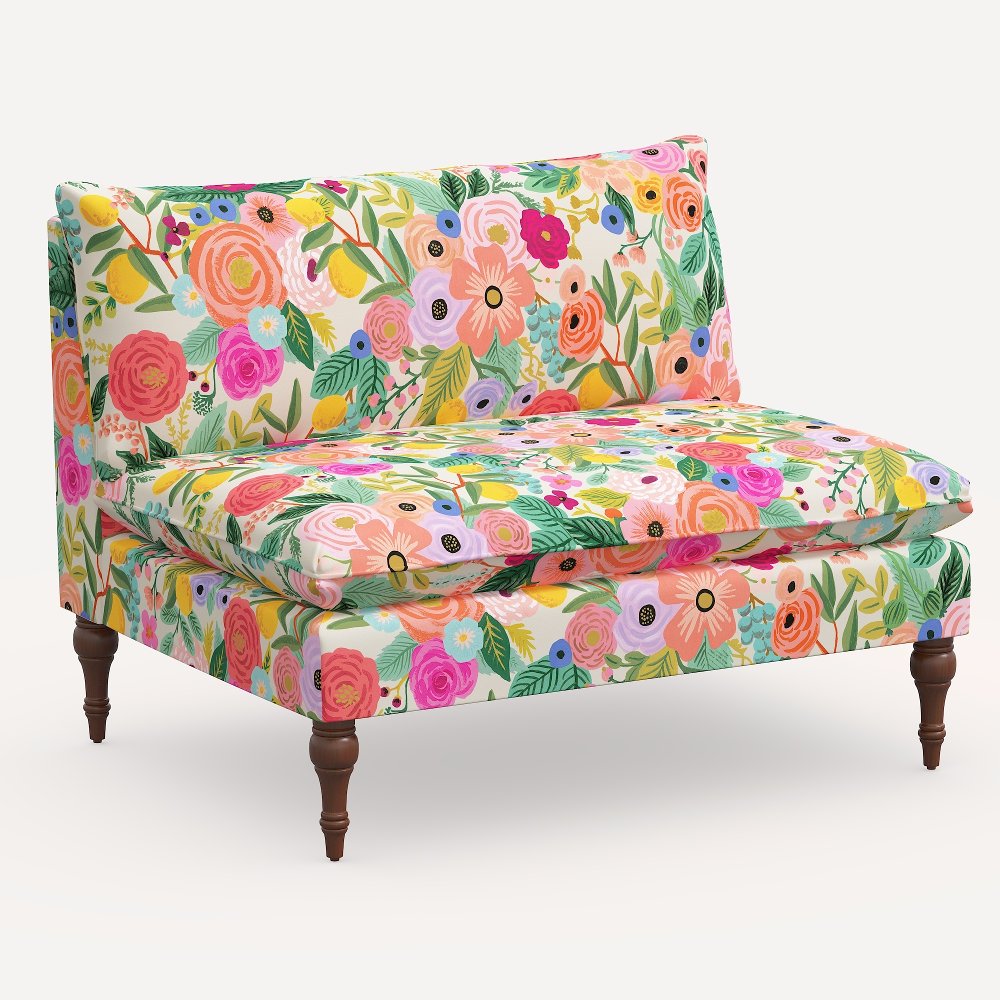
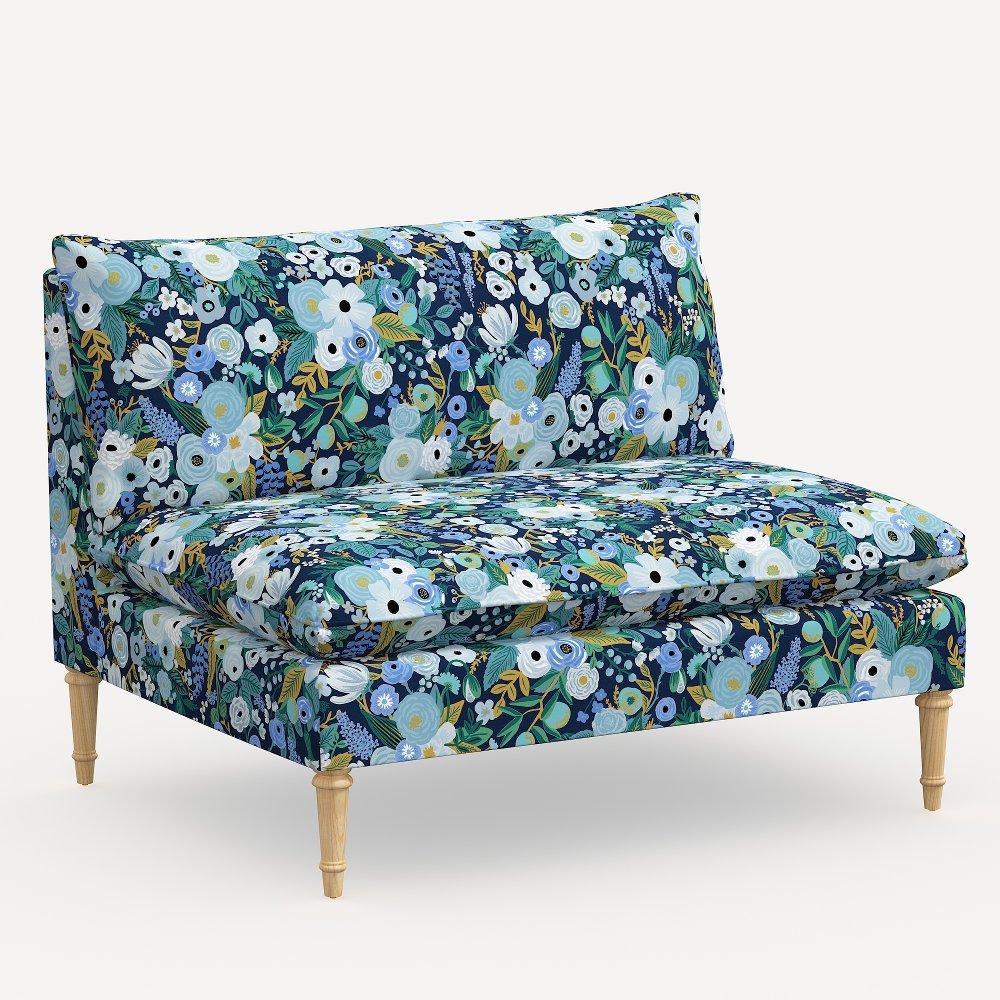
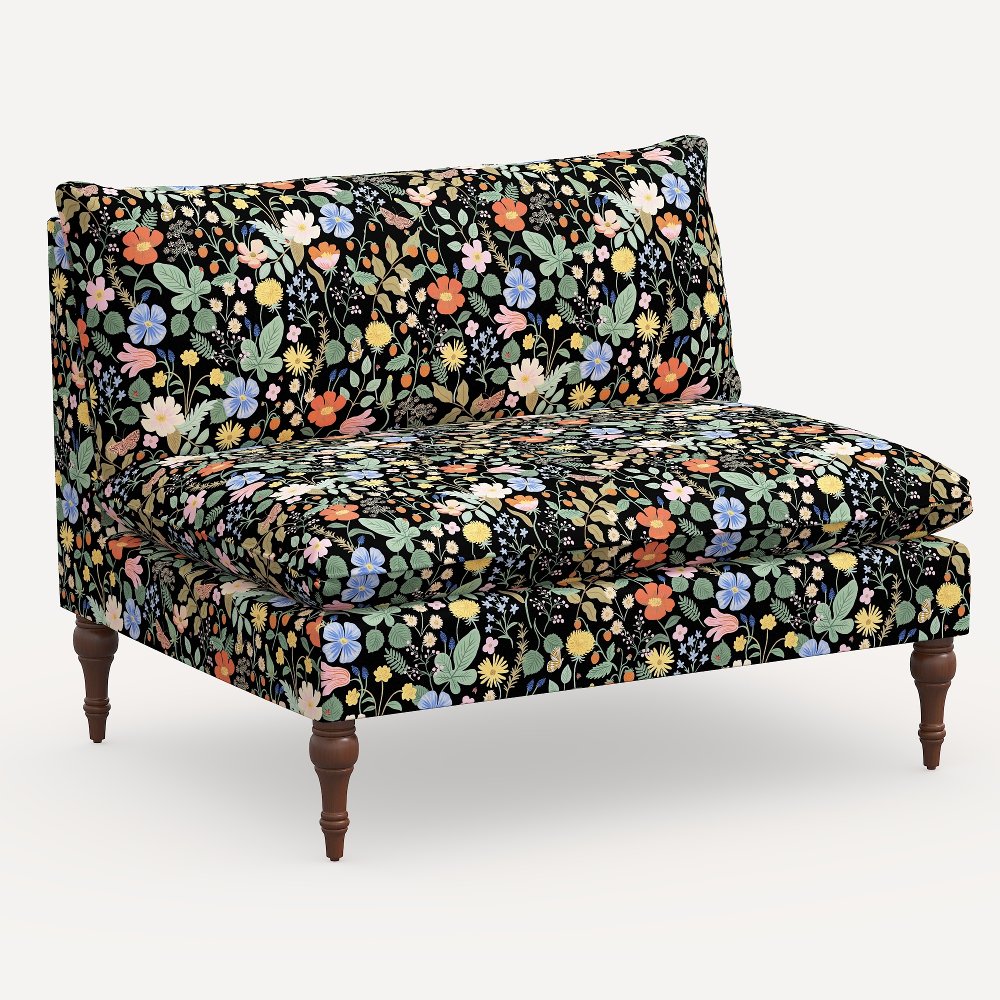
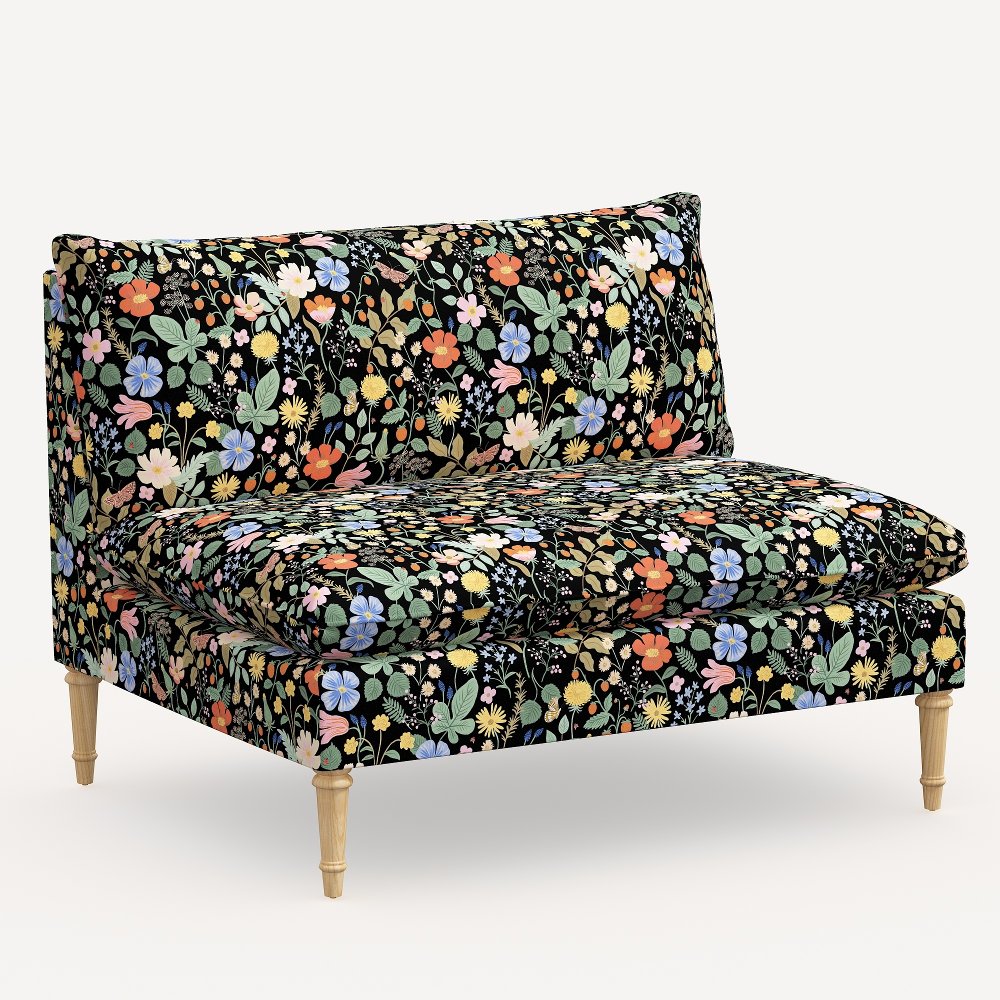
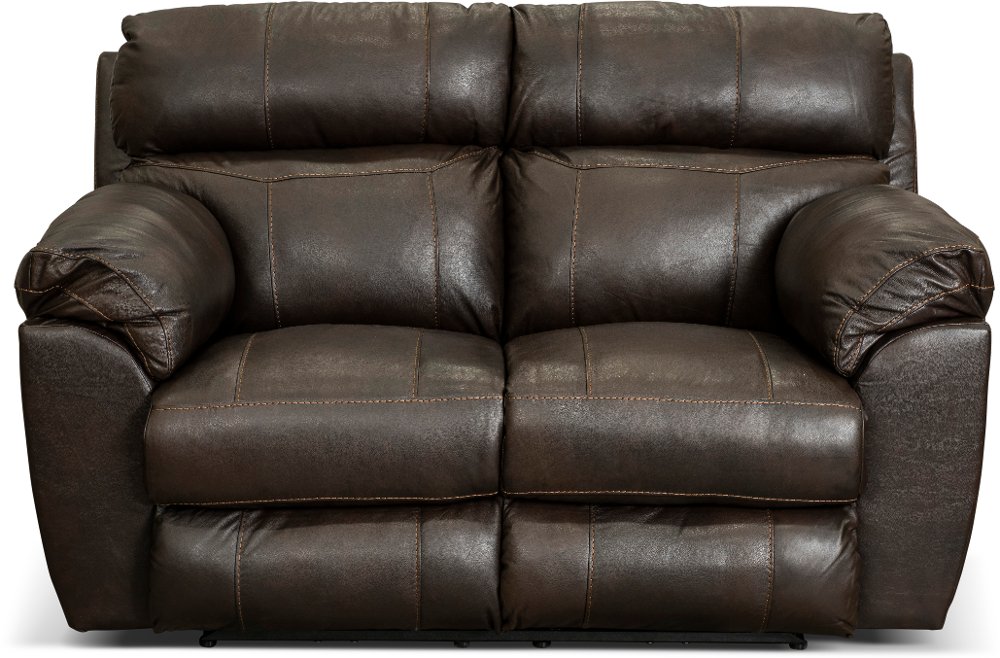
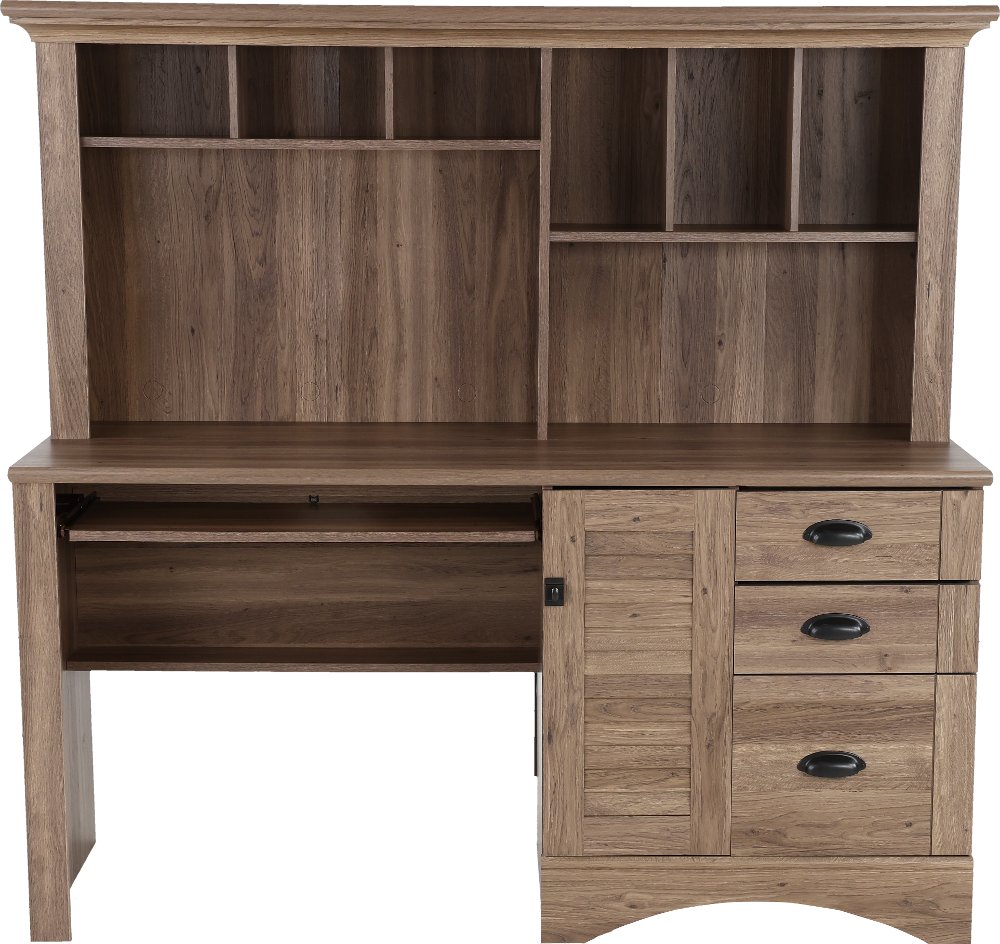
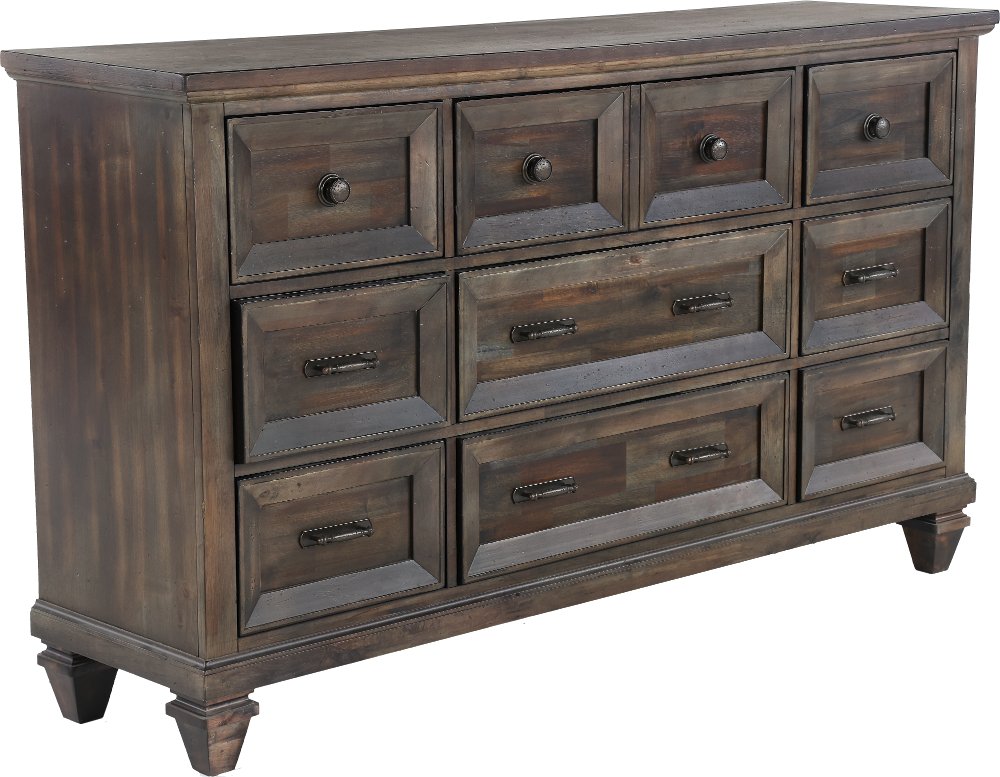
No-assembly furniture comes with its main structure already built, so you can furnish a room without putting together a frame, attaching panels, or sorting through bags of hardware. Fully assembled furniture is one common form; other designs simply unfold or expand after unpacking. The appeal is straightforward: less setup between delivery day and a comfortable, useful space. An assembled accent chair can give an empty corner a purpose, while a finished storage cabinet can help organize a room without turning the floor into a workbench. That convenience matters in a first apartment, a busy family home, or a guest room that needs to feel welcoming without a lengthy project. It can also make furnishing a space more manageable for anyone who finds lifting individual components, kneeling on the floor, or handling small fasteners difficult. Still, “no assembly” describes how a piece goes together, not every task involved in bringing it home. Packaging needs to come off, the furniture needs to reach its intended spot, and some pieces may require leveling, wall anchoring, or another safety step. Compressed foam designs also need the manufacturer’s recommended time to expand before use. Check the product description for the distinction between fully assembled, minimal assembly, and assembly required, especially when legs, handles, or connecting sections are involved. Delivery and placement are separate considerations, too; a prebuilt piece may still need help getting through a doorway or up a staircase. Ready-to-use furniture suits people who value a simpler setup, but it also appeals to anyone who would rather spend time arranging books, choosing a lamp, or settling into a favorite seat. The best match combines that convenience with the size, comfort, and everyday function your room needs, rather than making ease of setup the only deciding factor.
Materials and construction deserve just as much attention with no-assembly furniture as they do with any other furnishings. Solid wood brings natural grain and a surface that may develop character with use, although its response to moisture and its care requirements depend on the species and finish. Wood veneer offers the appearance of real wood over a supporting core, while engineered wood varies in density, construction, and resistance to wear. A smooth finish, neatly fitted edges, and stable joints matter more than a material label alone. Metal frames can create a clean, open look, but their weight, welds, and protective coating help determine how well they suit everyday use. Upholstered furniture adds another layer of choice: fabric texture, cushion support, seam placement, and cleaning instructions all affect how a seat feels and holds up. A tightly woven performance fabric may suit a frequently used family space, while a more delicate textile may fit a quieter sitting area. Leather and leather-look materials have different care needs, so check the actual covering rather than relying on appearance. For storage furniture, consider drawer movement, handle comfort, shelf support, and the weight limits listed by the manufacturer. A cabinet intended for lightweight linens may not be the right place for a collection of heavy serving dishes. Fit goes beyond overall width and height. Measure the furniture’s full depth, leave room for doors and drawers to open, and consider nearby outlets, vents, trim, and walkways. A fully assembled piece usually travels through your home at its finished size, which makes doorway widths, hallway turns, stair landings, and elevator dimensions especially important. Seat height and depth matter, too: a low lounge seat and an upright chair serve different needs, even when both fit the same footprint. In a compact room, furniture with visible legs or a shallow profile can feel less visually heavy, while a substantial enclosed piece may provide the storage a shared space needs. Thoughtful proportions help convenience translate into lasting comfort.
Living with fully assembled furniture should feel simple after the packaging is gone. A dining area needs surfaces that suit regular meals and easy cleanup; a reading corner benefits from supportive seating and a reachable place for a book or drink. Bedroom storage works best when drawers open comfortably without crowding the bed, and an entryway piece should leave a clear route through the door. These everyday details make a bigger difference than filling every available inch. For shared households, choose finishes and coverings that match the amount of use a room receives, including visits from pets, spills from snacks, and the occasional furniture rearrangement. Protective pads under accessories, coasters beneath drinks, and floor protectors under furniture feet can reduce avoidable marks. Follow the manufacturer’s care directions for each material: a soft cloth may be appropriate for a finished wood surface, while upholstery may require a specific cleaning method indicated by its care code. Avoid assuming that an all-purpose spray is suitable for every finish. Blot spills promptly when the material’s instructions allow, and test an approved cleaner in an inconspicuous spot before treating a visible area. Moving deserves the same care as cleaning. Lift furniture with enough help rather than dragging it, and avoid using arms, doors, or drawer handles as lifting points. Place furniture on a stable surface, observe stated weight limits, and secure clothing storage units and other furniture as directed by the manufacturer. Factory assembly doesn’t replace required tip-over protection. If your furnishing plans also include a dresser that needs setup, explore Dresser Assembly as a related category, and review the setup requirements for each selection separately. No-assembly furniture is especially useful when the goal is a finished, functional room with fewer construction tasks, whether you’re helping someone settle into a new home or replacing a piece that no longer works for your space. Careful measurements, practical materials, and clear setup expectations help you choose furniture that feels easy to welcome home and comfortable to use every day.
Read More