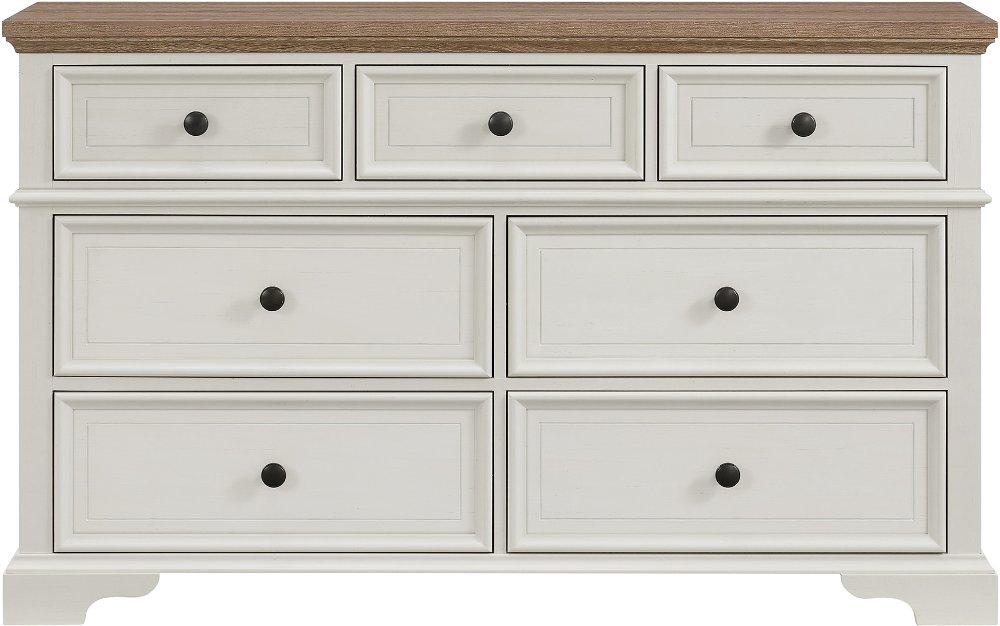
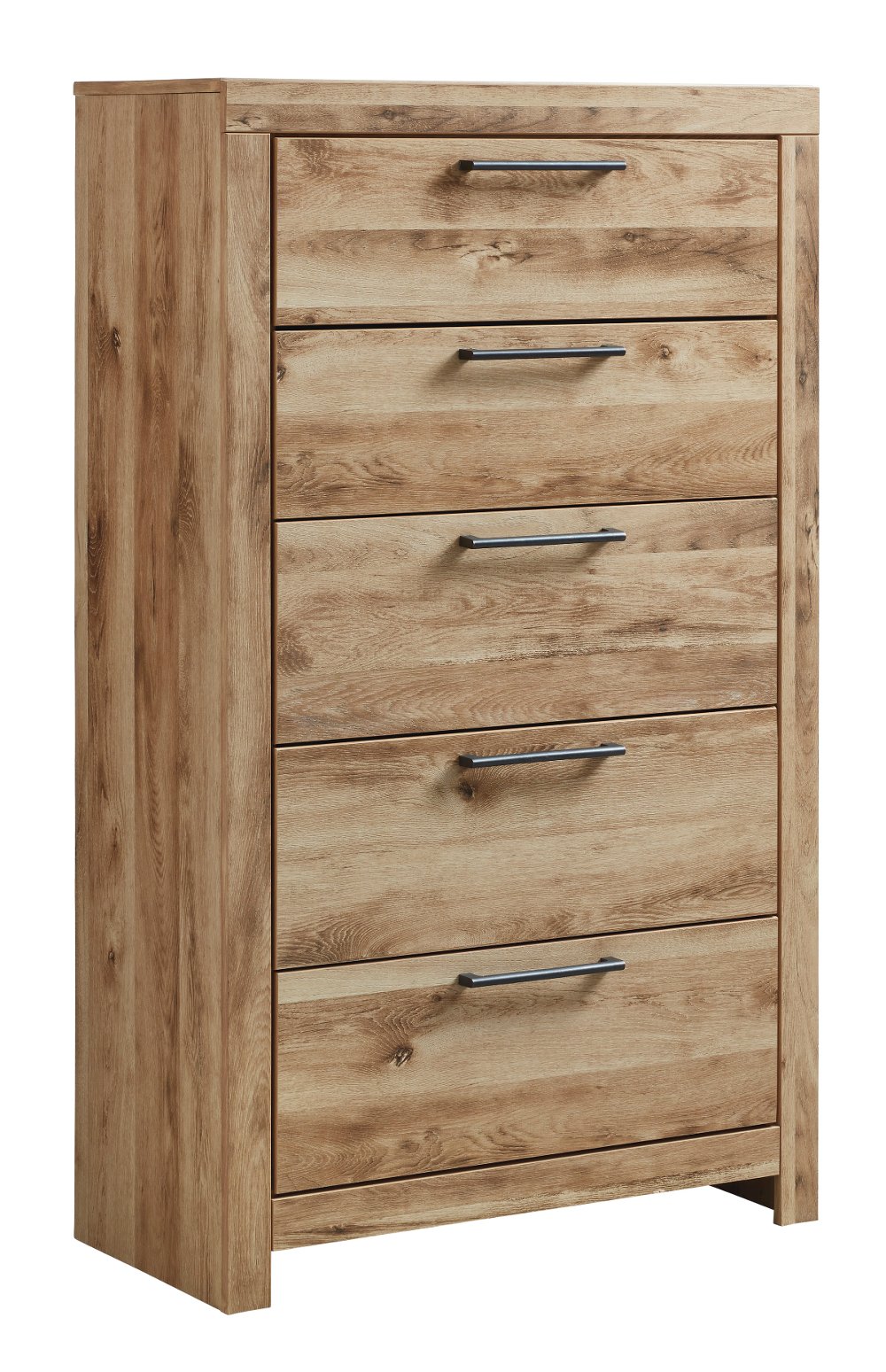
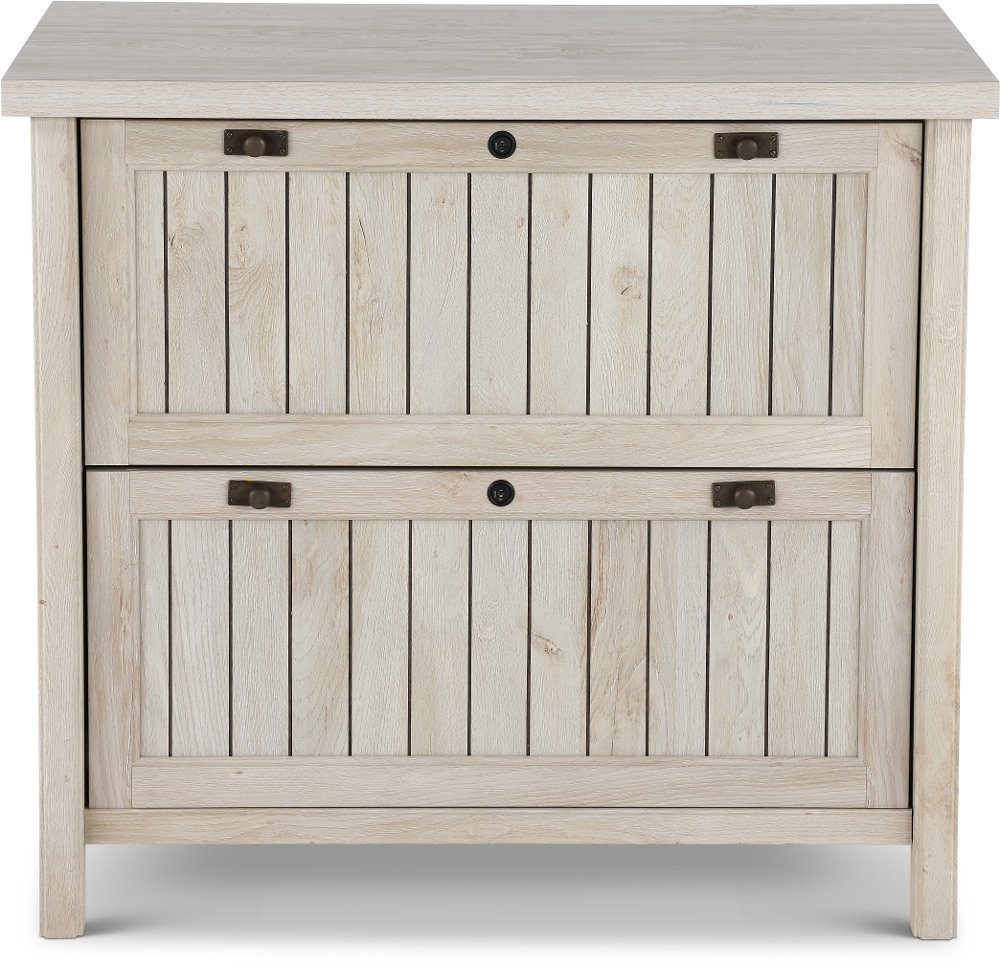
Nursery drawers give small essentials a dedicated home, helping you keep the room calm and ready for the many little routines that fill a baby’s day. A nursery dresser or chest of drawers can hold clothing, diapering supplies, linens, and everyday accessories without taking up the floor space required by open shelving or large storage bins. Look for a size that suits the room’s layout, leaving comfortable space for doors, closet access, and movement around the crib. A broad dresser may provide a useful surface for a changing pad, while a taller chest can make the most of vertical space in a compact nursery. Check the furniture’s overall dimensions, drawer depth, construction, hardware, and weight capacity before ordering, and measure the intended wall carefully so the piece fits comfortably rather than crowding the room. Storage furniture can also be a thoughtful gift for new parents, grandparents, or families preparing a shared nursery. If the room is still taking shape, a neutral finish and straightforward silhouette can move easily from a baby’s room to a child’s bedroom later. For another way to think about organized storage throughout the home, explore Drawer Cabinets.
The most useful nursery drawers are the ones arranged around real-life reach and repetition. Keep the supplies needed during diaper changes together, with diapers, wipes, creams, and grooming essentials in a top drawer or another location an adult can reach without stepping away from the baby. A second drawer can hold everyday onesies, bodysuits, and soft sleepwear, while another works well for swaddles, wearable blankets, and lightweight receiving blankets. Lower drawers are convenient for extra burp cloths, bibs, socks, crib sheets, and backup clothing sizes. Drawer dividers, small fabric bins, and labeled containers help keep tiny socks from disappearing beneath larger garments, and they make it easier for another caregiver to find what they need during a sleepy nighttime change. Folding clothes by category or placing them upright can make every item visible at a glance. It also helps to leave a little room in each drawer, since baby clothes arrive in many sizes and laundry days rarely follow a perfect schedule. During the cooler months, reserve one section for warmer layers, knit hats, or heavier sleepwear, while keeping frequently used pieces near the front. As the nursery evolves, move outgrown clothing to a higher drawer or separate container and bring the next size forward. This simple rotation keeps storage useful without requiring a full reorganization every few weeks.
Safety should guide the placement and use of nursery drawers from the beginning. Any dresser, chest, or tall storage piece should be secured to the wall with an appropriate anti-tip kit, following the furniture and hardware instructions closely. Place heavier items in lower drawers, close drawers after use, and avoid putting tempting toys or frequently handled objects on top of the furniture. If a changing pad sits on a dresser, use a model designed for that purpose and follow its restraint and installation instructions; never leave a baby unattended on an elevated surface, even for a moment. Keep cords, small accessories, creams, and other items away from a child’s reach as mobility develops. It is also worth considering how easily the drawers glide, whether the pulls are comfortable for tired hands, and whether the finish is simple to clean after the inevitable spill or laundry-day surprise. A sturdy storage piece can support parents through midnight feedings, quick outfit changes, and the cheerful disorder of growing children. With thoughtful organization and secure placement, nursery drawers make everyday care more manageable while giving the room a warm, settled feeling that lasts well beyond the earliest months.
Read More