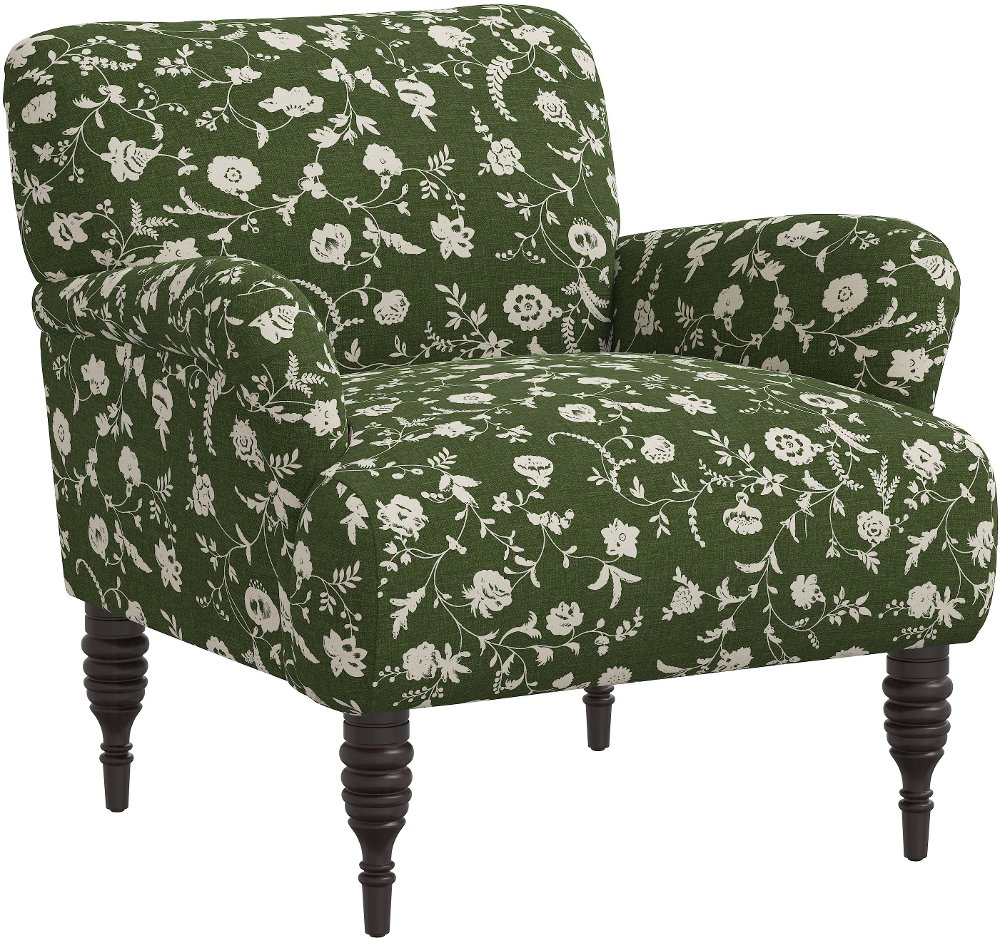
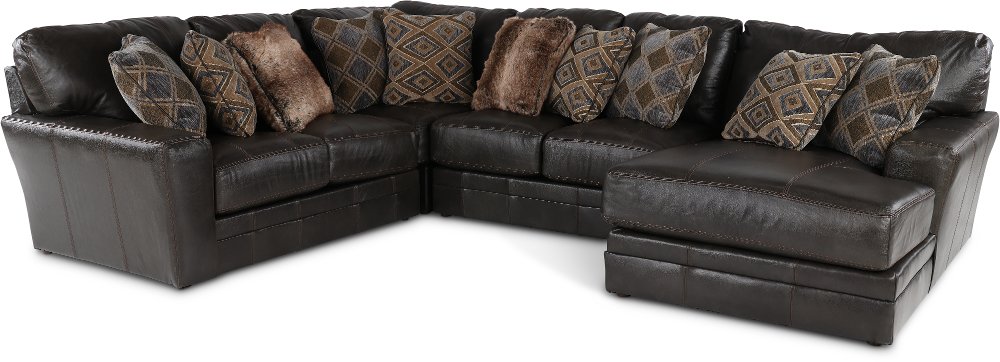
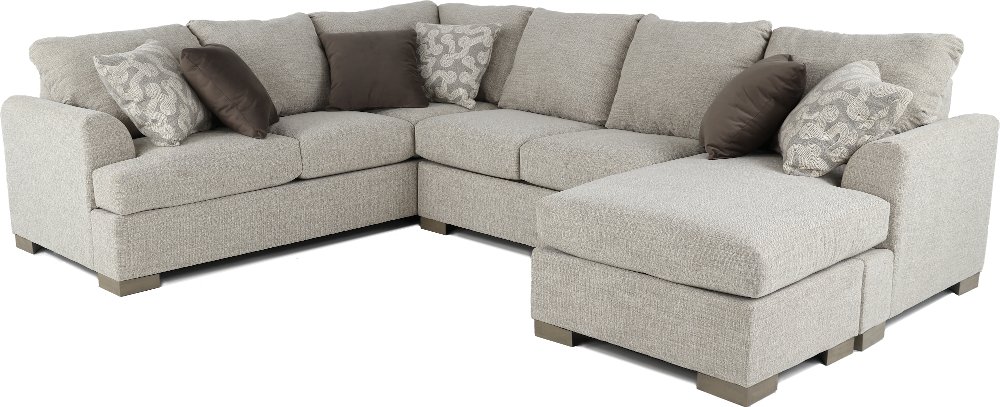
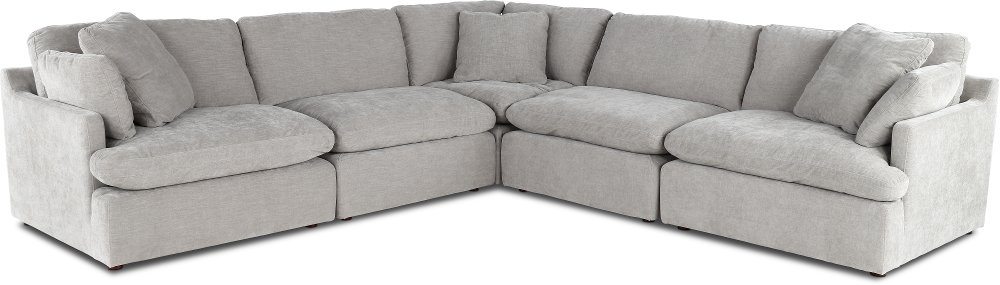
Olive green furniture brings an earthy, welcoming feel to a room, offering more color than a traditional neutral without demanding a bold decorating scheme. Its blend of green with yellow or brown undertones pairs naturally with warm wood, creamy upholstery, woven textures, and soft gray or taupe. An olive green sofa can anchor a living room with the same ease as a brown or charcoal couch, while giving the space a richer, more personal look. Against ivory walls, the color feels relaxed and distinct; beside walnut furniture and warm brass accents, it takes on a deeper, dressier character. The shade also adapts to different furniture styles. Low profiles and tapered legs suit mid-century-inspired rooms, rounded cushions create a casual atmosphere, and tailored upholstery complements more traditional spaces. Olive isn’t one uniform color, though. Some shades lean golden and sun-warmed, while others look muted, brownish, or almost gray. Natural light, nearby finishes, and the upholstery’s texture all influence how the color reads. A swatch viewed beside your flooring in daylight and under evening lamps gives you a more useful impression than a screen alone. If you’re comparing neighboring shades, moss green furniture offers another earthy direction, though color names vary and the actual fabric or finish matters most. Olive works especially well when you want to keep familiar furnishings rather than replace everything around a new piece. A beige rug, an oak coffee table, and linen curtains already provide a comfortable setting for green seating. For more contrast, small touches of rust, muted blue, or black can sharpen the palette without overwhelming it. The result can feel cozy during the cooler months and just as comfortable when brighter daylight fills the room, making olive a practical choice for a color scheme you’ll enjoy throughout the year.
Material and construction give olive green furniture much of its personality, and both deserve as much attention as the shade itself. Velvet brings out the color’s depth because its pile catches light differently across the seat, arms, and back. That gentle variation can make a simple silhouette feel especially inviting, though brushed areas and pressure marks may be visible depending on the fabric. A textured woven upholstery creates a more understated effect, with small variations in the yarn helping the surface feel less flat. Wool blends can add warmth and texture, while leather offers a different balance of smoothness, character, and care requirements. Neither a material name nor a rich color guarantees durability; fiber content, finish, construction, and the manufacturer’s intended use all matter. For a family room where seating handles movie nights, visiting friends, and everyday lounging, look closely at the frame information, cushion support, seams, and cleaning instructions. Upholstery described as performance fabric may address certain spills or wear, but the stated benefits vary, so check the details rather than assuming every fabric performs the same way. In a home with pets, fabric samples can also help you judge texture and how visible shed hair might be. Olive can soften the appearance of some everyday marks, but it won’t conceal every stain, pale hair, or scratch. Regular vacuuming with an appropriate upholstery attachment helps remove grit before it settles into seams. Blot spills promptly, follow the cleaning code, and use only products approved for the material. Removable cushion covers aren’t necessarily machine washable. Leather needs care suited to its particular finish, and painted furniture generally benefits from gentle cleaning rather than abrasive scrubbing. Keep furniture away from prolonged direct sunlight and concentrated heat when possible to help preserve its appearance. If the design allows it, rotating cushions and changing your usual seat can help distribute everyday wear.
The right olive green furniture should fit the way you use your home, not just the space shown on a floor plan. In a living room, a sofa or sectional establishes a substantial area of color, while an accent chair or ottoman introduces green in a smaller footprint. A compact chair beside a reading lamp can turn an unused corner into a comfortable place to pause, provided there’s enough room to sit down, stretch your legs, and move past it easily. For seating, compare overall dimensions with usable seat depth, seat height, and arm height. A deep cushion may suit someone who likes to curl up with a blanket, while a shallower seat and supportive arms may feel better for upright conversation or getting up comfortably. Sectionals need particular attention to orientation and walking paths; a chaise that looks spacious on its own can interrupt the route between a doorway and the rest of the room. Measure entrances, hallways, and tight turns as well as the final placement. Painter’s tape on the floor can help you picture the footprint before making a decision. In dining spaces, olive green chairs add softness and color around wood or stone-look surfaces, but seat height, table clearance, and easy-clean materials are important for daily meals. Upholstered seating brings comfort to longer conversations, while smooth finished surfaces may simplify cleanup after a busy breakfast. In a bedroom, an upholstered bed or a bench can introduce the shade without filling the room with matching green pieces. Check a bench’s intended use and weight rating before treating it as regular seating, and choose an ottoman designed for sitting if it will serve as an extra perch for guests. Storage furniture in an olive finish can provide color alongside practical space for linens, dining essentials, or everyday clutter. Across these rooms, matching every green surface precisely isn’t necessary. Repeating the shade lightly through artwork or textiles can connect the space, while different woods and neutral fabrics keep it from feeling overly coordinated. A well-chosen shape, comfortable proportions, and a manageable care routine make olive green furniture more than a color choice: they help it become a useful, familiar part of everyday life.
Read More