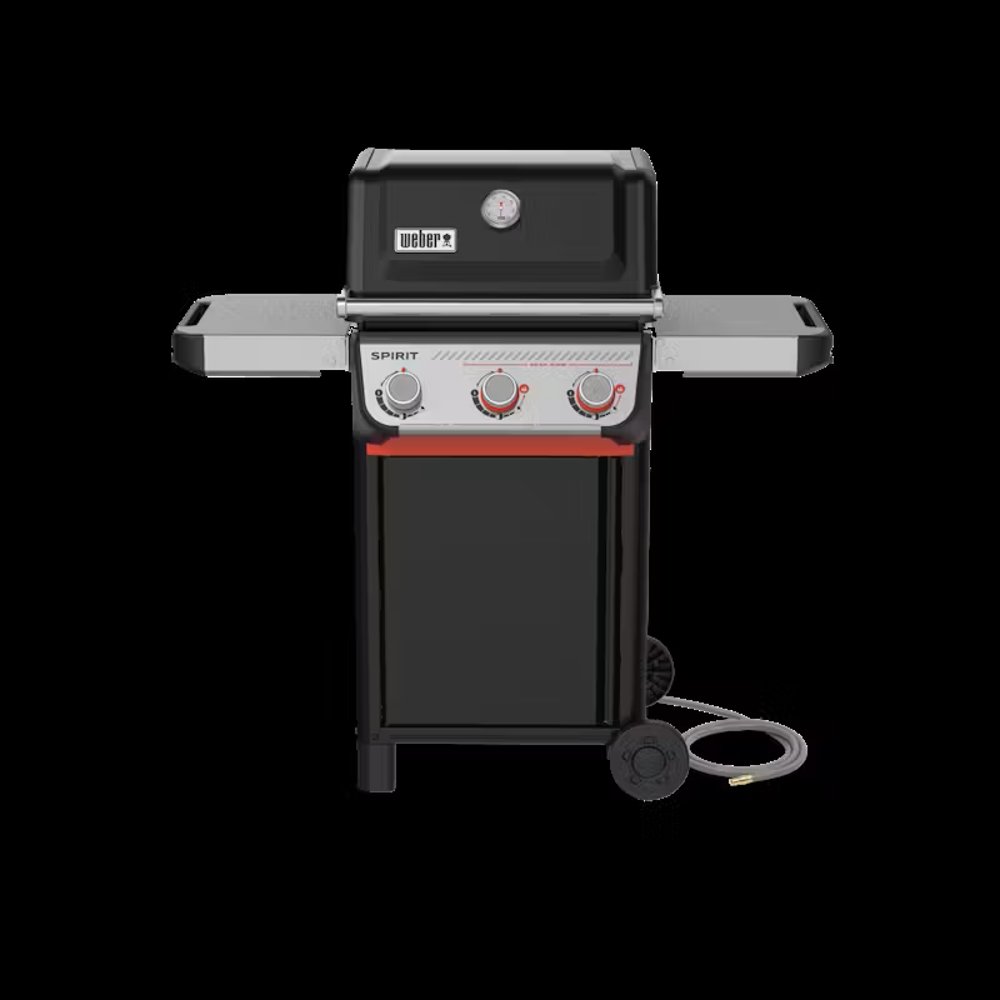
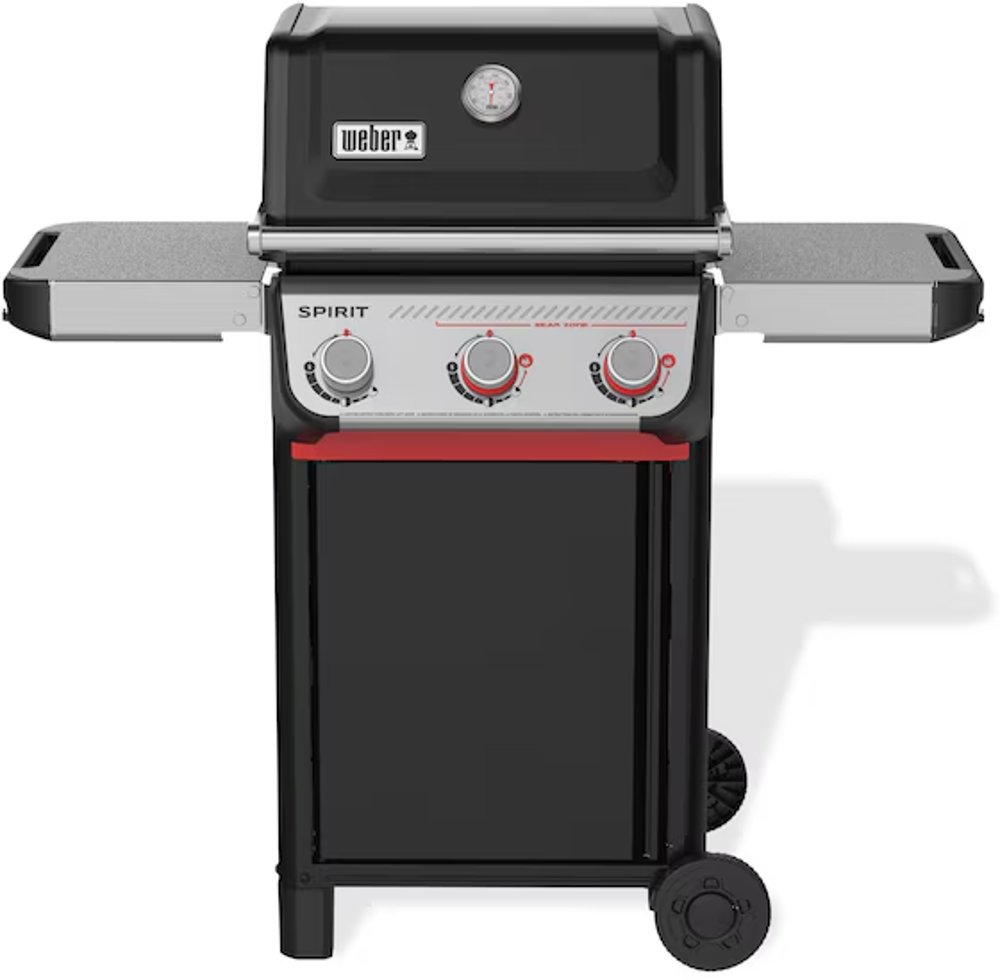
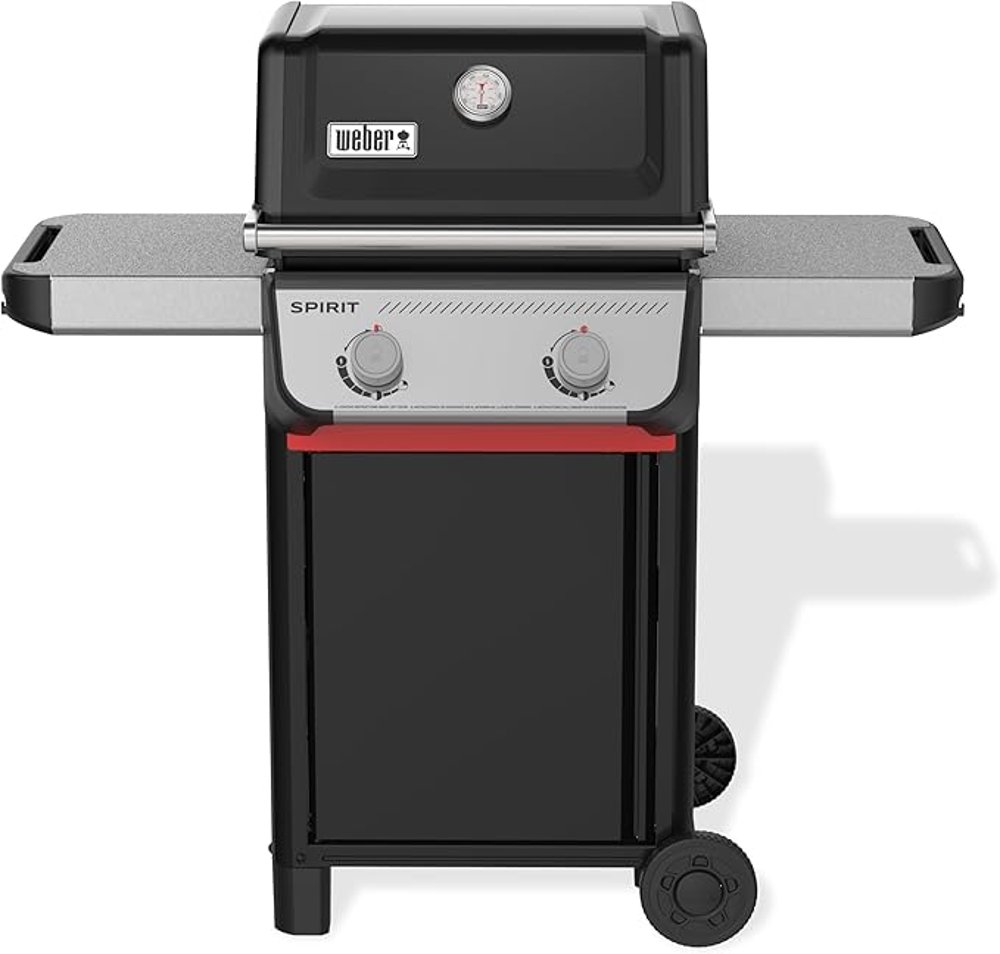
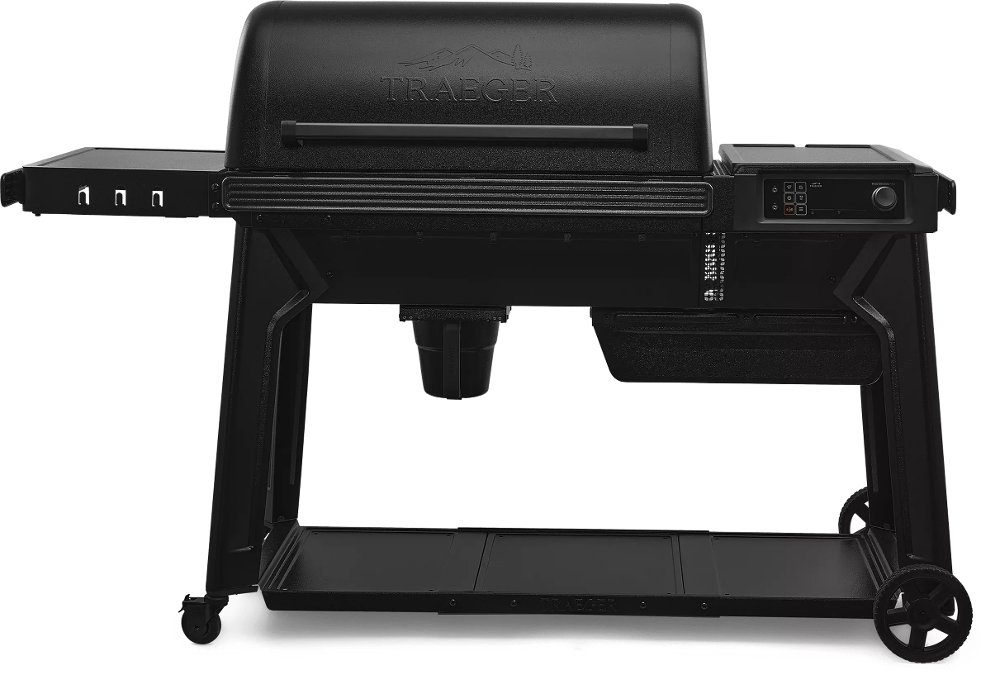
Outdoor grills give you a dedicated place to cook everything from a quick burger dinner to a slow-smoked meal for a full table. The right style depends on how you like to cook, how many people you usually serve, and how much hands-on attention you enjoy giving the food. Gas grills offer convenient ignition and responsive heat adjustments, making them a practical match for everyday meals like chicken breasts, vegetable skewers, and grilled fish. Propane grills use a refillable tank, while natural gas grills require a compatible model and a properly installed gas connection. Neither fuel option is interchangeable unless the grill’s manufacturer specifically allows conversion with approved equipment. Charcoal grills appeal to cooks who enjoy tending the fire and developing the distinctive flavor that comes from cooking over burning coals. Adjustable vents help regulate airflow, and arranging charcoal in different areas creates space for both direct and indirect cooking. Pellet grills burn food-grade hardwood pellets and typically use an electric controller and an automated feed system to maintain a selected cooking temperature. They’re especially suited to foods that benefit from steady, extended cooking, such as pork shoulder or ribs, although their high-heat searing capabilities vary by design. Outdoor flat-top griddles offer another approach, with a continuous cooking surface that keeps small vegetables, sliced onions, and breakfast foods from falling through open grates. That broad surface also makes room for smash burgers and toasted buns in the same meal. Electric outdoor grills may suit smaller spaces where an appropriate power connection is accessible, but property rules and manufacturer requirements still determine where they can be used. Each cooking style brings something different to the table, so fuel type is more than a technical detail. It shapes the preparation, cleanup, flavor, and cooking pace you’ll experience each time you make a meal. A grill that matches your habits is more useful than one chosen for size alone, whether your usual dinner serves two people or a group of hungry guests.
Size and layout matter just as much as fuel when an outdoor grill becomes part of your home. Primary cooking area describes the space where food cooks directly over the heat; a warming rack adds useful room, but it doesn’t replace the main grate when several steaks or a batch of burgers need attention at once. A compact grill can handle smaller meals without taking over a patio, while a larger cooking surface gives you room to separate proteins, vegetables, and foods that finish at different times. Multiple independently controlled burners on a gas grill allow different heat zones, which can be helpful when you’re searing meat on one side and finishing thicker pieces more gently on the other. Lid height also affects fit, particularly for whole chickens, roasts, or cookware approved for grill use. Beyond the cooking surface, the grill’s overall footprint includes side shelves, handles, and the space needed to open the lid comfortably. A shelf that holds a platter and a pair of tongs can make dinner preparation easier, especially when the kitchen is several steps away. Fold-down shelves can reduce the storage footprint on models designed with that feature. Freestanding grills offer flexibility in arranging a cooking area, while built-in grills belong in compatible enclosures designed around the manufacturer’s ventilation and clearance requirements. If your plans include a dedicated preparation and serving area, outdoor cooking systems can support a more integrated layout. Sturdy wheels, secure locking casters, accessible controls, and convenient grease collection are worth considering alongside cooking capacity. Side burners can provide a separate place for a saucepan, and tool hooks help keep utensils within reach. Placement should allow safe clearance from combustible surfaces and unobstructed movement around the grill. Outdoor grills belong outdoors, never inside a garage or another enclosed space. Apartment and condominium residents also need to account for building policies before choosing a fuel type. These practical details help a grill fit the space comfortably rather than simply occupy it.
Materials and construction influence how an outdoor grill cooks, how it feels to use, and how much care it needs. Stainless steel is valued for its corrosion resistance and straightforward cleaning, but its grade, thickness, and finish all affect long-term performance. It still benefits from regular cleaning, especially where grease collects or salty residue settles. Porcelain-coated steel offers a protective finish, while porcelain-coated cast-iron grates combine heat retention with a surface that can be easier to maintain when the coating stays intact. Uncoated cast iron holds heat well and needs appropriate seasoning and drying to help prevent rust. Stainless steel grates are another common choice, with durability and cleaning characteristics that vary by construction. A solid lid, stable cart, well-fitted components, and accessible replacement parts can contribute more to lasting satisfaction than decorative details. Care also depends on the cooking style: charcoal grills need cooled ash removed, pellet grills need attention to ash and pellet storage, and gas grills need clean burner ports and routine inspection of hoses and connections according to their instructions. Grease trays and channels need regular attention across grill types. Griddles often require seasoning and gentle surface maintenance rather than the same cleaning approach used for open grates. A properly fitted cover can help protect a clean, fully cooled grill from dust and debris between uses. For cooking confidence, a food thermometer provides a more dependable check of doneness than grill marks or the lid thermometer alone. The best match ultimately supports the meals you enjoy making, whether that means grilled shrimp after work, pancakes for a family breakfast outside, or a brisket that gets a full afternoon of attention. An outdoor grill can also make a thoughtful housewarming or wedding gift when the recipient’s space, fuel access, and cooking preferences are already known. For a first-time grill owner or an experienced backyard cook, useful features, sturdy construction, and manageable upkeep help make outdoor cooking a comfortable part of everyday life.
Read More