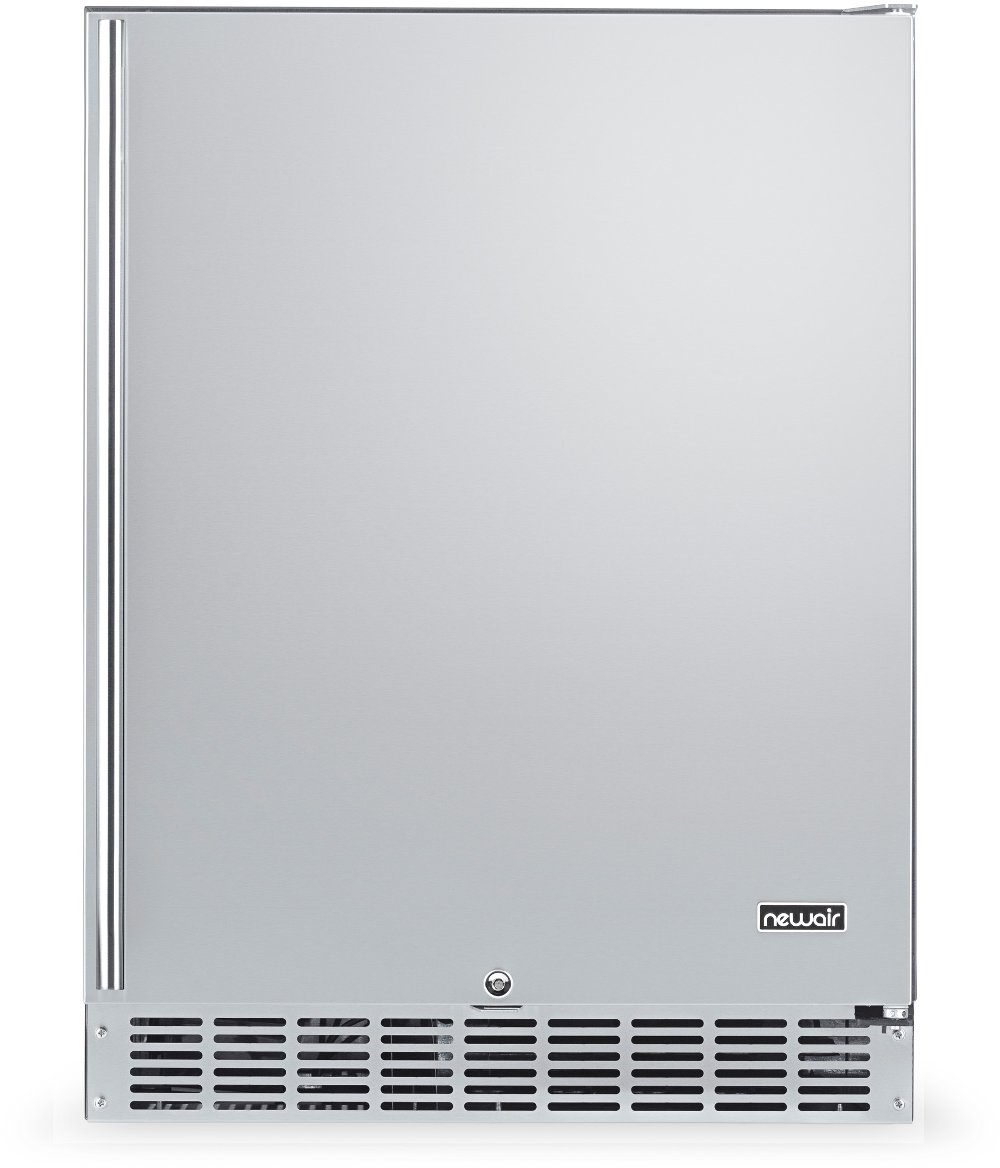
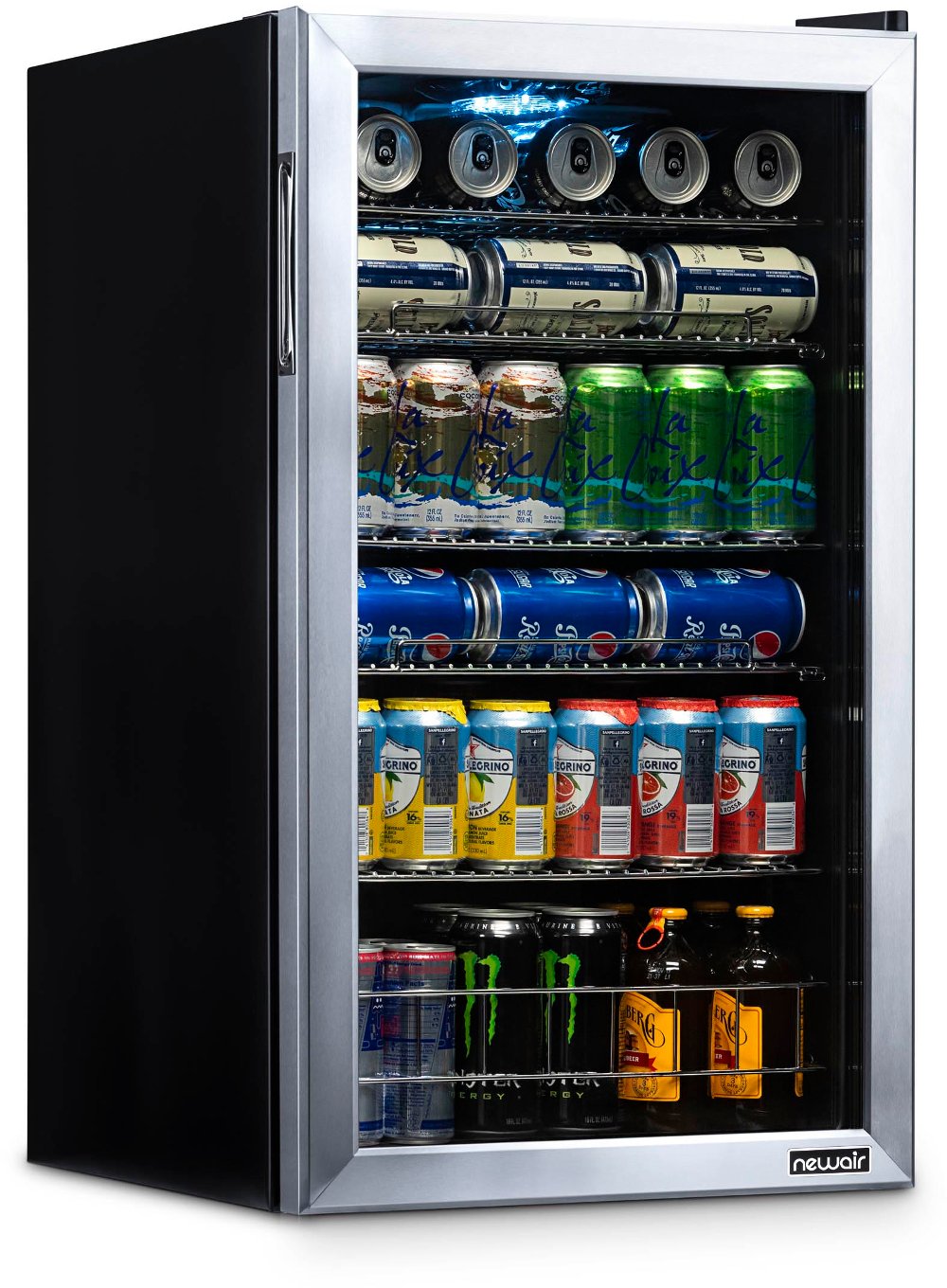
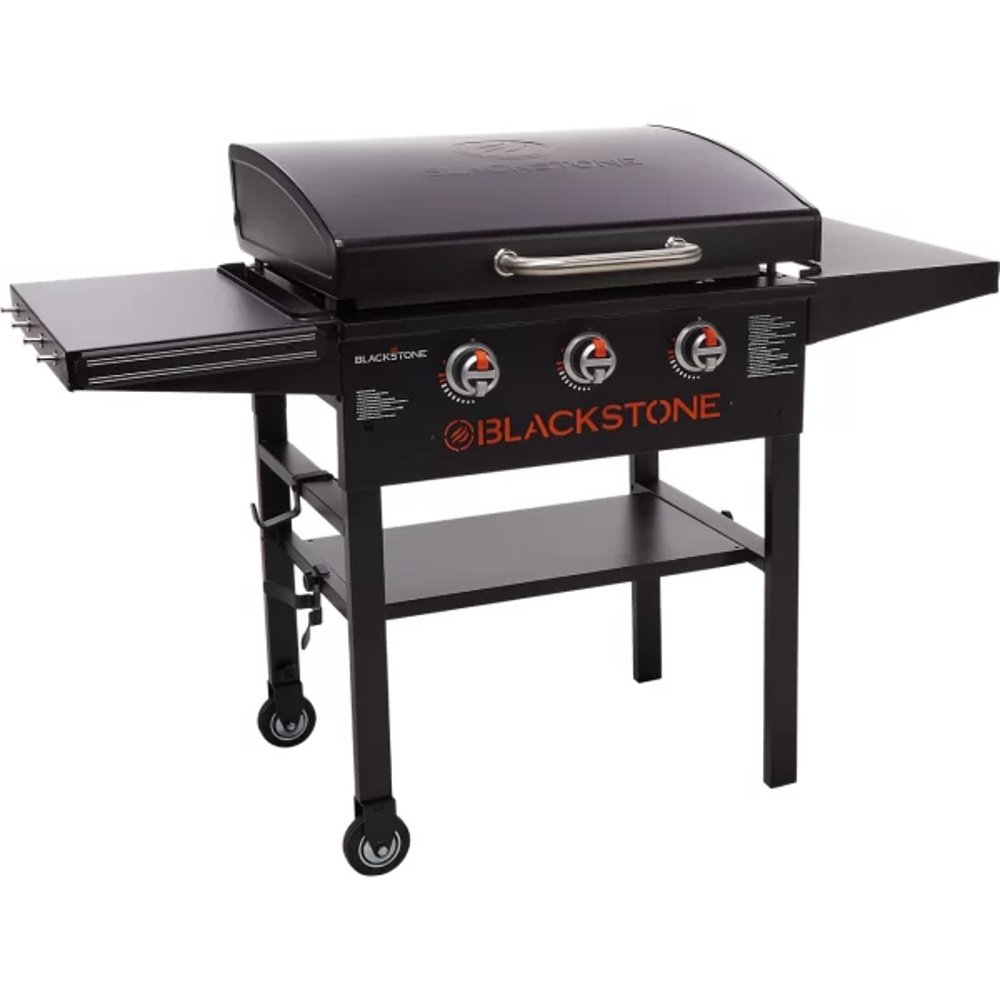
Outdoor kitchen accessories support cooking, food preparation, cooling, storage, serving, and cleanup, making an outdoor cooking area more convenient to use. The right combination depends on what you cook, how much space you have, and how often you entertain. A compact grilling station may benefit most from organized utensil storage and a dependable place to set ingredients, while a larger outdoor kitchen may need separate areas for drinks, prep work, and washing up. Picture carrying a platter of marinated vegetables outside: having a clear landing surface beside the cooking area keeps the handoff simple, especially when someone else is tending dinner. Accessible storage gives frequently used tools a home, and a designated serving area lets guests gather without crowding the cook. Cooling accessories can keep beverages close to the seating area, while covered storage helps protect clean supplies between meals. For equipment that handles food or drinks, intended use matters. Keeping packaged beverages chilled involves different requirements than safely storing raw ingredients, and refrigeration equipment needs a rating appropriate for its installation location. Accessories should also match the scale of your meals. Someone who regularly cooks for a crowd may value generous prep space and easy access to serving supplies; a household preparing dinner for two may prefer a smaller arrangement with fewer surfaces to maintain. Think about the route between the indoor kitchen, outdoor cooking area, and dining table, too. Well-placed accessories can reduce repeated trips through the house and keep clean serving dishes separate from tools used with uncooked food. For a larger project, outdoor kitchen kits provide a starting point for organizing the main cooking area, while accessories add details that suit your household’s routines. A thoughtful setup gives each task enough room, so preparing dinner feels comfortable rather than crowded. That balance matters whether your outdoor kitchen serves everyday family meals or a full table of friends.
Materials and fit play a big part in how outdoor kitchen accessories perform over time. Stainless steel is a common choice because it offers strength, a clean appearance, and corrosion resistance, although the alloy, finish, construction, and care requirements all influence durability. Coastal air, moisture, cooking residue, and certain cleaning chemicals can affect metal surfaces, so manufacturer recommendations deserve attention even when a material is intended for outdoor use. Powder-coated metal offers another finish option, with durability that depends partly on keeping the coating intact. Food-contact surfaces should be suitable for their intended task and easy to clean, while handles and frequently touched edges should feel comfortable during everyday use. Construction details matter as much as appearance: smooth drawer movement, sturdy hinges, and accessible interior corners can make storage easier to use and maintain. For built-in accessories, fit involves more than the dimensions across the front. The required cutout, installation depth, mounting method, and clearance for doors or drawers all need to work with the surrounding structure. A drawer that fits inside an island still needs enough room to open fully without blocking a walkway or striking a nearby handle. Ventilation requirements also vary by component, especially around refrigeration and enclosed cooking installations. The equipment’s instructions should determine the necessary clearances and enclosure details. Accessories intended for indoor use may not be suitable outdoors, even beneath a roof, so check the manufacturer’s stated location requirements. Plumbing and electrical connections add another layer of planning; sinks need an appropriate water supply and drainage arrangement, and powered equipment needs a suitable electrical connection. Qualified professionals can confirm installation requirements and local code considerations. When accessories will sit near heat, compatibility with the cooking equipment and its required separation distances takes priority over matching finishes. A coordinated look is appealing, but dependable operation comes from components that fit the space, suit the environment, and work together as intended.
Everyday care helps outdoor kitchen accessories stay ready for the next meal. Easy-to-wipe surfaces, removable components where appropriate, and storage interiors you can reach comfortably make cleanup less of a chore. After a meal, grease and food residue need attention before clean supplies go back into storage. Food-contact accessories should be washed and sanitized as directed, and surfaces should dry thoroughly before they’re enclosed. Stainless steel often benefits from gentle cleaning along the grain, followed by rinsing and drying according to the manufacturer’s instructions. Abrasive pads, harsh chemicals, and cleaners intended for a different finish can damage surfaces, so matching the cleaning method to the material helps preserve its appearance. Protective covers can limit exposure to debris and moisture when sized and used correctly, but accessories should be clean, cool, and dry before covering. Storage works best when it reflects the way you cook: keep frequently used tools within comfortable reach, give sharp utensils a secure place, and separate cleaning supplies from food and serving essentials. Families may also appreciate layouts that keep children away from hot surfaces and leave a clear path between the cooking station and the table. For frequent hosts, a separate beverage area gives guests somewhere to help themselves while food preparation continues nearby. For cooks who enjoy a quieter evening outside, a few practical accessories may be all it takes to make the space feel complete. Outdoor cooking accessories can also make thoughtful gifts for a grilling enthusiast, a new homeowner, or someone settling into a home with an outdoor kitchen. Versatile additions generally require less coordination than built-in components, which depend on exact measurements and installation details. Matching a gift to the recipient’s cooking habits makes it more personal: consider whether they love preparing elaborate meals, serving a crowd, or keeping weeknight dinners simple. The most useful accessories earn their place through repeated use, making cooking, serving, and cleanup feel easier each time.
Read More