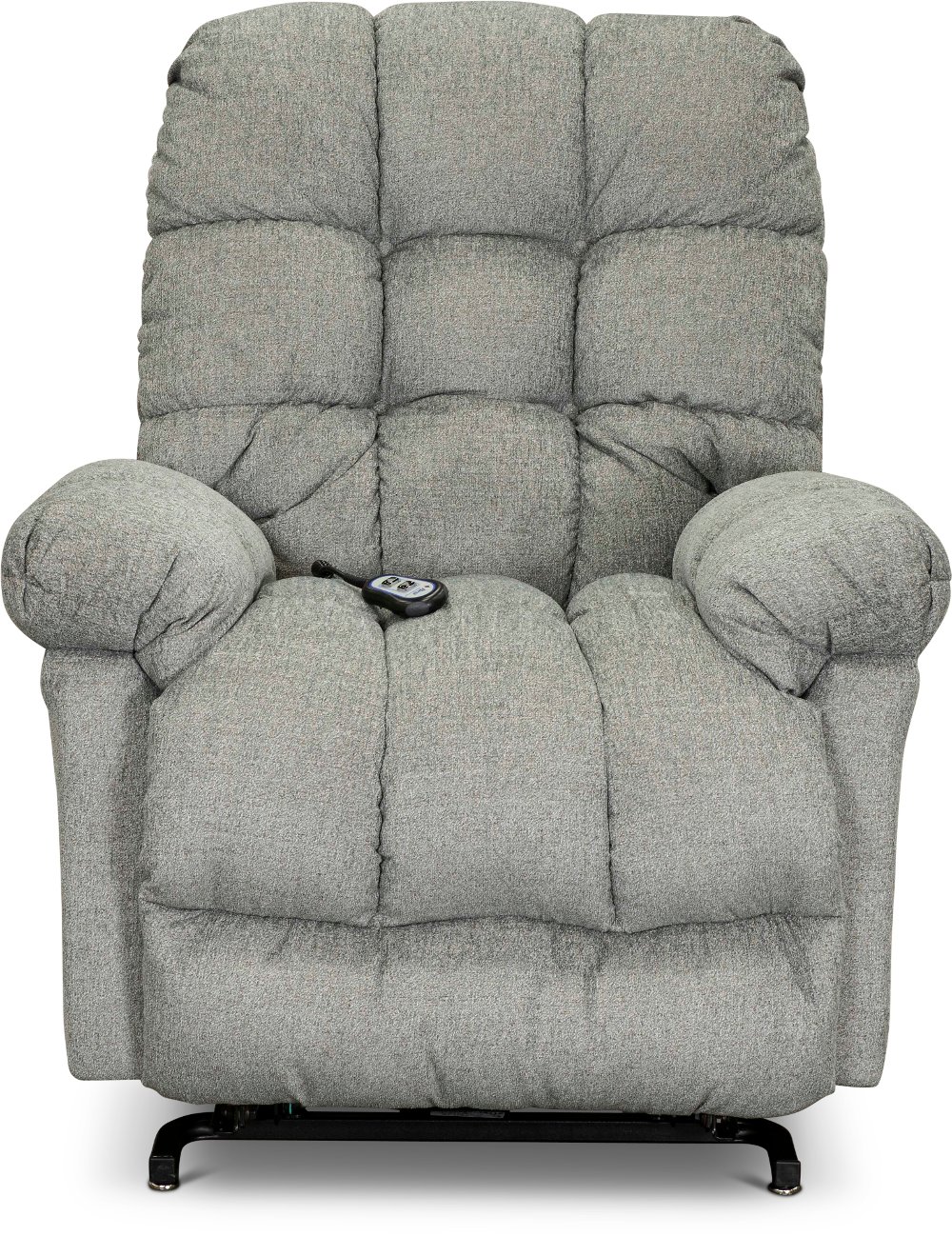
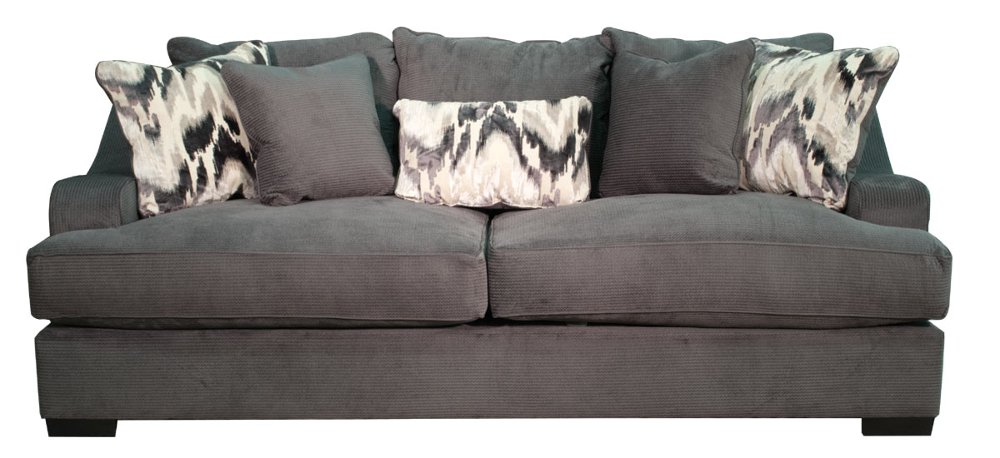
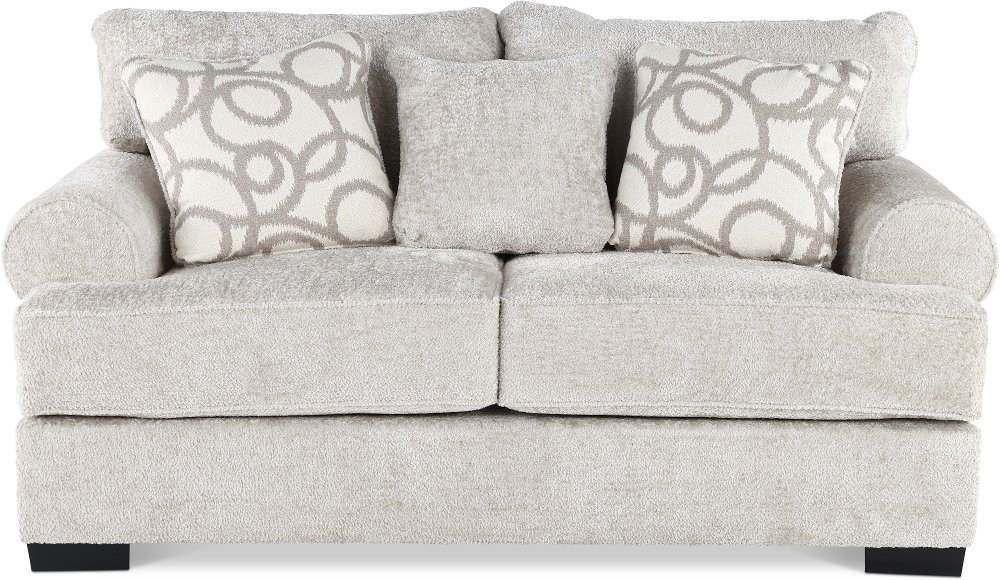
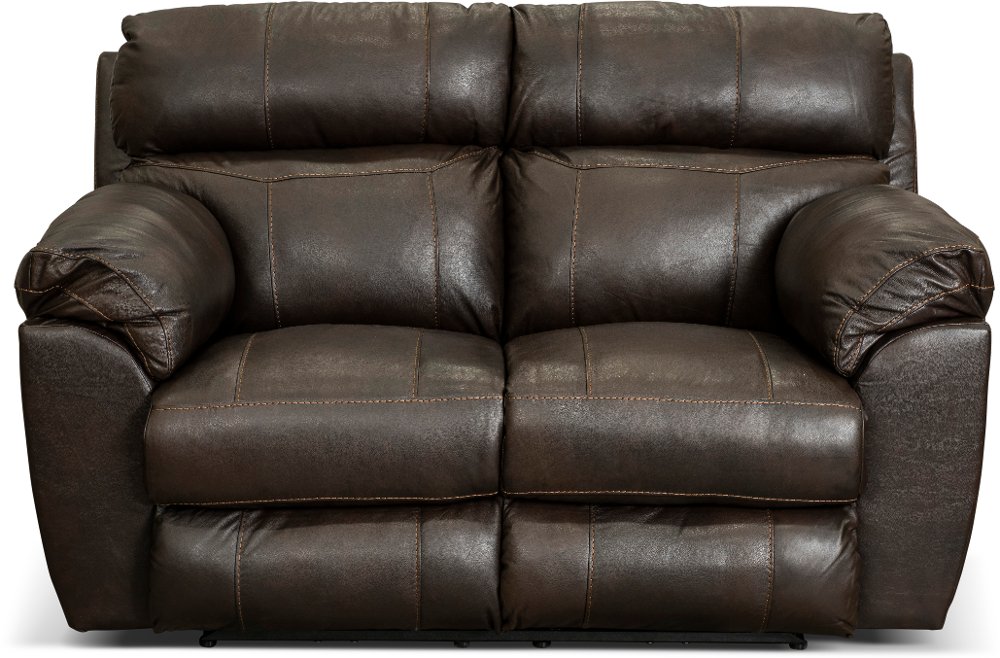
Overstuffed furniture is upholstered seating with generous padding, thick cushions, plush backs, and cushioned arms that create a soft, sink-in feel. Overstuffed sofas, sectionals, recliners, and accent chairs often have rounded silhouettes and roomy seats, though the term describes their cushioning rather than a standard size or construction method. Some styles offer a deep seat for curling up, while others keep the seat shallower and the back more upright. That difference matters when you’re picturing how the furniture will fit into everyday life. A deep, pillowy sofa can make a comfortable landing spot for movie nights, reading, or stretching out after a long day. A generously padded chair with a more upright seat can suit conversation, knitting, or watching television without requiring you to lean far back. Comfort also depends on what’s beneath the upholstery: A soft surface can sit over a supportive cushion core, so an overstuffed look doesn’t necessarily mean the entire seat feels loose or unusually soft. For someone who likes to tuck their legs under them, wide cushions and padded arms can make lounging feel natural. Someone who prefers to sit with both feet on the floor may be happier with a shorter seat depth and a back cushion that supports an upright position. These pieces bring visual softness to a room, too. Rounded arms and full cushions can balance the straight edges of a coffee table, bookcase, or media console, creating a living area that feels relaxed rather than formal. Textured neutrals offer an understated look, while richer upholstery colors give a plush chair or sofa more presence. Rolled arms and tailored upholstery can lean traditional; broad arms and simple lines can feel more contemporary. The common thread is inviting, padded seating, not one particular decorating style. In a family room, an overstuffed sectional can provide separate spots for conversation and lounging. In a bedroom or reading corner, a single upholstered chair can create a comfortable place to pause without turning the whole room into a seating area.
The upholstery and cushion construction influence how overstuffed furniture feels, how it wears, and how much attention it needs. Woven fabrics can range from smooth and tightly textured to soft chenille and more pronounced surface textures. A tight weave may be a practical consideration in an active household, but fiber content, construction, and care requirements matter more than appearance alone. Homes with pets benefit from attention to snag resistance, removable covers when offered, and surfaces that are easier to clear of hair. For households with children, clear cleaning instructions are especially useful when a tipped drink or a snack crumb becomes part of the afternoon. Performance fabrics may offer stain resistance or easier cleaning, but those qualities vary, and no upholstery should be assumed to be stainproof. Leather provides a different feel and develops wear according to its finish and use. Protected leather generally has a more uniform surface, while less-protected leather can show natural markings and changes more readily. Faux leather can provide a similar appearance, though its construction and long-term wear differ from genuine leather. Cushion fill deserves equal attention. Foam cores can provide structure and support, while fiber wraps add softness around the cushion. Feather or down blends, when used, can create a relaxed feel but typically need more fluffing to maintain their shape. A thick cushion isn’t automatically a durable one; frame construction, cushion quality, suspension, stitching, and the way the furniture is used all contribute to its performance over time. Regular vacuuming with an upholstery attachment helps remove grit from seams and cushion edges. Rotating or flipping cushions, where their design allows it, can distribute wear across frequently used seats. Blotting spills promptly and following the upholstery’s cleaning code helps protect the fabric without introducing an unsuitable cleaner. Leather also needs care appropriate to its finish rather than a general household cleaning spray. Direct sunlight can fade upholstery, and repeated use of an arm as a seat can place stress on parts not intended to support that weight. A little routine attention helps preserve both the generous shape and the welcoming feel.
Room dimensions and body fit are especially important with overstuffed seating because substantial arms and back cushions can take up space without adding usable seating width. The overall width tells you how much room a sofa needs, while the width between its arms gives a better sense of how much space people have to sit. In a smaller living room, a plush chair paired with a more compact sofa may provide the comfort you want while leaving a clear path through the room. In a larger space, a sectional can define a conversation area, provided its chaise or corner doesn’t interrupt the route to a doorway. Allow room to reach a side table, open nearby cabinets, and move around the coffee table comfortably. Reclining furniture needs additional planning: Its extended length and required wall clearance depend on the mechanism, so upright dimensions alone don’t tell the full story. Power-operated seating also needs suitable access to an electrical outlet, with cords kept away from walking paths. For seating that combines generous cushioning with help changing position, Overstuffed Lift Chairs include powered mechanisms designed to raise and tilt the seat to assist with sitting down and standing up. Seat height, depth, weight capacity, control placement, and reclining positions deserve close attention alongside softness. Across all overstuffed seating, a good fit lets you settle in without feeling swallowed by the cushions or pushed too far forward. Back support should meet your body comfortably, and the arm height should suit the way you naturally rest your elbows. Delivery access matters, too. Doorways, stair turns, hallways, and elevators can limit what reaches the intended room, even when the furniture fits the floor plan. Generous padding works best when it supports your routines, fits your space, and gives everyone a comfortable place to land.
Read More