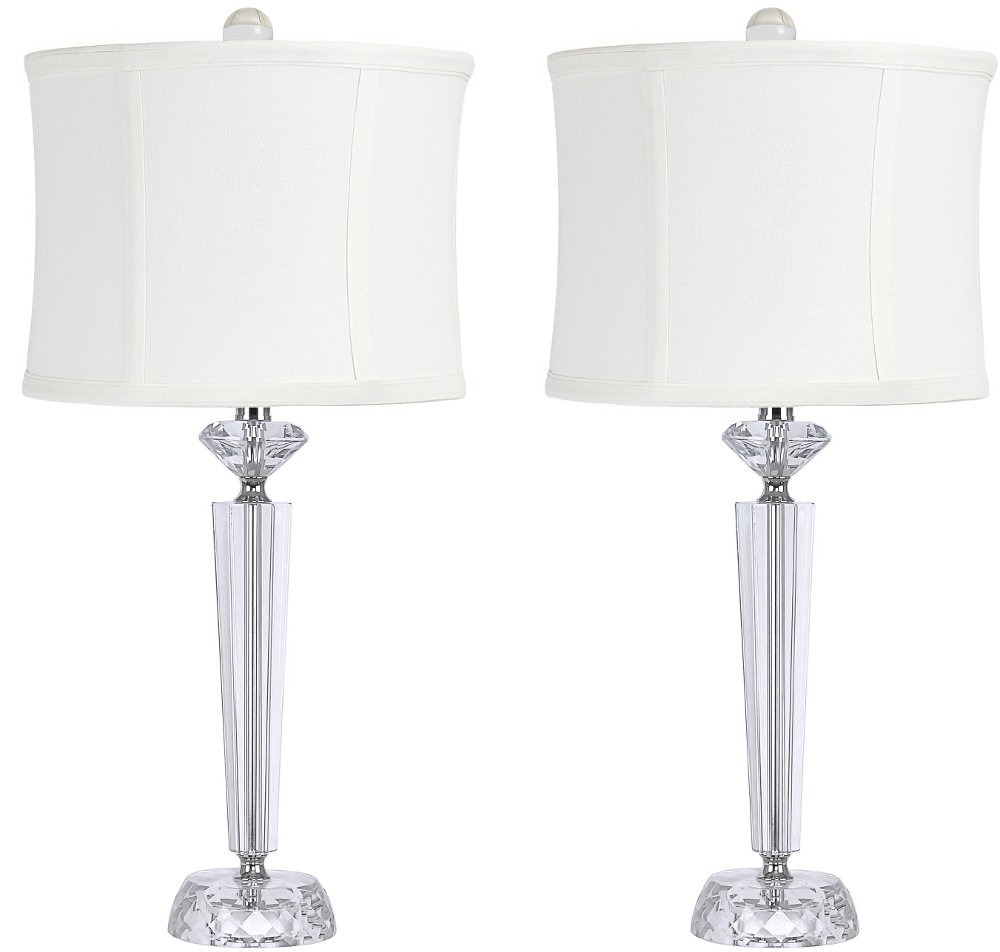
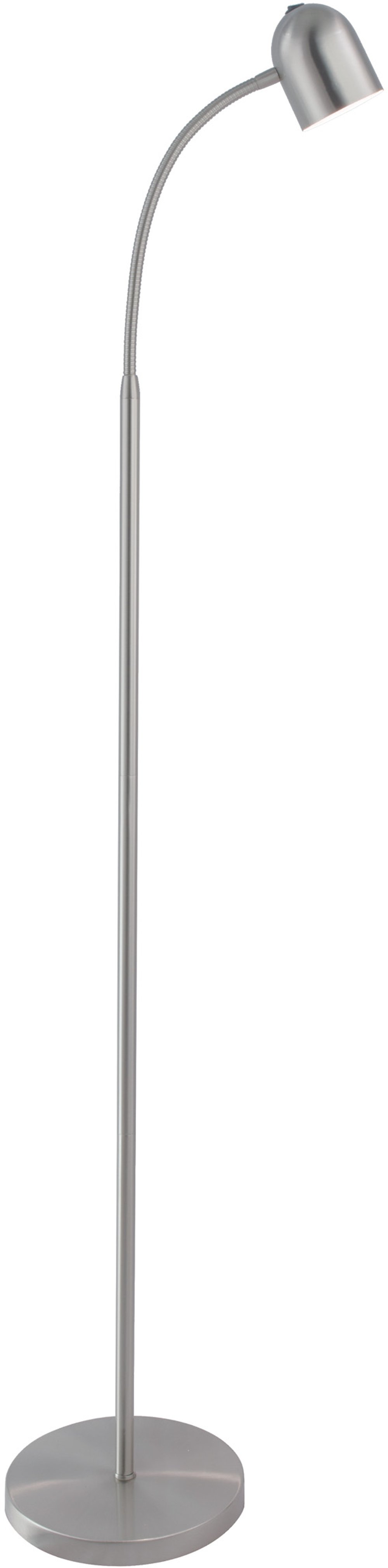
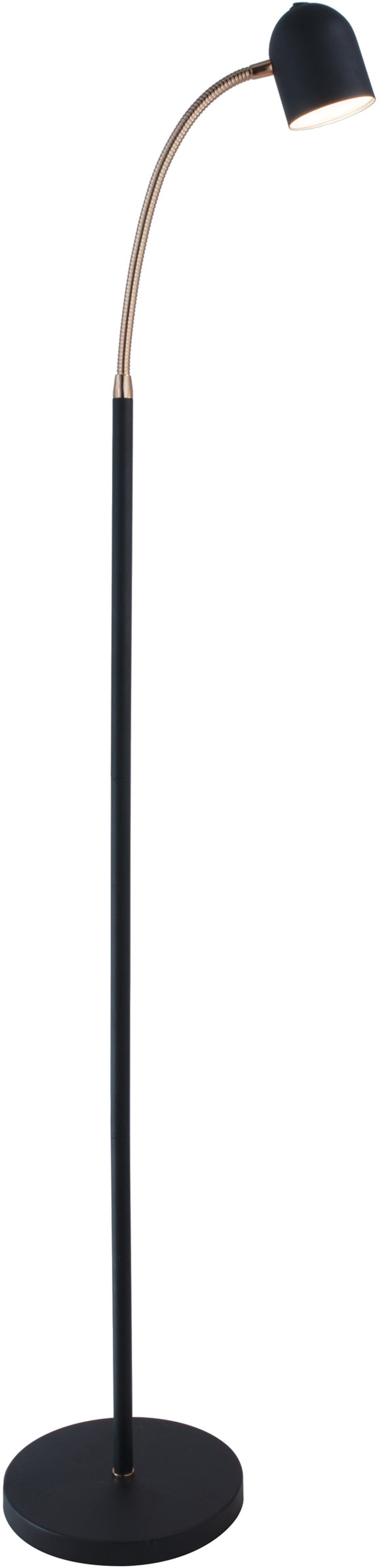
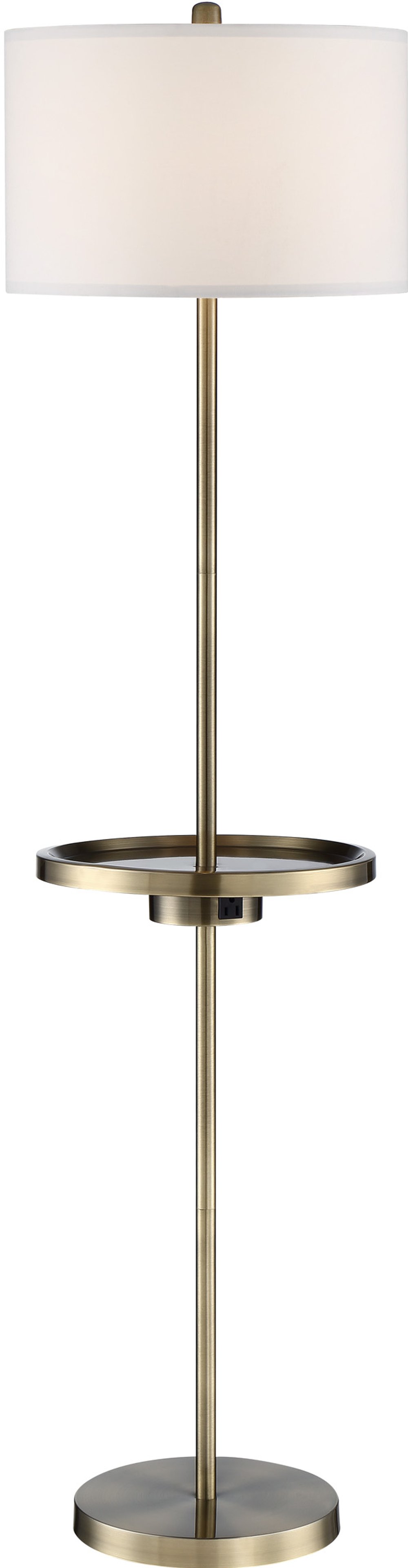
A pair of lamps brings coordinated lighting to two places in a room, whether that means matching bedside lamps or table lamps on opposite ends of a sofa. Repeating the same base, shade, and finish creates a sense of balance without requiring every piece of furniture to match. In a bedroom, two lamps give each person a light within reach for reading, settling in, or getting ready while leaving the overhead fixture off. In a living room, a matching pair can connect end tables with different shapes or finishes, making a collected space feel more intentional. Two lamps on a long entryway console can frame artwork or a mirror while leaving the center open for a shallow tray and everyday essentials. A set of table lamps can also carry a shared design detail across separate areas of an open floor plan, such as a reading corner and a nearby sofa table. The right style depends as much on the room’s character as on the lamps themselves. Rounded ceramic bases and fabric shades have a relaxed presence beside upholstered furniture. Slender metal silhouettes keep a small tabletop visually open, while glass bases allow more of the surrounding wall color and furniture to show through. Turned wood shapes suit rooms with natural textures, and clean-lined bases work comfortably with streamlined furnishings. Matching lamps don’t have to make a room feel formal. A stack of books beside one lamp and a small bowl beside the other keep the arrangement balanced without making it identical. Shade shape changes the overall effect, too: drum shades offer a simple outline, tapered shades bring a more traditional profile, and rectangular shades echo the lines of a console or desk. Look for a color or material that repeats something already in the room, such as a warm metal drawer pull, a wood picture frame, or the soft ivory of a rug.
Size and placement determine how comfortably a pair of table lamps works in everyday life. Overall height matters, but the widest part of the shade often has the biggest effect on fit. A base may sit neatly on a narrow nightstand while its shade crowds the headboard or extends into a walkway. Measuring the tabletop, nearby furniture, and space above the lamp helps keep the proportions comfortable. On bedside tables, leave room for a phone, a glass of water, and anything else that needs a dependable landing spot. Beside a sofa, the lamp should provide useful light without putting an exposed bulb directly in a seated person’s line of sight. Having the lower edge of the shade near seated eye level is a helpful starting point, though the best position depends on the seat height, shade shape, and intended task. If two end tables have noticeably different heights, identical lamps will sit at different levels; that can look relaxed, but it’s worth considering when a symmetrical arrangement is the goal. Light output deserves the same attention as scale. Pale fabric shades generally soften and spread light, while opaque shades tend to direct more illumination through their openings. Reading requires light that reaches the page, not just a pleasant glow around the base. Bulb lumens indicate brightness, while color temperature describes whether the light looks warmer or cooler. Using bulbs with the same color temperature helps matching lamps look consistent across the room. Always follow the fixture’s bulb-base requirements and maximum wattage, and confirm dimmer compatibility before choosing dimmable bulbs. A three-way socket needs a compatible three-way bulb to provide its intended settings. Controls also affect comfort: a pull chain, base-mounted switch, or compatible touch control may be easier to reach than a switch tucked beneath a shade. For lamps with charging features, check the connection type and power specifications rather than assuming every port works the same way. Nearby outlets and a cord route behind furniture help keep the setup practical, with cords clear of walking paths.
Materials, construction, and care help determine how well a matching lamp pair holds up to daily use. Ceramic offers a broad range of glazed colors and sculptural shapes, but it can chip or break if knocked against a hard surface. Glass brings an airy look and may show fingerprints more readily, especially on clear or glossy bases. Metal can provide a sturdy, slim profile, although its finish still needs protection from scratches and unsuitable cleaners. Wood adds visible grain and warmth; care depends on the finish, and prolonged moisture can damage the surface. Resin allows for detailed shapes and textured finishes, with weight and durability varying by construction. Whatever the material, a stable base is especially important on a busy end table or in a home with children or pets. Protective pads can help prevent scratches on furniture, and positioning lamps away from table edges reduces the chance of an accidental bump. Matching appearance alone doesn’t tell the whole story, so product details such as base dimensions, shade material, socket type, and assembly requirements are worth reviewing. Check whether a listing includes two complete lamps, whether shades are included, and whether bulbs need to be selected separately. Routine care is usually simple: unplug the lamps, let bulbs cool, and remove dust with a soft, dry cloth. Fabric shades may benefit from gentle brushing or a vacuum attachment on low suction when the care instructions allow it. Avoid spraying cleaner directly onto a lamp, soaking a shade, or letting moisture reach electrical components. When moving a lamp, support the base rather than lifting it by the shade or socket. A coordinated pair can be a thoughtful housewarming or wedding gift when the recipient’s style and table sizes are known. It’s also a practical choice for guest rooms, shared bedrooms, and living spaces where more than one person needs comfortable lighting. The most satisfying pair combines a look that belongs in the room with proportions, controls, and light output that make daily routines easier.
Read More