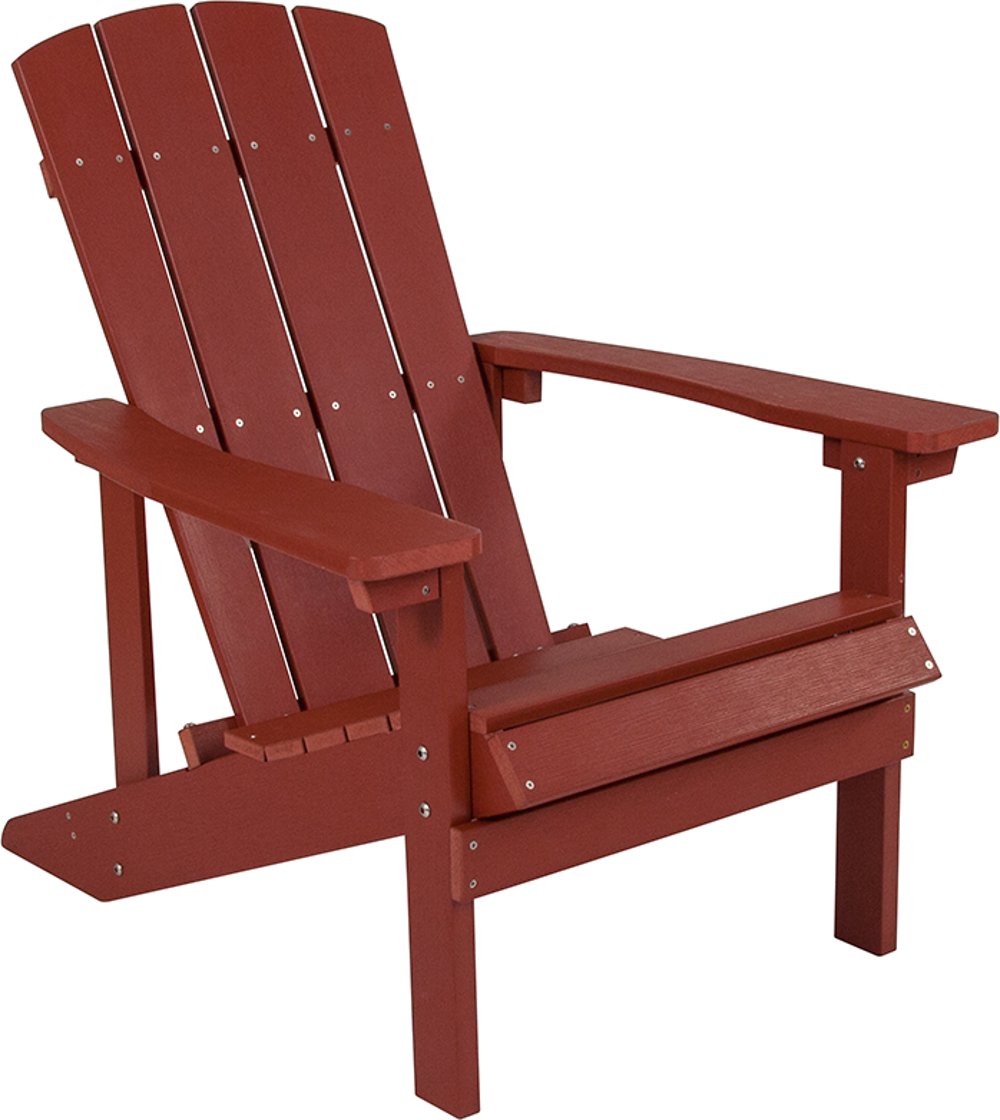
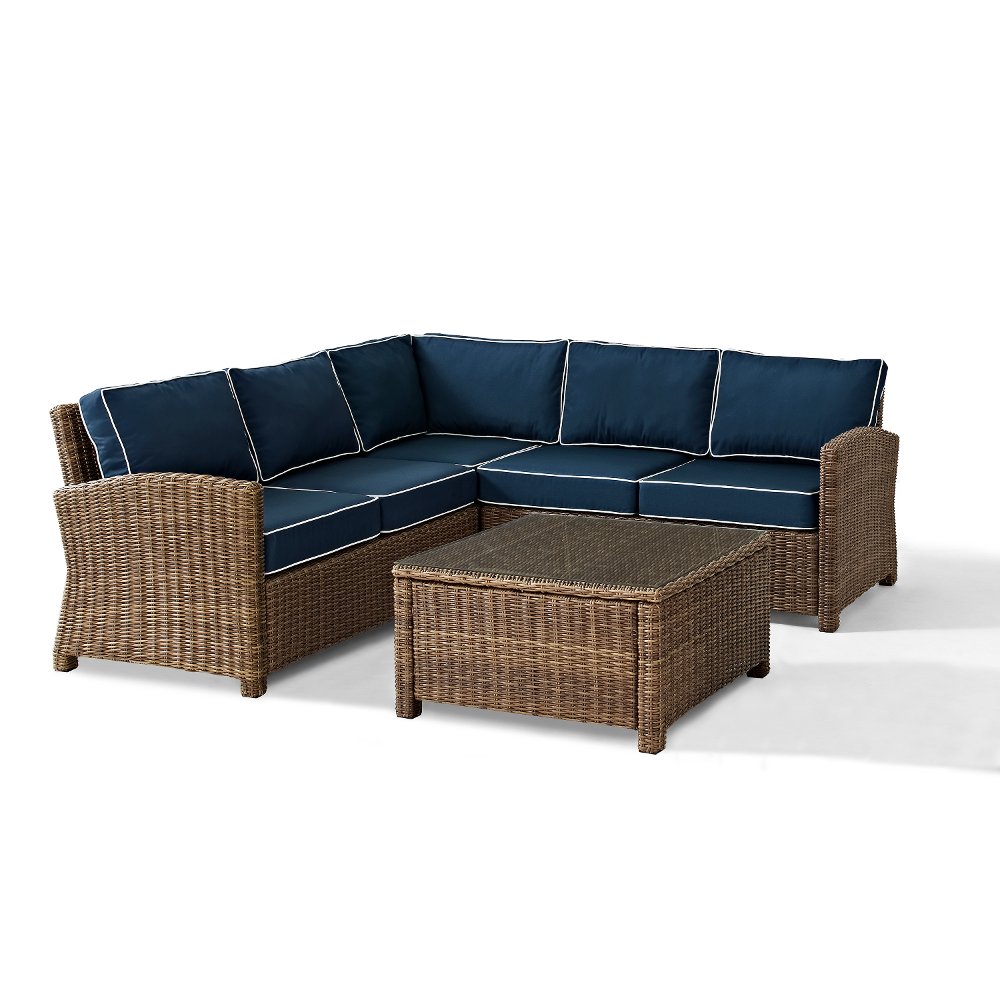
Patio furniture for winter brings comfort to outdoor spaces where cold air, damp surfaces, and occasional snow can make ordinary seating less practical. The most suitable materials generally include powder-coated aluminum, high-density polyethylene (HDPE), quality synthetic wicker, and naturally durable woods such as teak, with the right choice depending on exposure and the manufacturer’s care instructions. A covered porch used for a quiet cup of coffee has different needs than an open deck that collects drifting snow. For a sheltered space, comfortable seating with removable cushions can make short visits outside feel inviting. For an exposed patio, easy-to-clean frames, minimal upholstery, and furniture designed to shed water deserve extra attention. Winter-ready outdoor furniture should fit the way you actually use the space, whether that means a compact conversation area for two, a dining arrangement for occasional outdoor meals, or generous seating for family visits on clear afternoons. Deep seats offer room to settle in with a blanket, while more upright seating can make eating, chatting, and standing up easier. Seat height, arm support, and cushion firmness matter just as much outside as they do in a living room. A sturdy armrest gives someone a place to rest an elbow and can provide support when getting up, though stability depends on the furniture’s construction and placement. Furniture dimensions also need to work with the usable patio area rather than its total square footage. Leave comfortable walking routes between doors and seating, allow dining chairs to pull back without catching on nearby furniture, and keep access clear for removing snow. On a narrow balcony, a smaller footprint can feel more welcoming than a large arrangement that leaves little room to move. Low-profile frames preserve views from inside, while coordinated finishes help an outdoor seating area feel connected to the rooms beyond the patio door. A thoughtful fit makes the space useful without crowding it, even when winter means spending shorter stretches outdoors.
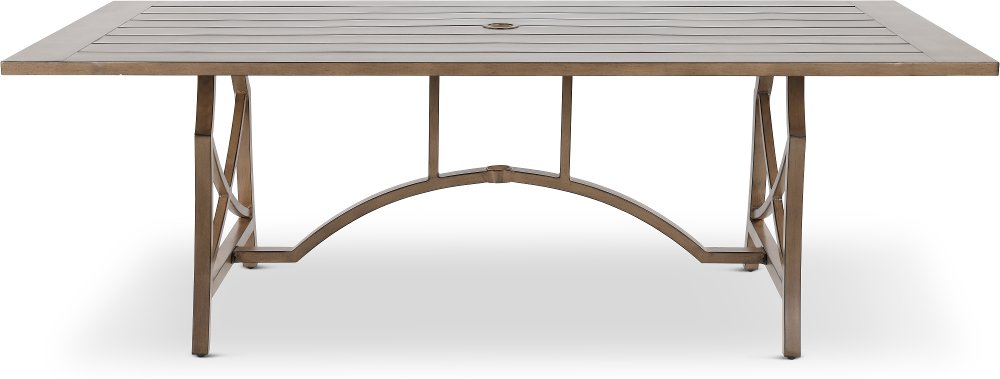
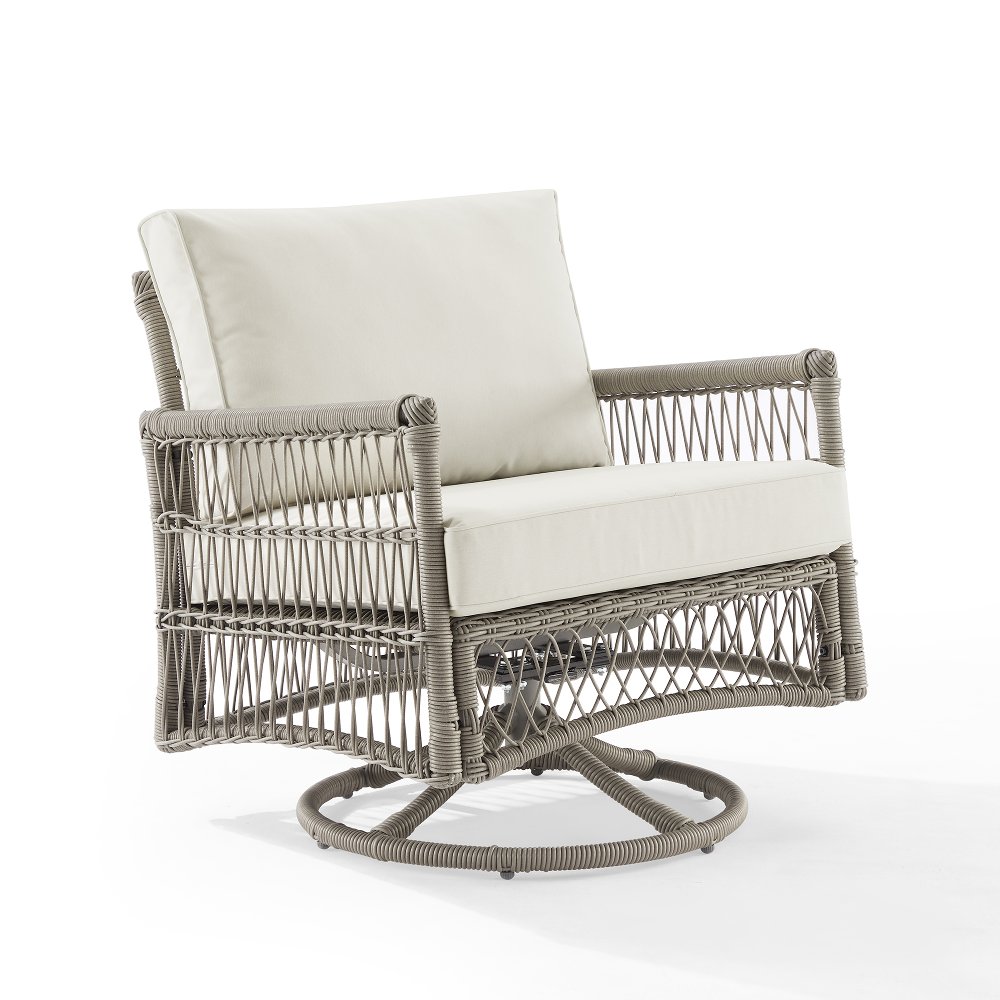
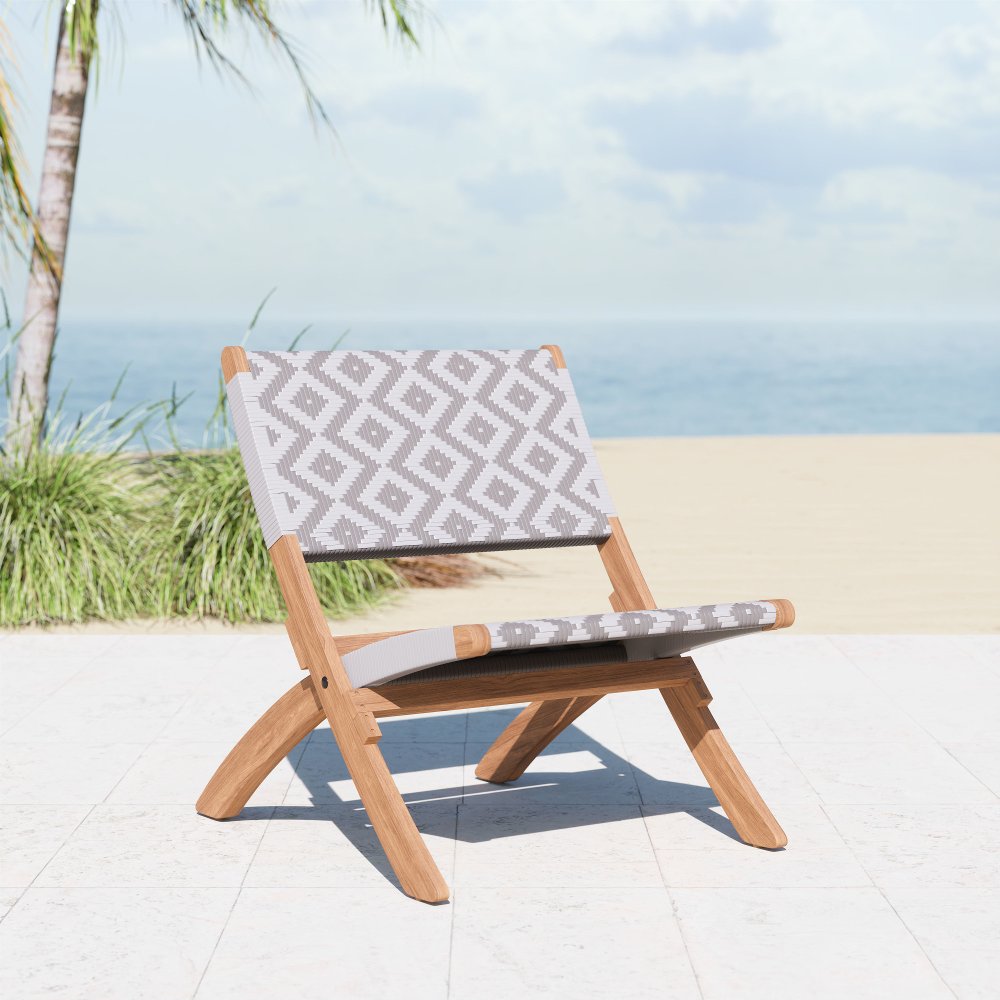
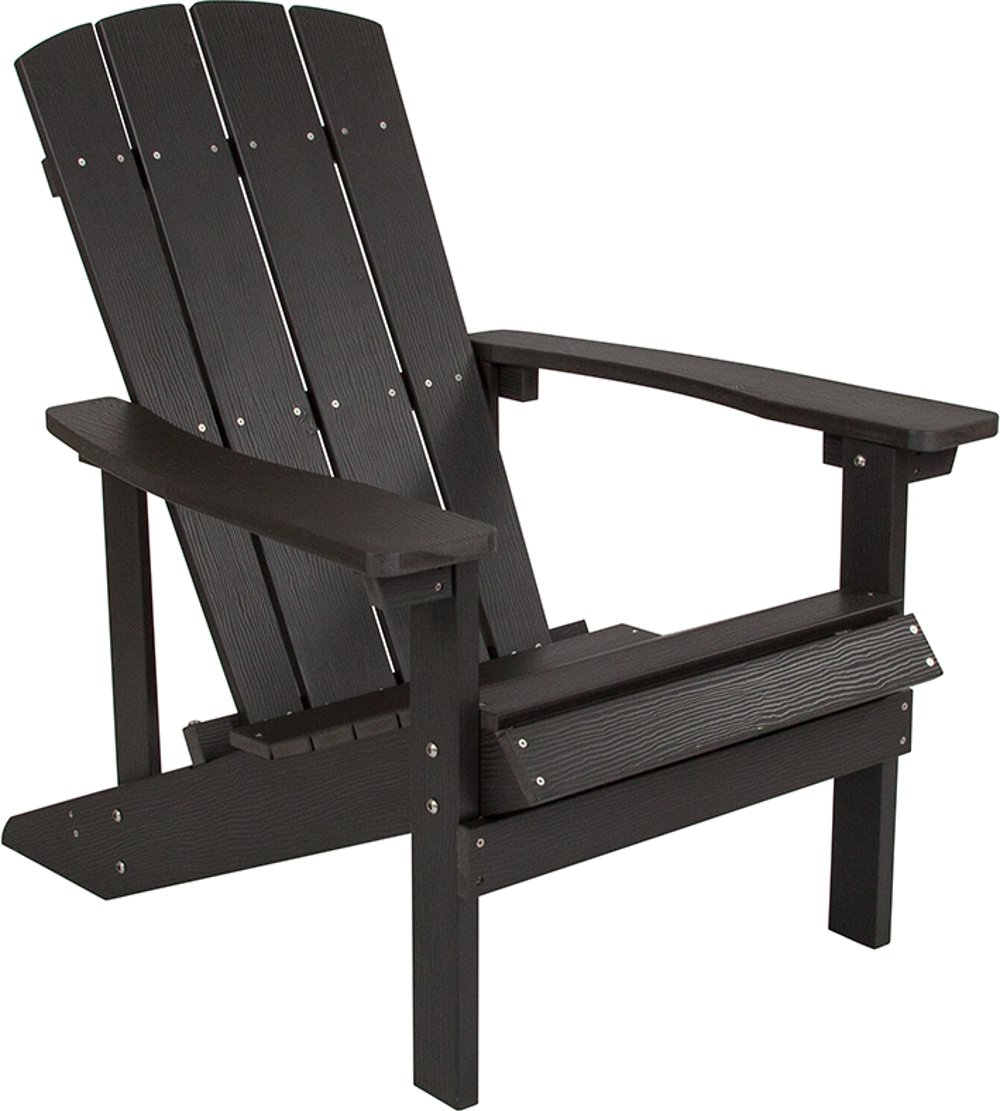
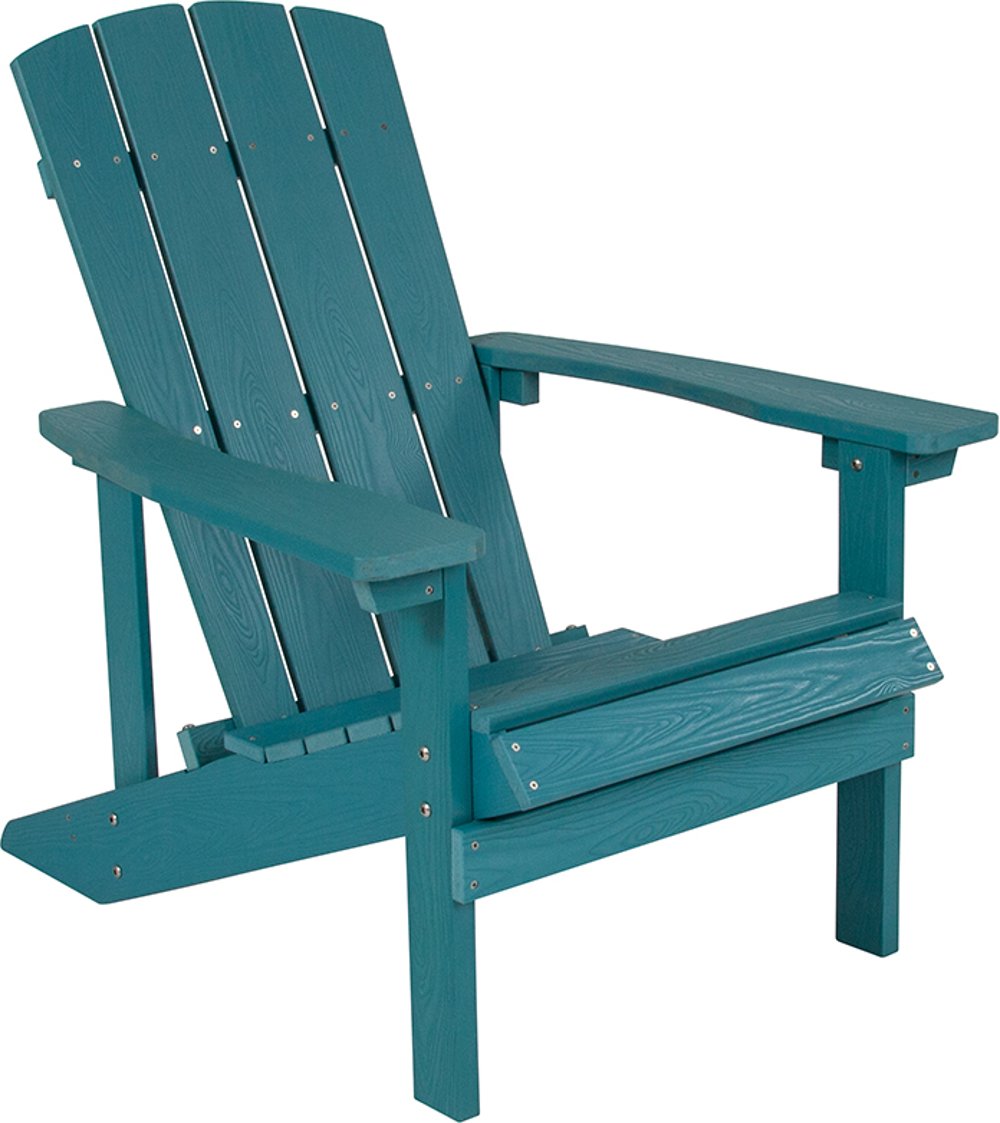
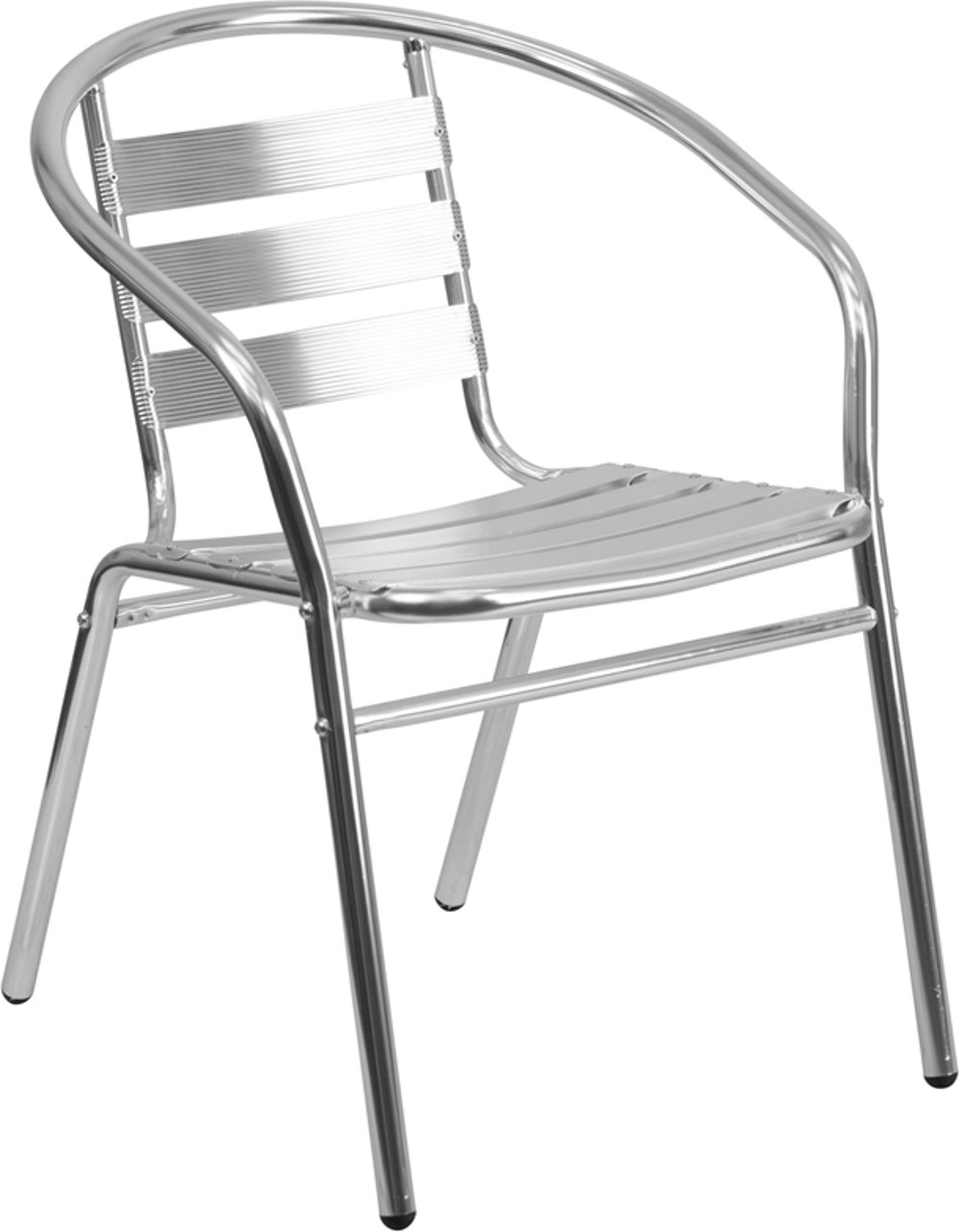
Material choice plays a major role in how outdoor furniture handles winter moisture and temperature changes. Aluminum does not rust like iron, and a sound powder-coated finish adds protection while creating a smooth surface that’s easy to wipe clean. Its lighter weight makes rearranging or storing furniture easier, but wind exposure matters; lightweight frames need secure storage or an appropriate anchoring solution when strong winds are expected. Steel and wrought iron offer substantial weight and a solid feel, although exposed metal can rust wherever protective coatings chip or wear away. Those materials benefit from regular inspection, prompt attention to finish damage, and protection from standing water. HDPE outdoor furniture resists moisture and rot, making it a practical option for spaces that see rain or snow. It’s also easy to clean, but construction quality, hardware, and manufacturer-rated temperature limits still matter. No material makes every furniture design suitable for uncovered winter storage. All-weather wicker typically means synthetic wicker, often polyethylene, woven over a supporting frame. Unlike natural rattan, quality synthetic wicker is designed for outdoor exposure, though resistance to cold and cracking varies by formulation and construction. Tight, even weaving and a durable underlying frame are useful details to consider. Teak offers natural resistance to moisture and decay and can develop a silvery-gray patina outdoors. That color change is part of its natural weathering, not necessarily a sign of damage, but wood still needs suitable cleaning and care. Other woods may require different finishes or more protection, so the material name alone doesn’t tell the whole story. Tabletops deserve equal attention: glass, tile, stone, and composite surfaces have different care requirements, and some need protection from freezing conditions or trapped moisture. Smooth surfaces make spills and damp leaves easier to remove, while slatted designs can help water drain. Across materials, solid joints, corrosion-resistant hardware, replaceable components, and clear care instructions are meaningful signs of furniture built for repeated outdoor use. “All-weather” is a useful category description, not a promise that furniture can remain unprotected through every winter storm.
Cushions and upholstery add comfort to winter patio seating, but they work best when their care needs fit your routine. Outdoor performance fabrics may resist fading, repel light moisture, and clean up more easily than indoor upholstery, yet water-resistant fabric is not the same as waterproof construction. Seams, zippers, and cushion interiors can still admit or retain moisture. Removable covers and cushions that are easy to carry indoors make everyday use simpler, especially when a dry seat is the difference between enjoying a few minutes outside and heading straight back in. Quick-drying cushion construction can help after light exposure, but cushions should dry completely before being covered or stored. A dry, ventilated indoor storage area is generally a better winter home for soft furnishings than a tightly sealed container holding damp fabric. Furniture covers add another layer of protection when they’re properly sized, secured, and used as directed. A close fit helps limit wind movement, while suitable ventilation helps moisture escape instead of collecting underneath. Covers should shed water rather than form deep pockets, and accumulated snow should be removed gently according to the furniture and cover instructions. Clean frames before extended storage, let surfaces dry, and keep furniture away from standing water whenever possible. Stackable or folding designs can make sheltered storage easier, provided the furniture is intended to stack or fold. For spaces used throughout winter, warmth belongs in the layout from the beginning. Pairing comfortable seating with outdoor patio heaters for winter can make an open-air gathering more comfortable when conditions allow, but heater placement must follow the manufacturer’s clearance and ventilation requirements. Keep furniture, cushions, blankets, and covers outside the required clearance area, and use fuel-burning outdoor heaters only in locations approved for them, never in enclosed rooms or garages. A protected furniture arrangement, a convenient spot for a warm drink, and cushions that can come inside easily make a patio feel more usable without creating a complicated upkeep routine. The right winter patio furniture balances comfort with realistic care, giving your outdoor space a welcoming purpose while respecting the demands of its surroundings.
Read More