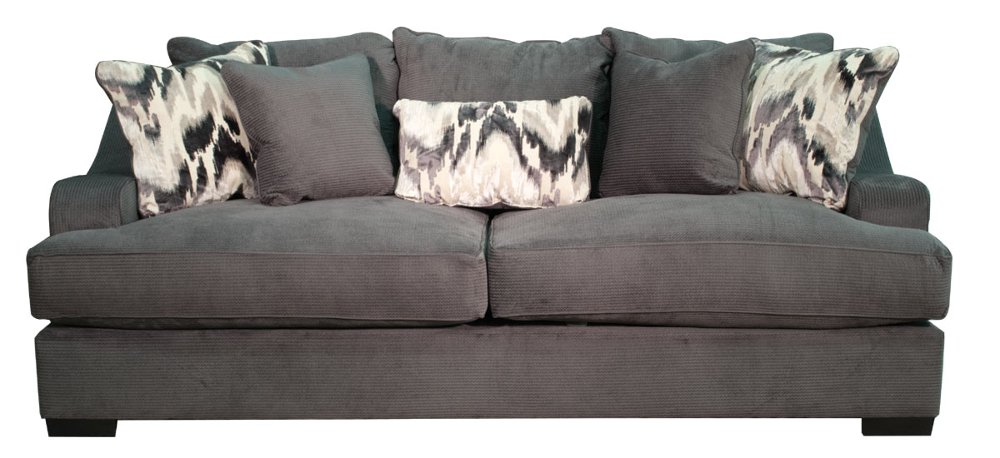
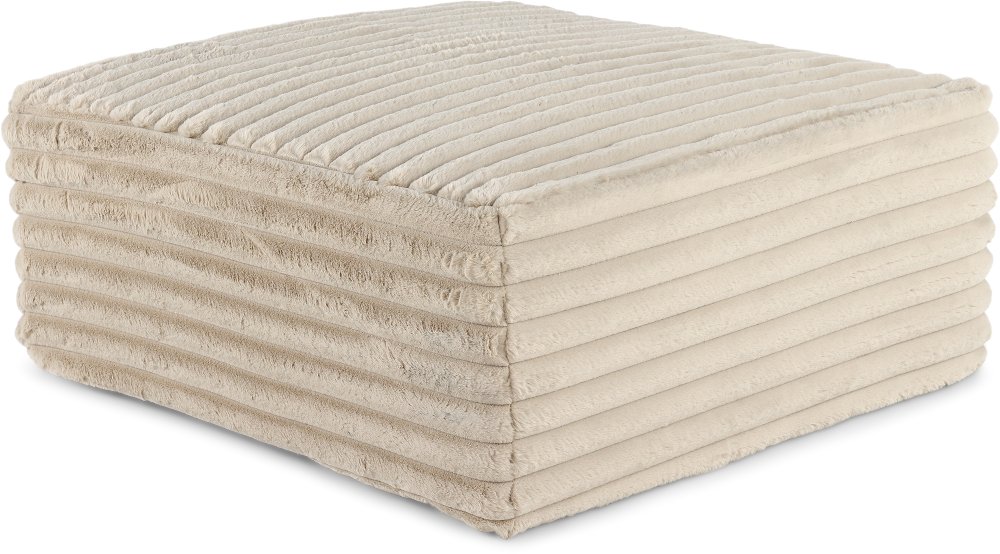
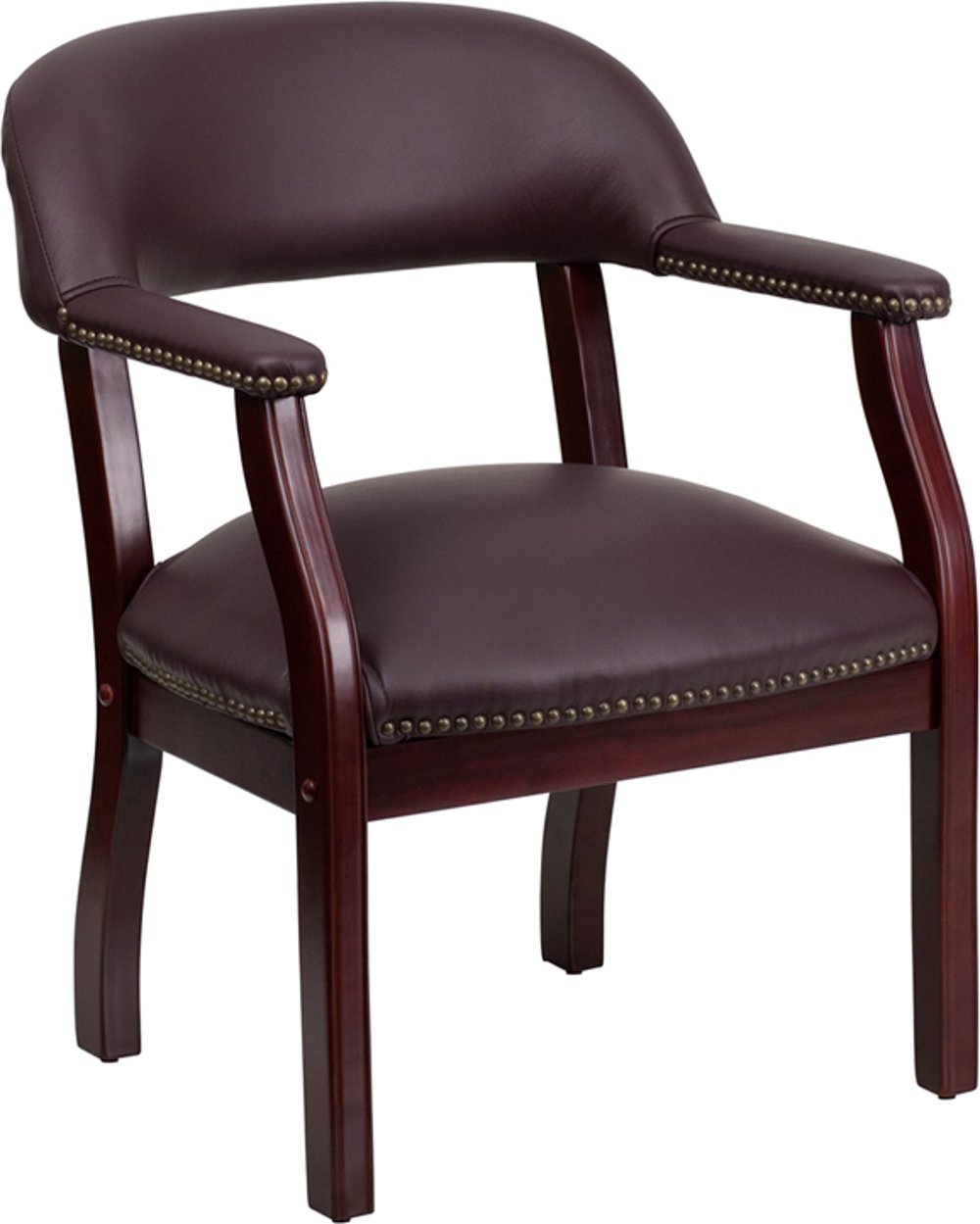
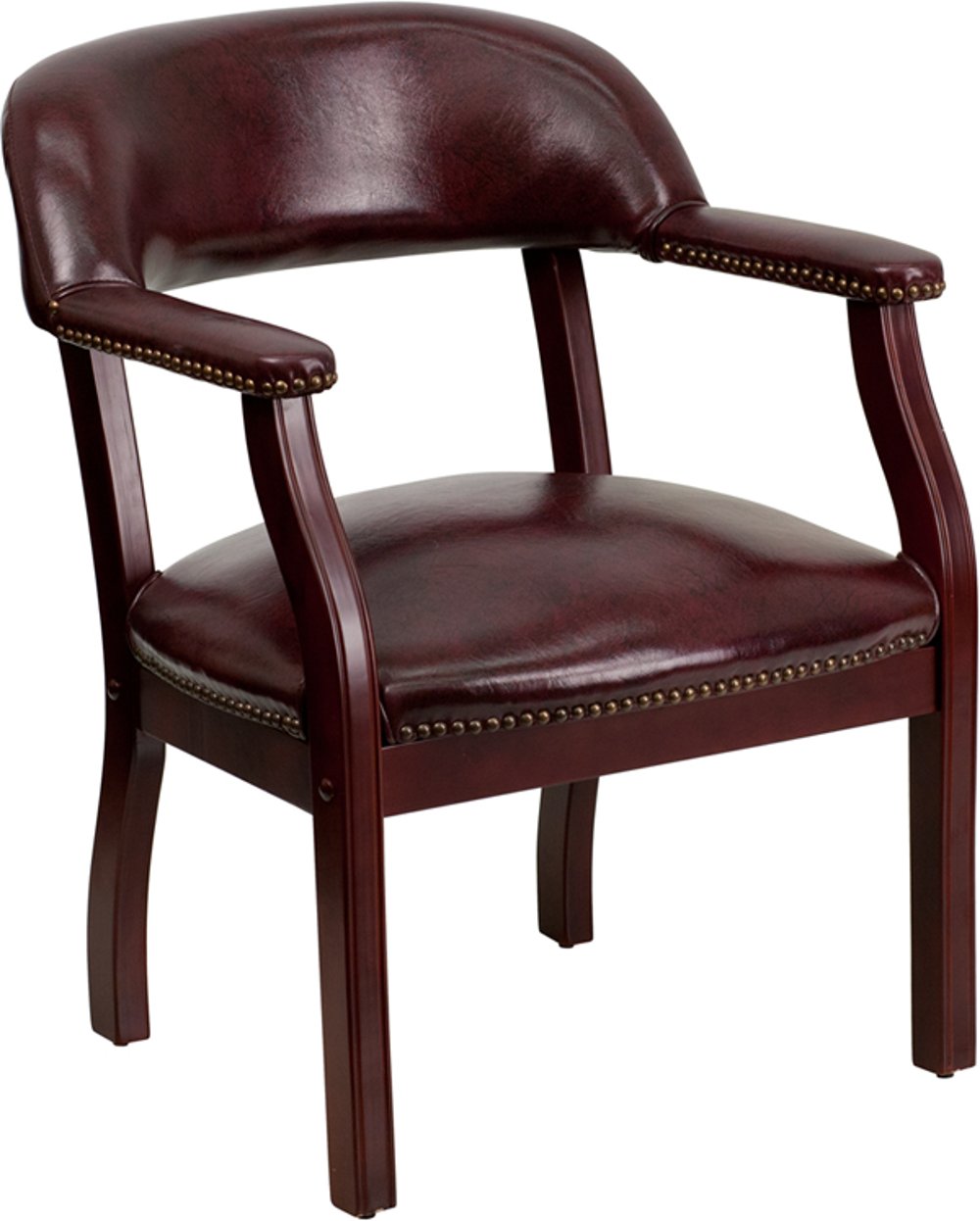
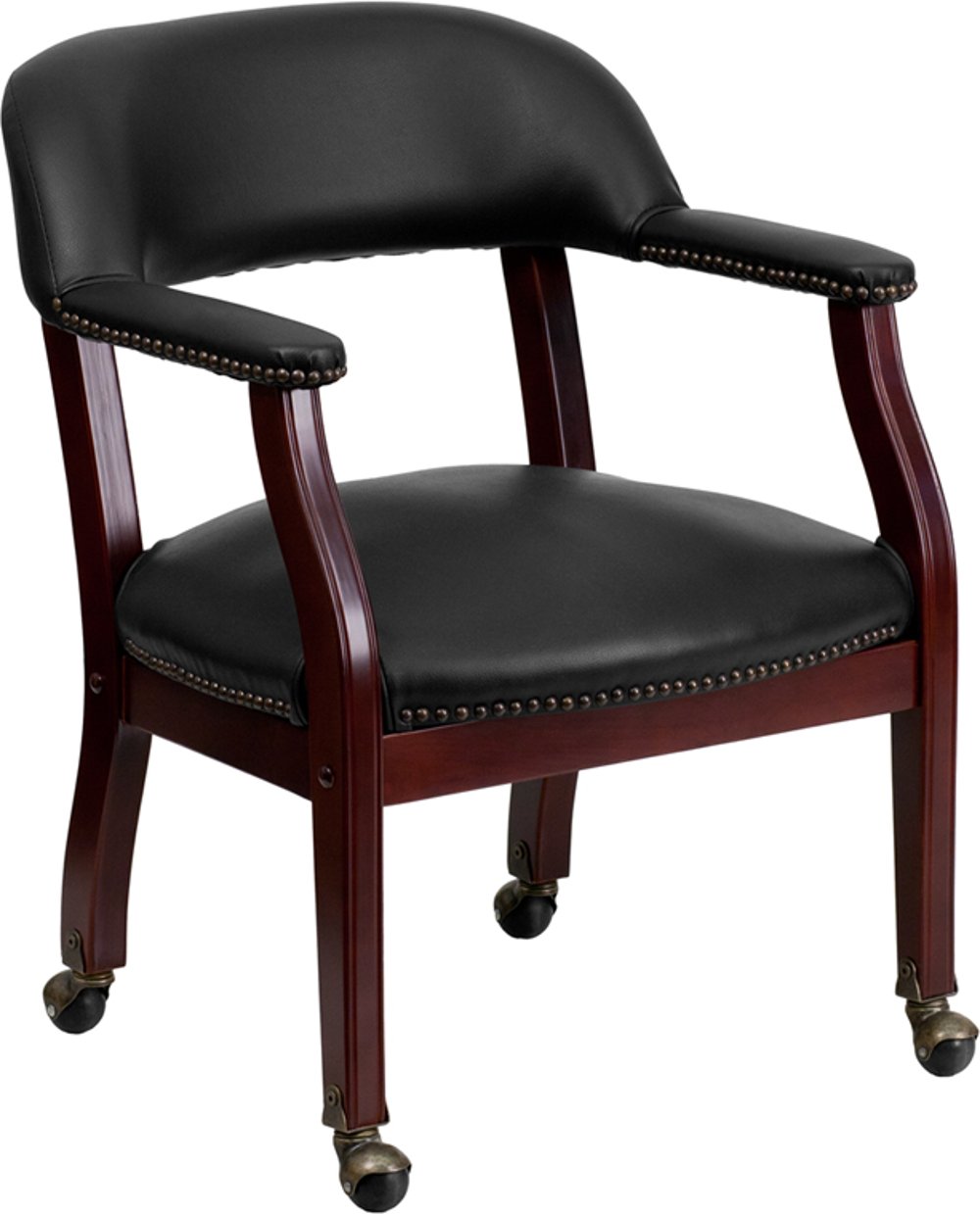
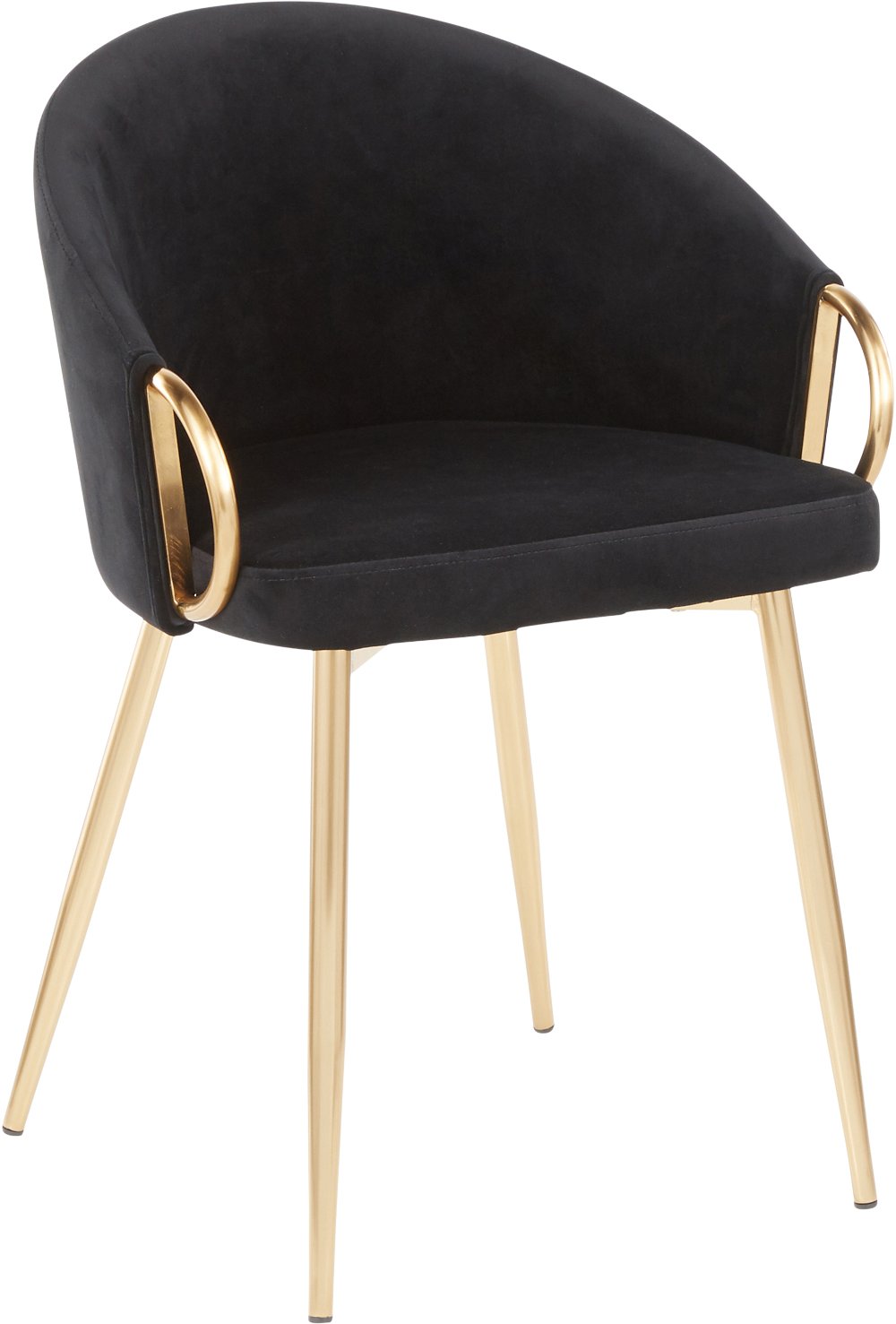
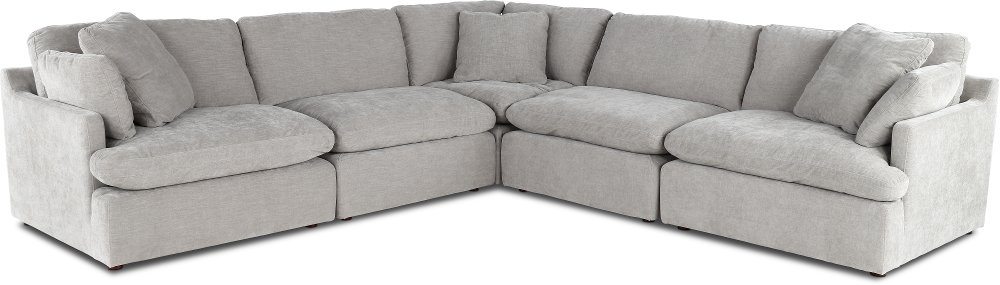
Plush furniture makes room for the moments when comfort matters most: settling in with a book, sharing a movie with family, or stretching out after a full day. Its appeal comes from the combination of inviting upholstery, generous cushioning, and shapes that feel welcoming before you even sit down. A softly padded sofa can anchor a living room without making it feel formal, while a cushioned armchair gives a quiet corner a purpose. Sectionals create space for people to gather, and upholstered ottomans offer a comfortable place to rest your feet. Plushness isn’t one particular style or a promise that every seat will feel the same. Some designs have deep, relaxed seats that encourage lounging; others pair pillowy backs with a more supportive seat that makes conversation and everyday sitting comfortable. Rounded arms, padded edges, and full cushions contribute to that soft look, but clean lines and tailored upholstery can keep the overall effect streamlined. This flexibility lets plush seating fit into everything from a casual family room to a carefully arranged apartment living area. Neutral upholstery leaves room for colorful rugs and artwork, while a richer fabric color can give an otherwise simple space a clear focal point. Texture matters just as much as color: a nubby weave feels visually relaxed, velvet adds a subtle sheen, and leather brings a distinct grain that gives broad cushions definition. Households with frequent guests may appreciate several supportive places to sit rather than one extra-deep lounging area. Someone furnishing a reading nook might care more about a padded arm at the right height and enough seat depth to tuck up their legs. The most comfortable arrangement reflects how you actually spend time at home, whether that means sitting upright with a crossword or sharing a wide cushion with a child during story time. Plush furniture can look generous and inviting while still serving those very practical routines.
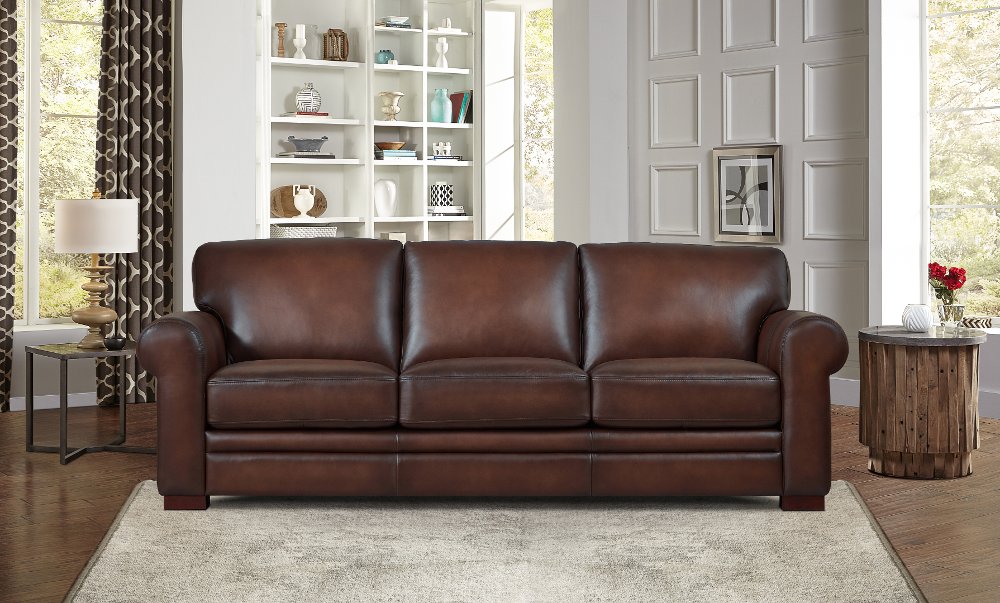
The materials beneath and around the cushions shape how plush furniture feels over time. Foam provides structure, while fiber, feather, or down blends may add softness around a cushion’s core. Cushions with loose fill often need regular fluffing to keep their shape, and a soft wrap over a supportive core can create a different sitting experience from a cushion that allows a deeper sink. Neither feel is automatically better; what matters is whether the seat supports your body comfortably for the way you use it. Back cushioning deserves equal attention, especially when you spend long stretches reading or watching television. Upholstery brings another layer of choice. Chenille often has a soft, textured surface, while velvet’s pile can show changes in shade as the fibers move. Woven fabrics range from smooth and tightly constructed to visibly textured, with different care needs and resistance to everyday wear. Performance fabrics may offer useful stain-resistance or cleanability features, but the term doesn’t mean every spill will disappear or every cleaning method is safe. The stated fabric specifications and care instructions tell a more useful story. For a supple surface with a different look and feel, plush leather sofas pair cushioned seating with the natural character of leather. Leather type and finish influence softness, markings, and maintenance; some surfaces develop a noticeable patina, while others have protective finishes that help them maintain a more consistent appearance. In a busy household, durability also depends on construction beyond the upholstery. A well-built frame, secure joints, and an appropriate suspension system help support repeated daily use. Cushion density and firmness aren’t interchangeable, so a firm first impression alone doesn’t establish how well a cushion will hold up. Families with young children, people who share seating with pets, and anyone furnishing a frequently used gathering space benefit from weighing surface texture, construction, and care together rather than choosing by softness alone.
Fit turns an appealing piece of plush furniture into a comfortable part of your home. Overall width and depth matter, but seat height, usable seat depth, arm width, and back height often have a greater effect on daily comfort. Wide padded arms can take up a meaningful portion of a sofa’s footprint, leaving less sitting space than the outside dimensions suggest. A deep seat may feel wonderful for reclining yet leave a shorter person needing a cushion behind their back to sit with feet supported. Someone who prefers an easier transition from sitting to standing may feel more comfortable on a higher, more supportive seat than on a low cushion with substantial sink. In shared rooms, a mix of seating proportions can accommodate different preferences without sacrificing a cohesive look. The room needs breathing space, too. Leave comfortable paths around seating, allow clearance for doors and drawers, and account for the full motion of reclining furniture. Delivery access deserves the same attention as the final layout, including entryways, hallway turns, stair landings, and elevator dimensions where applicable. Once furniture is in place, consistent care helps preserve its inviting appearance. Vacuum upholstery with a suitable attachment to remove crumbs and dust from seams and crevices, following the manufacturer’s recommendations. Rotate or flip cushions only when their construction allows it, and gently reshape loose back pillows as needed. Blot spills promptly instead of rubbing them into the surface, then follow the upholstery’s cleaning code or the leather care directions before applying a treatment. A removable cushion cover isn’t necessarily machine washable, and excess moisture can damage some fabrics, finishes, or cushion interiors. Placement away from prolonged direct sunlight and concentrated heat can help limit fading and drying. A washable throw in a pet’s favorite spot may also make everyday upkeep simpler. With proportions that suit your space, materials that match your routine, and care you can comfortably maintain, plush furniture offers more than a soft first impression. It gives everyday life a welcoming place to land.
Read More