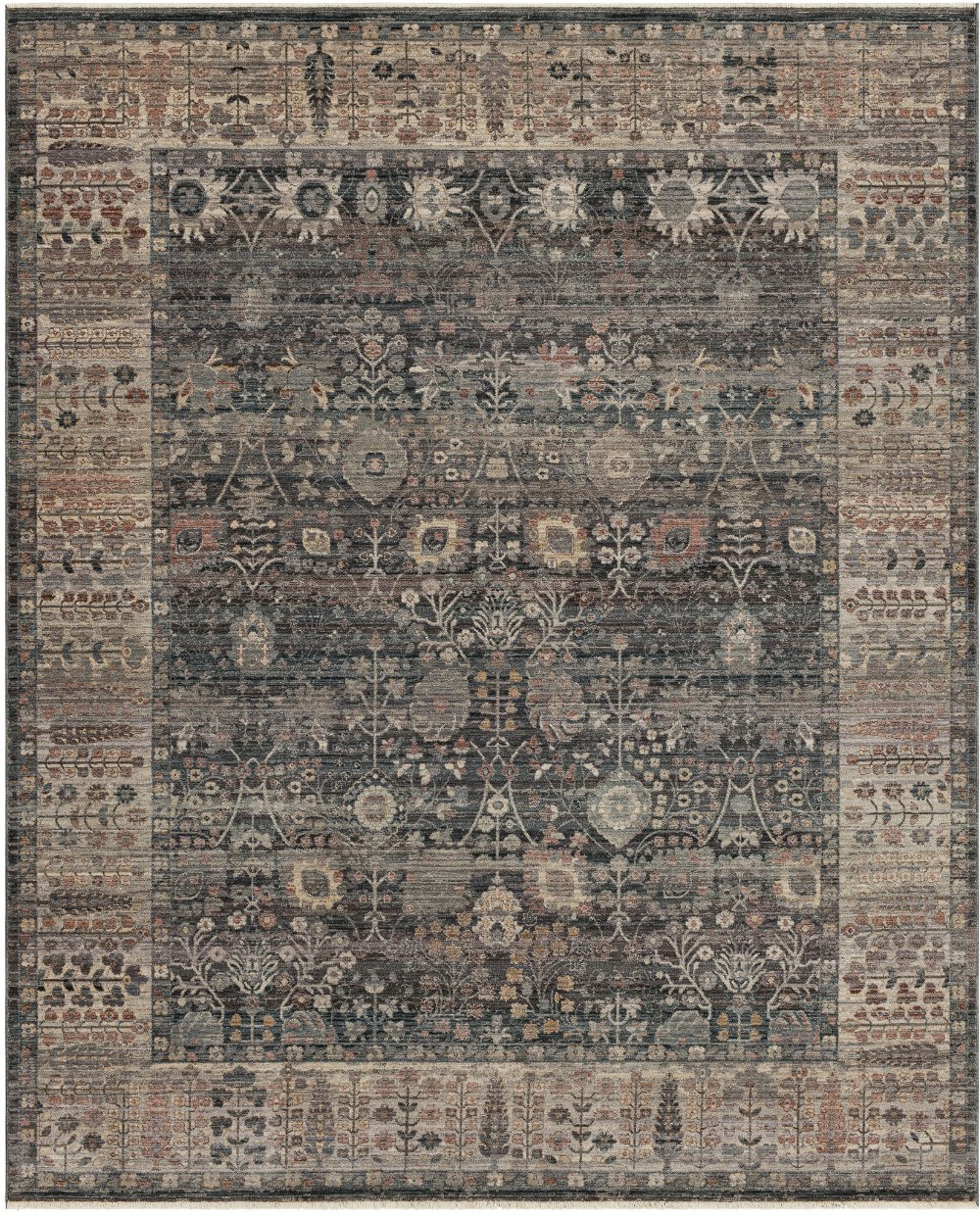
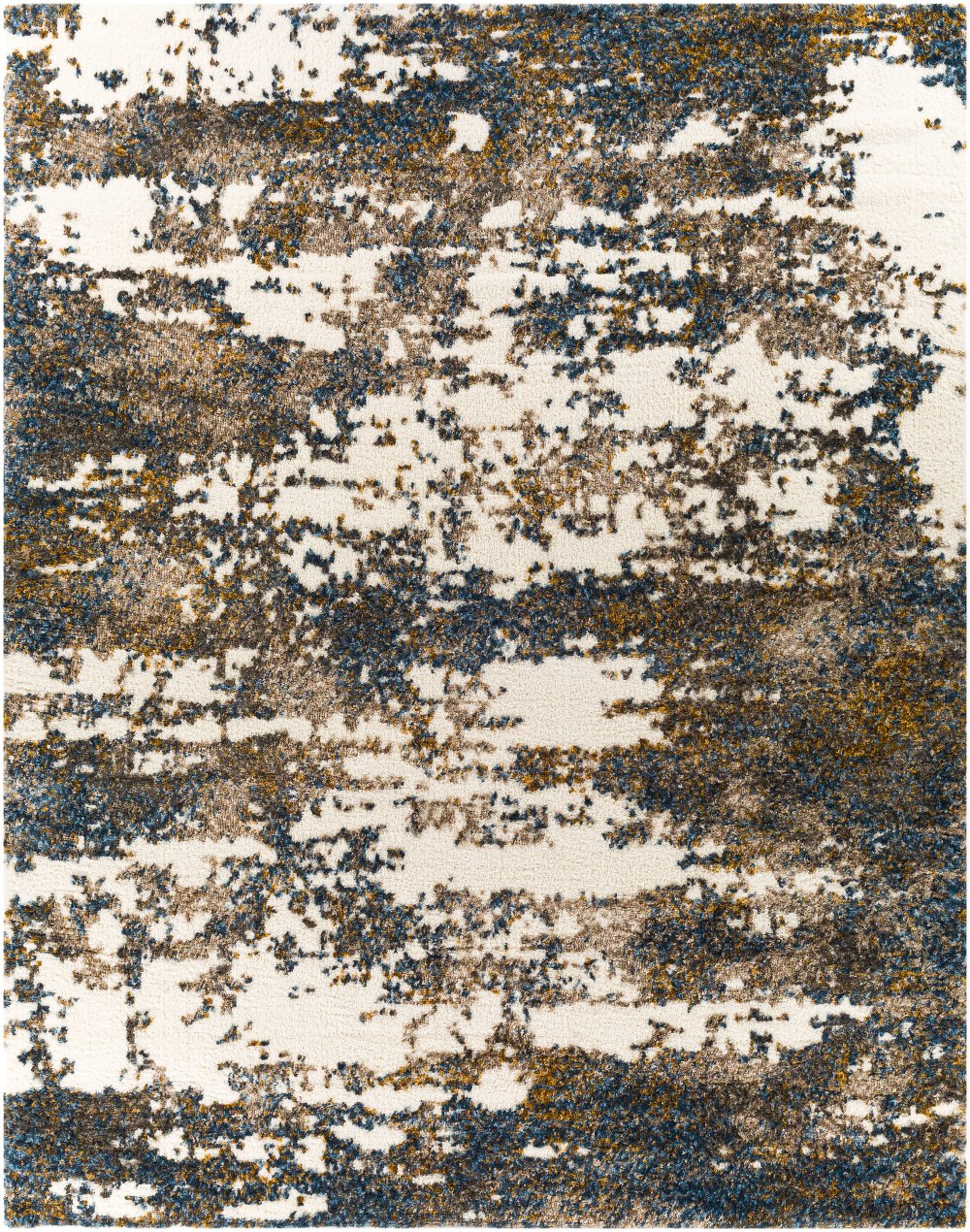
Polyester shag area rugs pair synthetic polyester fibers with a long, raised pile that feels soft underfoot and adds texture to a room. Their plush surface makes them especially inviting beside a bed, beneath a living room seating arrangement, or in a quiet reading corner. Polyester fibers absorb relatively little moisture and resist many water-based stains, but the rug’s construction, backing, and care requirements still matter. Oil-based spills can be harder to remove, and a deep pile needs more attention than a flatwoven surface. That balance makes polyester shag a comfortable choice for spaces where softness takes priority over heavy traffic or frequent food spills. The look can vary considerably, too. Fine, silky strands may catch the light and give a solid color subtle movement, while thicker yarns create a fuller, more casual texture. Some styles have a loose, tousled appearance; others feel denser and more cushioned. Pile height describes the length of the fibers, not necessarily how thick or supportive the rug feels, so consider density and backing alongside that measurement. In a room with a smooth leather sofa, a glass coffee table, or streamlined wood furniture, shag adds contrast without requiring another pattern. Cream, beige, and soft gray can keep the room feeling open, while deeper shades create a more defined foundation beneath furniture. Color also affects everyday upkeep: very light surfaces tend to reveal dark debris, while dark rugs can make pale lint and pet hair more noticeable. For a fur-inspired look, Faux Fur Shag Rugs offer a related texture to explore. Faux fur describes an appearance rather than a single fiber, so it’s still worth checking the material and care details. Whether the room leans contemporary, relaxed, or layered with traditional furniture, a shag rug can soften its edges and make a favorite spot feel more inviting.
The right size helps a polyester shag area rug feel like part of the room rather than a small accent floating between furniture. In a living room, a useful starting point is a rug large enough to sit beneath the front legs of the sofa and nearby chairs. This arrangement connects the seating while leaving some of the surrounding floor visible. An 8-by-10-foot or 9-by-12-foot footprint may suit that layout, depending on the furniture dimensions and the room’s shape; measuring the actual arrangement matters more than relying on a standard size alone. Outline the proposed edges with painter’s tape approved for the floor finish, then check how people move around the space. A coffee table should sit securely, and the rug edge shouldn’t fall directly where someone naturally steps between rooms. In a bedroom, position the rug so it extends beyond the sides of the bed where feet land, rather than leaving most of its soft surface hidden underneath. Smaller rugs can work beside a bed or under an accent chair, provided they stay stable and leave doors enough clearance. Remember to account for both the pile height and the rug pad when checking that clearance. High pile is generally better suited to bedrooms, sitting areas, and other lower-traffic spaces than to busy entrances, dining areas, or a desk with rolling casters. Chair legs can catch in the fibers, crumbs settle between strands, and wheels may not move easily. A soft floor surface can make seated play more comfortable, but small toys are easier to lose in deep shag. Homes with pets also benefit from considering how easily hair can be removed and whether claws might snag the rug’s construction. For households that spend plenty of time stretching out on the floor, these practical details help match that appealing plush feel to everyday routines.
Care and construction have a big influence on how polyester shag area rugs hold their appearance. Polyester offers good color retention and softness, but repeated foot traffic and furniture weight can flatten the pile. Dense construction may help a rug feel fuller, yet no fiber or pile height alone guarantees durability. Look at the backing, edge finishing, and recommended use as well as the surface. A compatible rug pad adds cushioning, helps limit movement, and reduces friction against the floor; choose one approved for the flooring material and the rug’s backing, since some combinations can affect certain finishes. Keep edges flat, especially along walking routes, and rotate the rug periodically when the room layout allows to distribute wear and light exposure. For routine cleaning, follow the manufacturer’s instructions and use a vacuum setting suited to long pile. A rotating brush or beater bar can catch or pull some shag fibers, so suction-only cleaning may be the appropriate choice when the care label permits it. Work gently rather than forcing the vacuum through the pile, and clean beneath the rug periodically to remove grit that settles through the backing. Address spills promptly by blotting with a clean, white cloth instead of rubbing, which can spread the spill and tangle the fibers. Use only a recommended cleaning solution, test it in a hidden area, and avoid soaking the rug. Even when polyester fibers resist moisture, the backing may respond differently and take longer to dry. Machine washing, steam cleaning, and carpet extraction aren’t suitable for every shag rug; a washable label must apply to the whole rug, not just its fiber content. Professional cleaning may be the better option for a large rug or a stubborn stain, depending on its care instructions. With a size that fits the furniture, a stable foundation, and a realistic cleaning routine, a polyester shag rug can bring comfortable texture to the places where you relax most.
Read More