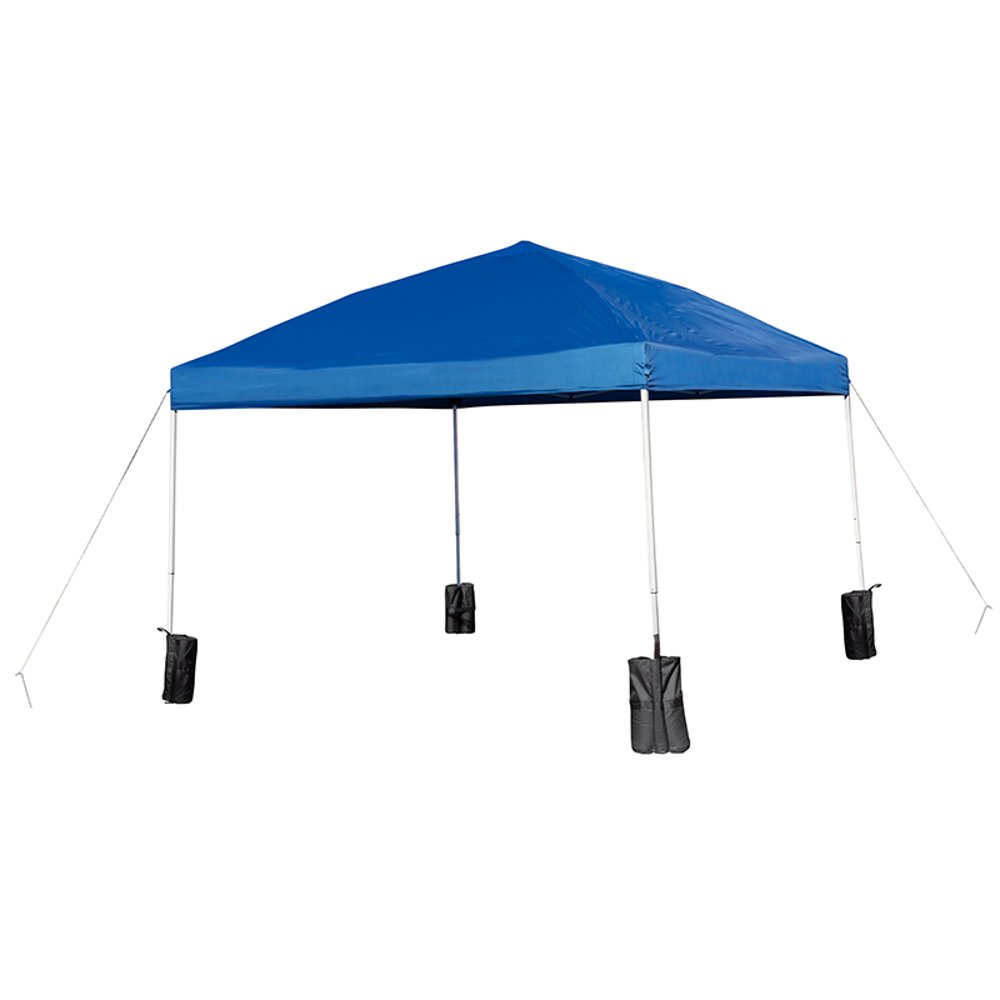
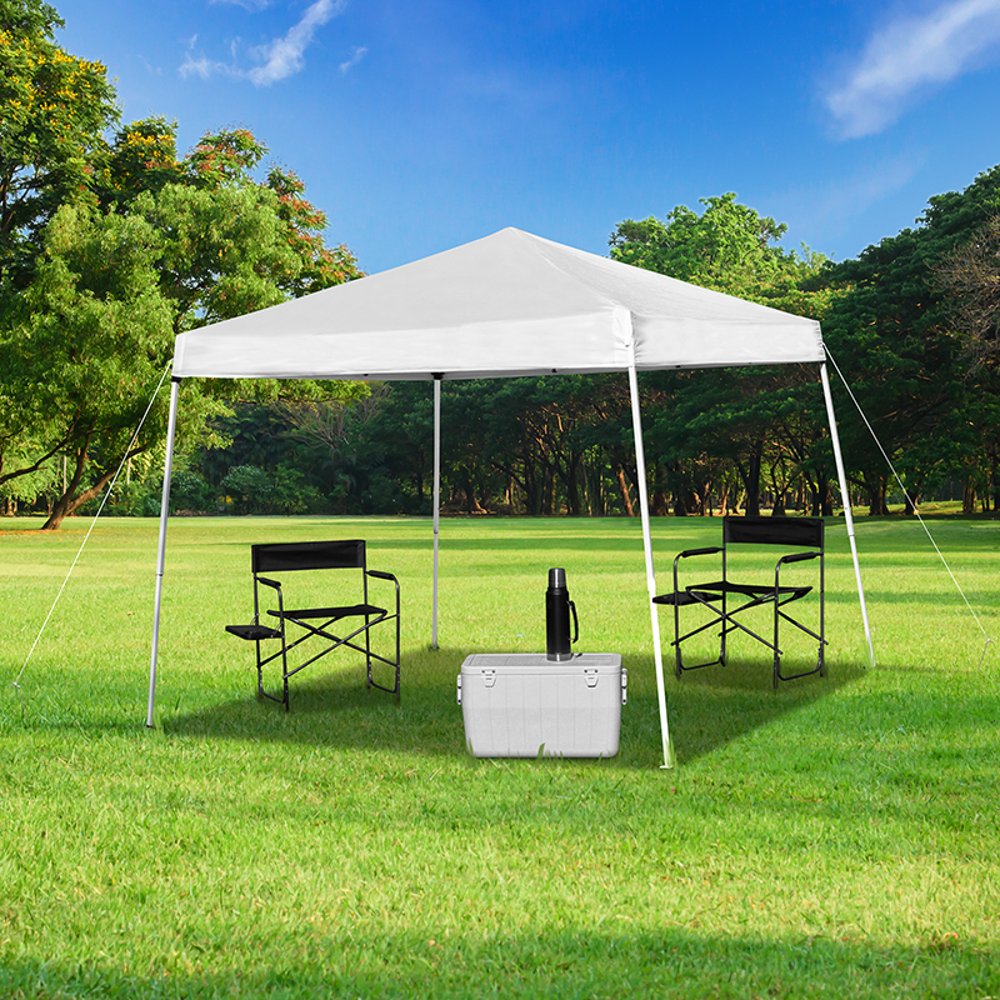
Portable canopies are freestanding, temporary shelters that create a shaded gathering space for backyard meals, tailgates, camping trips, sporting events, and outdoor celebrations. Typically built with a folding frame and fabric roof, they offer overhead coverage without the permanent footprint of a gazebo or patio structure. A canopy can turn a stretch of lawn into a comfortable spot for folding chairs, give a picnic table a little separation from the surrounding activity, or help define a serving area at a family reunion. For parents spending hours beside a playing field, that covered space becomes a home base for water bottles, snacks, and a break between games. For craft vendors and community volunteers, it can help organize a display or check-in station while keeping the setup portable. The right fit starts with the space beneath the roof and the room needed around it. A canopy’s listed dimensions may describe its roof coverage or its ground footprint, so the manufacturer’s measurements matter, especially when angled legs extend beyond the shaded area. A dining table with chairs pulled out needs more room than a compact refreshment station, and an aisle between display tables should allow people to move without bumping the frame. Roof height and adjustable legs also affect comfort, particularly for taller guests or setups with raised tables. On a patio, account for doors, steps, low branches, and nearby rooflines rather than measuring only the open floor area. At a campsite or event venue, space rules and anchoring requirements can be just as important as square footage. Portable shade works best when the shelter suits the activity: a smaller gathering area for a few spectators, a broader covered space for serving food, or an open-sided layout that keeps conversation and foot traffic moving naturally. Coverage changes as the sun moves, too, so the roof dimensions alone won’t tell the whole story of how much usable shade a setup provides throughout an event.
Frame and roof materials shape how portable canopies feel to carry, how they handle repeated assembly, and how much attention they need between outings. Steel frames tend to feel substantial, while aluminum frames are often lighter than comparable steel designs, a helpful distinction when the walk from the parking lot is part of every trip. Neither material tells the full durability story on its own. Leg dimensions, joints, locking mechanisms, and the overall construction all contribute to stability and ease of handling. Powder-coated steel can resist corrosion, but scratches and chipped finishes deserve attention according to the manufacturer’s care instructions. Fabric roofs commonly use polyester or other synthetic materials, sometimes with coatings intended to improve water resistance or sun protection. Those features vary, and a water-resistant cover isn’t necessarily waterproof. Seams, roof shape, fabric condition, and proper tension all influence performance in light rain; portable canopies aren’t a substitute for substantial shelter when severe weather threatens. For sun protection, look for a stated UPF rating rather than assuming every fabric blocks the same amount of ultraviolet radiation. Shade can make an outdoor space more comfortable, but reflected sunlight and exposure around open sides still call for sunscreen and other appropriate protection. Setup details matter just as much during an ordinary outing. A folding frame that opens smoothly, clearly marked height adjustments, and release mechanisms designed to keep fingers away from pinch points can make assembly feel more manageable. Explore Easy Setup Canopy Tents with the usual setup crew in mind, whether that means two adults unloading for a tournament or a household preparing the backyard before guests arrive. Follow the stated assembly requirements; a folding design doesn’t automatically mean one person can safely put it up. The packed dimensions deserve a look as well. A wheeled carry bag may simplify movement across pavement, while its usefulness on grass, gravel, or uneven ground depends on the wheels and the weight inside. Check the folded length against the vehicle’s cargo space and the storage spot at home, not just the amount of coverage the canopy provides once open.
The finishing details help a portable canopy fit the way it will actually be used. Open sides keep guests connected to the yard or playing field, while compatible sidewalls can offer privacy or reduce low-angle sun exposure. Mesh panels may help limit insects while allowing airflow, though no enclosure should be assumed to seal out every bug. Solid panels change how wind pushes against the structure, so use only compatible accessories and follow the manufacturer’s anchoring guidance for that configuration. Proper anchoring is essential even for short events: stakes may suit permitted ground installations, while approved weights or other specified methods may be needed on hard surfaces. A cooler, chair, or loosely attached household object isn’t a substitute for the anchoring system the manufacturer requires. Keep guy lines and bases visible and out of walking paths, especially where children are playing or guests are carrying plates. Canopies aren’t designed to remain standing through every condition; take them down when conditions exceed their stated limits, and never allow water or snow to accumulate on the roof. Grills, fire pits, and fuel-burning heaters need appropriate separation from fabric and combustible materials, and enclosed canopies aren’t safe spaces for equipment that produces carbon monoxide. Between gatherings, a little care helps preserve the shelter for its next outing. Brush away loose dirt, clean fabric and frame components as directed, and let everything dry completely before packing to help prevent mildew and odors. Avoid harsh cleaners unless the care instructions specifically allow them, since coatings and finishes can be damaged by the wrong treatment. Check hinges, fasteners, fabric corners, and attachment points for wear before the next setup, and keep the frame and cover in a dry storage area. For a gift, a portable canopy can be a thoughtful match for dedicated sideline supporters, frequent campers, or hosts who regularly bring people together outdoors, provided its carrying weight and storage needs fit their routine. A shelter that’s comfortable to transport, sized for familiar activities, and straightforward to care for can become a dependable part of many shared afternoons.
Read More