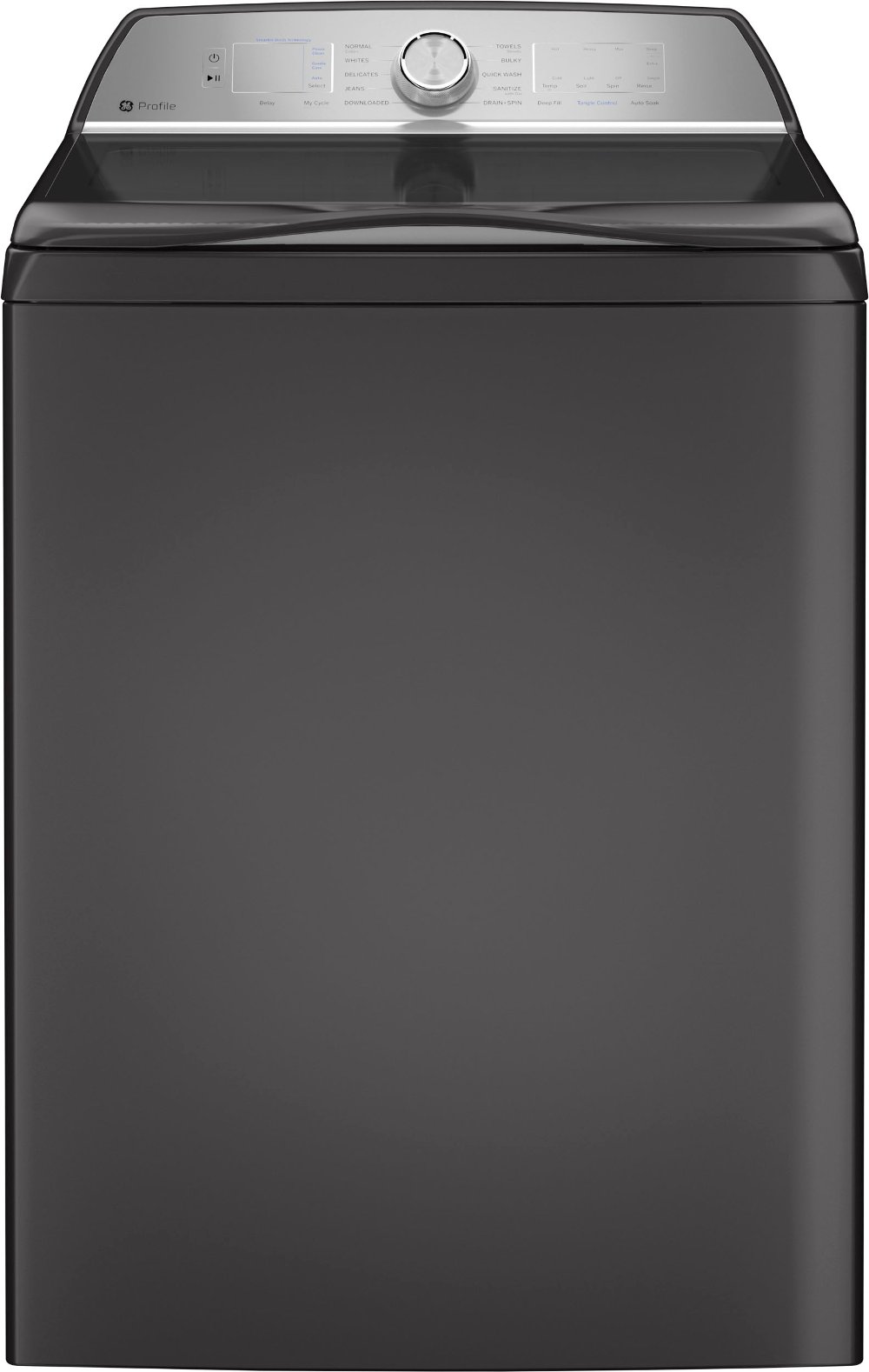
Quiet washing machines make laundry easier to live with, especially when the washer sits near a bedroom, home office, living area, or other shared space. A quieter appliance can help reduce the rumble that travels through floors and walls while a load washes or spins, making it more comfortable to run laundry during early mornings, evenings, nap times, or work-from-home hours. Many quiet washing machines operate in the approximate range of 40 to 55 decibels during the wash cycle, while spin cycles may reach levels below 70 decibels, although sound varies by model, load size, flooring, installation, and cycle selection. The wash portion is often a soft mechanical hum or the gentle movement of water and clothing, while the spin cycle creates more noticeable motion as the drum accelerates. Features that can help manage sound include direct-drive or inverter motors, which reduce friction from moving parts; sound insulation and damping materials, which help contain mechanical noise; and vibration-reduction systems that sense an unbalanced load and make adjustments before the drum reaches its highest speed. These details can be especially useful in compact homes, apartments, townhomes, and laundry rooms located beside frequently used rooms. They also suit households with young children, light sleepers, remote workers, or family members who prefer a calmer home environment. If you’re replacing a washer after a move, remodeling a laundry area, or furnishing a first home, a quiet washing machine can add everyday convenience without calling attention to itself. For households that value speed as well as a peaceful laundry room, explore Washing Machines With Quick Wash Cycles to find options designed to refresh smaller loads in less time.
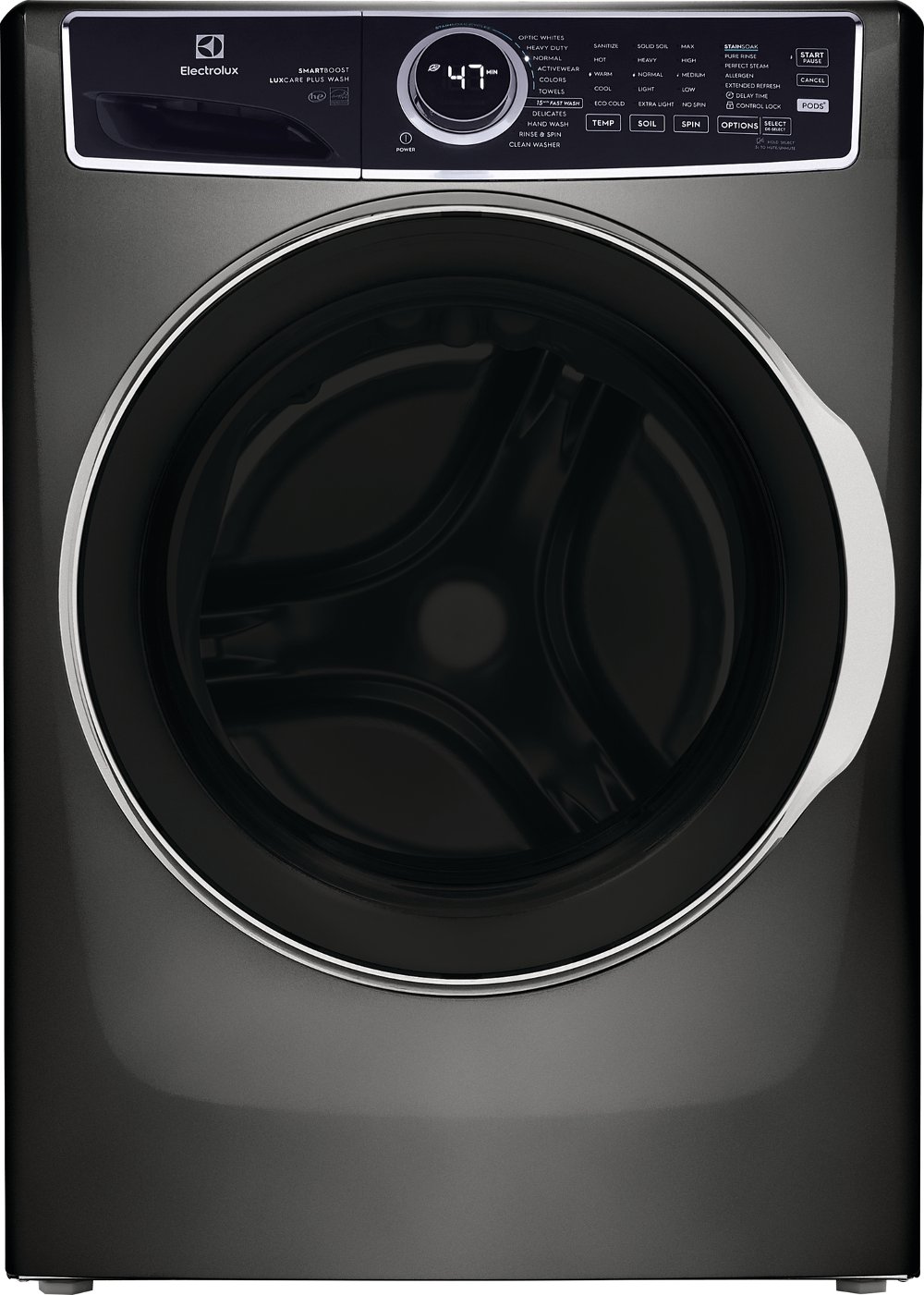
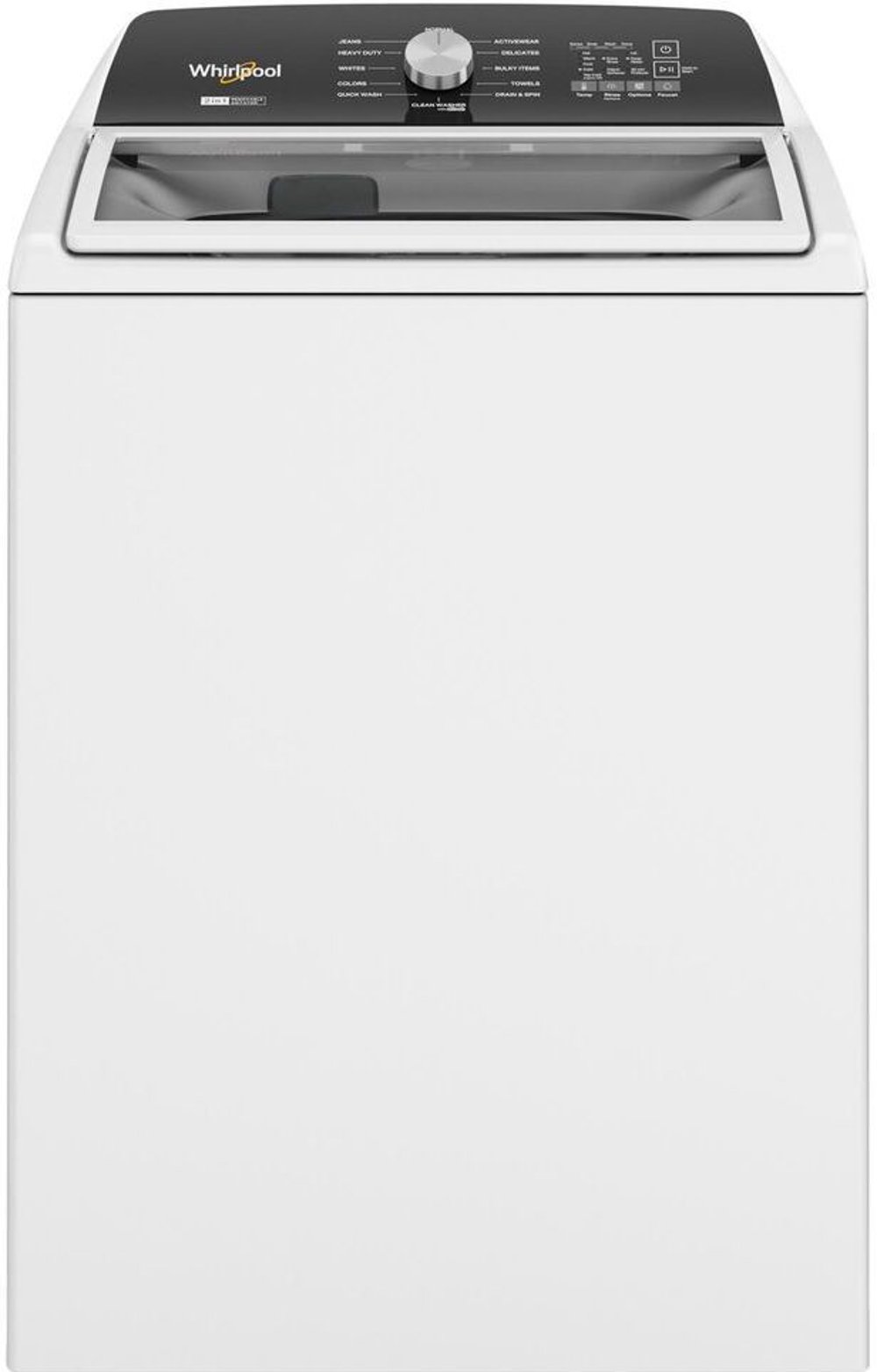
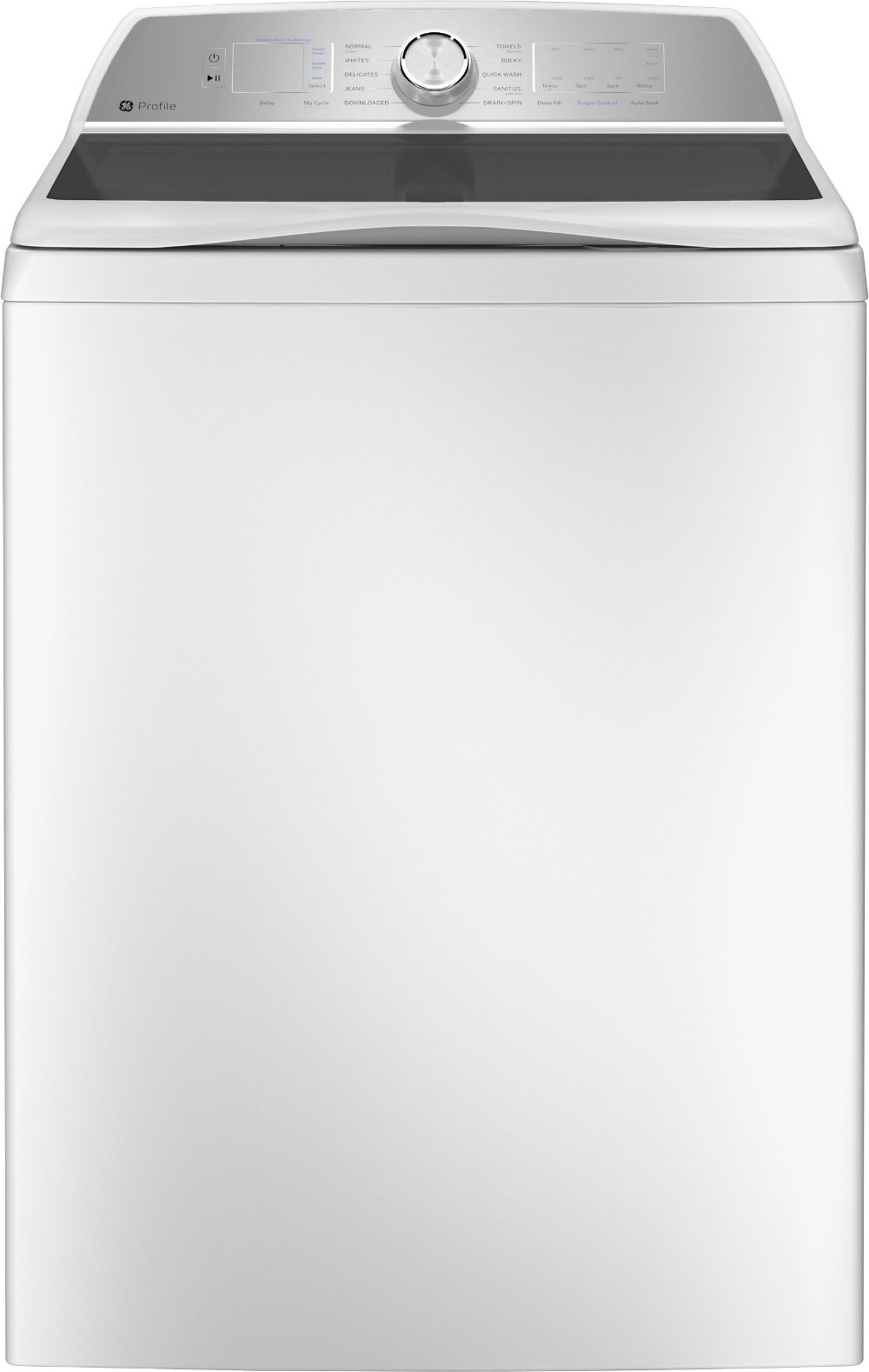
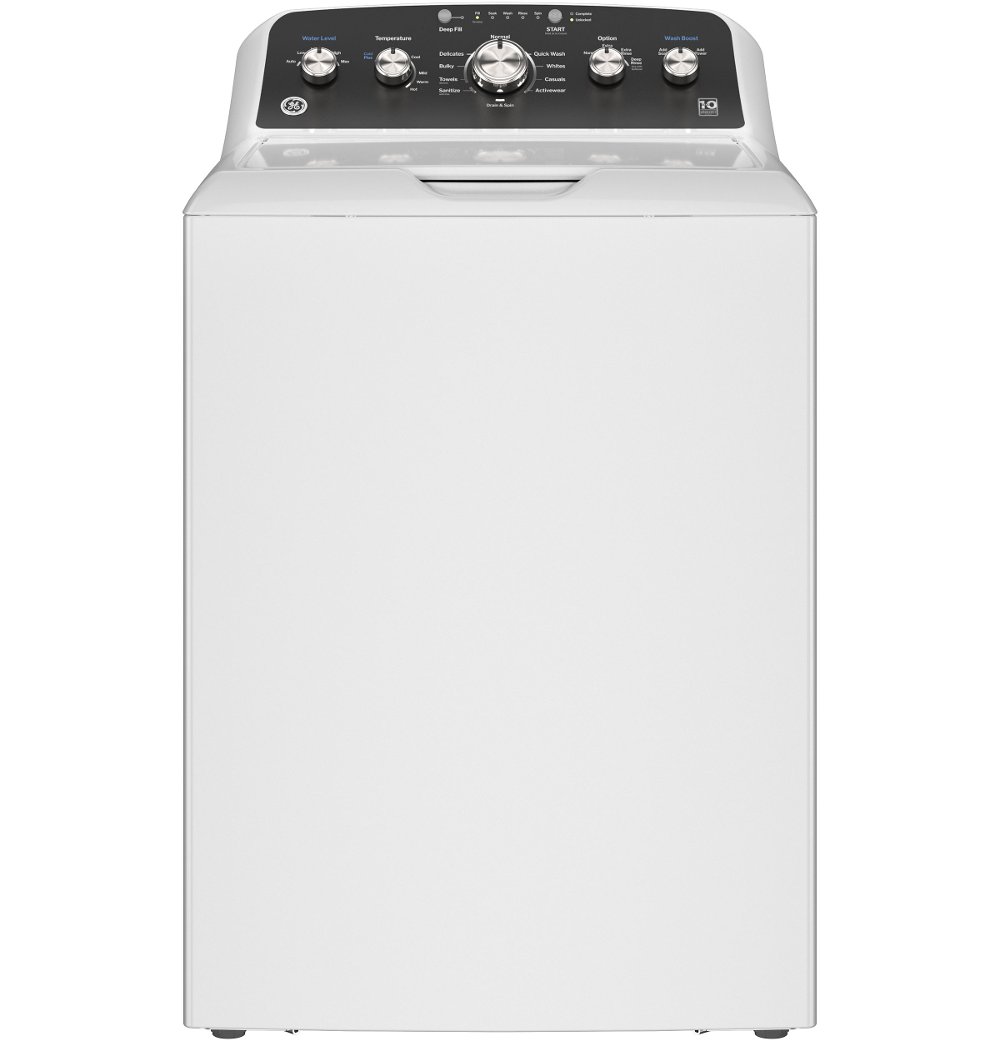
Choosing among quiet washing machines starts with the way your household handles laundry. Front-load models can offer a streamlined fit beneath a countertop and often use high-speed spins to remove more water before clothes move to the dryer, while top-load models provide a familiar loading height and may make it easier to add garments during a cycle, depending on the design. Look at capacity in relation to your routine rather than choosing the largest drum automatically. A couple who washes small loads may appreciate a compact or standard-capacity machine, while a busy household with bedding, towels, uniforms, and seasonal clothing may benefit from a larger interior. Check the listed sound levels when available, paying attention to whether the measurement describes washing, spinning, or both. A machine’s placement matters just as much. For the best results, install it on a solid, level surface and adjust each foot so the appliance sits firmly without rocking. Loose flooring, uneven feet, overloaded drums, and mixed loads with one heavy item can create thumping that makes even a well-insulated washer seem loud. Distribute garments around the drum, follow the recommended load size, and use the cycle suited to the fabric and soil level. Anti-vibration pads may help absorb movement and reduce rattling on some floors, but they should be compatible with the appliance and installed securely. During cooler months, quiet laundry appliances can keep a home feeling settled while layers, blankets, and towels move through regular wash cycles, and their lower operating noise can be a thoughtful feature in a guest suite, rental home, nursery, or newly furnished space. A washing machine is not always a traditional gift, but it can be a practical choice for someone moving into a first apartment, setting up a new household, replacing an aging appliance, or preparing a home for a growing family. Consider available hookups, door clearance, ventilation, water connections, electrical requirements, delivery access, and the space needed to open the lid or door fully. With the right fit and a stable installation, quiet washing machines can make one of the most frequent household chores feel less disruptive from the first load onward.
Read More