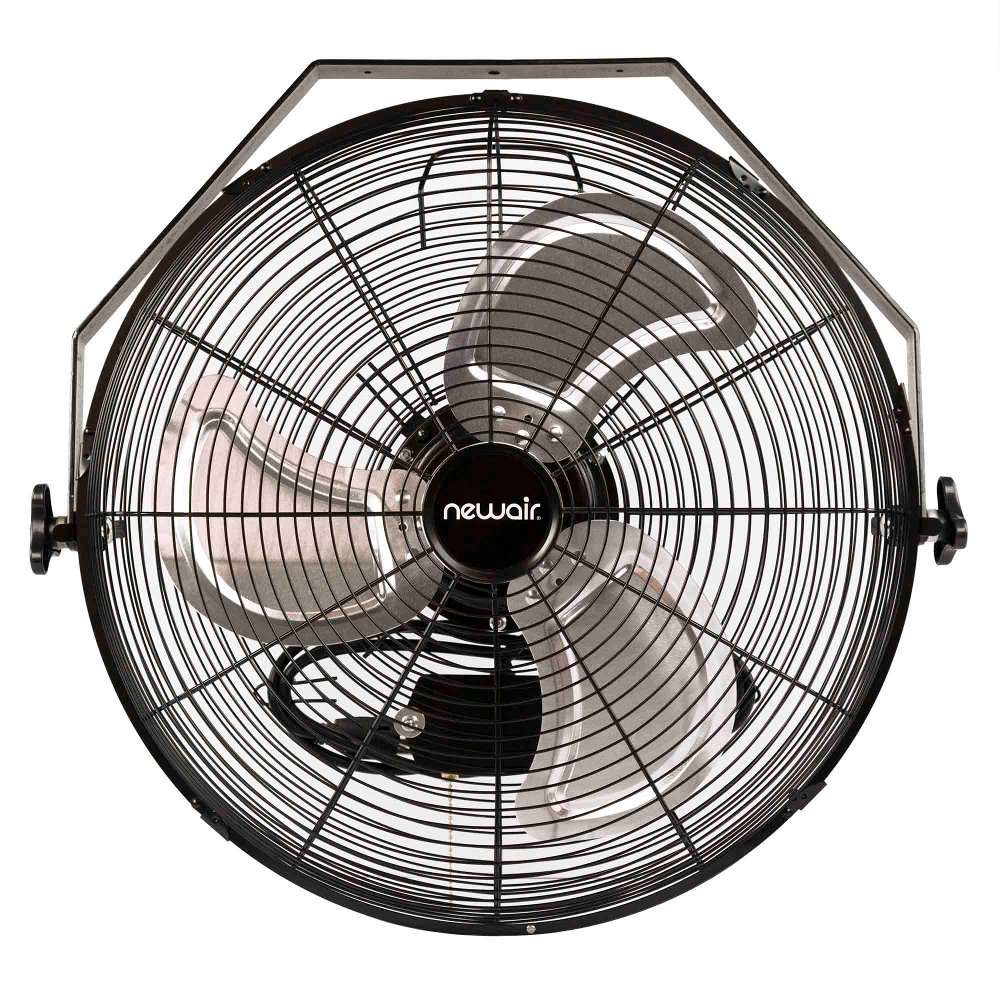
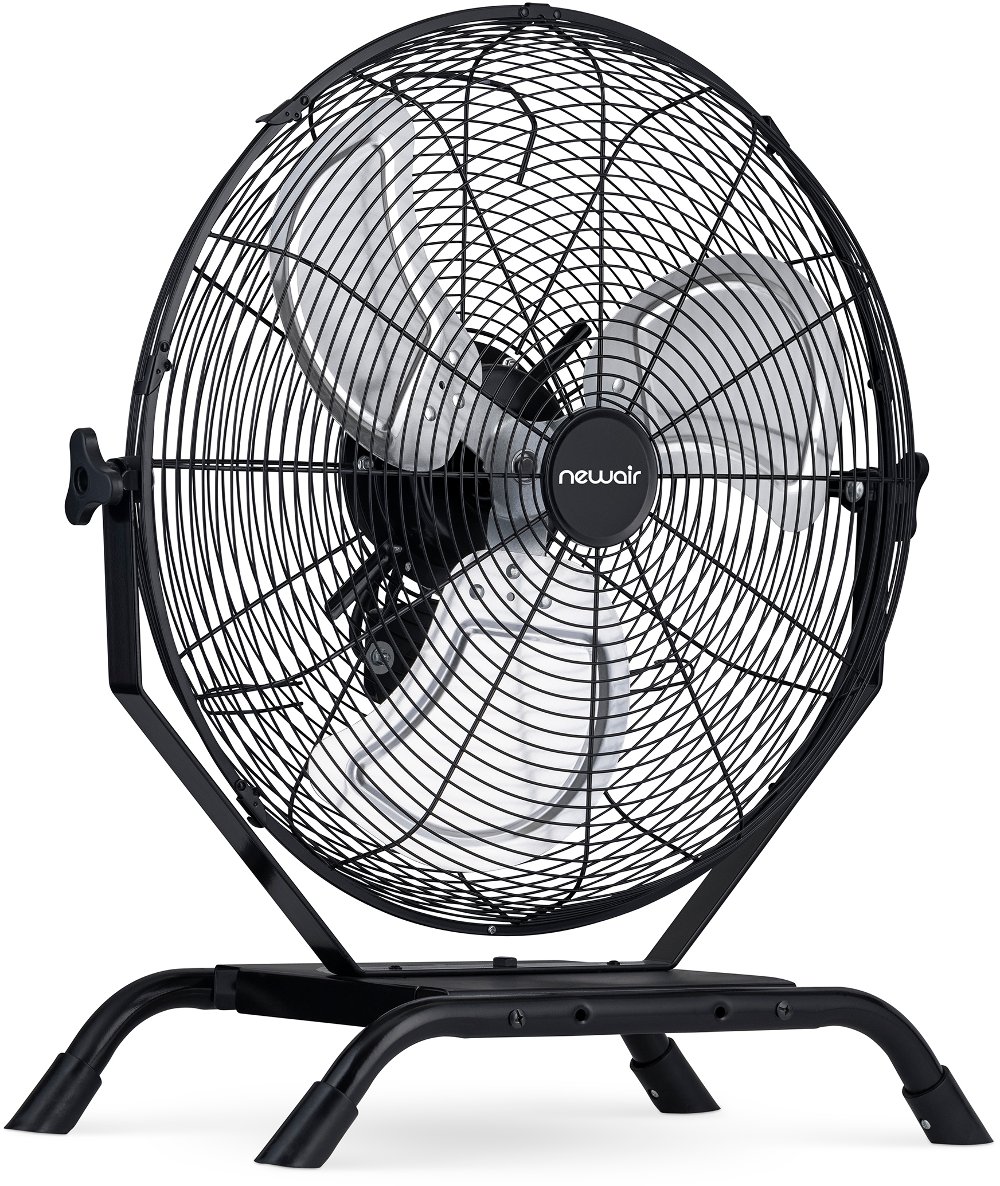
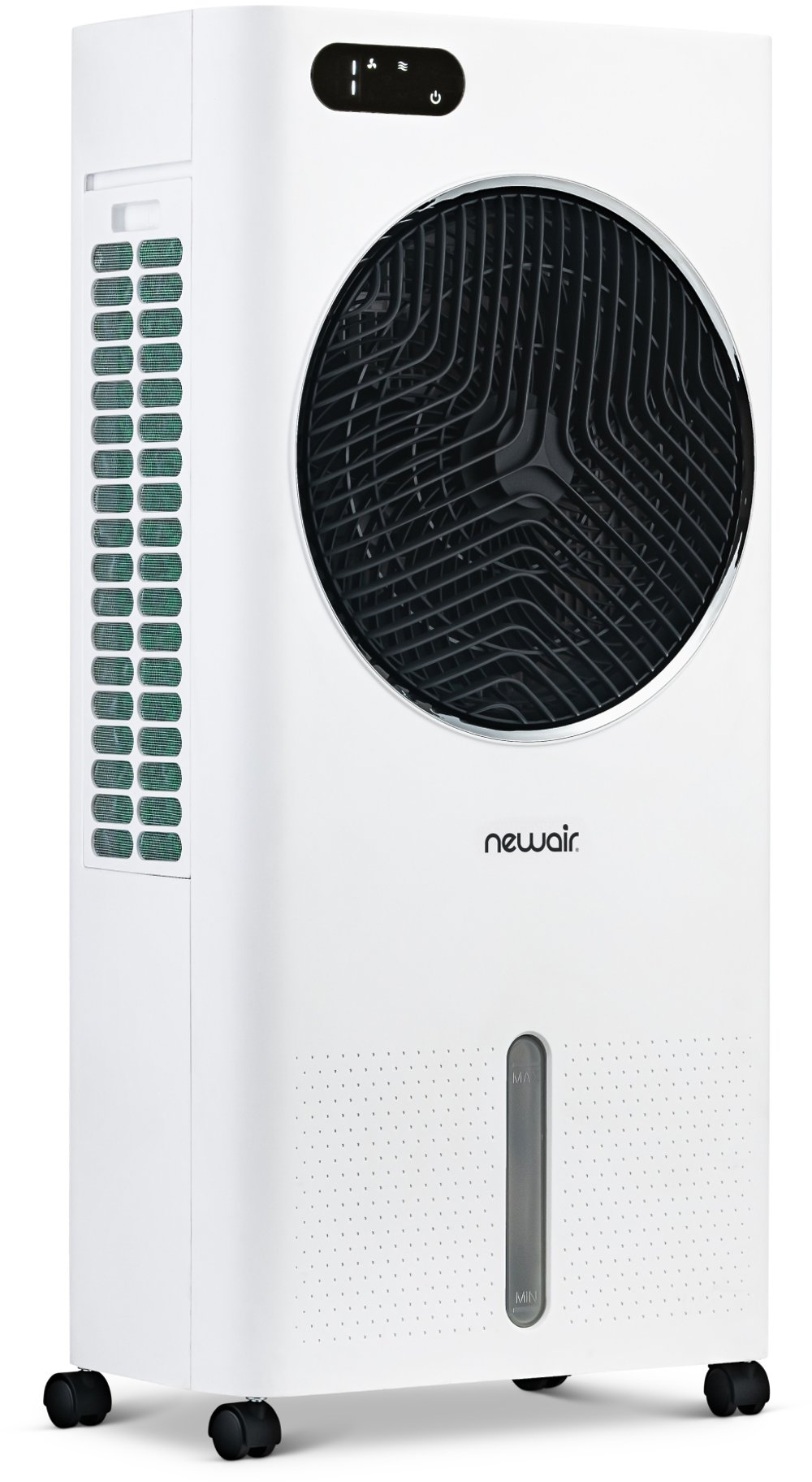
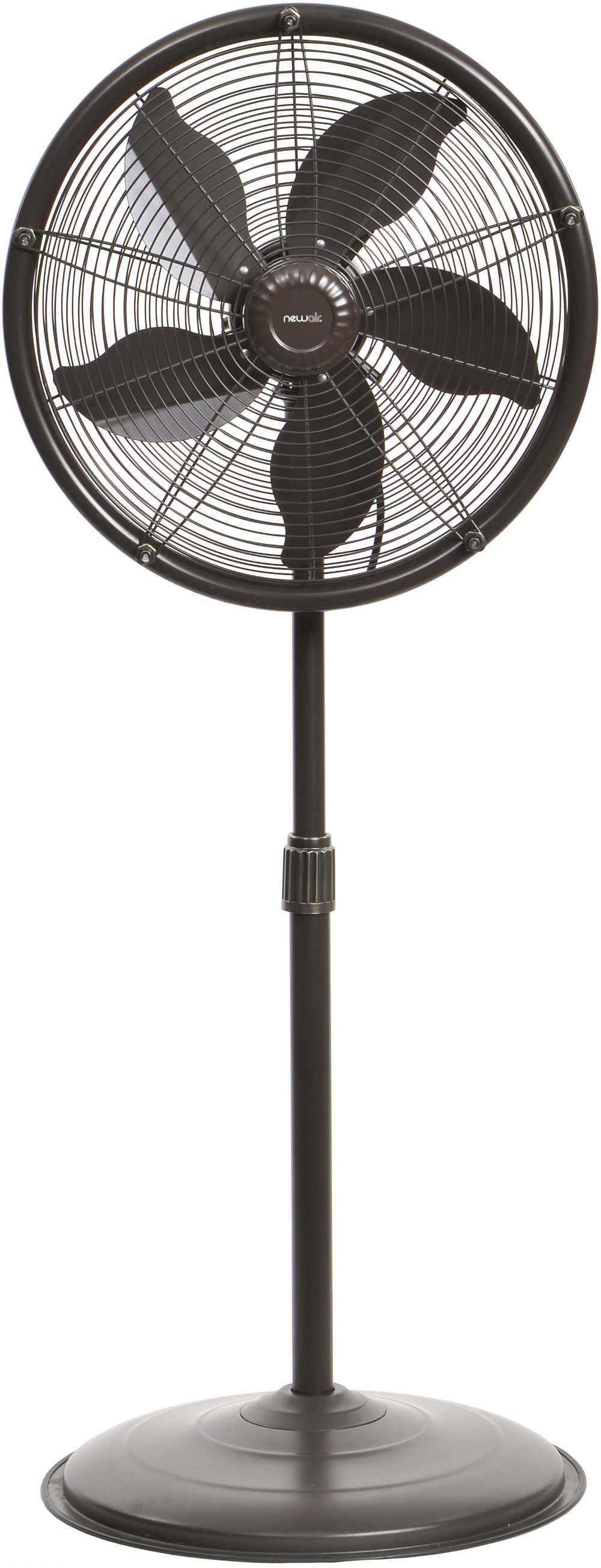
Room cooling fans help you feel more comfortable by moving air across your skin and circulating air through a space. Unlike an air conditioner, a fan doesn’t lower the room’s air temperature on its own, but its breeze can make a noticeable difference where you sit, work, or rest. The best fan for a room depends on its layout, the distance between the fan and the people using it, and the kind of airflow that feels comfortable. Tower fans offer a tall, narrow shape that fits beside a sofa or dresser without taking up much floor space. Pedestal fans raise the airflow above furniture, and adjustable height makes them useful when a breeze needs to reach a bed, dining table, or seating area. Table fans provide more focused airflow for a desk or nightstand, while floor fans and air circulators can help move air through a larger portion of the room. Oscillation sweeps the airflow from side to side, sharing the breeze across several seats instead of keeping it aimed at one spot. A tilting head offers another kind of flexibility, directing air upward or toward a particular area. For an open living room, airflow reach matters more than how tall the fan looks; for a compact office, a smaller footprint and comfortable close-range breeze may matter more than maximum power. Fan size alone doesn’t tell the whole story, so airflow specifications and recommended room coverage are useful when those details are provided. Furniture placement matters, too. A fan tucked behind a deep armchair can’t deliver the same direct breeze as one with a clear path to the seating area. Allow room around the intake and outlet, and account for the full base rather than just the fan’s narrowest point. Used alongside air conditioning, a room fan can distribute cooled air and improve personal comfort without needing to direct a strong draft across everyone in the room.
A quiet fan for a bedroom has a different job from a powerful fan used across a busy family room. At bedtime, a gentle low-speed setting, a steady sound, and controls that are easy to reach can be more useful than a high maximum speed. Quiet operation is worth evaluating across the available settings, since a fan that sounds unobtrusive on low may become much more noticeable on high. Published sound levels can help with comparisons, although testing conditions and measurement distances may differ. Some people enjoy a consistent background hum, while others prefer as little sound as possible; neither preference calls for the same fan in every bedroom. A stable base and a solid surface also help prevent unnecessary vibration or rattling. Remote controls let you adjust airflow from bed or a favorite chair, and a timer can stop the fan after a selected period rather than leave it running until someone turns it off. Dimmable displays or controls with minimal light are worth considering in a dark sleeping space. For more ways to create a comfortable place to rest, explore Bedroom Cooling Solutions. In a home office, adjustable airflow helps keep a breeze comfortable without sending loose papers across the desk or adding distracting noise to a video call. A compact table fan can suit one person working at a computer, while an oscillating floor or tower fan can share airflow across a multipurpose room. In shared spaces, a broad range of speeds makes it easier to find a setting that works for different comfort preferences. A remote, clearly labeled buttons, or accessible dial can also make everyday use simpler for someone who prefers not to bend down to reach the controls. App connectivity may offer added convenience on fans equipped for it, but straightforward controls still matter. Think about the experience you want: a soft breeze beside a reading chair, wider airflow around a sectional, or circulation that reaches beyond one seat.
Materials, construction, and care influence how well a room cooling fan holds up to everyday use. Molded plastic housings are often lightweight and easy to move between rooms, while metal grilles and other metal components can provide a sturdier feel. Neither material guarantees durability by itself; secure fittings, a balanced base, smooth adjustments, and a well-protected power cord all contribute to dependable use. A pedestal fan should hold its selected height securely, and a tilting fan head should stay where it’s positioned. For a fan that will move from a bedroom to a living area, a comfortable carrying handle and manageable weight make that routine easier. Consider storage space as well, especially if the fan needs to fit in a closet when it isn’t needed. Dust collects around air intakes, grilles, and blades, so accessible cleaning surfaces are a practical detail, not just a cosmetic one. Unplug the fan before cleaning, follow the manufacturer’s care instructions, and remove a grille only if the design allows it. A soft cloth or an approved vacuum attachment can help clear surface dust; keep moisture away from the motor, electrical connections, and controls. Place the fan on a stable surface with its cord out of walkways, and keep curtains, bedding, and loose fabrics clear of the air intake. In homes with children or pets, protective grilles, secure placement, and any available control lock deserve attention, though no design replaces supervision. Follow the manufacturer’s electrical and placement instructions, including any restrictions on extension cords or damp locations. A room fan can also be a thoughtful, useful gift for someone setting up a first apartment, organizing a home office, or moving into a dorm where appliance rules permit it. Matching the fan to the recipient’s space and routines matters more than choosing the largest option. For everyday energy use, remember that the main cooling benefit comes from airflow reaching people, so turning off an unneeded fan in an empty room avoids unnecessary electricity use. The right fit brings comfortable airflow, convenient controls, and manageable care into the places where daily life happens.
Read More