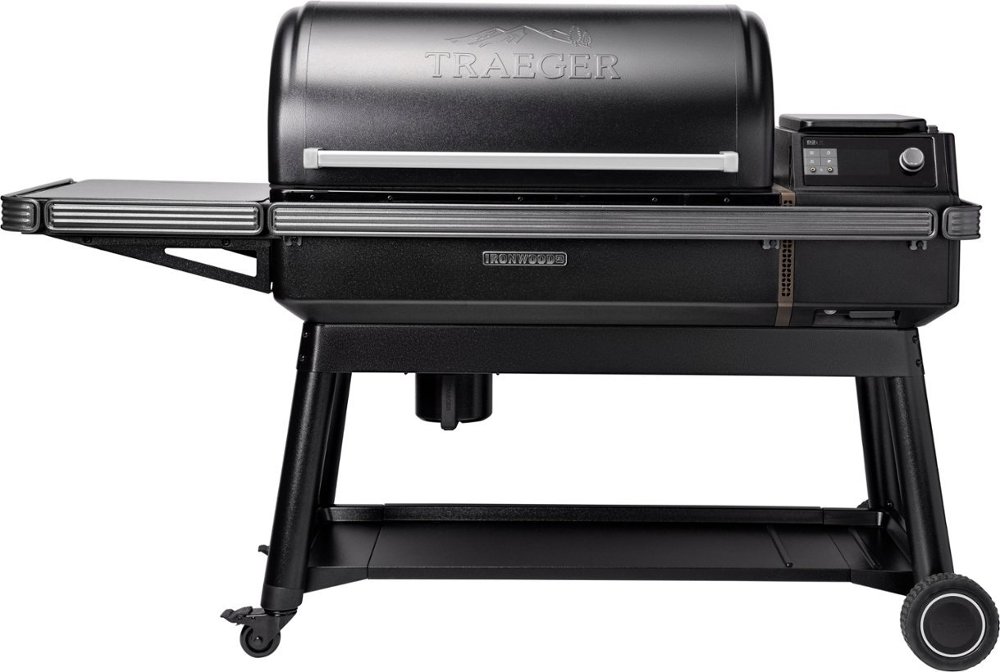
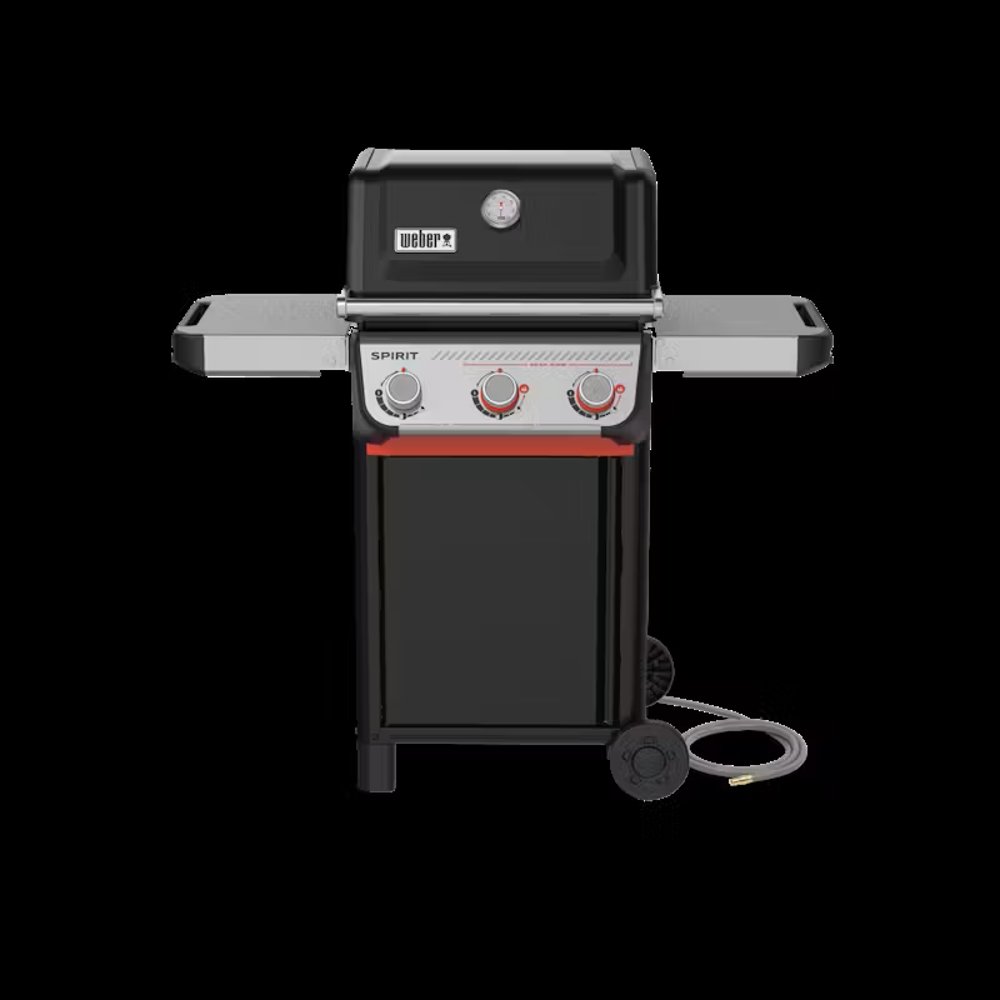
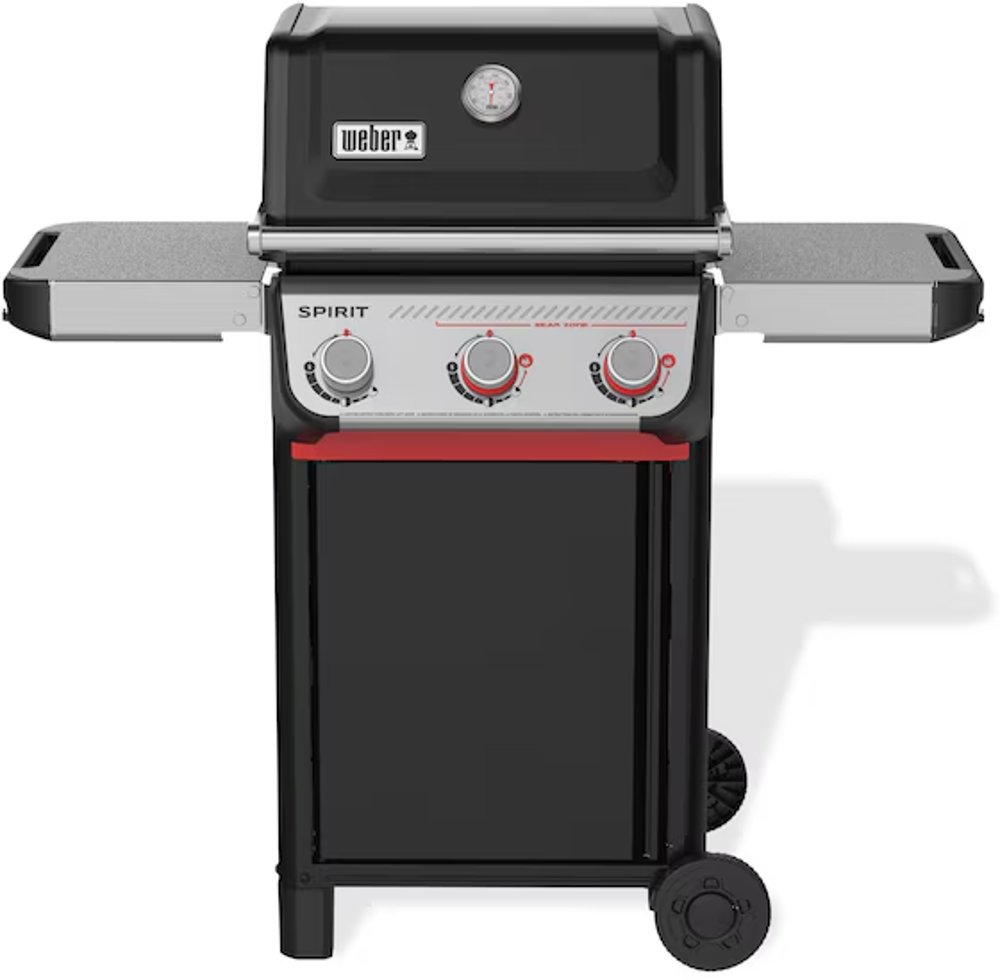
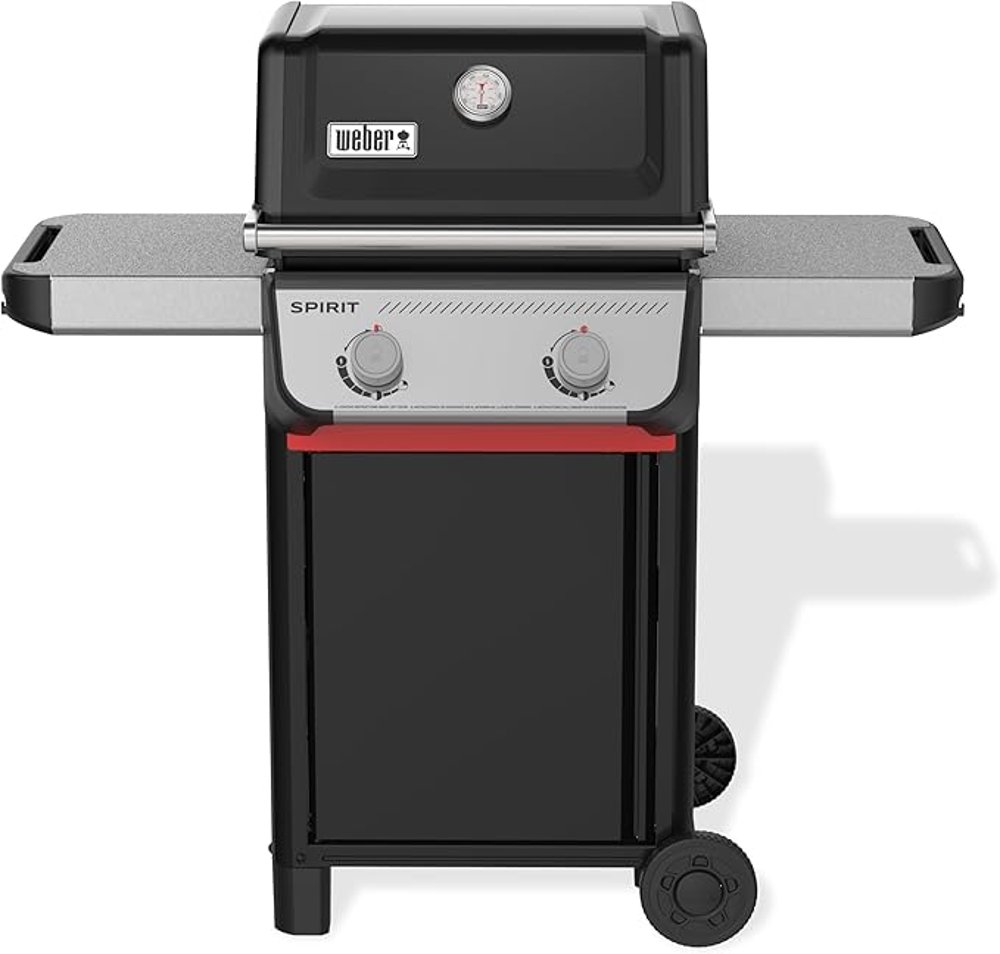
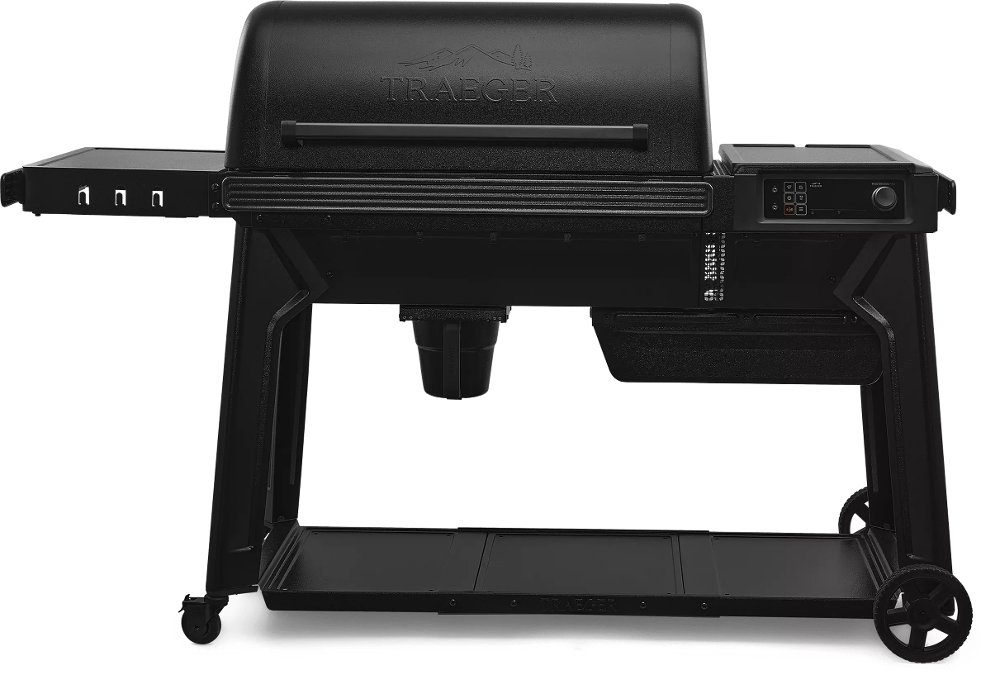
Rotisserie grills bring a little theater to outdoor cooking while doing much of the work for you. A motorized spit rod slowly turns food over a steady heat source, rotating it through a full 360 degrees so the juices continually move across the surface. The result is tender meat inside, a crisp, evenly browned exterior, and the kind of aroma that draws everyone toward the patio before dinner is ready. Whole chickens, turkeys, pork roasts, standing rib roasts, and legs of lamb are popular choices, while rotisserie baskets can handle wings, vegetables, potatoes, and other smaller foods. As the weather warms, a rotisserie grill can turn an ordinary backyard meal into a relaxed gathering around the grill, and during cooler months, it can make holiday-style roasting feel approachable without taking over the kitchen. These grills also make thoughtful gifts for home cooks, new homeowners, families who enjoy hosting, or anyone who likes learning a hands-on cooking technique. When shopping, start with the way you expect to cook. A dedicated spit roaster is designed for larger cuts and high-capacity cooking, while a rotisserie attachment can add slow-turning capability to a compatible gas or charcoal grill. Some setups are built into the grill itself, and others use an adapter, spit rod, motor, and mounting hardware. Check the cooking surface, available clearance, weight capacity, motor strength, and the dimensions of your existing grill before choosing an attachment. A generous cooking area is helpful for a whole bird or roast, but a compact option may be easier to store and better suited to smaller patios, balconies, or households that usually cook for just a few people. Look for sturdy construction, easy-to-clean components, secure forks, and a motor that can turn the intended load smoothly. If your outdoor cooking setup is still taking shape, browsing Roasting Grills can help you compare related cooking styles and find equipment that fits the way you gather, cook, and serve.
A successful rotisserie meal begins before the motor starts. Choose a cut with enough size and structure to stay secure on the rod, then season it generously so the flavor reaches every slice. Centering and balancing the food matters more than many first-time users expect. Slide the meat onto the spit so its weight sits evenly between the supports, and tighten the forks firmly on both sides. An off-center roast can turn unevenly, wobble as it cooks, or place unnecessary strain on the motor. For whole poultry, tuck the wings and tie the legs close to the body with butcher’s twine so loose pieces don’t catch on the grill or burn near the heat. Similar preparation helps with large roasts and other irregular cuts. Keep a shallow drip pan beneath the food to collect flavorful juices and reduce flare-ups; adding a little water or broth can help keep drippings from scorching while creating moisture around the cook. Arrange the heat so the food cooks through indirect heat rather than sitting directly over an intense flame, and leave enough room for the spit to rotate without brushing the lid, grates, or sides. A grill thermometer and an instant-read thermometer make it easier to monitor both the cooking environment and the food itself. The outside may turn beautifully golden before the center reaches a safe temperature, so rely on internal temperature rather than color alone. Resist the urge to lift the lid repeatedly, since each opening releases heat and extends the cooking time. Instead, listen for the gentle sizzle, watch for steady rotation, and check the roast toward the end of the expected cooking window. Once the food is finished, let it rest before carving. Those few quiet minutes allow the juices to settle, making the first slice more succulent and keeping the cutting board from filling with the moisture you worked so carefully to preserve.
Rotisserie grills suit a wide range of cooks because they offer both dependable results and room to experiment. A busy household can prepare a main dish while handling side dishes indoors, and a host can spend more time with guests instead of standing over a hot grate. A whole chicken slowly turning over the fire is an inviting centerpiece for a casual dinner, while a seasoned pork roast or leg of lamb can make a family celebration feel special without requiring complicated techniques. Vegetables and wings cooked in a rotisserie basket add variety for smaller gatherings, and the steady motion can help produce crisp edges without constant flipping. If you’re giving one as a gift, consider the recipient’s outdoor space, current grill, storage options, and favorite foods. Someone who already enjoys grilling may appreciate an attachment that expands an existing setup, while a frequent entertainer may prefer a larger standalone design with more capacity. Pay attention to whether the motor and accessories are included, how the parts come apart for cleaning, and whether replacement components are easy to find. After cooking, allow the equipment to cool completely, then remove grease and food residue from the rod, forks, basket, and drip pan according to the care instructions. Cleaning soon after use helps prevent buildup and keeps the next meal tasting fresh. With the right size, balanced preparation, and a little patience, rotisserie grills make slow cooking feel simple: season the food, secure it carefully, manage the heat, and let the steady turn of the spit create a browned, juicy meal that looks as good arriving at the table as it smells in the backyard.
Read More