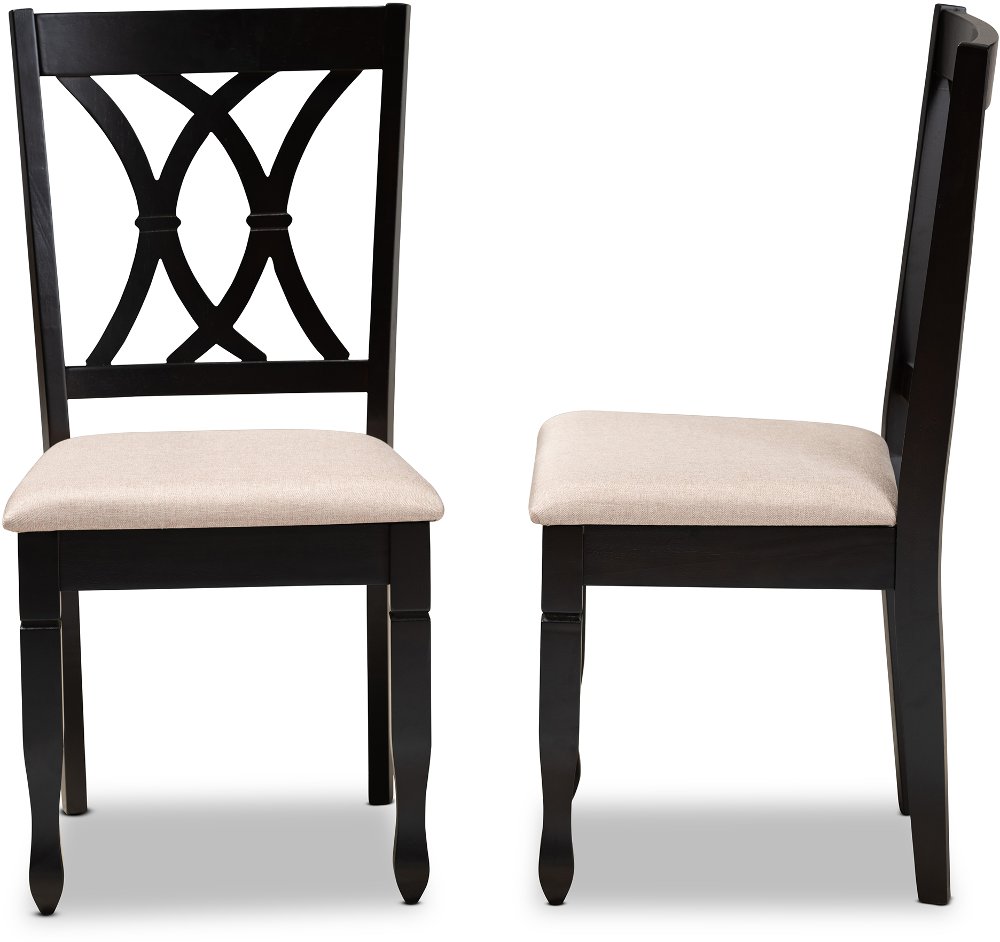
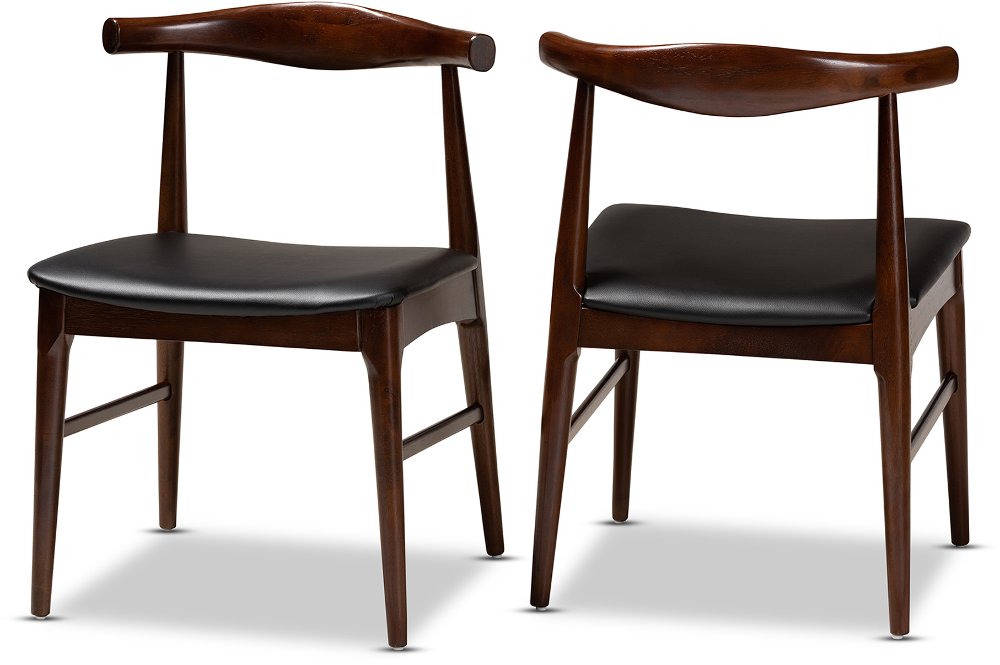
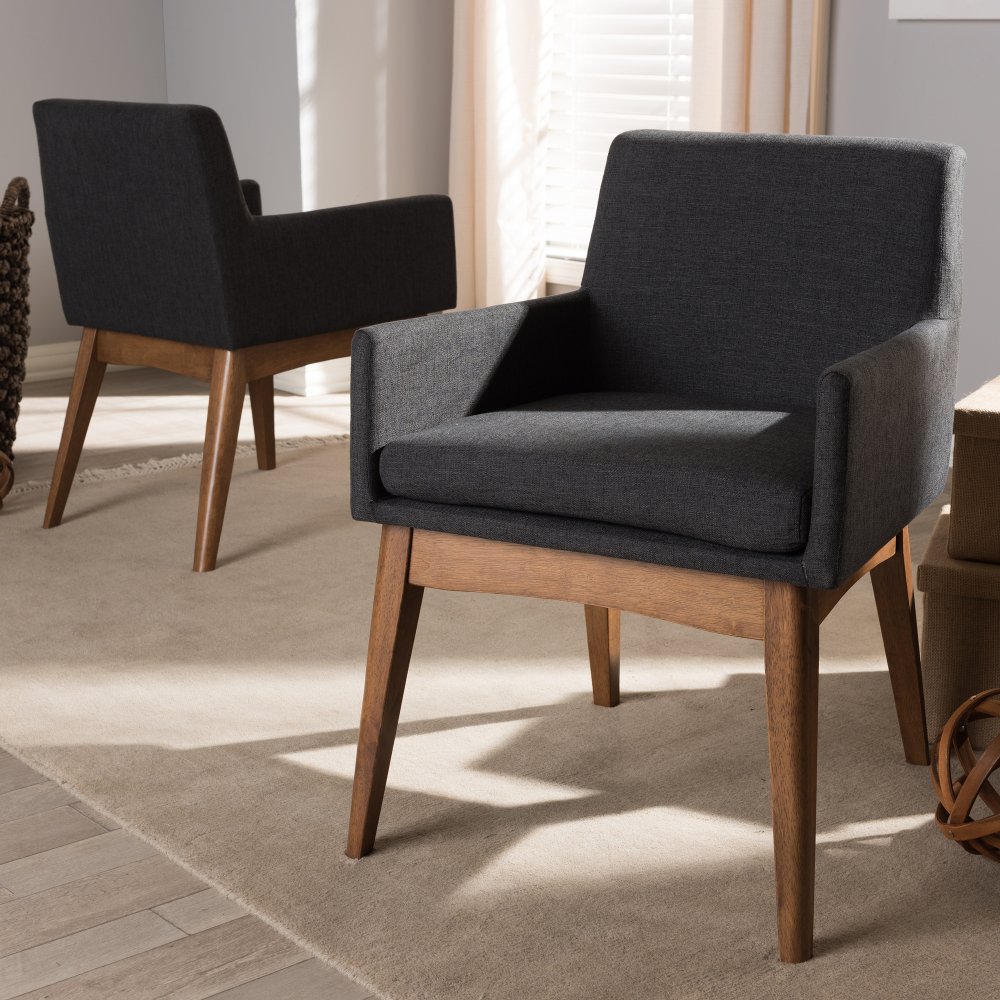
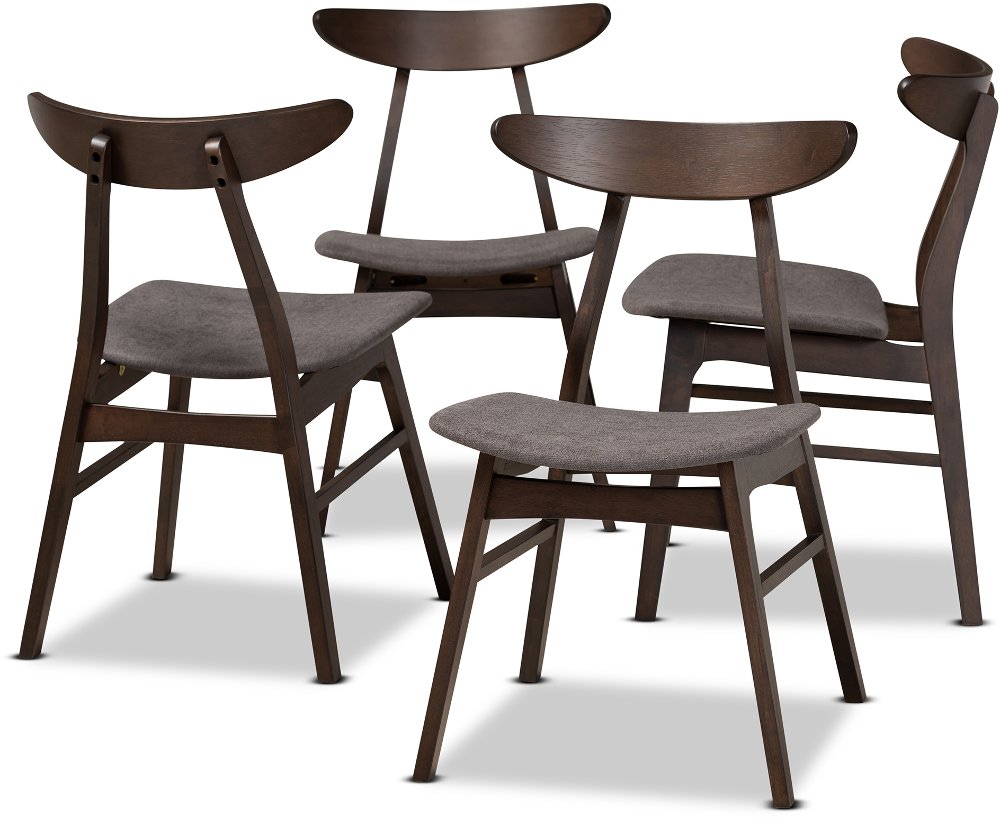
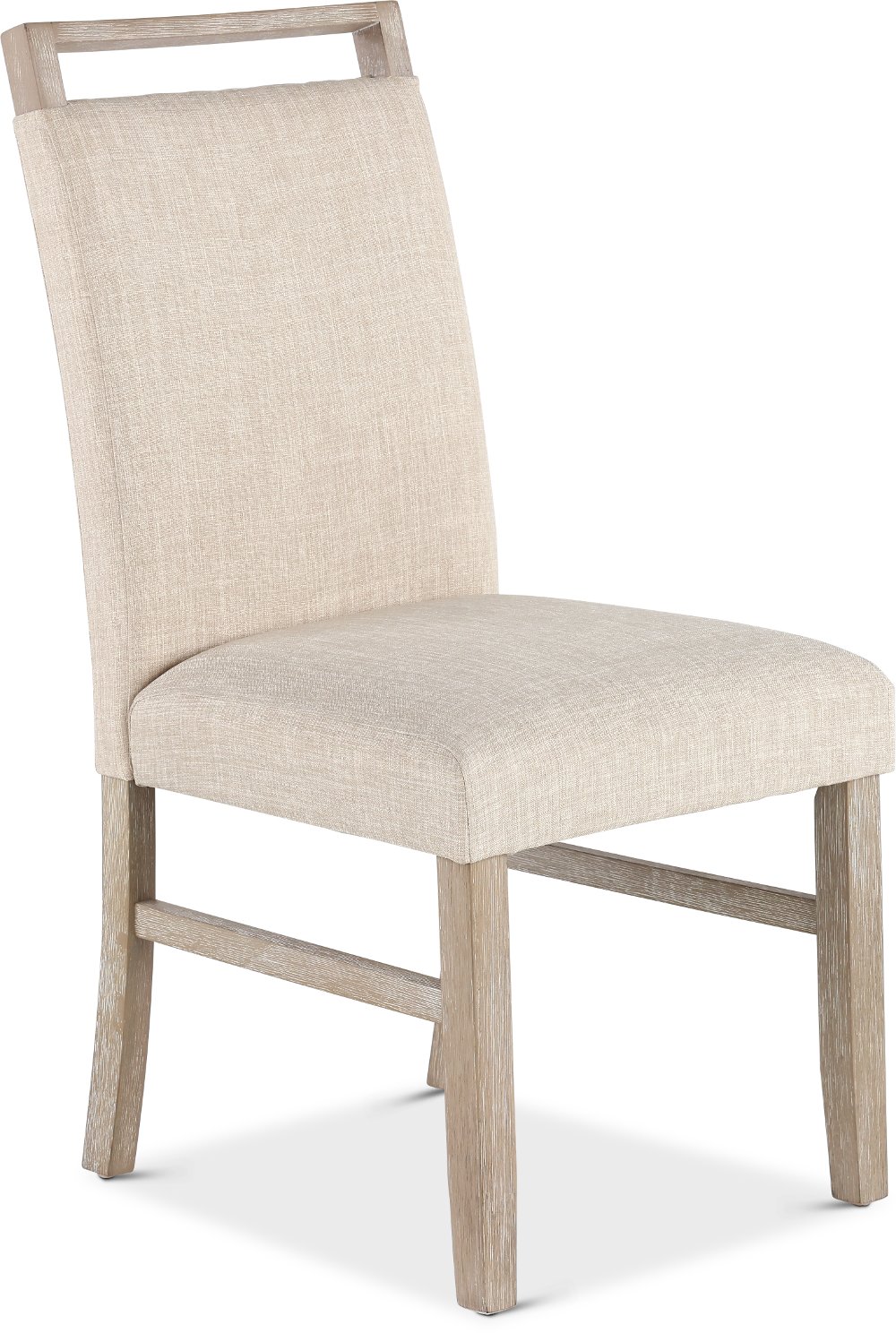
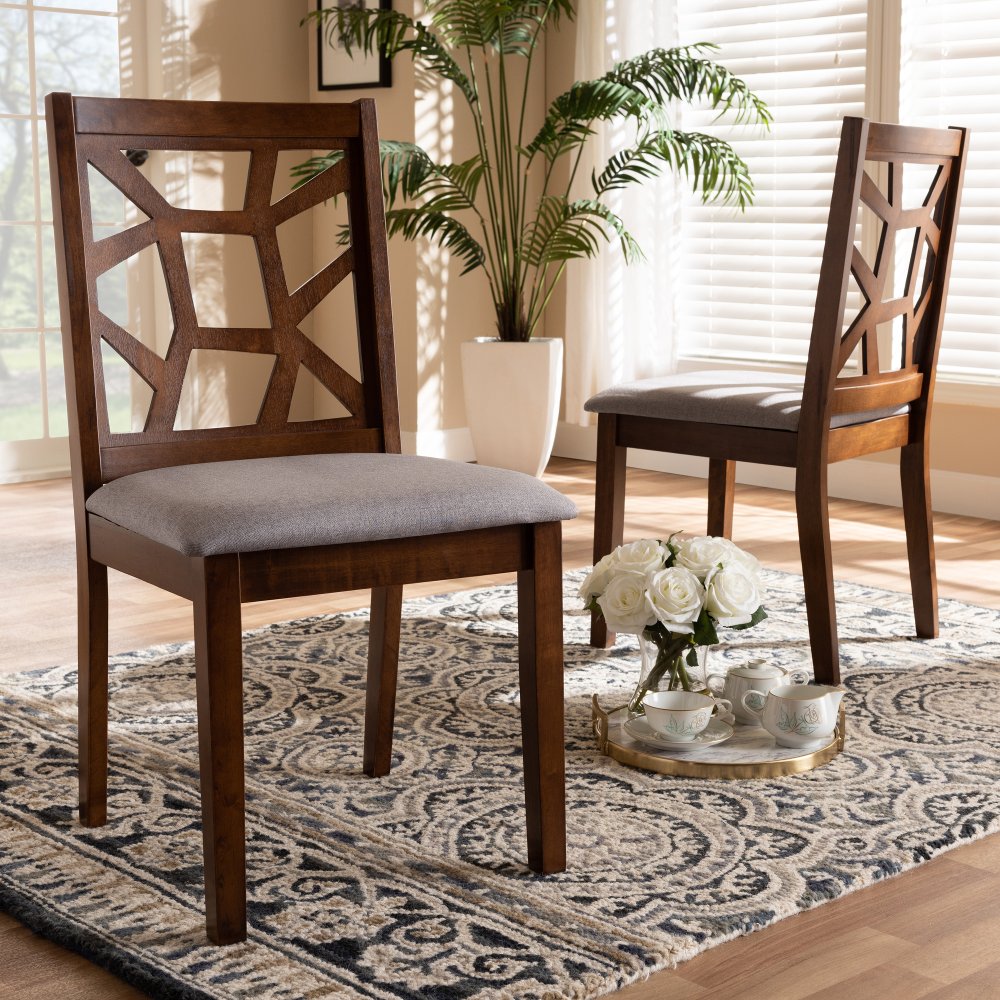
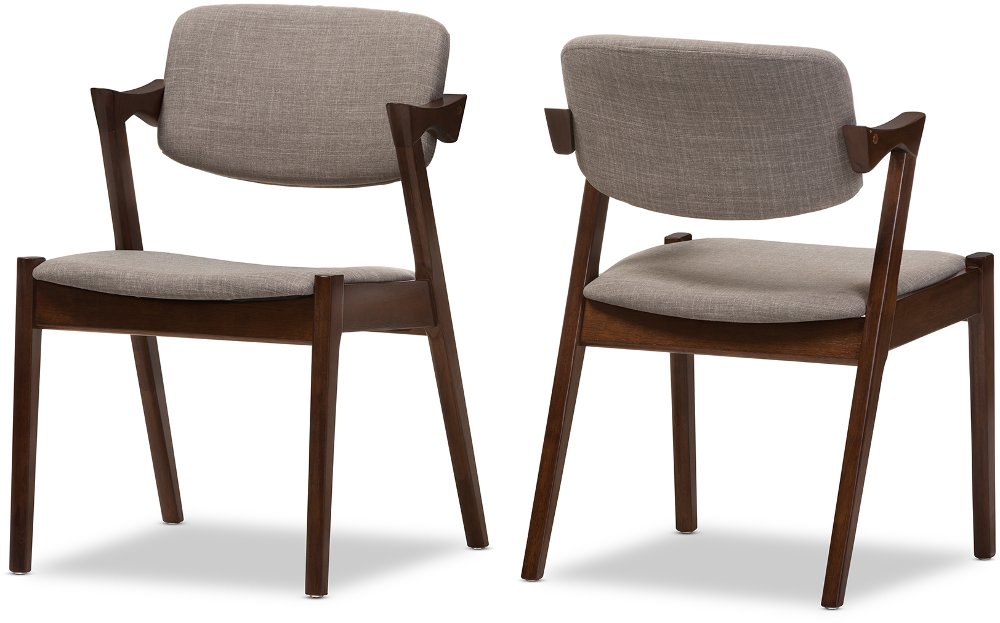
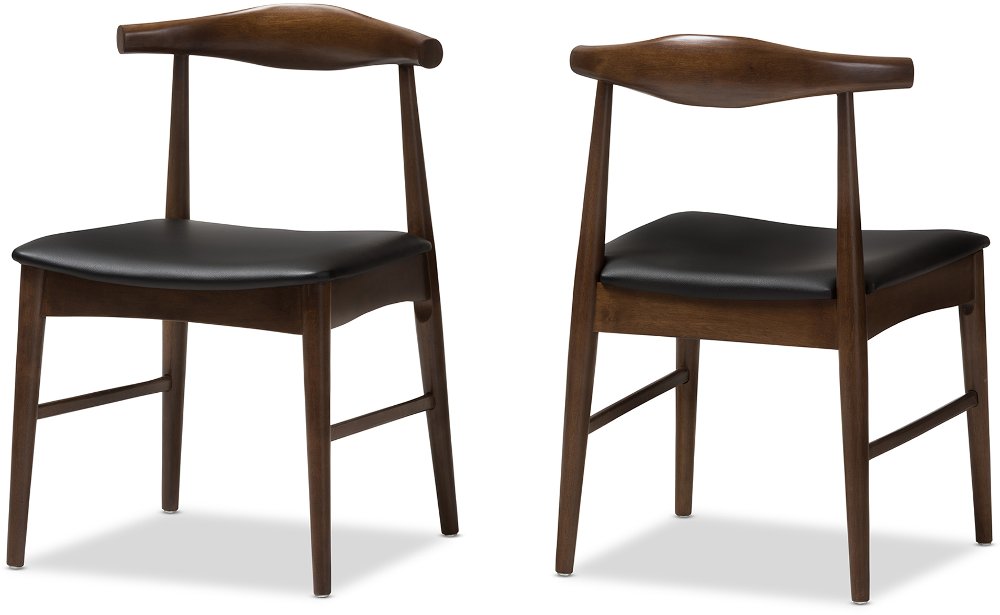
Rubberwood dining chairs offer the warmth of real wood in seating made for everyday meals, family conversations, and evenings that linger around the table. Rubberwood is a hardwood harvested from the rubber tree, Hevea brasiliensis, which also produces the latex used to make natural rubber. Despite its name, the wood is firm, not flexible or rubbery. Furniture-grade rubberwood commonly comes from plantation trees removed after their productive latex-producing years, giving the timber another use rather than relying on trees grown solely for lumber. That makes its origin worth considering when choosing furniture with material reuse in mind, although responsible sourcing and environmental certifications vary by manufacturer. Its naturally light color and relatively subtle grain suit a range of finishes, from clear coatings that highlight the wood’s character to deeper stains and painted surfaces. A stained rubberwood chair can bring warmth to a simple dining space, while a painted frame can add contrast against a wood tabletop. Because a finish changes the appearance substantially, the wood species alone won’t tell you whether two pieces will match. Rubberwood also provides a practical foundation for dining chair frames because properly dried, treated, and constructed lumber can hold up well to regular indoor use. Durability still depends on the complete chair: sound joinery, secure hardware, a protective finish, and the design of the seat and legs all matter. A chair described as rubberwood may have a rubberwood frame with an upholstered, veneered, or engineered-wood seat or back, so the full materials description deserves a look. Weight limits also belong to the individual chair rather than the wood species; check the manufacturer’s stated capacity instead of assuming all hardwood seating performs alike. For a breakfast nook, an apartment dining area, or a dedicated dining room, rubberwood dining chairs bring together a familiar material and plenty of styling flexibility without requiring a formal setting to feel at home.
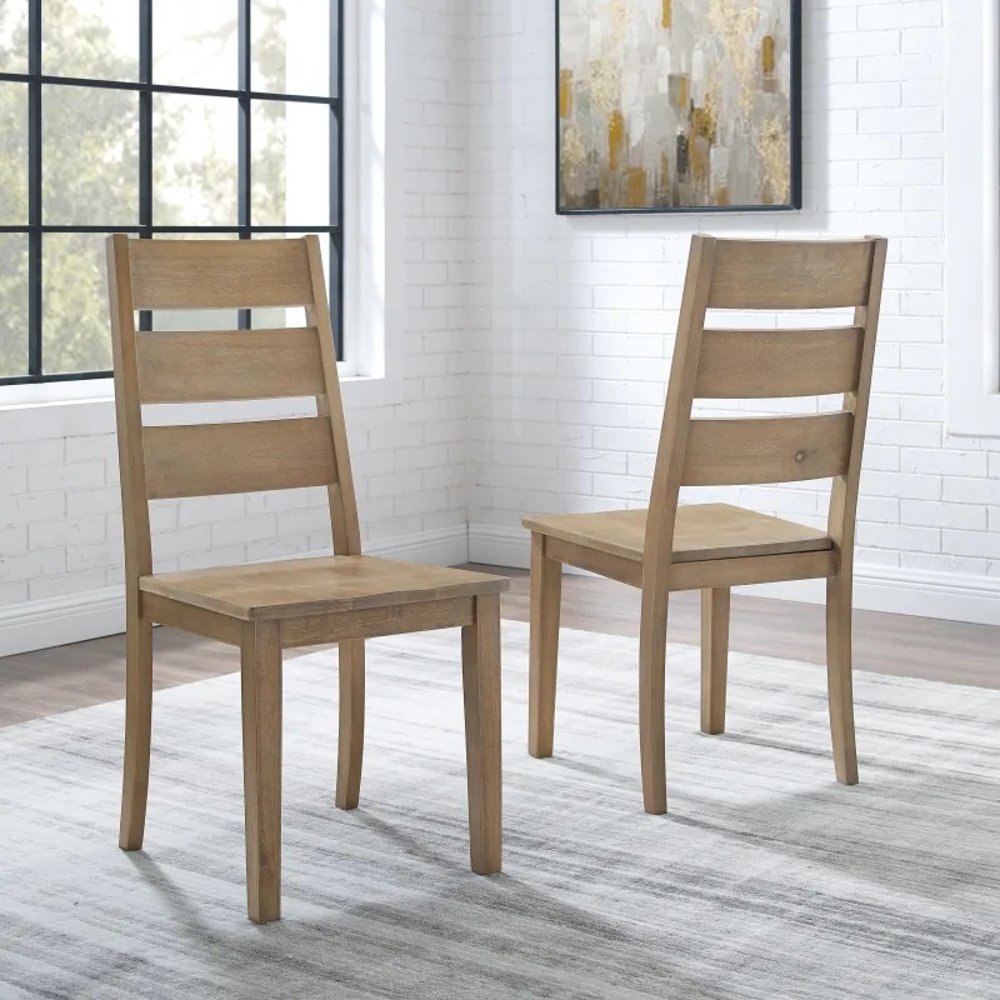
Comfort and fit make the biggest difference once the chairs become part of your daily routine. Start with the relationship between the seat and the table, not just the chair’s overall height. Many standard dining tables stand about 28 to 30 inches tall, and dining chair seats often fall around 17 to 19 inches high. Roughly 10 to 12 inches between the seat and the tabletop is a useful starting point, but a deep table apron can reduce thigh room even when those measurements look right. Armchairs need a separate clearance check so their arms can slide beneath the apron or tabletop. Across the table’s edge, allowing about 24 inches per person is a common starting point; wider chairs, broad arms, and table legs may call for more space. Measure the actual opening between the table legs before deciding how many chairs will tuck in comfortably. In a compact kitchen, an armless chair can make getting up easier, while a slimmer profile helps keep the room from feeling crowded. Leave room behind occupied seats, too, especially where someone needs to pass between the table and a wall or sideboard. Seat shape matters as much as measurements. A contoured wood seat offers a different feel from a flat seat, and an upholstered cushion may be more comfortable for someone who spends an hour over dinner or uses the table for occasional laptop work. Back height, angle, and support affect how relaxed you feel, so trying a chair in person can reveal details that dimensions can’t. For a coordinated foundation, rubberwood dining tables can help carry the material’s warmth through the room, though matching the species doesn’t guarantee matching color. Similar undertones create a quieter look, while intentional contrast, such as dark chairs around a lighter table, gives each piece definition. Open spindle backs can keep sightlines airy, ladder backs add familiar character, and upholstered backs create a softer, more enclosed feel.
The best rubberwood dining chairs for your home should suit the way the dining area actually gets used, whether that means quick breakfasts, homework beside a snack, or relaxed meals with guests during the cooler months. Wood seats offer a straightforward surface for wiping away crumbs, while upholstered seats add softness and introduce fabric texture or color. For households with children, consider how accessible the joints and back details are for cleaning, and check the upholstery’s care instructions before choosing a pale or textured fabric. A tightly woven surface may catch fewer crumbs than a heavily textured one, but stain resistance depends on the specific fabric and any treatment, not appearance alone. Removable cushions or seat pads can add comfort to a wood seat when they fit securely and don’t interfere with sitting safely. Rubberwood furniture belongs indoors in a reasonably stable environment; it isn’t a substitute for outdoor-rated seating on a patio or an exposed porch. Like other woods, it can expand and contract as humidity changes, and prolonged moisture can damage both the finish and underlying material. Blot spills promptly with a soft cloth, dust regularly, and use only cleaning methods approved for the chair’s finish. Avoid soaking the wood or leaving a wet cleaning cloth draped over the seat. Direct sunlight and nearby heating vents can also affect the surface over time, so placement helps preserve the appearance as well as the comfort of the room. Felt pads beneath chair legs can help protect compatible hard floors, provided they stay clean and get replaced when worn. Lift chairs when moving them rather than dragging them sideways, and inspect assembly hardware periodically according to the manufacturer’s instructions. If a chair develops a wobble, address the cause before using it again. With thoughtful sizing and routine care, rubberwood dining seating can serve households through changing routines, from a first shared apartment to a dining space that regularly welcomes extended family. The goal is a chair that feels comfortable, moves easily around your table, and makes everyday gathering a little more inviting.
Read More