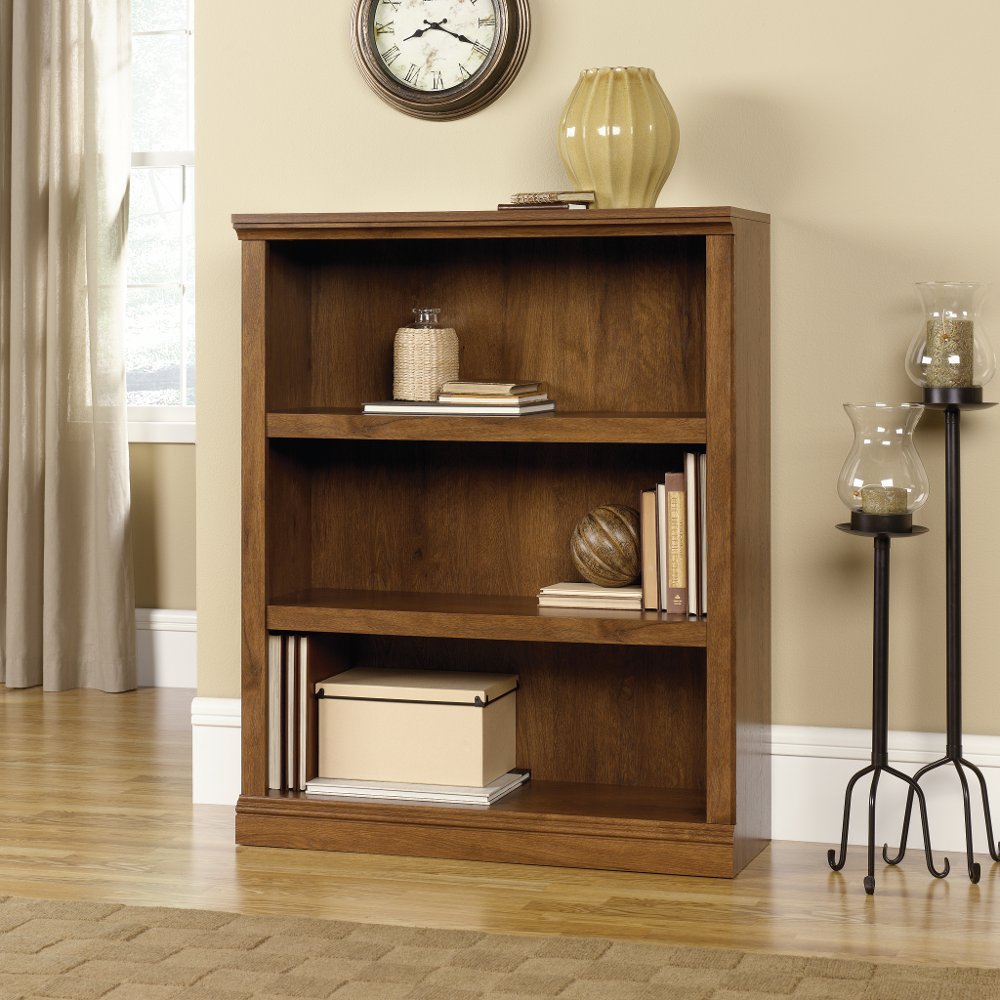
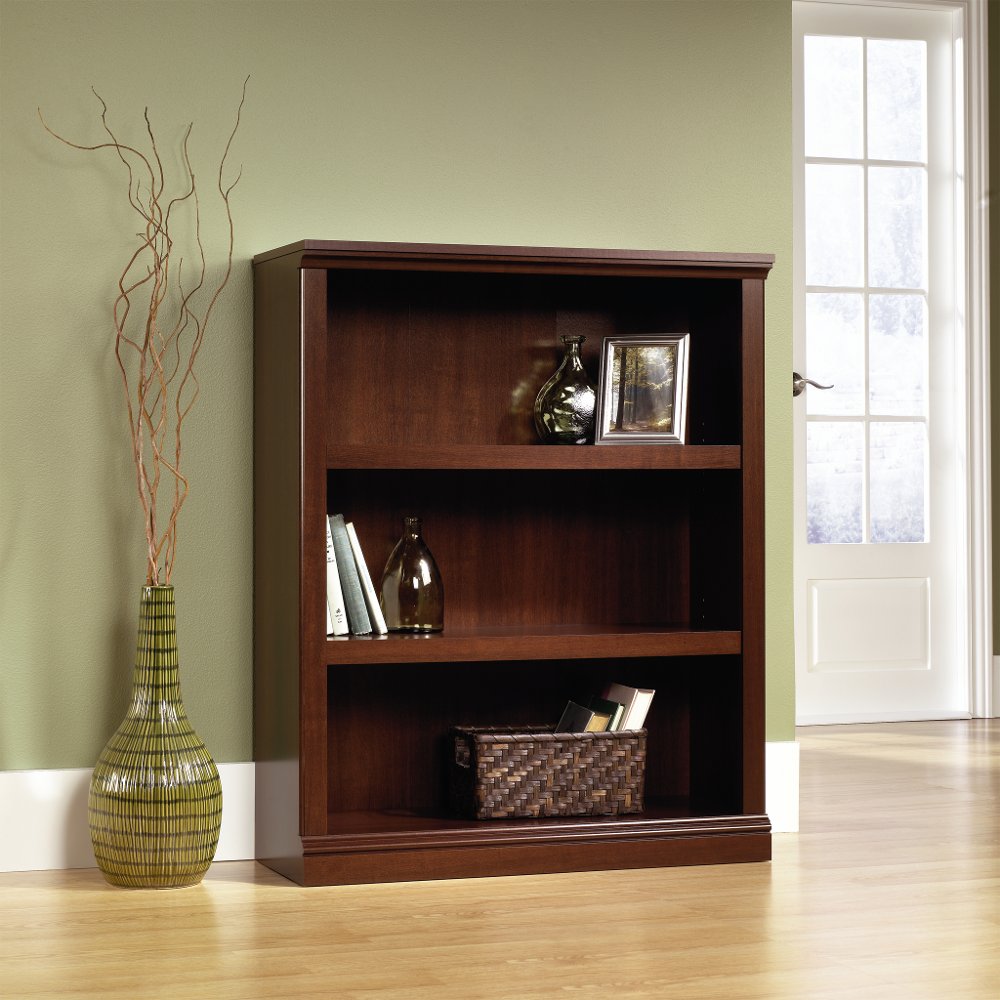
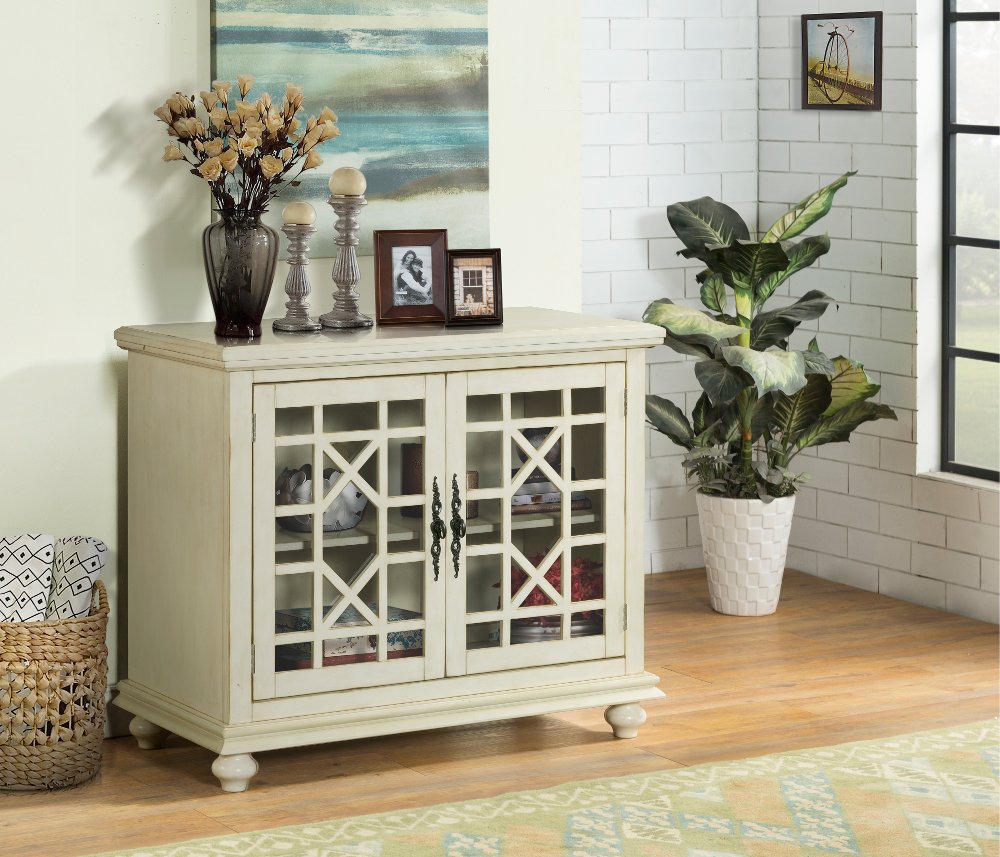
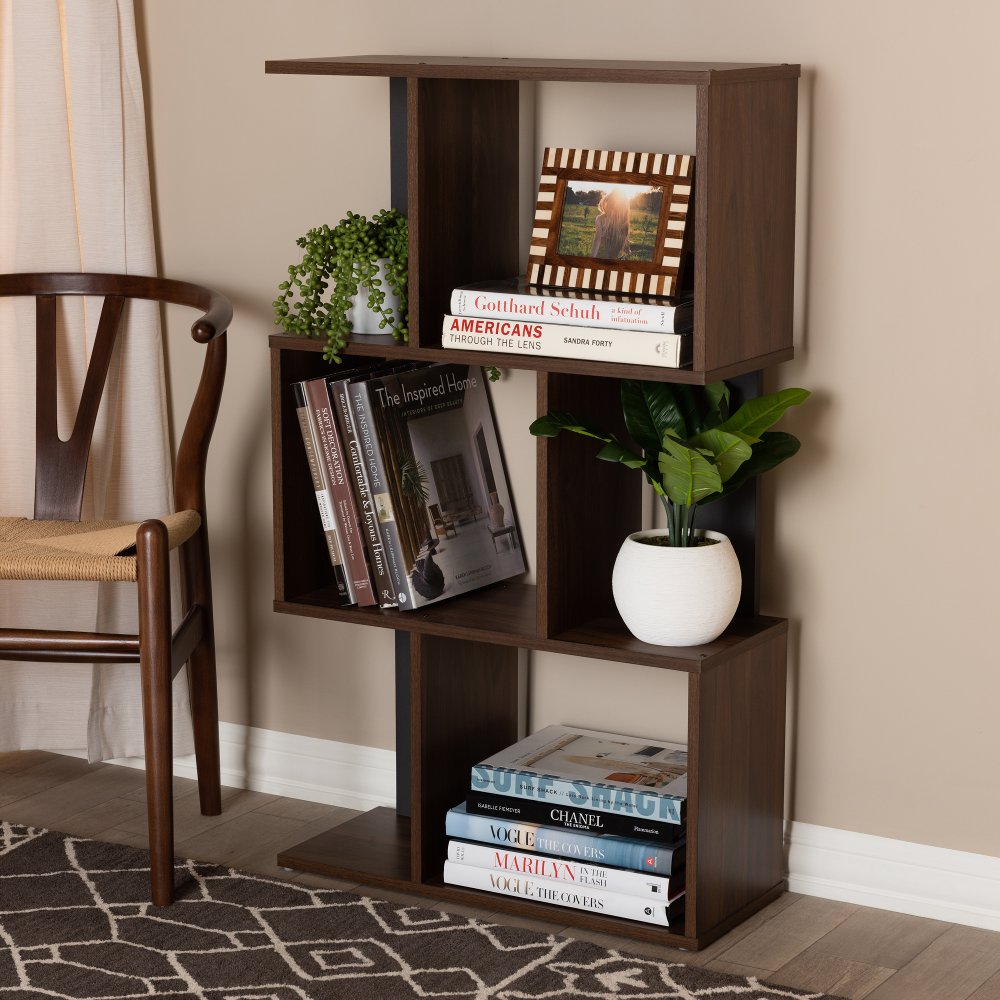
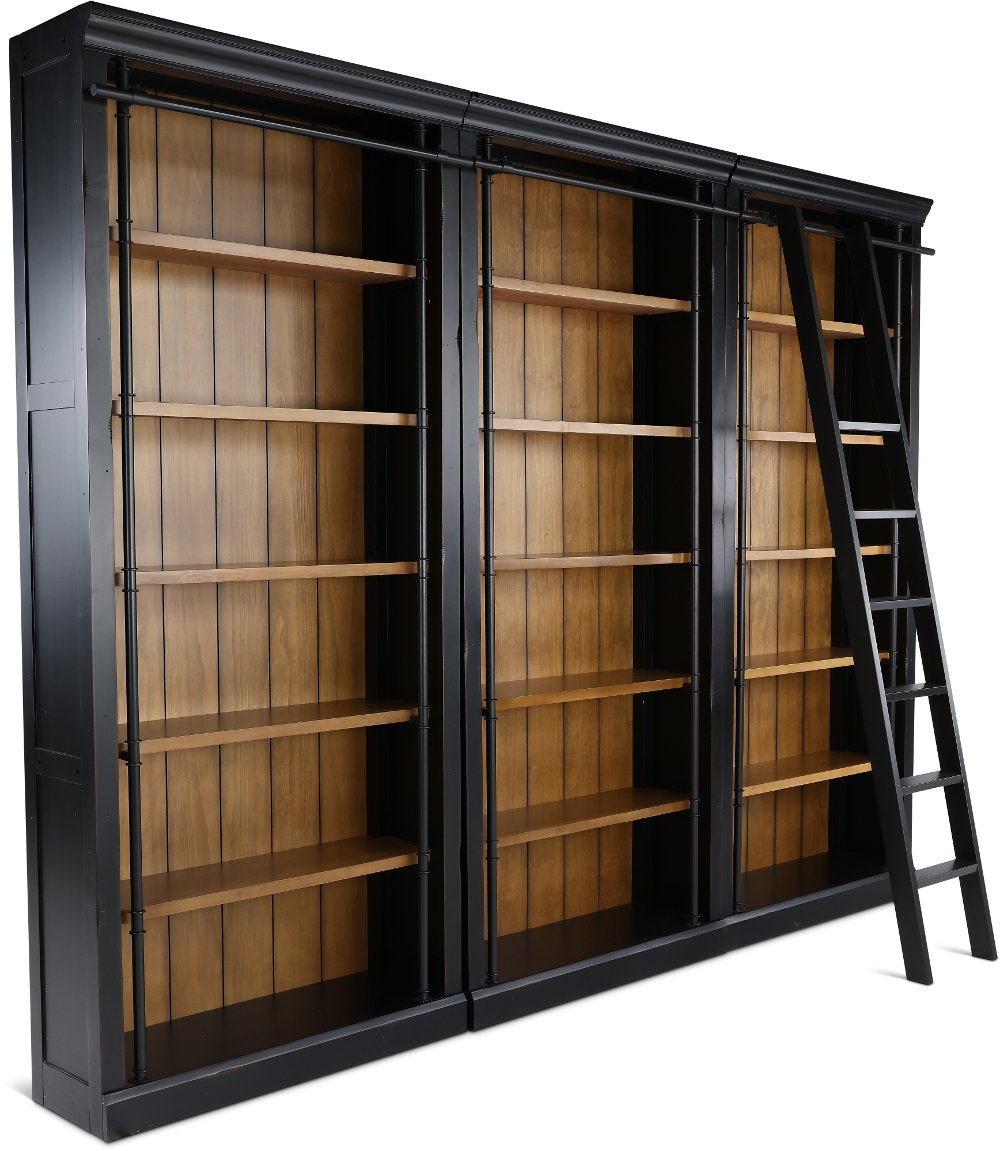
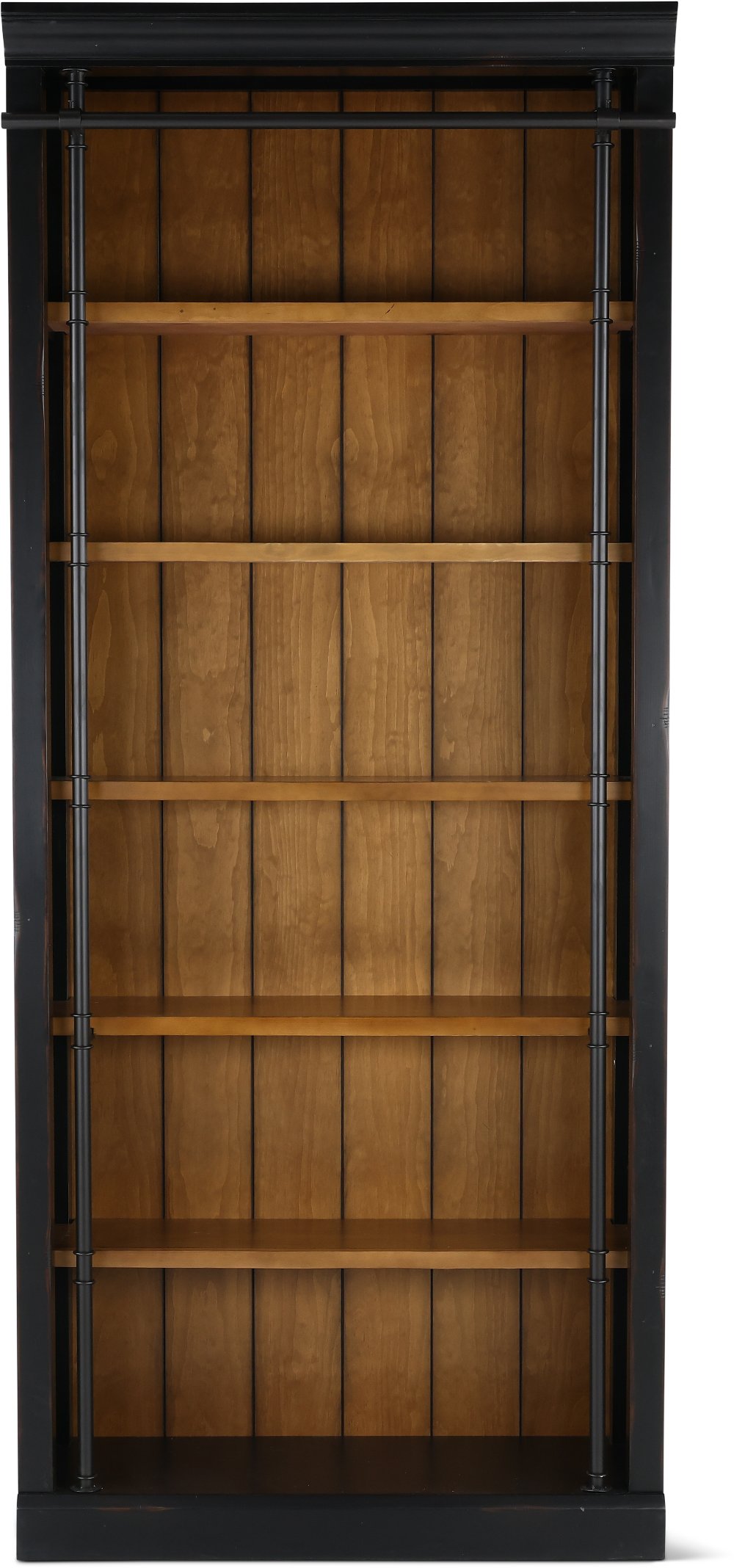
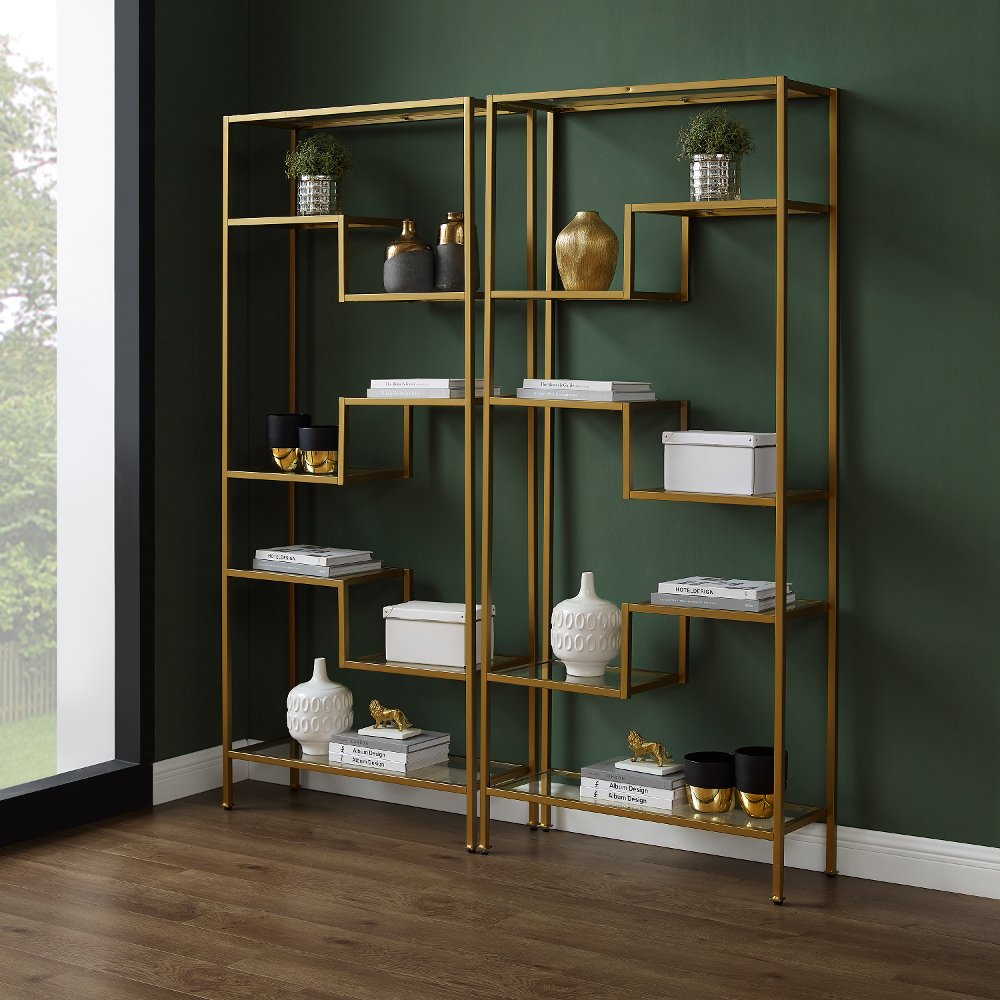
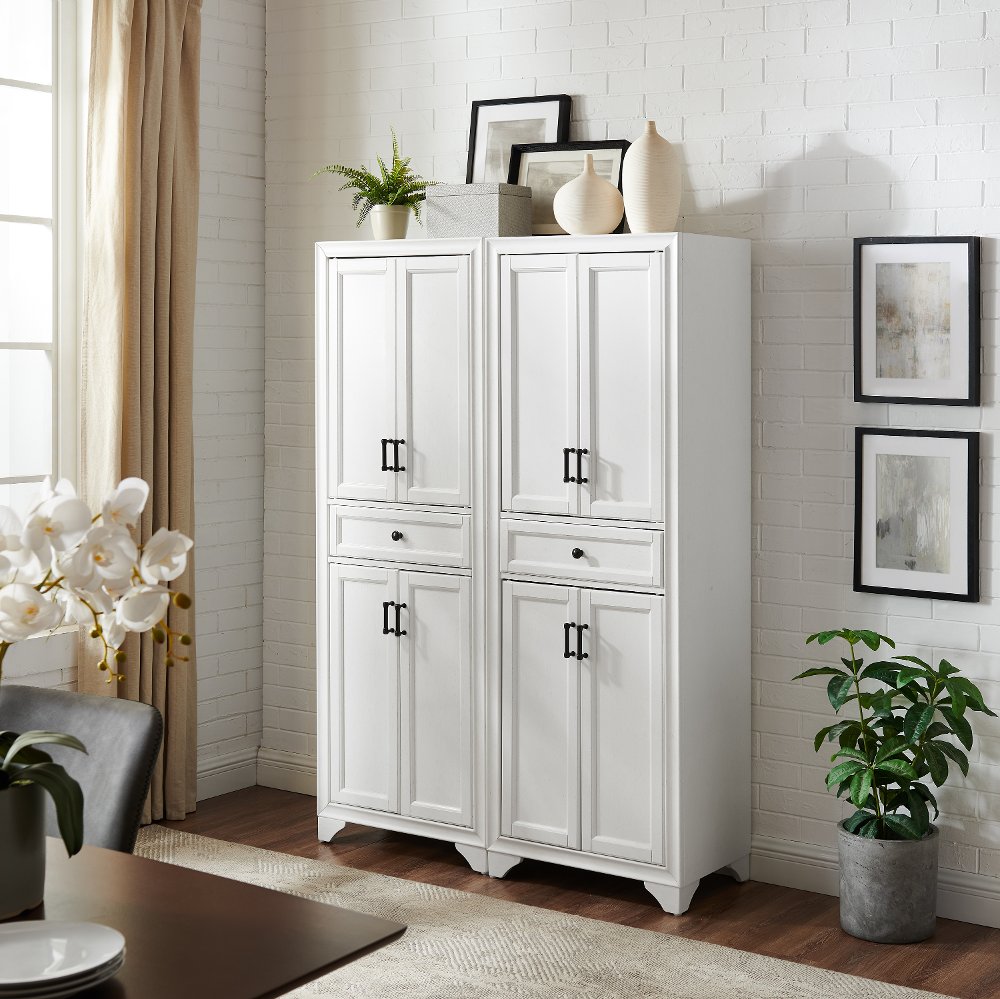
Small shelving units give everyday belongings a place to land without asking you to rearrange an entire room. A compact bookcase beside a reading chair can keep favorite novels within reach, while a narrow shelving unit near a desk can separate notebooks, reference books, and supplies from the surface where you work. In an apartment, a shared bedroom, or a home with limited storage, that modest footprint can make a noticeable difference in how comfortably a space functions. Open shelves keep contents visible and easy to reach, making them useful for objects you handle often as well as pieces you enjoy seeing. A framed photo, a glazed bowl, and a short stack of books can feel settled rather than scattered when they share a dedicated spot. Cube-style compartments create natural divisions for different categories, while taller, slimmer designs make use of vertical space. Low shelving can sit comfortably beneath a window when the dimensions allow, preserving light and sightlines. The best fit depends on what you want the piece to do: hold a growing paperback collection, organize craft supplies, display keepsakes, or support a few well-chosen baskets for smaller essentials. For a child’s room, accessible lower shelves can help make putting away books and toys part of an everyday routine, provided the unit is appropriate for that use and secured as directed. For someone setting up a first apartment or furnishing a guest room, compact shelving adds storage without requiring a full wall of furniture. If you’re comparing configurations, small shelves offer another way to explore storage with a lighter footprint. A shelving unit doesn’t have to fill every inch of an empty corner to earn its place. Leaving a little open space around it can keep a busy room feeling comfortable, and leaving room on the shelves makes it easier to add the next book, basket, or meaningful object.
Fit starts with the unit’s full width, depth, and height, but the space around it matters just as much. Measure the intended spot with baseboards, outlets, door swings, and nearby furniture in mind. A piece that fits neatly against a wall may still interrupt the path between a sofa and a doorway, especially if its shelves project farther into the room than expected. Painter’s tape on the floor can help you picture that footprint before making a decision. Interior shelf measurements deserve the same attention: a unit’s outside dimensions won’t tell you whether a tall art book can stand upright or a storage basket will slide in easily. Adjustable shelves offer flexibility when your belongings vary in height, while fixed shelves create consistent compartments and may be part of the structure that keeps the unit stable. Consider access as well as capacity. A basket needs enough clearance to pull forward, and frequently used objects belong at a height you can reach comfortably. Materials influence both appearance and everyday performance. Solid wood brings grain variation and a substantial feel, though its finish still needs protection from spills and scratches. Engineered wood can provide a consistent surface in a range of finishes; its durability depends on construction, edge protection, and the conditions where it’s used. Metal frames often create a more open outline and pair easily with wood-look shelves, while glass shelves keep the look visually light but show fingerprints more readily. Check the stated weight capacity for each shelf and for the unit as a whole rather than judging strength by appearance. A row of hardcovers can weigh considerably more than a few decorative objects. Shelf span, thickness, joints, and backing all affect how a piece handles regular use. Place heavier belongings on lower shelves, follow the manufacturer’s loading instructions, and use the recommended tip-restraint hardware. In homes with children or pets, secure installation is especially important; a short unit can still tip if climbed or pulled.
Once the size and construction suit your space, the details help small shelving units feel at home with the furniture you already have. A wood finish with similar undertones can connect a compact shelf to a nearby desk or dresser without requiring an exact match. A simple metal frame may echo the legs of a side table, while a painted finish can blend with the wall or introduce a deliberate contrast. Open-backed designs let the wall show through and can feel less visually dense; closed backs provide a defined background for books and display pieces. Neither approach requires elaborate styling. Group everyday belongings by how you use them, then give each group enough room to stay easy to manage. In a home office, keeping paper supplies together on one shelf can prevent a search through several drawers. Beside a sofa, a basket can collect charging cords and remotes while another shelf holds reading material. In a bedroom, a compact unit can keep personal objects close without crowding the top of a dresser. Storage bins are helpful for loose pieces, but measure them against the usable shelf opening, including any frame or lip, so they pull out smoothly. Care is usually straightforward when it follows the material and finish instructions. Dust with a soft cloth, wipe up spills promptly, and avoid abrasive cleaners that can scratch or dull surfaces. Keep standing water away from wood and engineered-wood edges, and place a protective tray beneath a plant pot to catch moisture. Shelving intended for a dry living area may not be suitable for a damp bathroom, so check the intended environment before choosing its location. If assembly is required, follow the instructions in order, use the specified hardware, and check that the finished unit sits level before loading it. Recheck fasteners as recommended, particularly after a move. With thoughtful proportions and care suited to its materials, a small shelving unit can remain useful through room rearrangements, changing collections, and new routines. Its value is in the daily convenience: books you can find, surfaces you can use, and favorite belongings that have a place of their own.
Read More