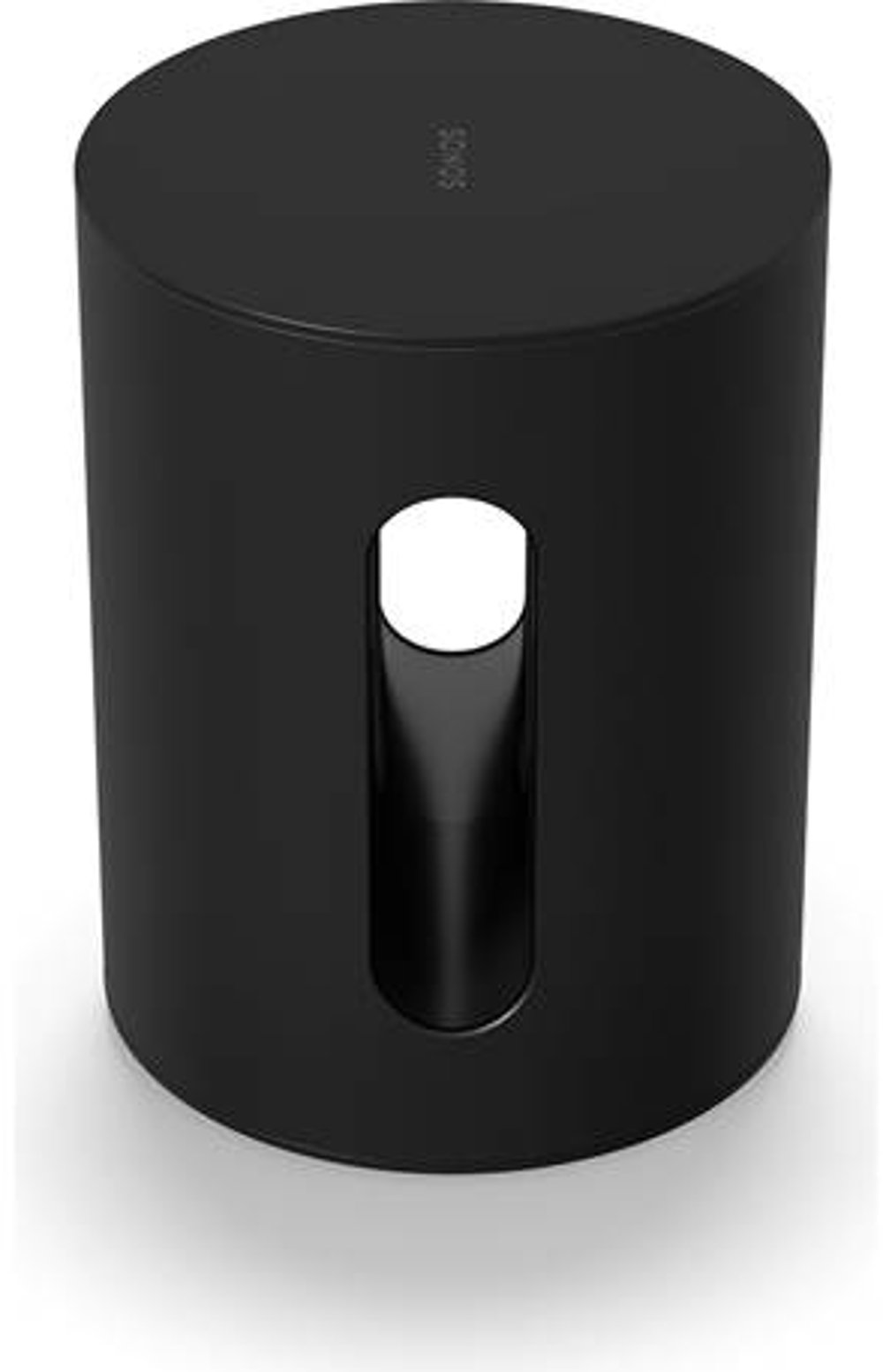
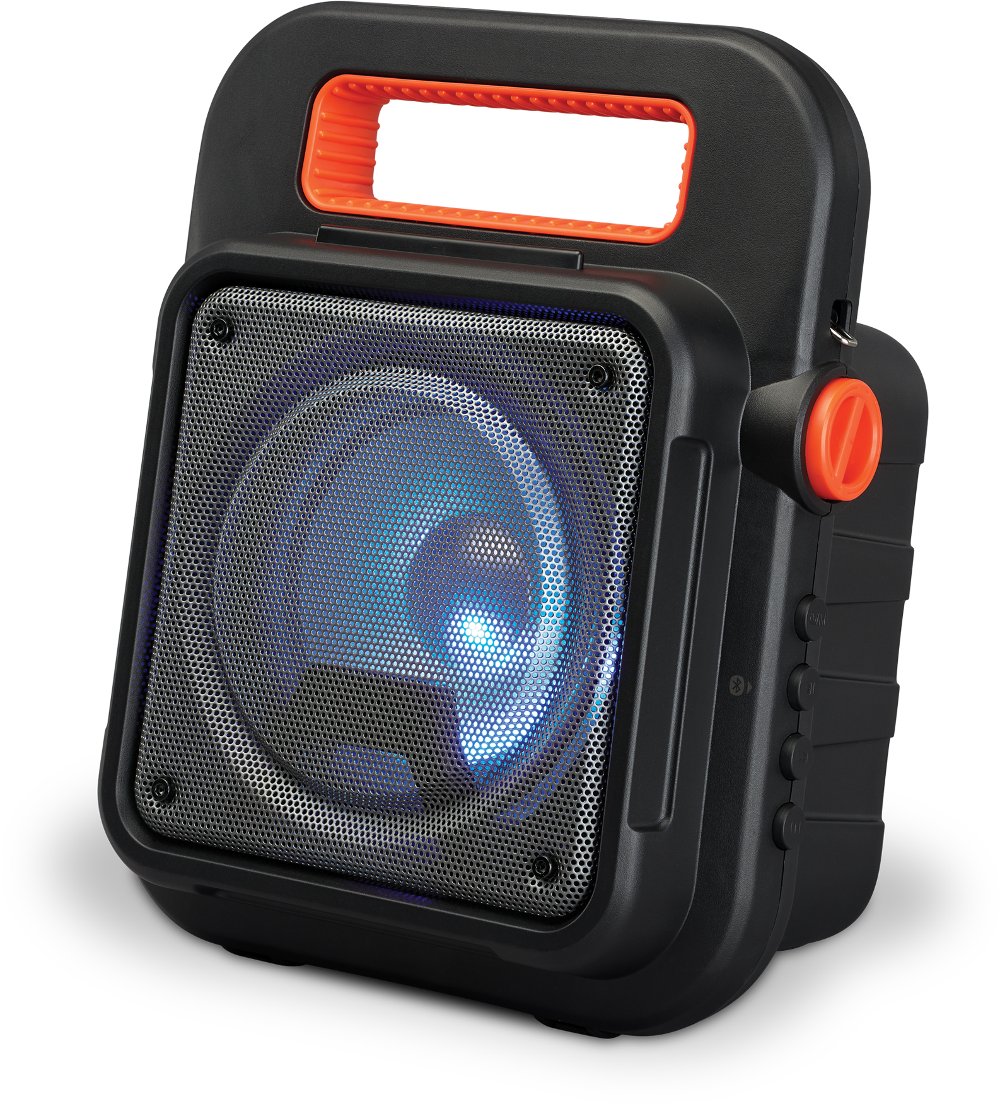
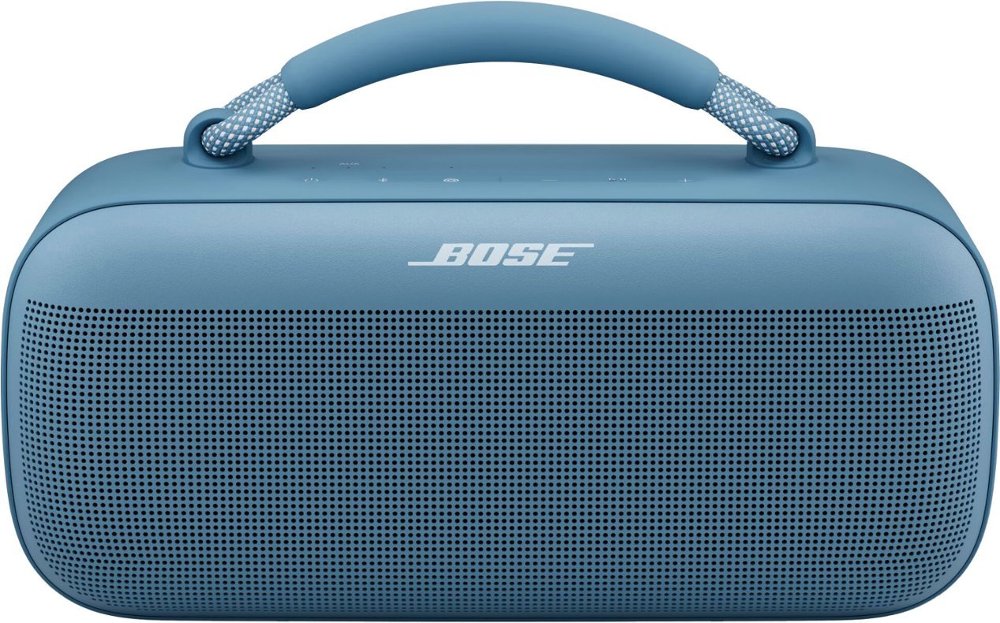
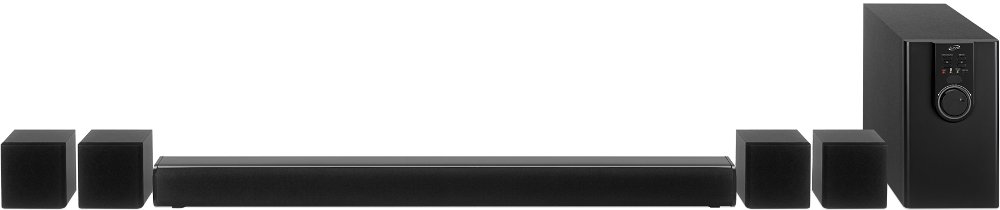
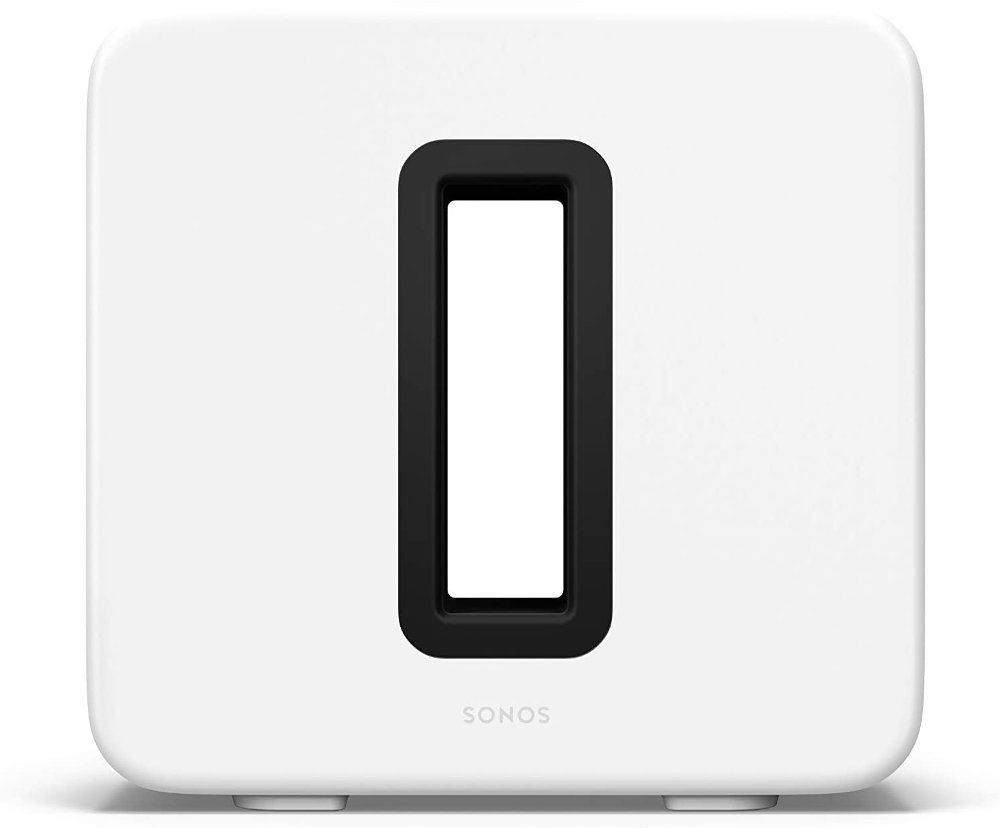
Sound speakers turn electrical audio signals into sound waves, bringing music, dialogue, and effects into the room. Most use an electromagnetic voice coil that interacts with a magnet to move a cone or dome, pushing air to create the sounds you hear. Different drivers handle different parts of that sound: tweeters reproduce high frequencies, woofers handle lower frequencies, and midrange drivers focus on the range that includes much of the human voice. The right combination can make a singer’s words easier to follow, give a piano more presence, or add weight to a movie’s rumbling soundtrack. Speaker styles serve different spaces and listening habits. Bookshelf speakers offer a compact option for a living room, office, or bedroom, often working best on stands or sturdy furniture with room around the cabinet. Floor-standing speakers have larger enclosures and can accommodate multiple drivers, making them a natural fit for a dedicated listening area or a more spacious room. Portable Bluetooth speakers pair with compatible devices for convenient listening without a permanent installation, while soundbars keep TV audio in a streamlined enclosure beneath or near the screen. Surround sound systems use speakers in several positions to create a sense of movement and space around the listener. A subwoofer handles deep bass, supporting everything from a kick drum to the low-frequency effects in a game. Size alone doesn’t determine sound quality; driver design, cabinet construction, placement, and the room itself all matter. Someone who listens to podcasts while making dinner may value clear voices and simple controls more than powerful bass. A music enthusiast may prefer a stereo pair that gives instruments distinct positions across the listening area. For everyday listening from a mobile device, Phone Speakers offer a related option to explore. Matching the speaker format to those familiar routines helps make better sound an easy part of the day.
Connections and power requirements shape how comfortably speakers fit into an existing setup. Active, or powered, speakers have built-in amplification, though they still need electricity from an outlet or battery. Passive speakers require a separate amplifier or receiver, with speaker wire carrying the amplified signal to each cabinet. For a passive system, the speaker’s impedance and recommended amplifier power range need to work with the receiver’s specifications. A wattage figure on its own won’t tell you how clear or full a speaker will sound in your room. Bluetooth provides a convenient connection to compatible phones, tablets, and computers; Wi-Fi speakers may support network streaming and coordinated playback across rooms, depending on the system. Wireless audio doesn’t always mean a completely cable-free setup, since many speakers still need power cords, and some systems require wired connections between components. TV connections deserve the same attention. HDMI ARC or eARC can carry audio from a compatible television to a compatible soundbar or audio system, while optical connections provide another option with different format limitations. Checking the connections on both devices helps avoid an awkward mismatch once everything is in place. In a home theater, a center-channel speaker anchors much of the dialogue to the screen, left and right speakers establish the front soundstage, and surround speakers add effects beside or behind the seating area. A 5.1 layout generally includes five main speaker channels and one subwoofer channel. In a smaller room, a soundbar or stereo pair may be a more comfortable fit than multiple separate cabinets. Physical dimensions matter, too: a soundbar should leave the screen and remote sensor unobstructed, and bookshelf speakers need enough surface area for secure placement. For a desk setup, compact speakers positioned on either side of the monitor can keep voices centered and music balanced without taking over the workspace. Accessible controls, suitable cable lengths, and a clear path to outlets make a difference long after setup day.
Speaker materials affect appearance, handling, and acoustic performance. Home speaker cabinets often use medium-density fiberboard, wood-based composites, molded plastic, or metal, with finishes ranging from wood veneer to painted surfaces and fabric coverings. A well-braced enclosure helps limit unwanted cabinet vibration, while secure joints and stable feet support everyday durability. Driver cones may use treated paper, polymers, metal, or other composites; no single material guarantees better sound, because the overall design matters more than an isolated specification. Fabric or perforated grilles help shield drivers from incidental contact, though they aren’t a substitute for careful placement around children or pets. Portable speakers may have rubberized edges, carrying loops, or protective housings that suit frequent moves between rooms or trips away from home. Any water- or dust-resistance claim should come from the speaker’s stated rating rather than its rugged appearance. In the room, placement can change the listening experience as much as expected. A speaker tucked deep inside a cabinet may sound boomy or boxed in, especially if its bass port needs clearance. Leaving the manufacturer’s recommended space around the enclosure allows it to perform as intended. For seated listening, positioning tweeters near ear level often helps preserve clarity, while a stable stand can reduce vibration transferred to nearby furniture. Rugs, curtains, and upholstered seating can soften reflections in a room with many hard surfaces, making sound less splashy without changing the equipment. Care is usually straightforward: a soft, dry cloth removes surface dust, and liquids should stay away from drivers, ports, and connections. Finish-specific cleaning instructions help protect veneers, coatings, and fabric, and battery-powered speakers benefit from charging and storage practices recommended by the manufacturer. Speakers can also make thoughtful gifts for a student setting up a study space, a gamer building a more immersive desk area, or someone who loves sharing music at home. The most useful choice suits the recipient’s devices, room, and comfort with setup, giving favorite playlists, familiar voices, and movie nights a welcome place in everyday life.
Read More