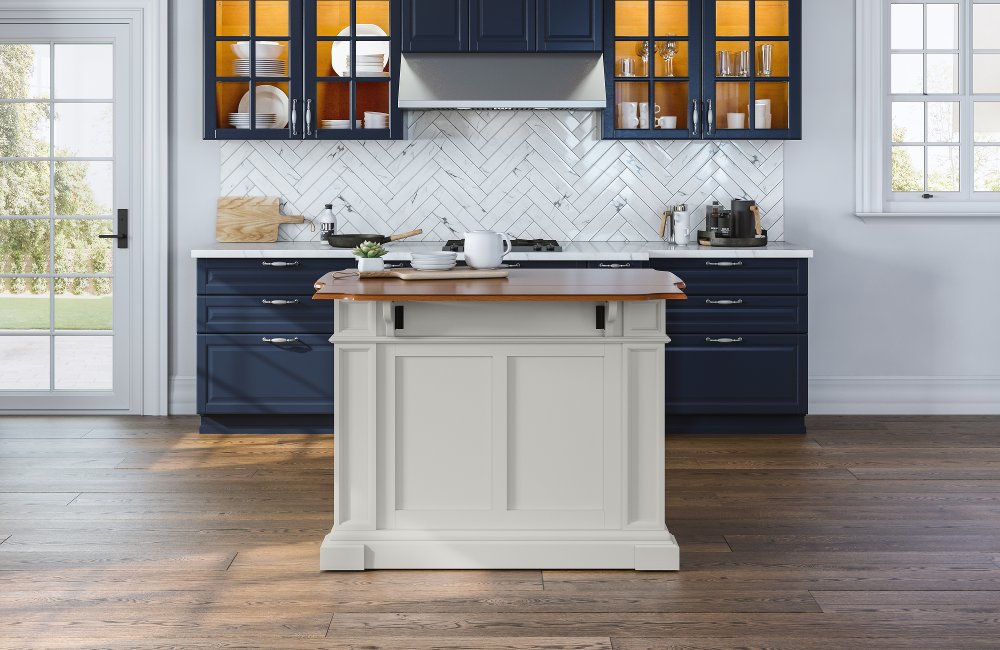
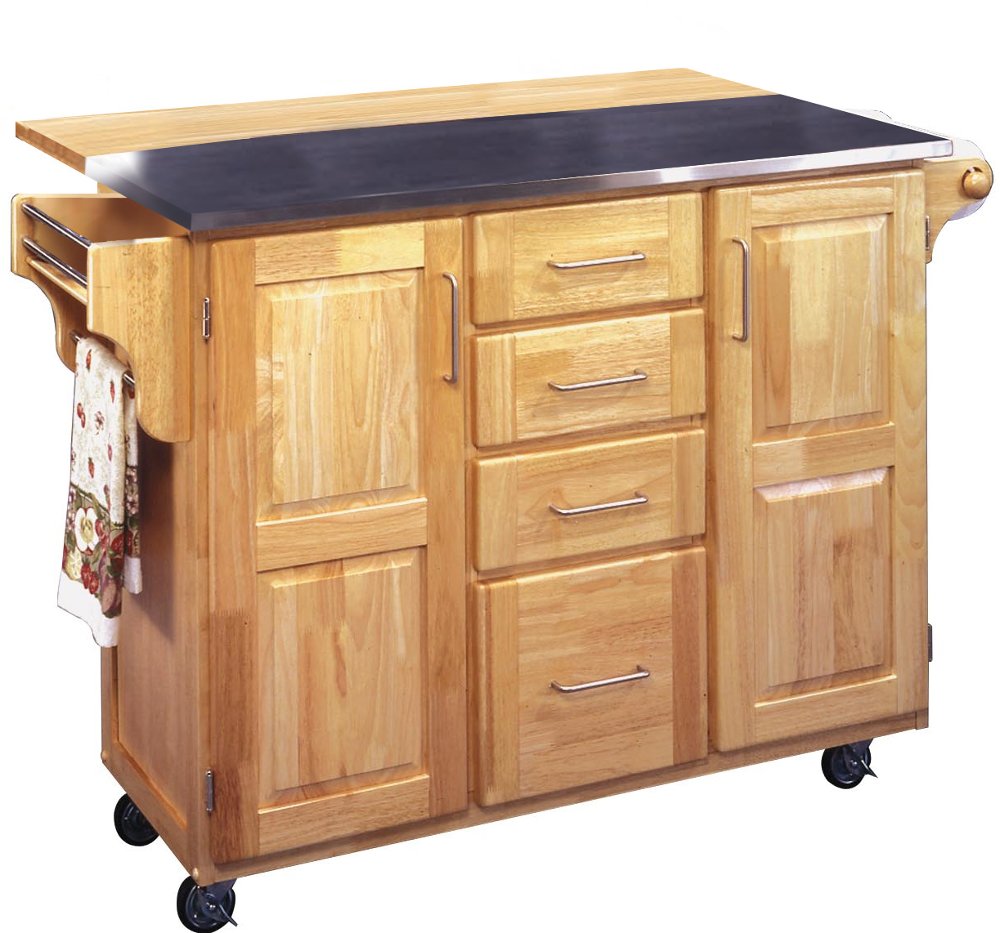
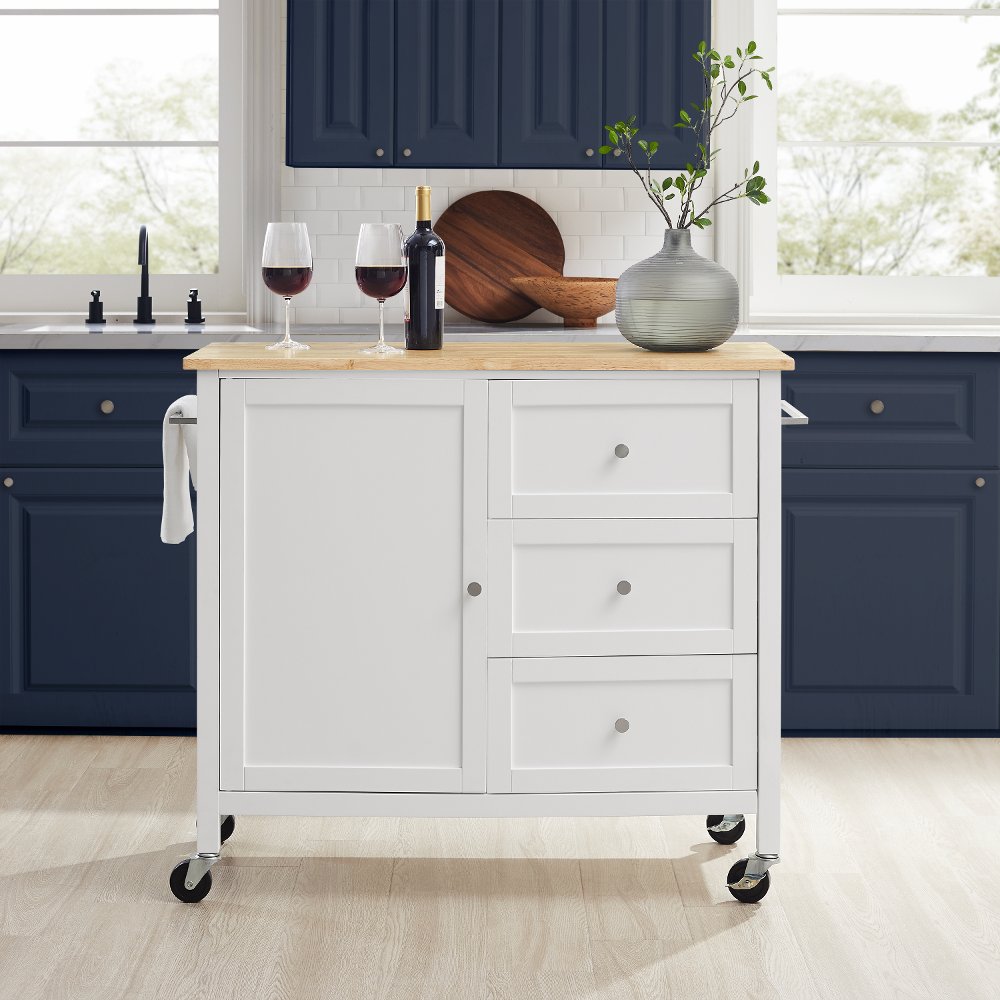
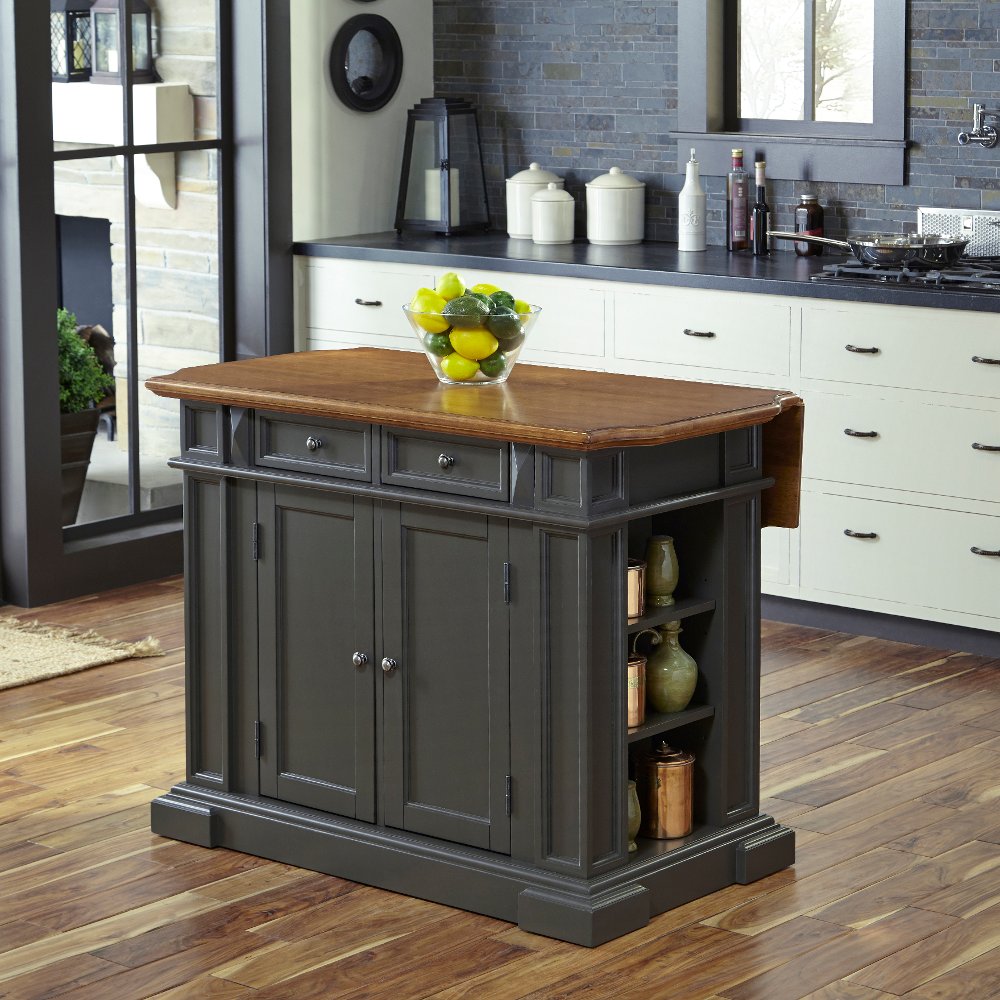
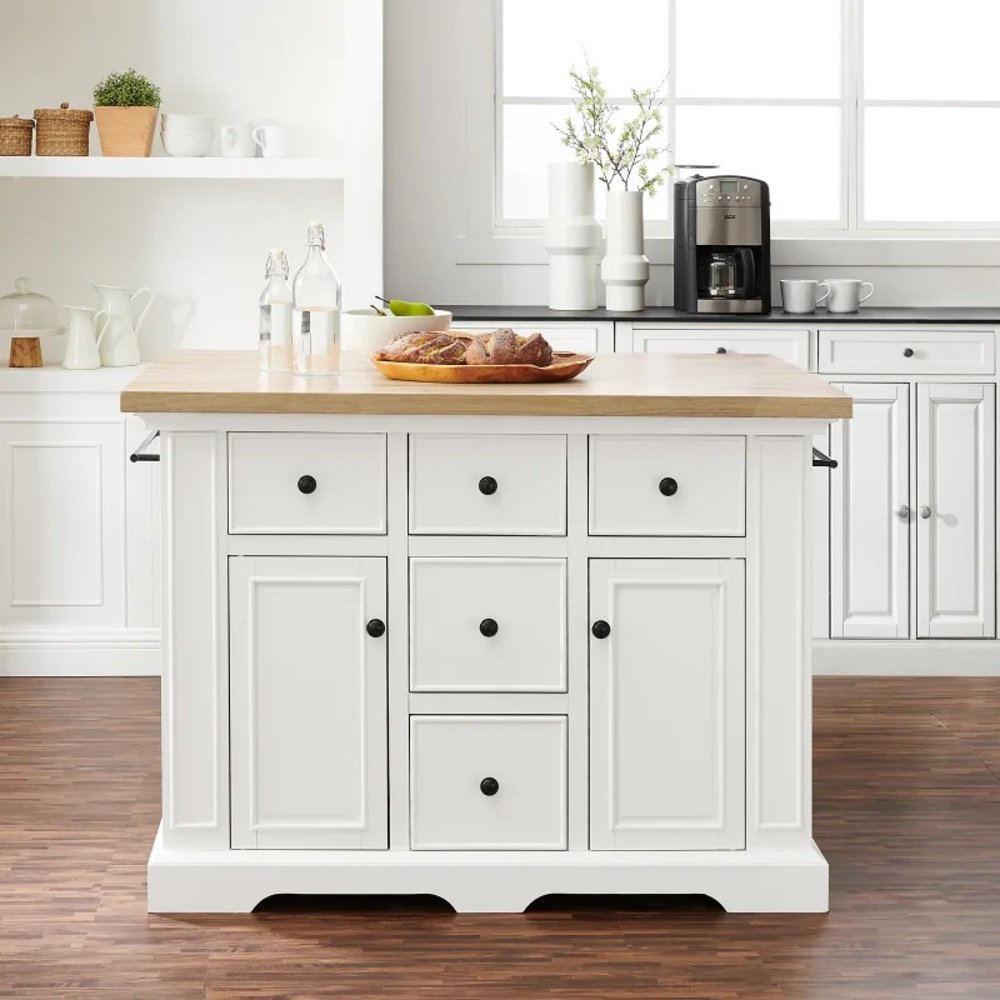
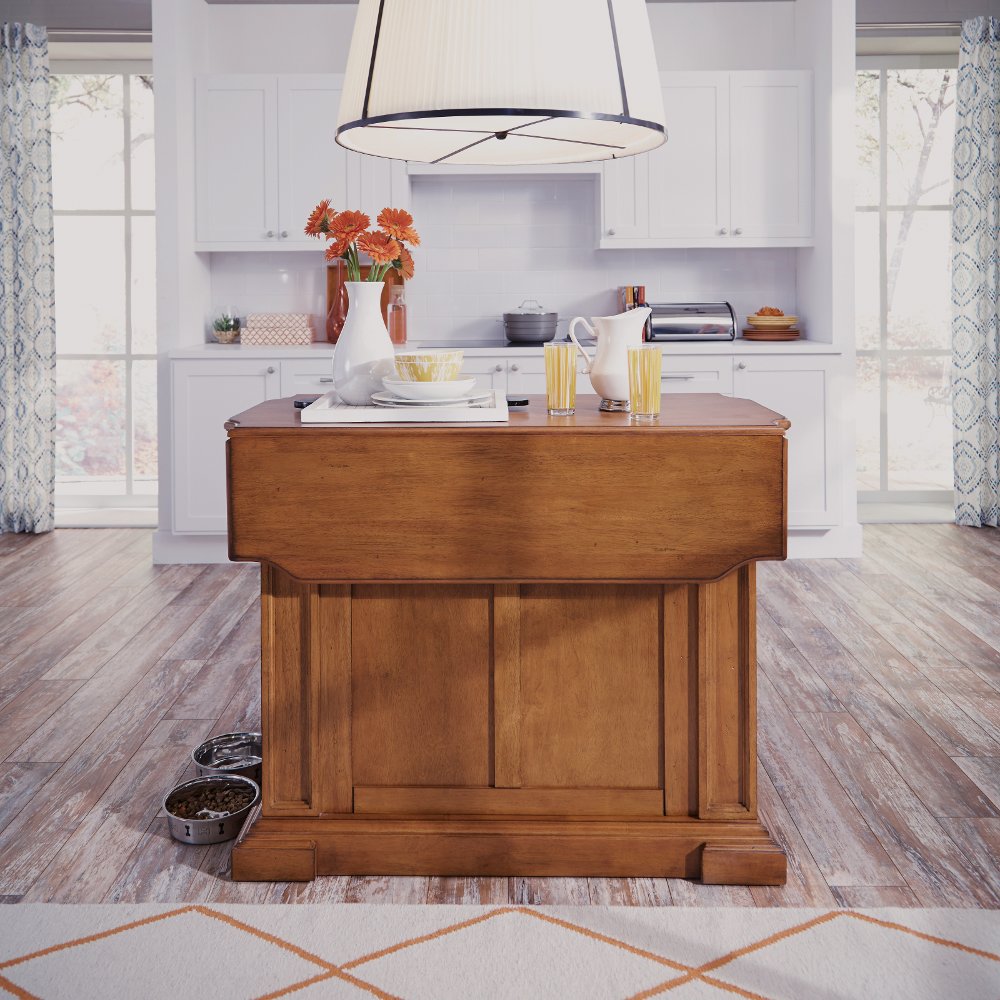
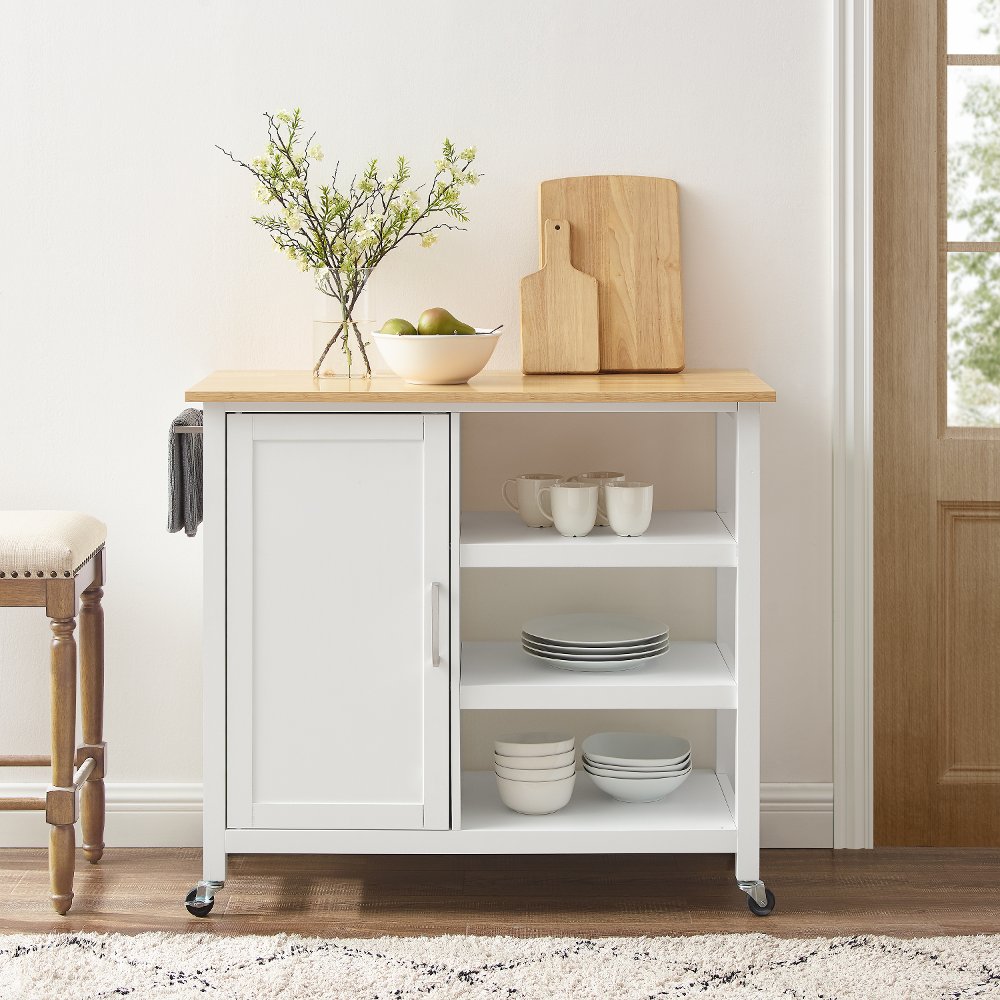
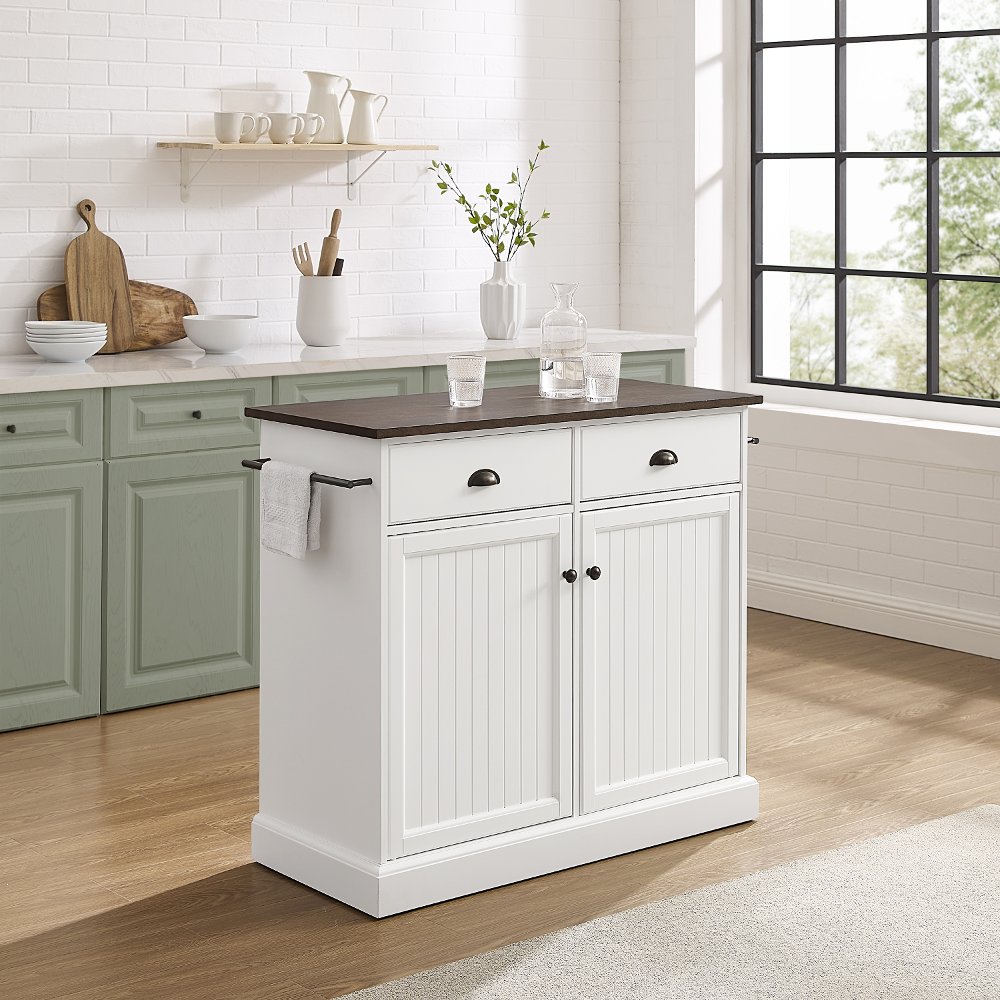
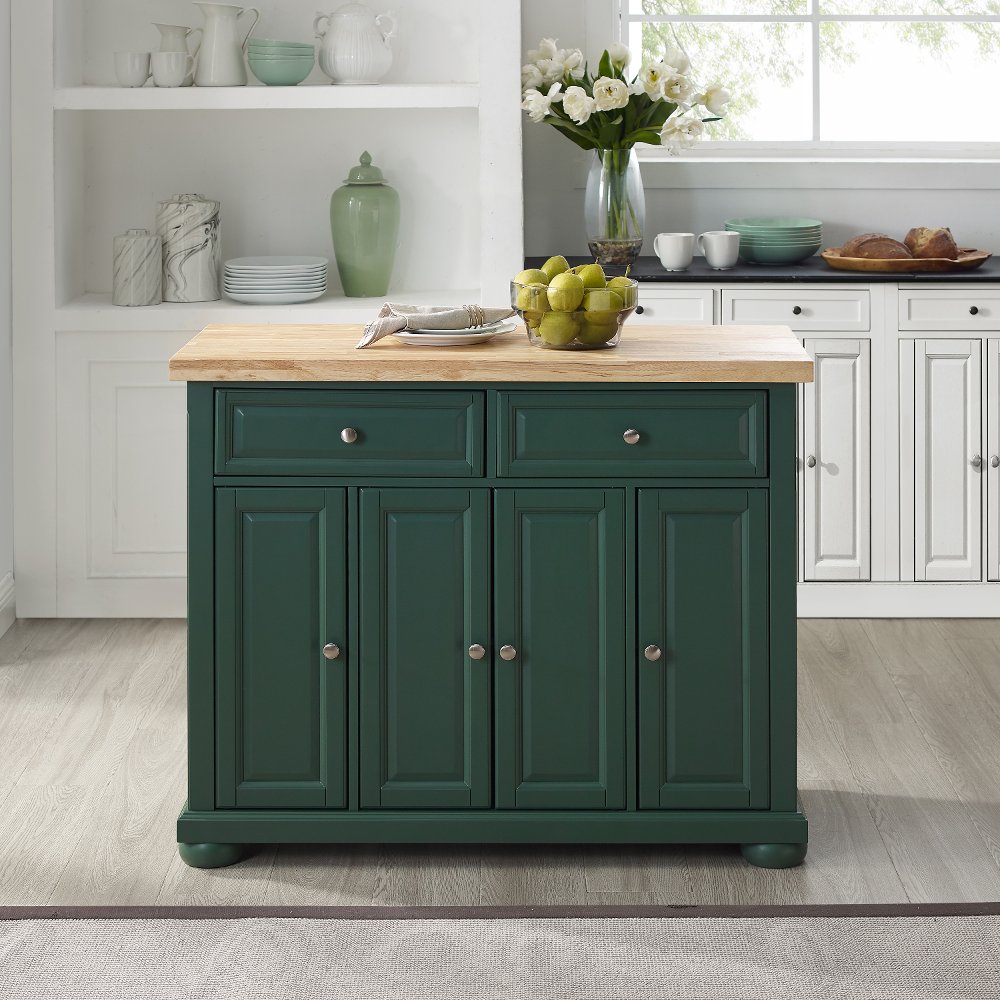
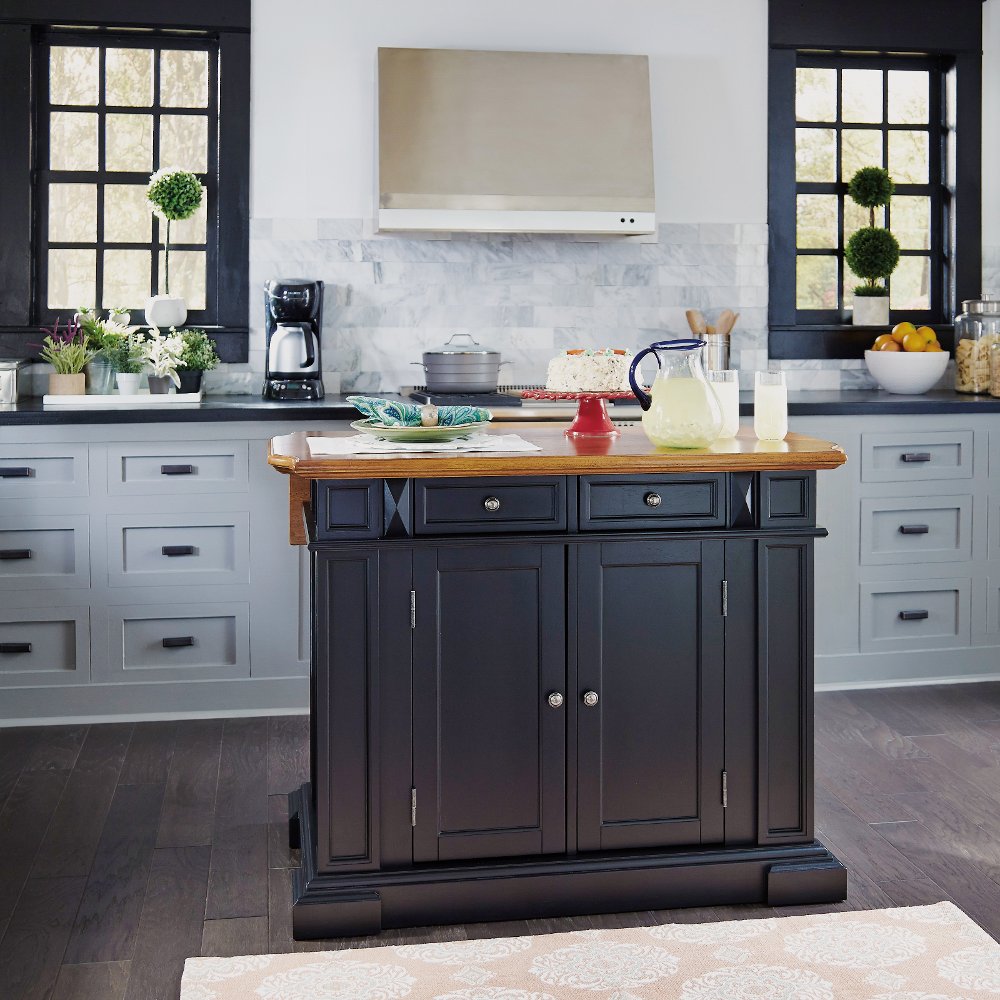
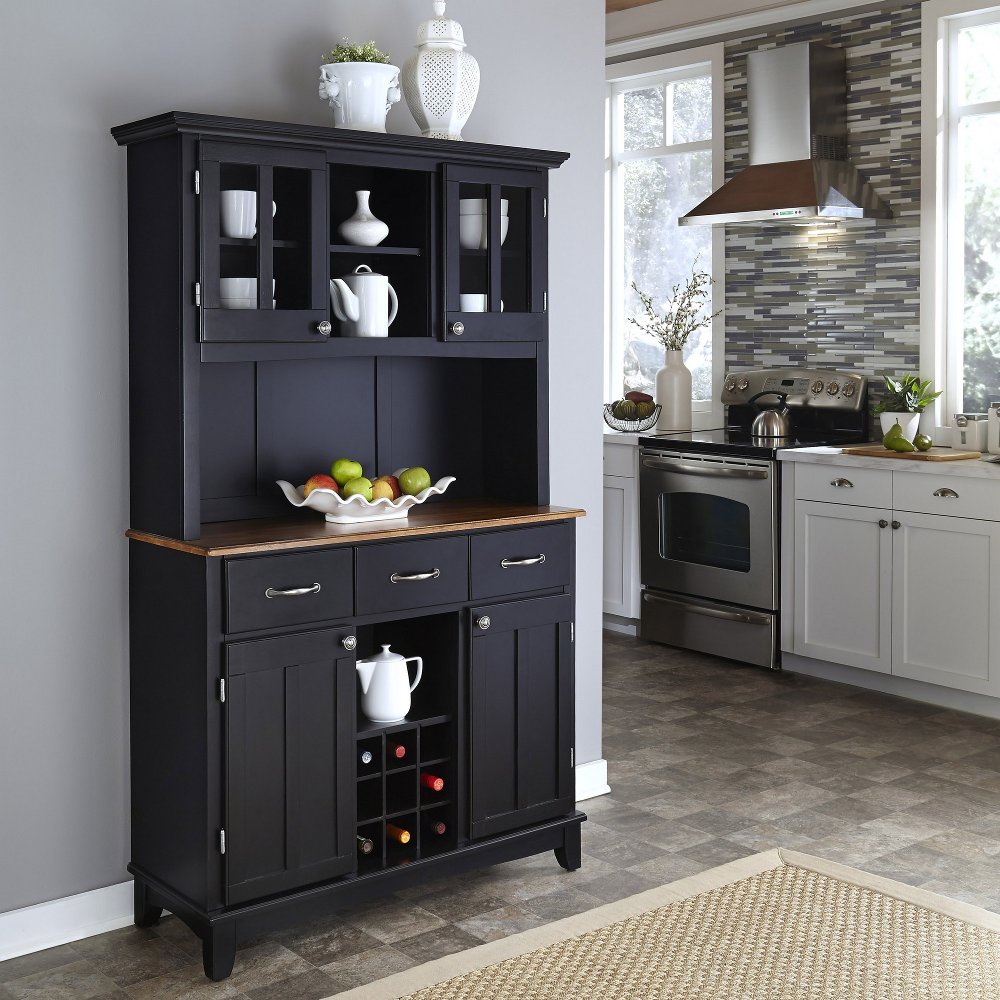
Stationary kitchen islands give your kitchen a dependable center for chopping, serving, organizing, and gathering. Unlike a rolling cart, a stationary island stays firmly in place, so you can lean against the counter while kneading dough, set down a heavy mixing bowl, or spread out ingredients without the workspace shifting beneath you. This steady design works especially well in busy kitchens where several people share the room. One person can prepare vegetables at the island while another loads the oven, and children can sit nearby for a quick snack or homework break. A kitchen island can also help define an open floor plan by creating a natural boundary between the cooking area and the dining or living space. Before choosing one, measure the available floor area carefully, including the room needed to open appliance doors, pull out drawers, and walk comfortably around every side. A clearance of about 36 inches around the island generally supports everyday movement, while more space may make sense near a range, refrigerator, or dishwasher. Consider the island’s overall length, depth, and height alongside your existing countertops so the room feels coordinated and easy to use. Counter-height designs work well for food preparation and standard kitchen tasks, while models with a raised or integrated seating area can create a convenient breakfast bar. For comfortable seating, allow enough knee space beneath the overhang and plan for each stool to have room to move without bumping into the next seat. A stationary island can be a thoughtful housewarming gift for someone settling into a new home, a practical upgrade for a first apartment with enough kitchen space, or a useful addition for a family that enjoys cooking together. Even when it isn’t used for elaborate meals, the extra surface can hold a coffee station in the morning, a cutting board during dinner prep, or a bowl of fresh produce that keeps everyday ingredients within reach.
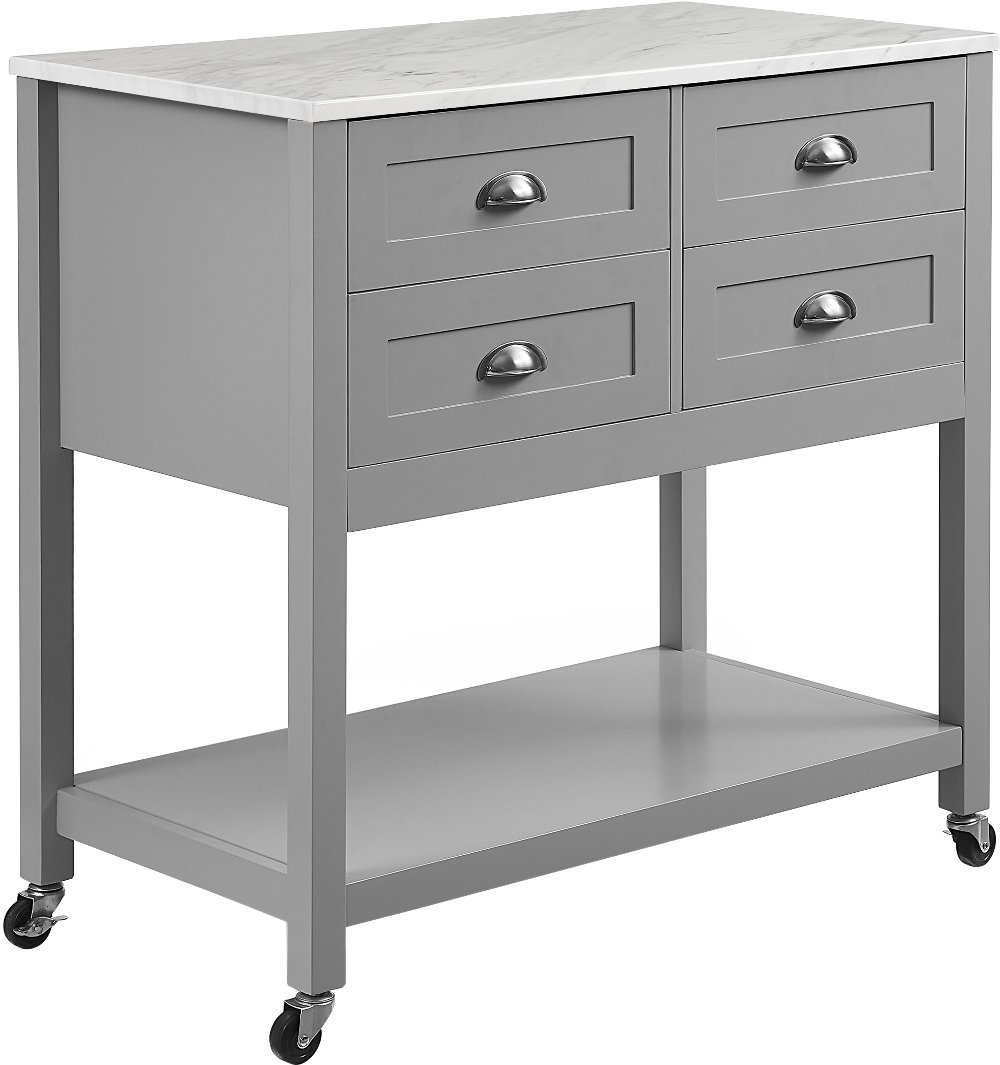
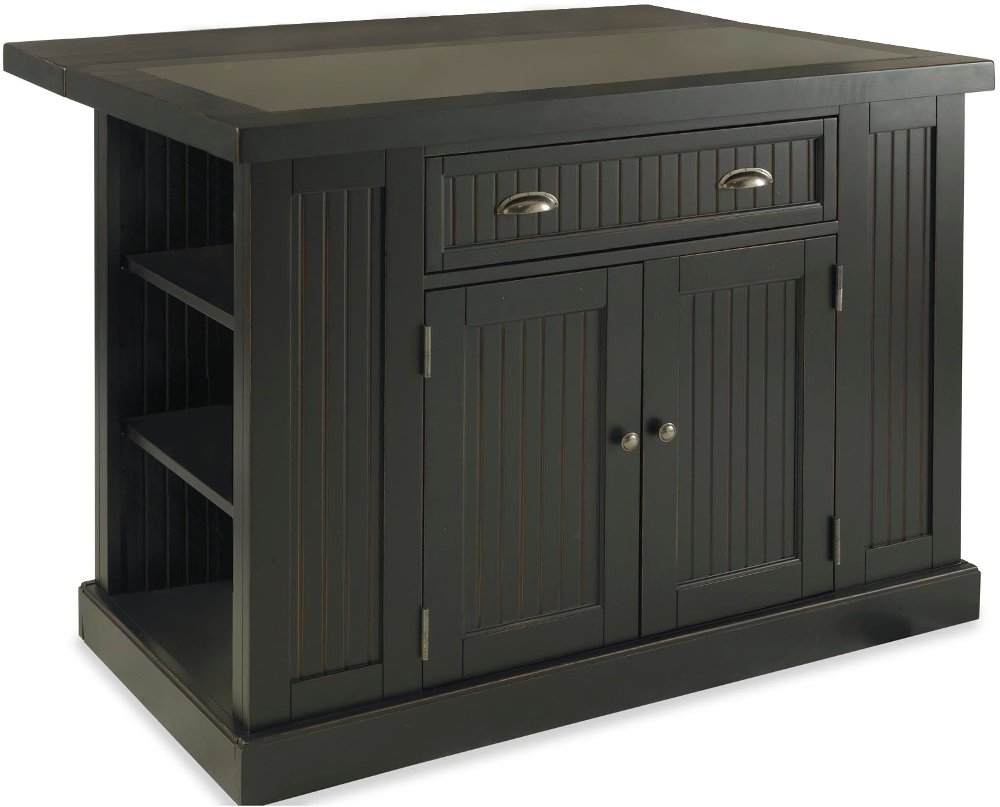
Storage is one of the biggest advantages of adding a stationary kitchen island. Open shelves keep mixing bowls, serving pieces, cookbooks, baskets, and frequently used appliances visible and easy to reach. They also add a lighter, more casual look, making it simple to bring warmth and personality into the kitchen. Enclosed cabinets and drawers create a cleaner appearance while protecting cookware from dust and keeping less decorative items tucked away. Double-sided storage can make the island useful from both the kitchen and dining sides, with cooking tools on one side and napkins, placemats, or serving dishes on the other. Some designs include broad lower shelves for bakeware, large bowls, or small appliances, while others make better use of compact drawers for utensils, towels, and measuring tools. Think about what tends to collect on your counters and select storage that addresses those daily habits. If the toaster, blender, and stand mixer compete for space, an open lower shelf may keep them accessible without crowding the worktop. If paperwork and school supplies tend to migrate into the kitchen, drawers or cabinets can provide a discreet place to gather them before the evening meal. Material and construction also shape the island’s feel and performance. Wood and wood-look surfaces bring a welcoming farmhouse character, while metal framing and sturdy hardware can lend an industrial edge. A thick wood top creates a substantial work surface with a comfortable, tactile feel; painted finishes offer a brighter appearance and can complement white, gray, natural wood, or darker cabinetry. Look for a stable base, well-supported shelves, smooth drawer operation, and a top that suits the tasks you plan to perform. A surface used for daily prep should be easy to wipe clean, and any finish should fit your household’s care routine. When the weather turns cooler and more meals move indoors, reliable storage and an ample work surface can make everything from weekend baking to weeknight soup preparation feel more organized.
The best stationary kitchen island is the one that supports the way your household actually lives. A compact design may suit a smaller kitchen, apartment, or breakfast nook, while a longer island can provide separate zones for preparation, serving, and seating. Wider models often create a stronger visual anchor in an open kitchen, but they need generous clearance so the room remains comfortable rather than crowded. Think through the path groceries take from the entryway to the refrigerator, the location of electrical outlets, and whether the island will sit near enough to your main work areas to be useful. If you plan to keep a countertop appliance on the island, confirm that the placement works with your outlet locations and leaves adequate room for food preparation. Families may appreciate a durable surface with easy-to-reach storage, while enthusiastic home cooks may prioritize generous counter space, sturdy construction, and room for mixing or rolling dough. Entertainers can use the island as a serving station where guests gather with drinks and appetizers, and anyone who enjoys a slower morning can turn the seating side into a comfortable spot for coffee and conversation. For more ways to compare workspace-focused designs, explore Kitchen Prep Islands. As you narrow down your options, picture the island during an ordinary evening: groceries waiting to be put away, a cutting board on the counter, stools pulled up for a quick meal, and enough open space for everyone to move easily. Choosing the right size, storage arrangement, finish, and seating setup helps your island feel less like an extra piece of furniture and more like a natural part of the kitchen—steady, useful, and ready for the routines that make a house feel like home.
Read More