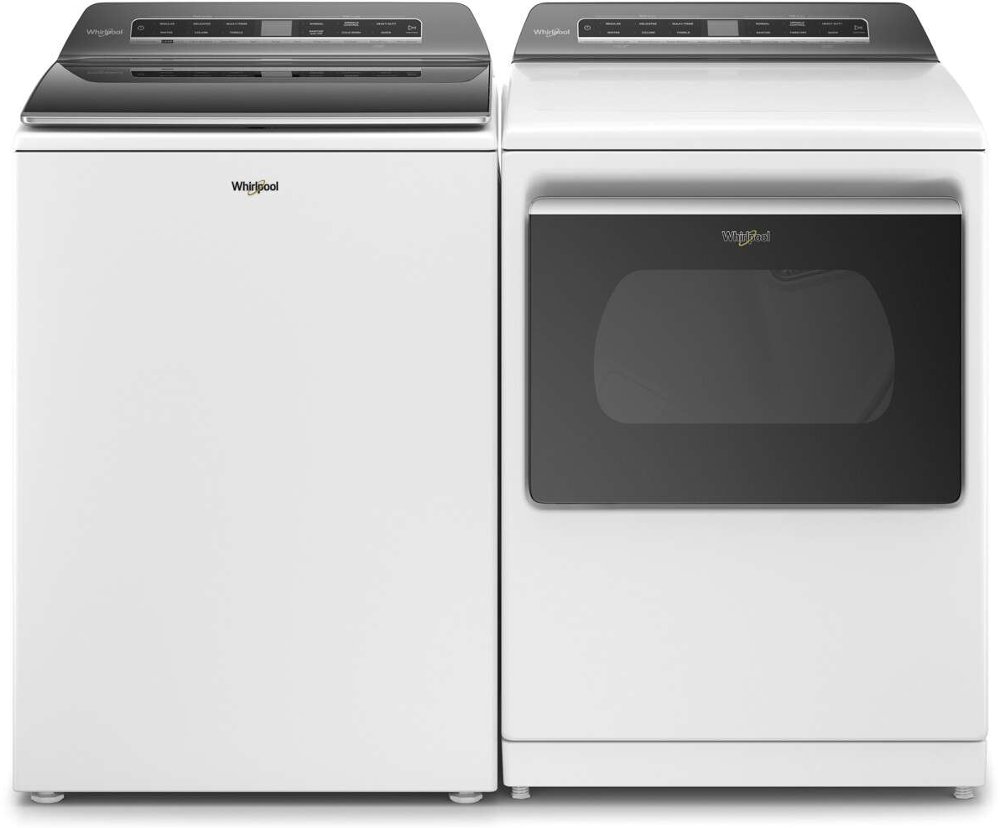
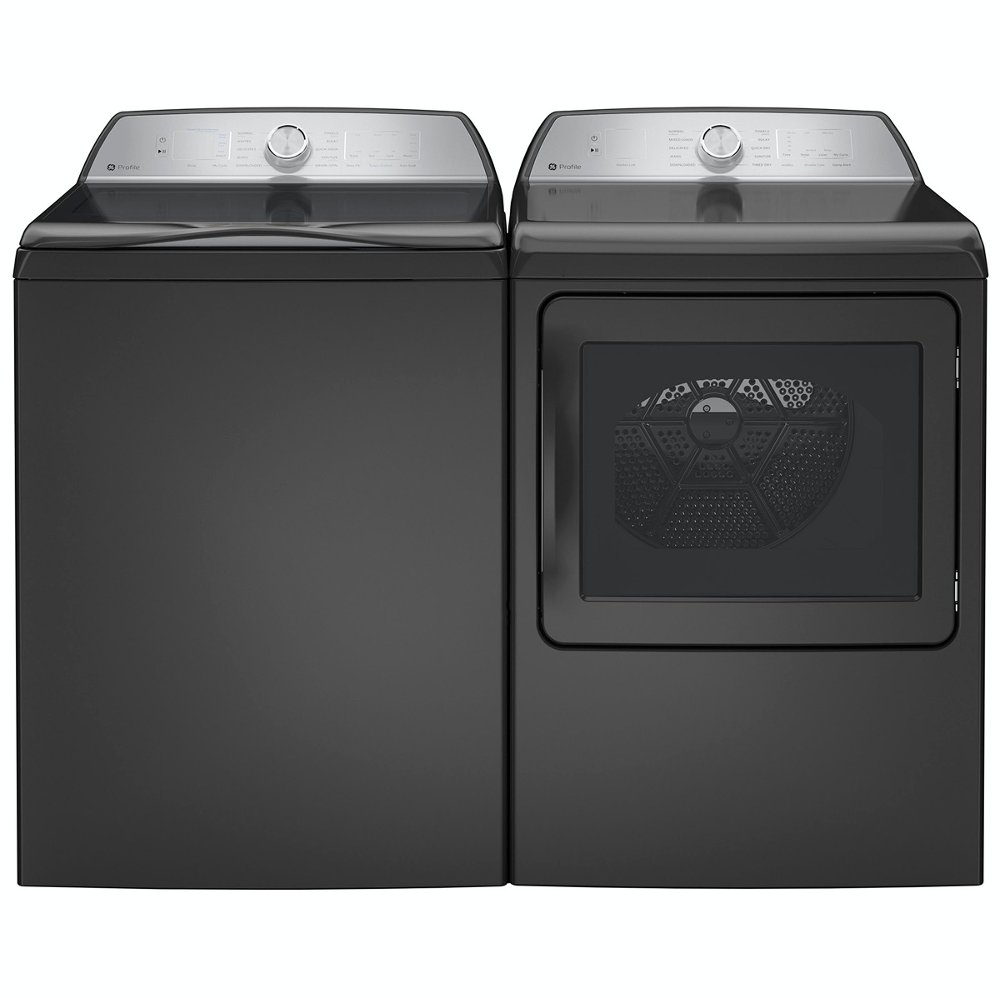
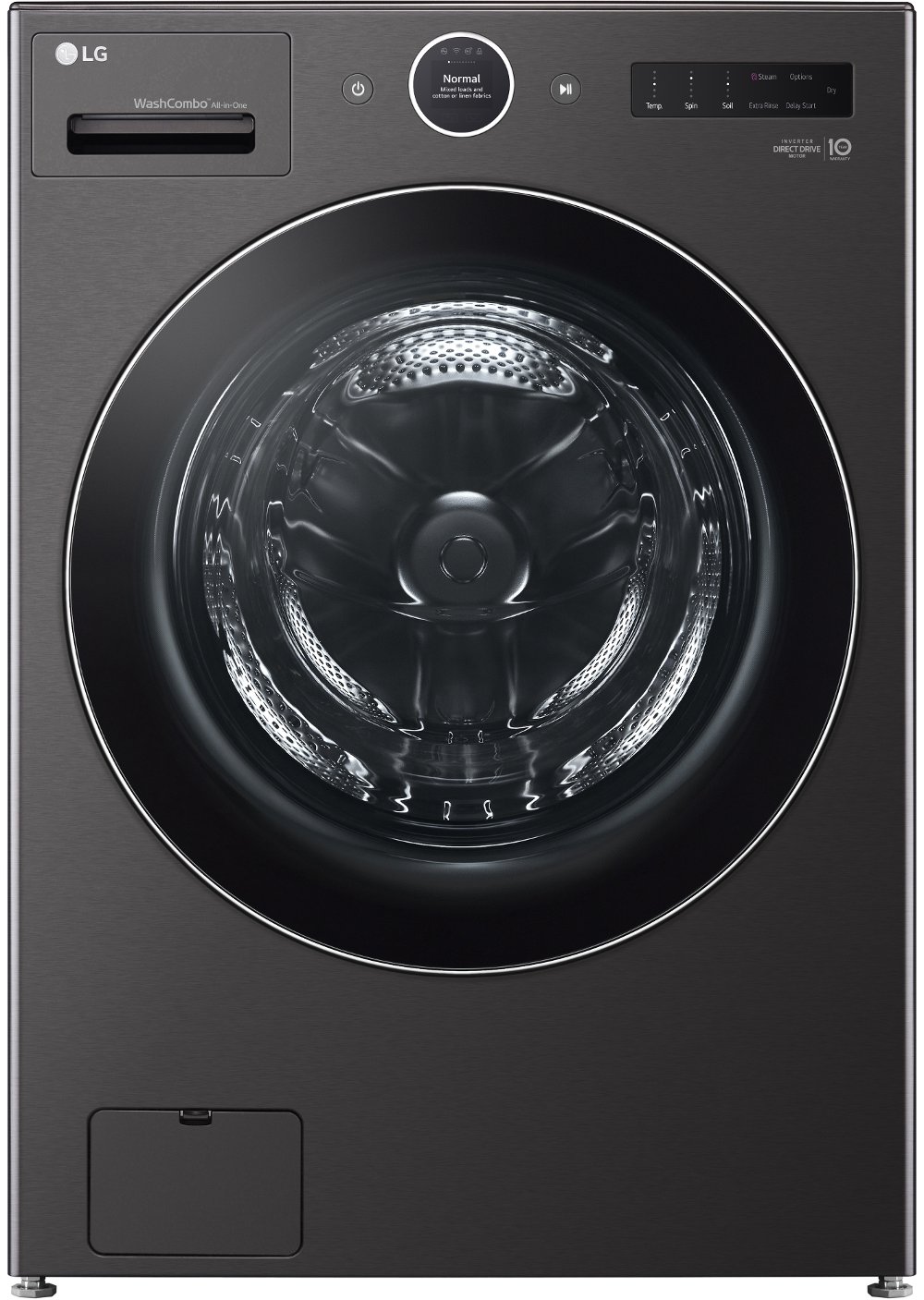
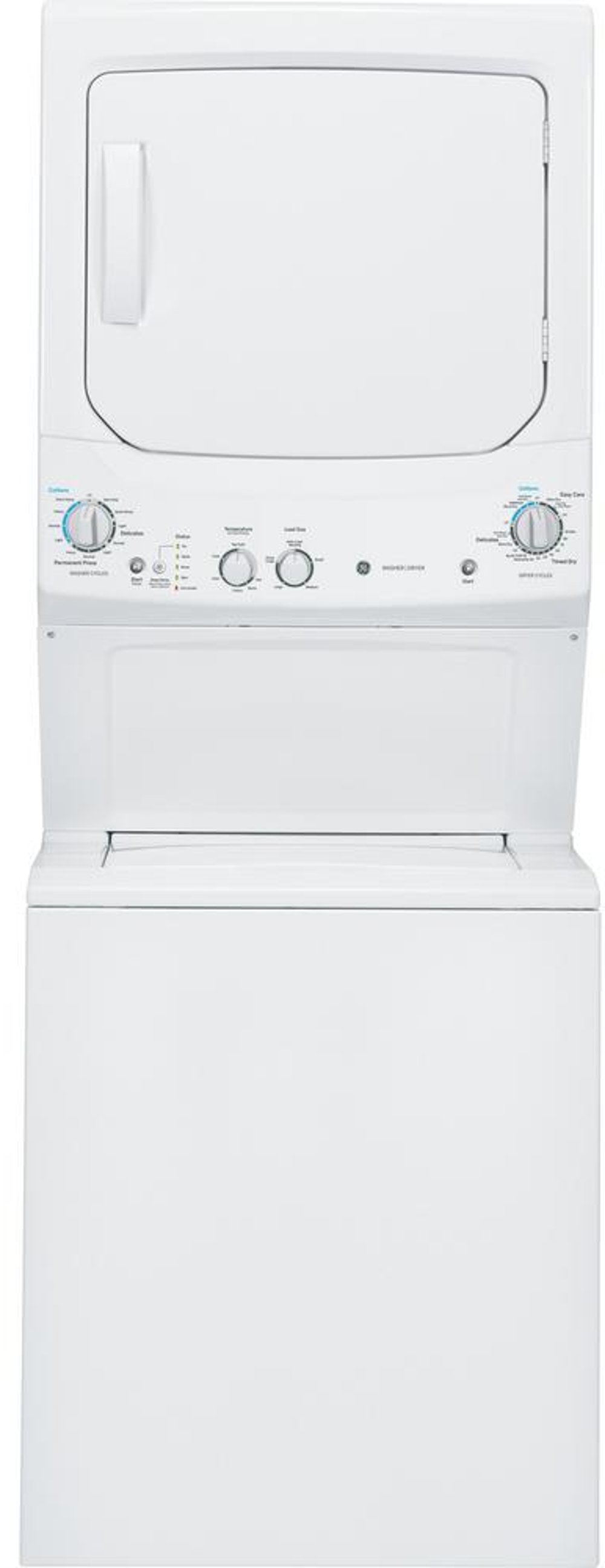
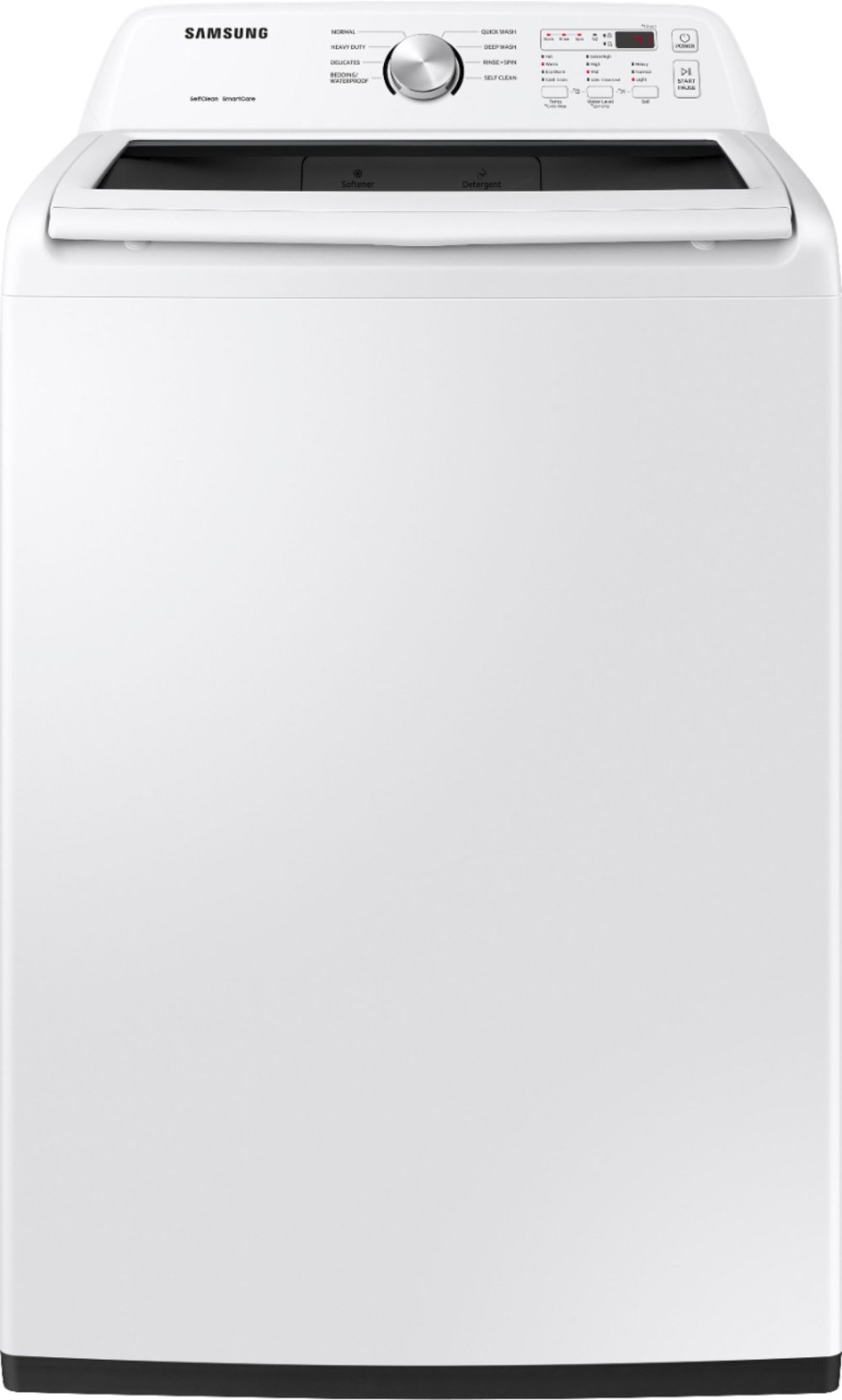
Steam washer and dryer sets pair everyday laundry cleaning with steam-assisted cycles that can help loosen certain stains, refresh suitable fabrics, and reduce wrinkles. The two appliances use steam differently: a steam washer introduces steam during designated wash cycles or options to support cleaning, while a steam dryer typically adds moisture and heat to help relax creases in clothing. Steam complements the wash or drying process rather than replacing detergent, stain treatment, or regular laundering. That distinction matters when a basket holds everything from food-spotted cotton shirts to lightly worn pants that need freshening before another outing. A washer’s steam option may help with stubborn soil when used with the appropriate detergent and cycle, but results depend on the stain, fabric, and selected settings. Dryer steam refresh cycles are generally intended for suitable garments with light wrinkles or odors, not heavily soiled clothes that need washing. For households managing school clothes, work shirts, guest towels, and weekly bedding, these features can make a matching laundry pair a practical part of the routine. During the cooler months, when extra layers fill the hamper, having enough room to wash and dry without crowding becomes especially useful. Some sets include designated sanitizing or allergen-reduction cycles, although steam alone doesn’t establish either capability. Any sanitizing or allergen claims should come from the appliance’s documented cycle performance, including the required settings and load restrictions. Likewise, a steam setting isn’t suitable for every textile. Cotton sheets and certain everyday blends may tolerate steam well when their care labels allow it, while wool, silk, leather trim, and heat-sensitive decorations can require different treatment. A useful steam laundry set combines those specialized options with dependable everyday cycles, so regular loads stay straightforward and occasional refreshes don’t require treating every garment the same way.
The right fit involves both the laundry inside the drums and the space around the appliances. Washer and dryer capacity is measured in cubic feet, but the numbers serve different purposes: a dryer generally needs a larger drum so wet laundry has room to tumble and release moisture. A coordinated pair helps align washing and drying capacity, although a bulky comforter still needs enough room to move freely in each appliance. For a household washing large batches of towels or bedding, usable drum space may matter more than a long list of specialty cycles. Smaller households may place greater value on convenient controls, manageable dimensions, and cycles suited to smaller loads. Front-load steam washer and dryer sets often support side-by-side placement, and some can stack with an approved kit to preserve floor space. Stackability depends on the exact appliance combination; matching finishes or similar widths don’t guarantee compatibility. A side-by-side arrangement can keep both control panels within easy reach, while approved pedestals may raise the openings to make loading more comfortable. In a laundry closet, account for door swing, open appliance doors, hoses, dryer ductwork, and the installation clearances specified by the manufacturer. Measure the delivery route, too, including narrow hallway turns and basement doorways. Utility connections also shape the choice. Conventional electric dryers typically require a compatible 240-volt connection, while gas dryers require an appropriate gas supply and electrical connection. Most conventional dryers need outdoor exhaust venting, though requirements differ for ventless designs. A steam dryer may need a water-line connection or a refillable reservoir, depending on its design, so the steam feature deserves its own installation check. For laundry areas near bedrooms or living spaces, proper leveling and a suitable floor help support stable operation; steam itself doesn’t make a machine quieter. If your search also includes Samsung Washer Dryer Sets, compare the listed steam functions on both appliances, since a matching pair doesn’t necessarily include steam in both the washer and dryer.
Beyond fit and cycle names, the details you touch and use every laundry day help determine how well a steam washer and dryer set suits your home. Drum construction, door hinges, accessible filters, and easy-to-clean dispensers all deserve attention. Stainless steel drums resist rust and provide a smooth interior, but fabric care also depends on sensible loading, appropriate temperatures, and keeping sharp objects out of the wash. A roomy opening makes a damp quilt easier to transfer, and clearly labeled controls help when different household members share laundry duty. Moisture-sensing dryer cycles can adjust drying time based on the load, helping limit unnecessary heat exposure when used correctly. Steam wrinkle-reduction settings offer a different benefit: they may soften creases in a few suitable shirts before hanging, but they won’t necessarily create the crisp finish of an iron. Removing clothes promptly and giving them room on hangers helps preserve that refreshed appearance. Routine care supports both performance and durability. Use the detergent type specified for the washer, measure it for the load and water conditions, and follow the appliance’s cleaning-cycle instructions. Excess detergent can leave residue rather than deliver better cleaning. On front-load washers, wipe the door gasket and allow the interior to dry as directed, keeping child and pet safety in mind. Clean the dryer’s lint screen as instructed and have the exhaust path checked and cleaned as needed; a steam option doesn’t replace proper airflow. Water hoses, reservoirs, and any steam-related maintenance also need the attention described in the owner’s manual. These habits matter whether the set handles a couple’s weekly loads or a busy household’s steady stream of uniforms, bath towels, and sheets. Connected controls, delay settings, and cycle notifications can add convenience where included, but the strongest match starts with capacity, fabric needs, installation requirements, and controls that feel comfortable to use. With those essentials in place, steam features become a useful addition to everyday laundry rather than another setting to figure out.
Read More