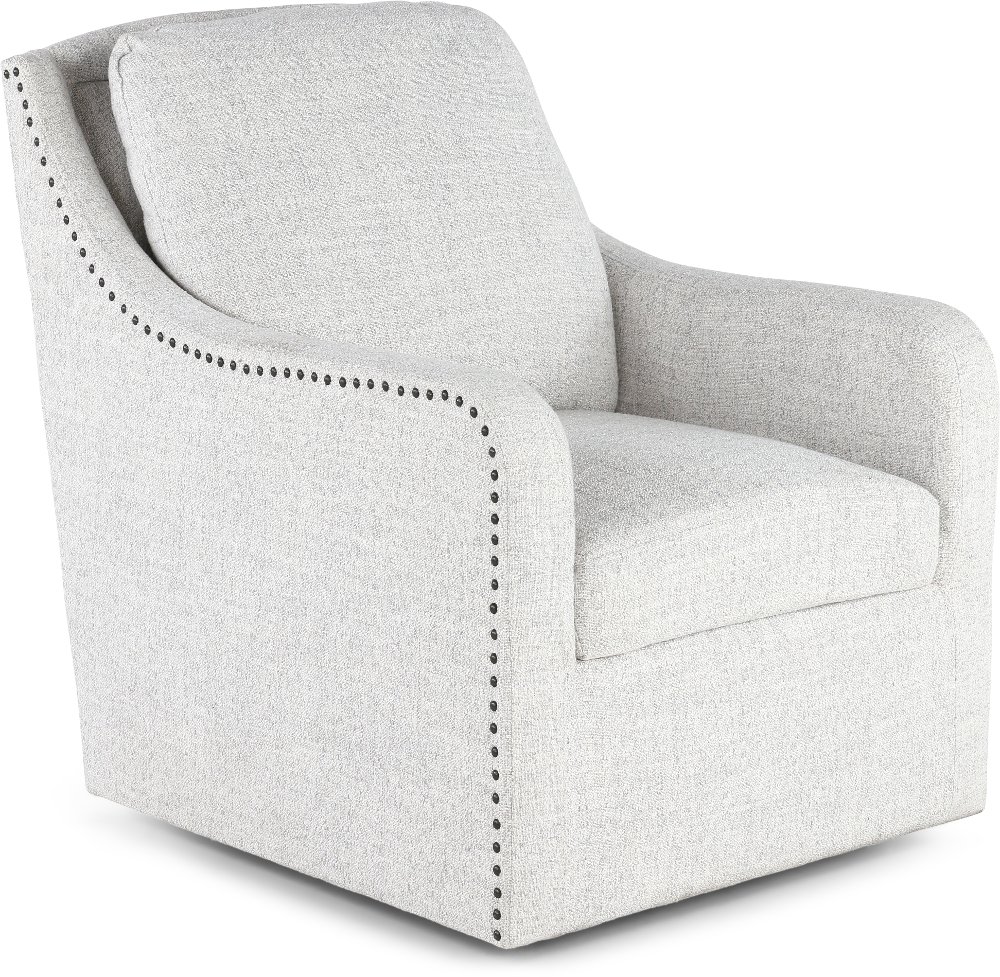
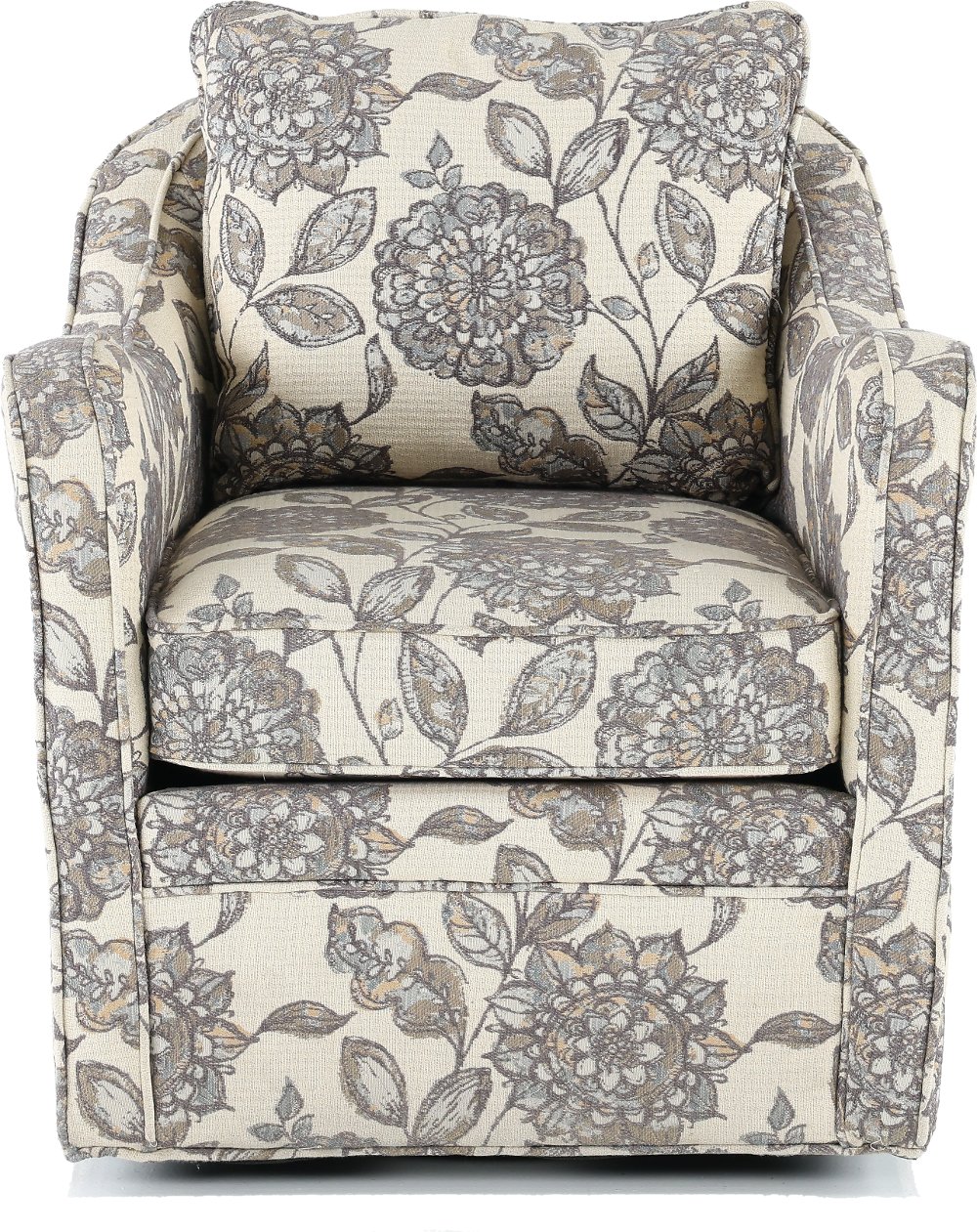
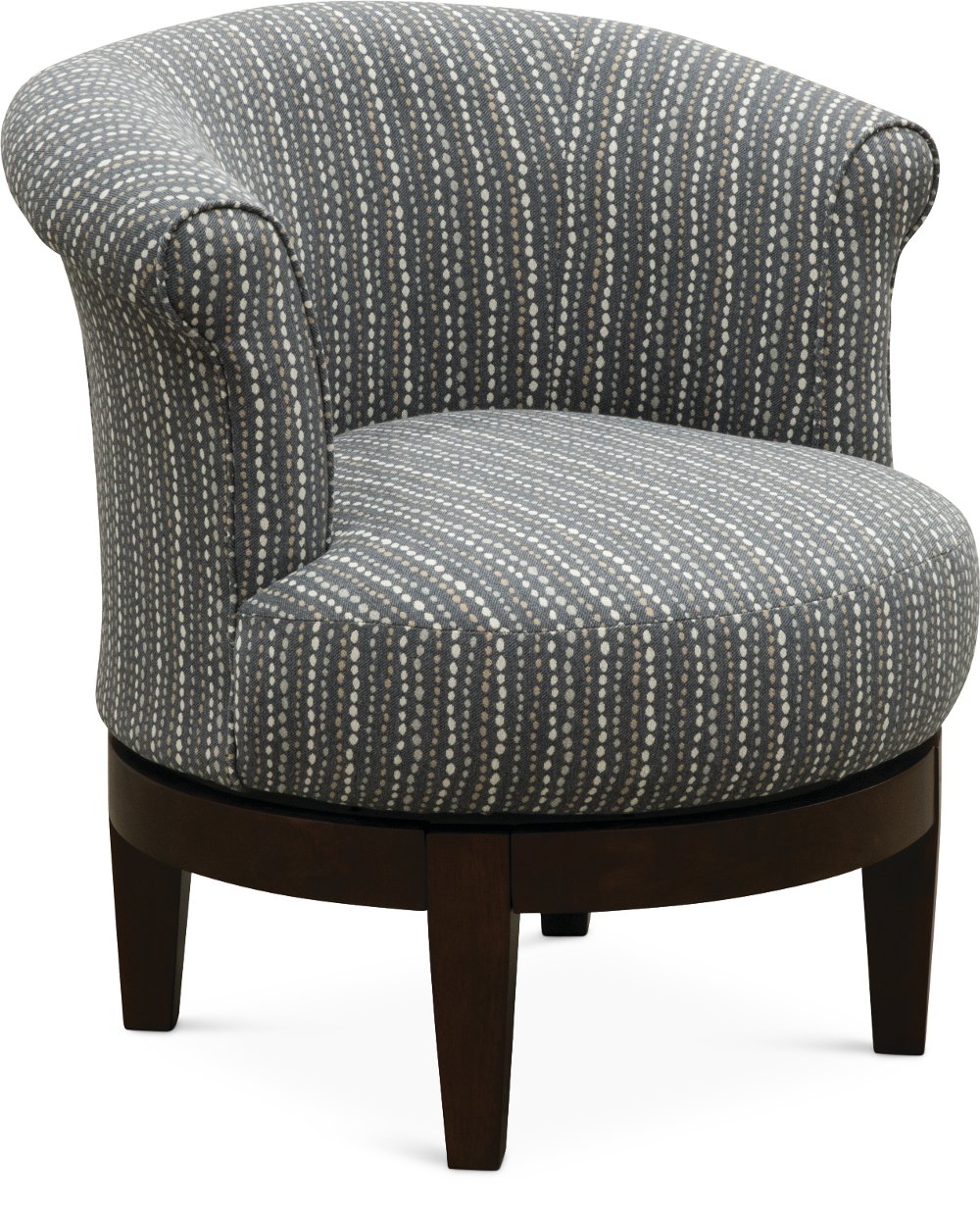
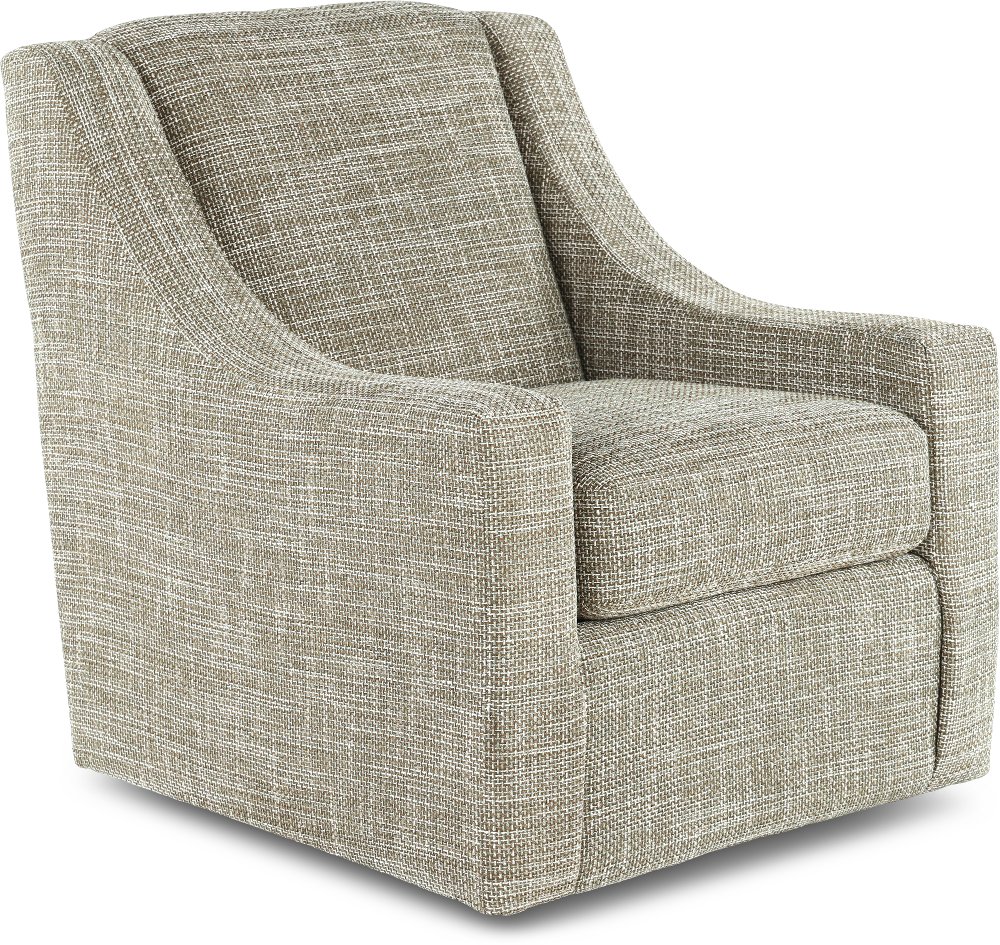
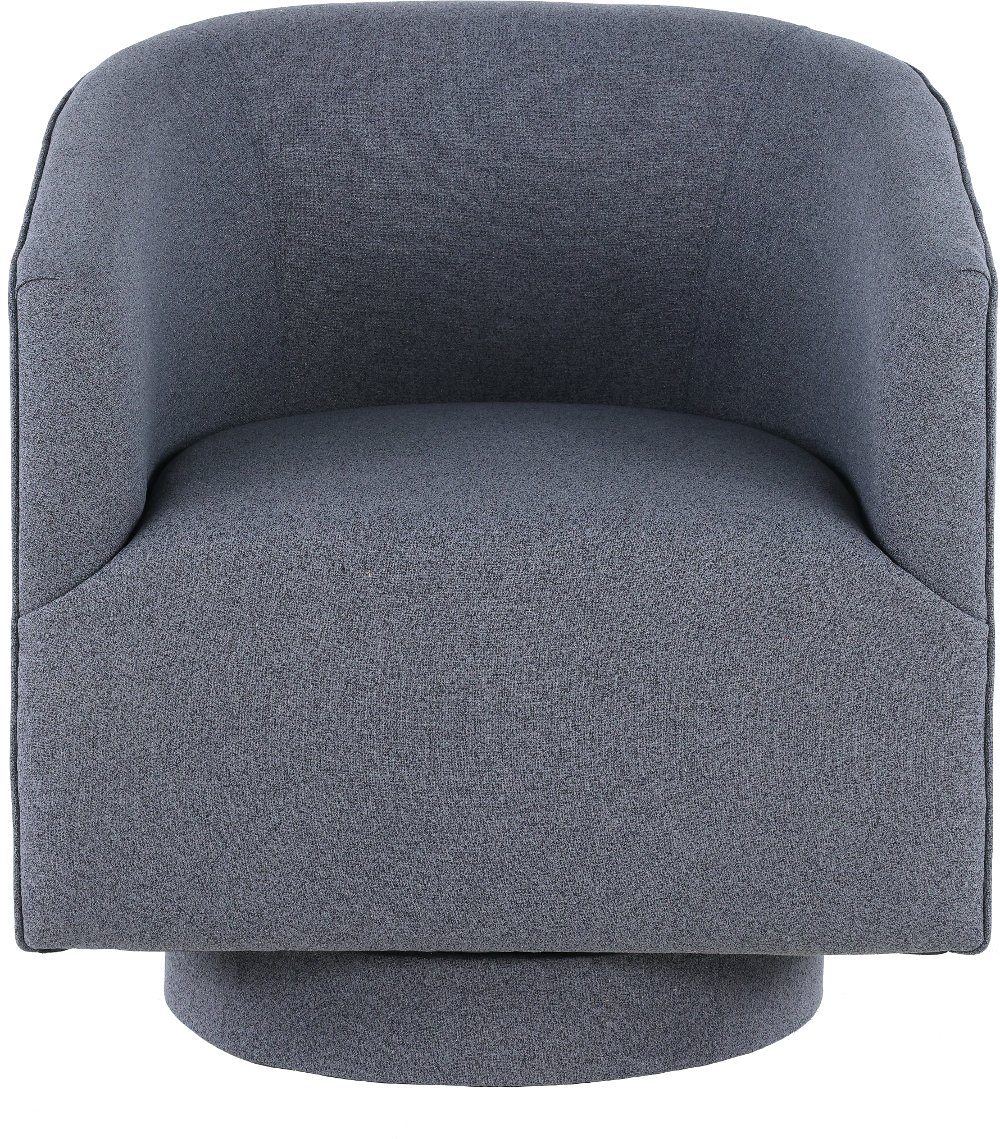
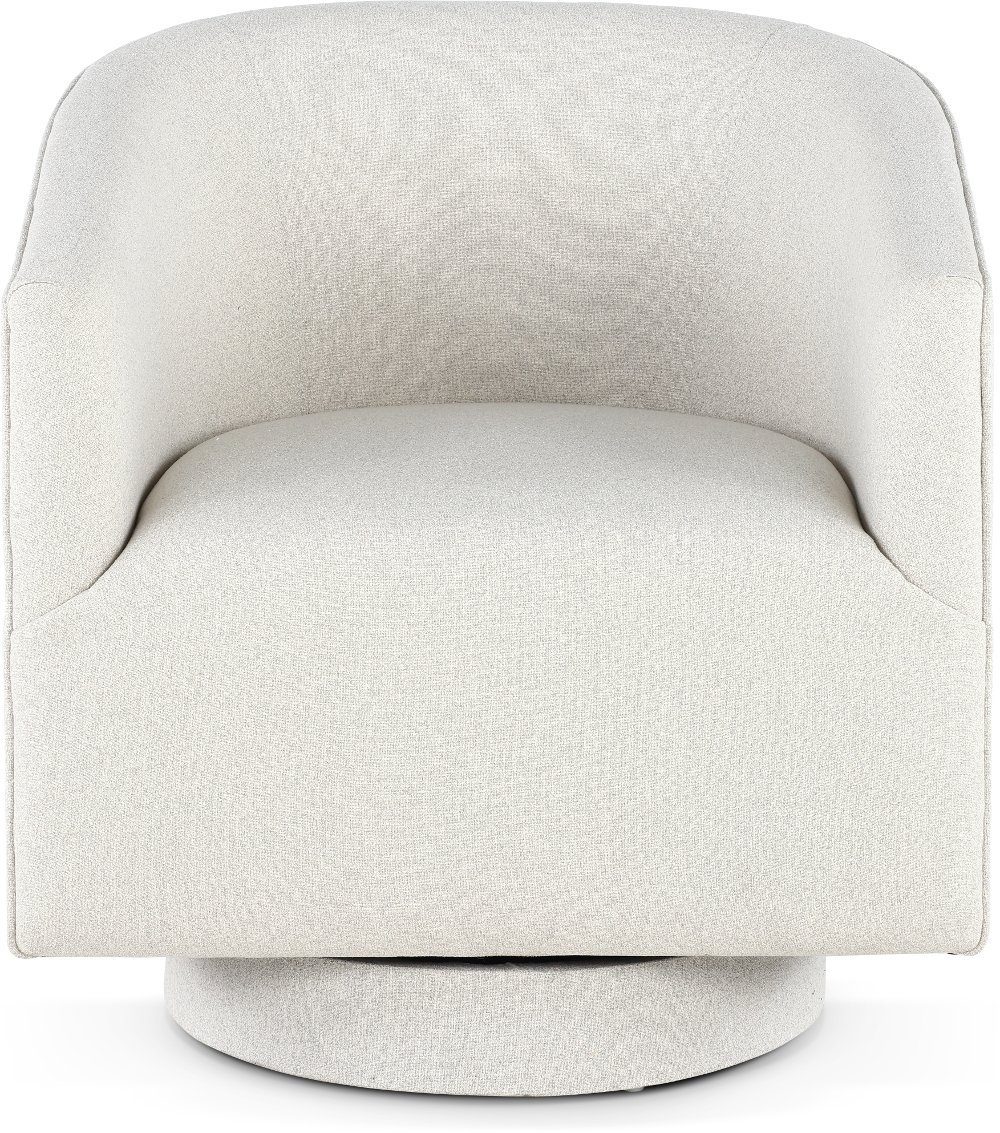
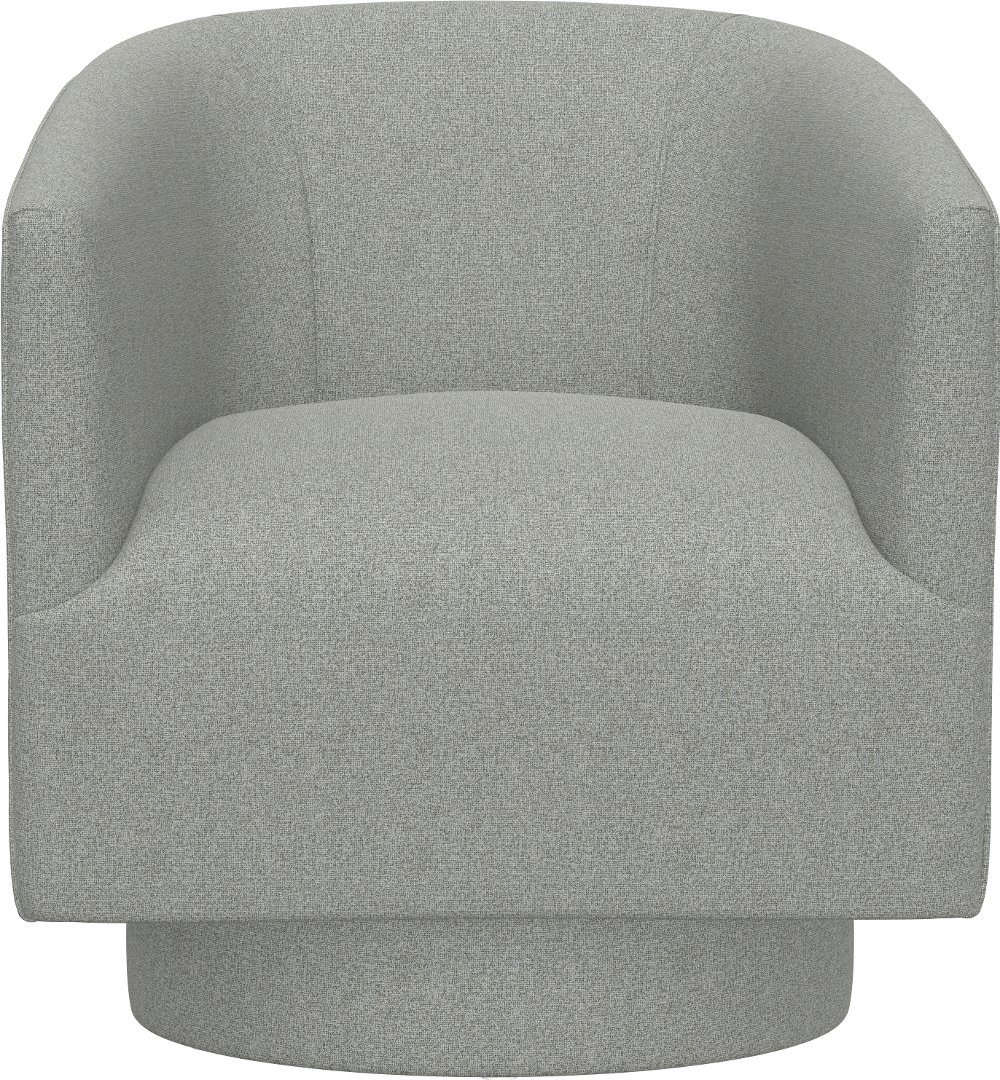
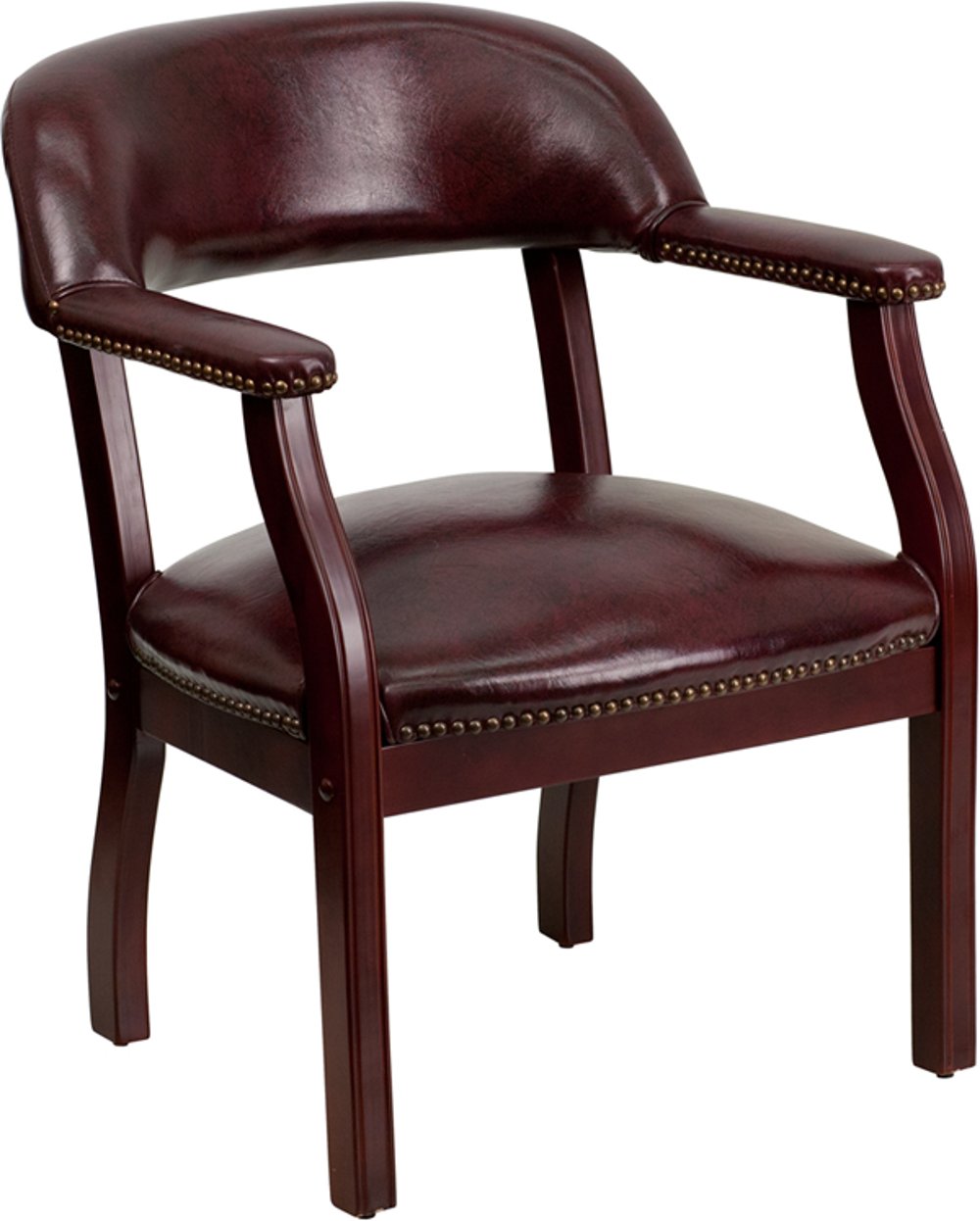
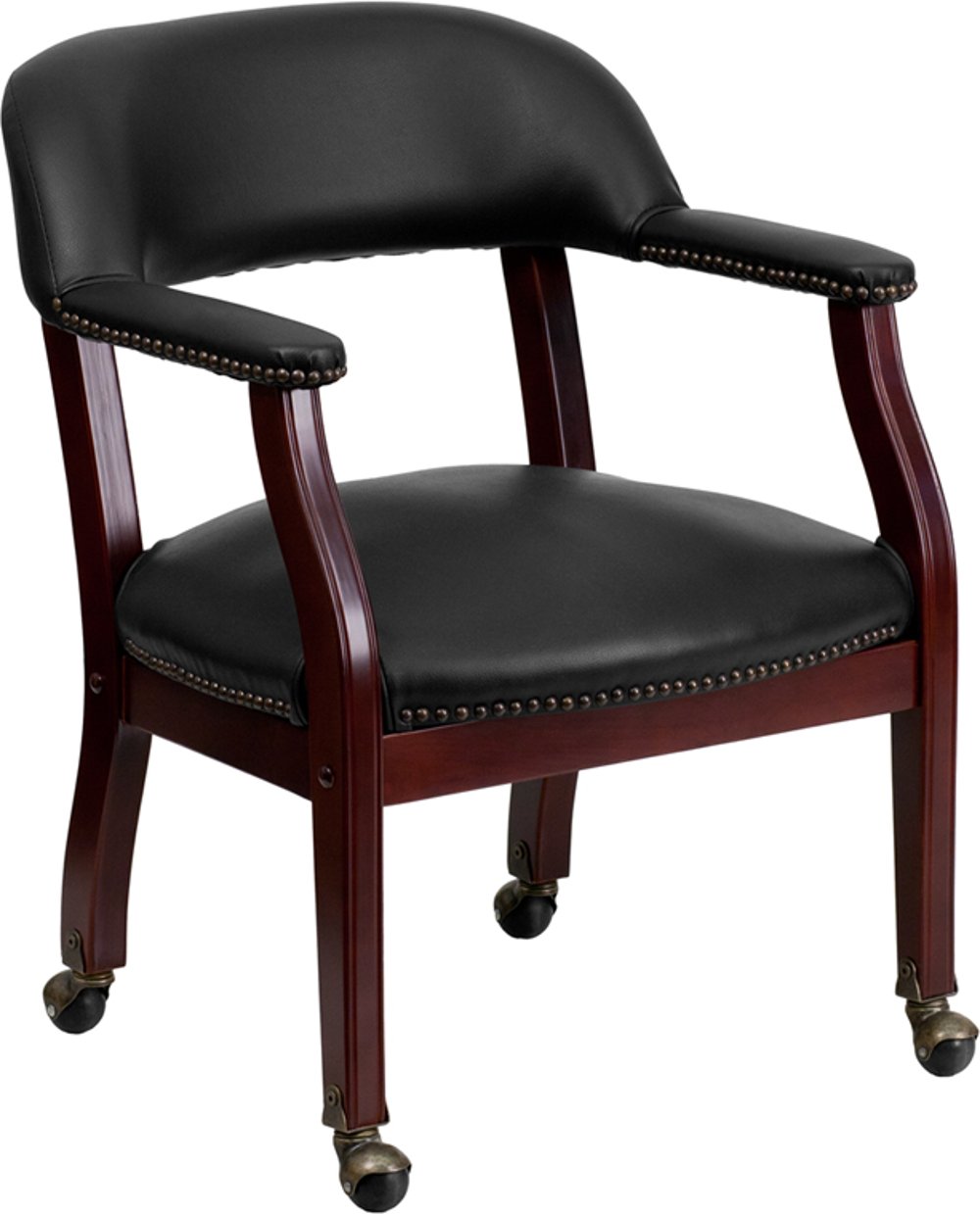
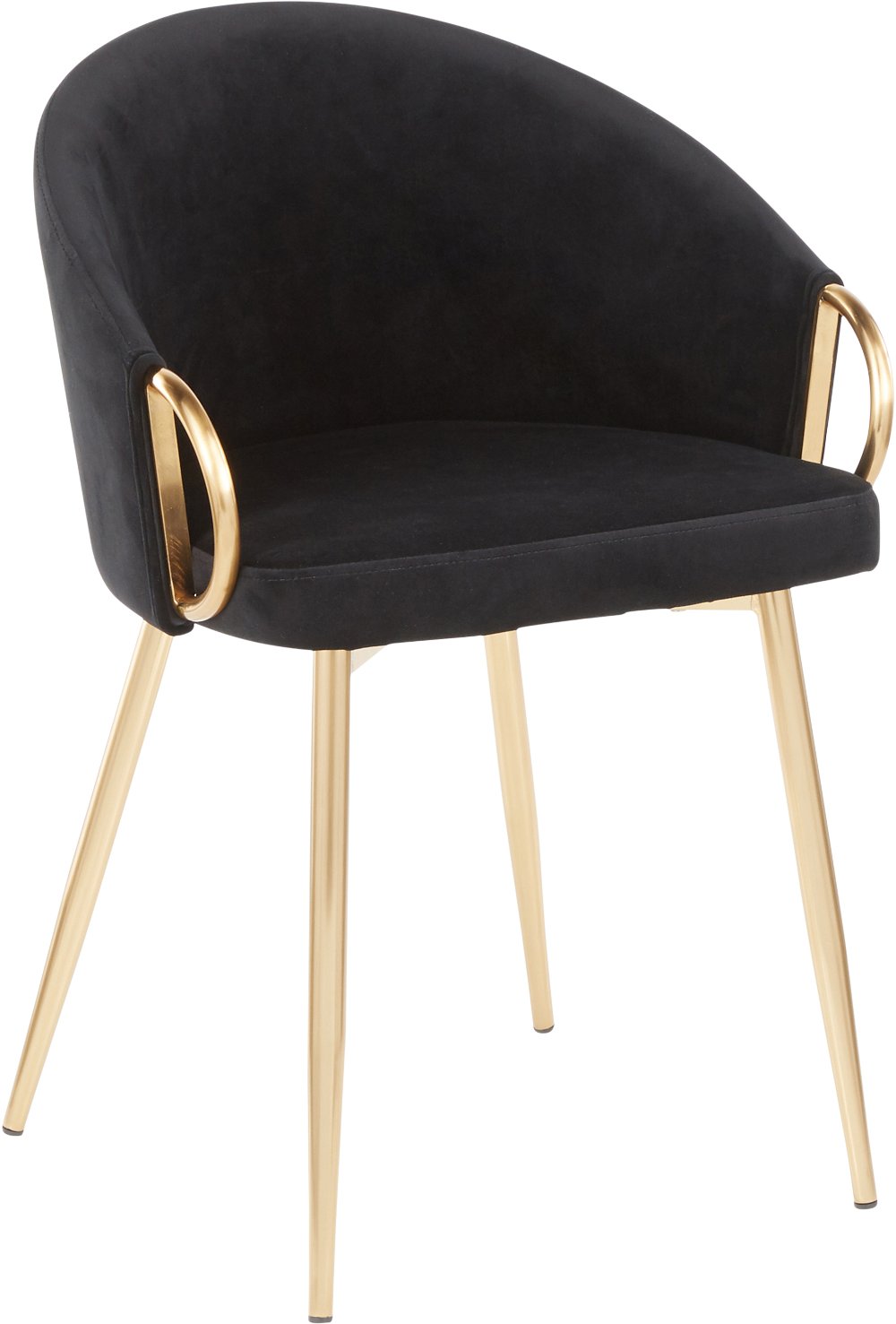
Swivel accent chairs with arms bring a comfortable place to settle in and the flexibility to turn toward whatever’s happening in the room. A rotating base lets you shift from a conversation on the sofa to a view through the window without dragging a chair across the floor. Armrests give your elbows a resting place while you read, hold a tablet, or unwind with a favorite show. That combination makes these chairs useful in living rooms, bedroom sitting areas, and open floor plans where one seat may face several directions throughout the day. Their shapes range from rounded barrel chairs with wraparound backs to tailored silhouettes with straight arms and neatly defined cushions. A curved profile can soften a room filled with rectangular tables and shelving, while a more structured shape fits comfortably alongside a clean-lined sofa. Low arms offer a relaxed, open feel; taller, padded arms create a more enclosed seat. Neither shape guarantees a particular level of comfort, so the relationship between the arms, back, and seat matters more than appearance alone. For someone who likes sitting upright with a book, a supportive back and a seat that lets their feet rest on the floor may feel more natural than a deep lounging design. Someone who prefers to curl up may appreciate additional seat width and softer cushioning. A pair of swivel armchairs across from a sofa can create an inviting conversation area, especially when each chair can turn toward a shared focal point. A single chair beside a bedroom dresser or near a living room bookshelf can make an underused corner feel purposeful. Because the arms take up part of the chair’s overall width, compare the usable seat space as well as the outside dimensions. Two chairs with similar footprints can feel quite different once you sit down, particularly if one has thick, rolled arms and the other has a slimmer frame.
Upholstery gives a swivel accent chair much of its personality, but its texture and maintenance needs also shape how comfortably it fits into everyday life. Chenille often has a soft, substantial feel, with a textured surface that adds depth to a solid color. Velvet offers a smoother pile and a distinctive sheen that changes as the fibers catch the light; pressure marks and shifts in shading can be part of its appearance. Woven fabrics range from tightly constructed, relatively smooth surfaces to nubby textures with a more casual feel. In a home with pets, an open weave or pronounced loops may be more vulnerable to snagging, making the fabric’s construction worth a closer look. Leather brings its own variations in grain, softness, and finish. Some protected leathers tolerate routine wipe-downs well, while more absorbent finishes need greater care around spills. Faux leather has different care requirements and wear characteristics, so it helps to distinguish the upholstery type rather than relying on appearance. Performance fabrics may offer stain resistance or easier cleaning, but the specific claims and care instructions should explain what that means for each material. No upholstery is completely immune to spills, scratches, or wear. Cushion construction matters just as much as the cover: firmer foam can provide a more defined sitting surface, while softer cushions let you settle farther into the seat. Fiber wraps can add initial softness, and some loose cushions need regular fluffing to maintain their shape. A higher back may offer more upper-back support, but head and neck support depend on the chair’s dimensions and your height. The arms should allow your shoulders to relax rather than lift your elbows uncomfortably. For more seating possibilities centered on an easy place to unwind, explore Comfortable Swivel Accent Chairs. The best fit comes from considering the whole seat—its depth, height, cushioning, back angle, and arm placement—alongside the way you like to spend time in it.
A swivel chair needs room to move, not just room to stand. Its arms and back can sweep beyond the base as it rotates, so a footprint that fits neatly between a sofa and a side table may still leave too little turning clearance. Measure the intended space with nearby walls, curtains, table edges, and walking paths in mind, and check any clearance recommendations in the chair’s specifications. Leaving comfortable access around the seat helps keep a conversation area easy to navigate. If a lamp or charging cable sits nearby, route the cord away from the moving base. Swivel mechanisms vary: some allow a full rotation, others have a limited range, and some return the seat to its original position. Swiveling doesn’t necessarily include rocking, gliding, or reclining, so those movements should be confirmed separately when they matter to your plans. A stable base, secure frame joints, and a smoothly operating mechanism all contribute to a chair that feels dependable during everyday use. Frame materials alone don’t tell the whole durability story; construction quality, cushion resilience, upholstery performance, and the stated weight capacity deserve attention together. Assembly requirements also vary, and checking doorway widths and the delivery path helps prevent an awkward squeeze on the way to the chair’s new spot. Once it’s in place, regular care can keep it looking inviting. Vacuum fabric with an appropriate upholstery attachment, blot spills promptly instead of rubbing, and follow the manufacturer’s cleaning code before applying a cleaner. Use leather care products only when they’re suitable for the specified finish, and keep upholstery out of prolonged direct sunlight when possible to reduce fading. Removable cushion covers aren’t necessarily machine washable. Keep the swivel base clear of debris, and follow the manufacturer’s maintenance directions rather than adding lubricant without guidance. With the right proportions and thoughtful placement, an armed swivel accent chair can become a favorite everyday seat: close enough to join the conversation, supportive enough for a reading break, and flexible enough to face the room as your attention moves.
Read More