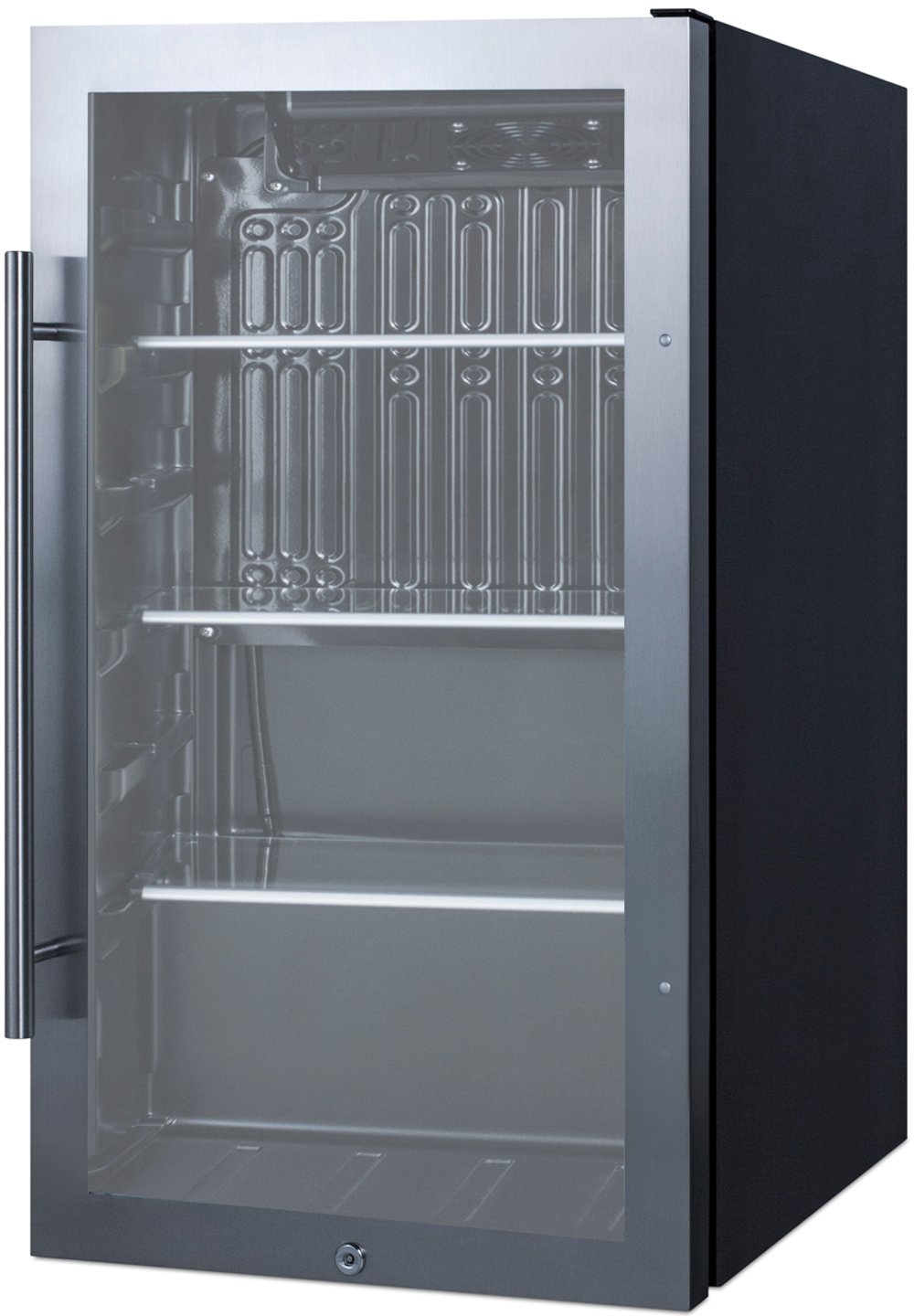
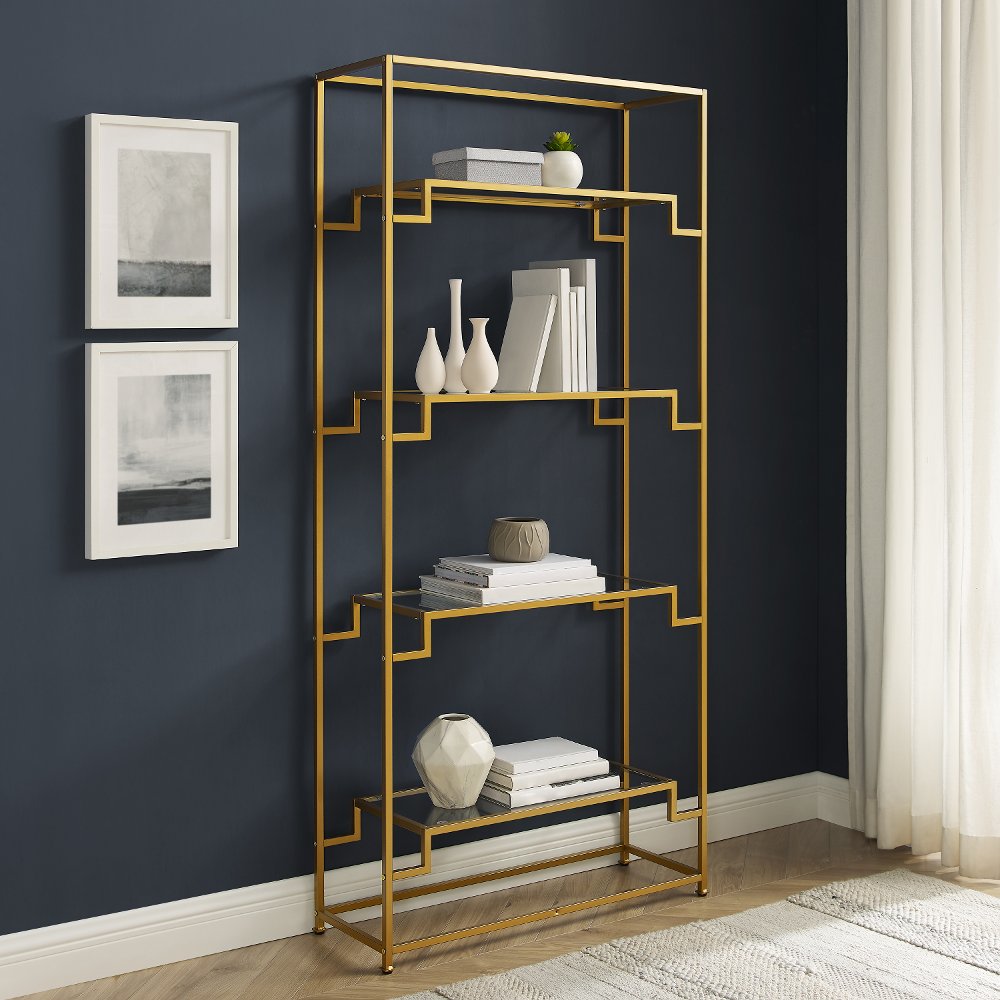
Tempered glass doors bring a clear, open look to a room while creating a practical barrier between the things you use and the space around them. They feature safety glass that has been heat-treated to increase its strength, typically making it about four times stronger than ordinary annealed glass of the same thickness. If tempered glass breaks, it generally fractures into small, granular pieces rather than the long, sharp shards associated with untreated glass. Those fragments can still cause injuries, so tempered glass is safer in its breakage pattern, not unbreakable or harmless. The term “tempered glass doors” can describe glass panels fitted into wood or metal frames, frameless doors, and the glass-front doors found on storage furniture. Each application offers a different balance of visibility, access, and enclosure. On a dining room cabinet, clear glass keeps favorite serving bowls and neatly stacked dishes in view while helping limit dust buildup. On an entertainment console, glass-front doors can give electronics a designated home without making the entire front feel visually solid. In a home office, a glass-front bookcase keeps reference books easy to spot and lets a few meaningful objects share the shelves. Clear glass offers the most direct view, while frosted, textured, or tinted glass can soften the appearance of what’s inside. Frosted glass provides varying degrees of visual privacy rather than complete concealment, and tinted glass changes how colors and objects appear behind it. The surrounding frame matters just as much to the finished look: wood can add warmth and substantial lines, while metal can create a slimmer, more architectural outline. Matching every finish isn’t necessary. Repeating one detail, such as a dark frame or a warm wood tone, can help glass doors feel connected to the rest of your room. The result is storage that feels intentional without requiring every shelf to look like a showroom display.
The best fit depends on how the door functions, what surrounds it, and what it needs to protect or contain. For furniture with tempered glass doors, measure the full cabinet footprint as well as the space needed to open each door comfortably. A cabinet may fit against a wall yet become awkward to use if its doors meet a nearby sofa arm, dining chair, or hallway traffic path. Hinged doors need swing clearance, while sliding doors move within their tracks and may limit access to one section at a time. Check whether handles project into a walkway and whether an open door leaves enough room to reach the back of a shelf. Frame construction, hinge quality, and door alignment all influence how solid and comfortable the furniture feels in everyday use. Solid wood, wood veneers, engineered wood, and metal each have different care needs, so consider the whole piece rather than the glass alone. Adjustable shelves can make enclosed storage more useful for tall pitchers, binders, or display pieces, but shelf weight limits still apply. A glass door does not indicate that the shelves behind it can support heavy loads. For entertainment furniture, ventilation openings and cable access deserve special attention; enclosed electronics need the clearances specified by their manufacturers. Remote-control signals may pass through some glass doors, but compatibility depends on the glass treatment and the equipment. Architectural applications require a different set of checks. Interior passage doors, shower doors, and exterior doors must be designed for their intended locations, with suitable glass, frames, hardware, and installation. Local building requirements may specify safety glazing and other performance standards. Tempering alone does not establish a door’s insulation, forced-entry resistance, or suitability for a particular opening. Tempered glass also cannot be cut or drilled after treatment, making accurate dimensions and properly located hardware openings essential before manufacturing. Replacement panels should match the required specifications, not simply look similar to the original.
With thoughtful care, tempered glass doors can stay clear and attractive through regular household use. Fingerprints tend to show around handles and along the edge where a door gets pushed closed, so using the handle helps keep cleaning manageable. A soft microfiber cloth and a cleaner approved for the glass and any surface treatment are usually the starting point; follow the manufacturer’s instructions for the entire door assembly. Applying cleaner to the cloth rather than spraying generously around the frame can help keep excess liquid away from wood joints, hardware, and adjoining finishes. Avoid abrasive pads, gritty cloths, and harsh scraping tools that can scratch the surface or damage coatings. Glass cleaner that works well on an untreated pane may not suit a decorative film, tinted surface, or specialty finish. Clean sliding-door tracks as directed so loose debris doesn’t interfere with movement, and have loose hinges or misaligned hardware addressed before the door starts rubbing or striking its frame. Tempered glass resists everyday stresses better than ordinary glass, but its edges remain vulnerable to damage. Keep hard objects from knocking against exposed corners, close doors gently, and avoid hanging extra weight from handles. A chip, crack, or damaged edge calls for professional assessment and replacement when needed rather than a cosmetic repair. In homes with children or pets, furniture stability matters alongside glass safety; follow anchoring instructions and keep climbing temptations away from tall storage pieces. Styling can stay simple, too. Leave breathing room between objects, place frequently used belongings within easy reach, and keep heavier pieces on shelves rated to support them. Glass-front storage can make a compact room feel less visually crowded, though it won’t hide tangled cords or overfilled shelves. In a workspace, coordinating enclosed storage with Tempered Glass Desks can repeat the light, transparent look without making every furnishing identical. Choose the degree of visibility, frame style, and door movement that support your routines, and tempered glass doors can make everyday storage feel both accessible and thoughtfully finished.
Read More