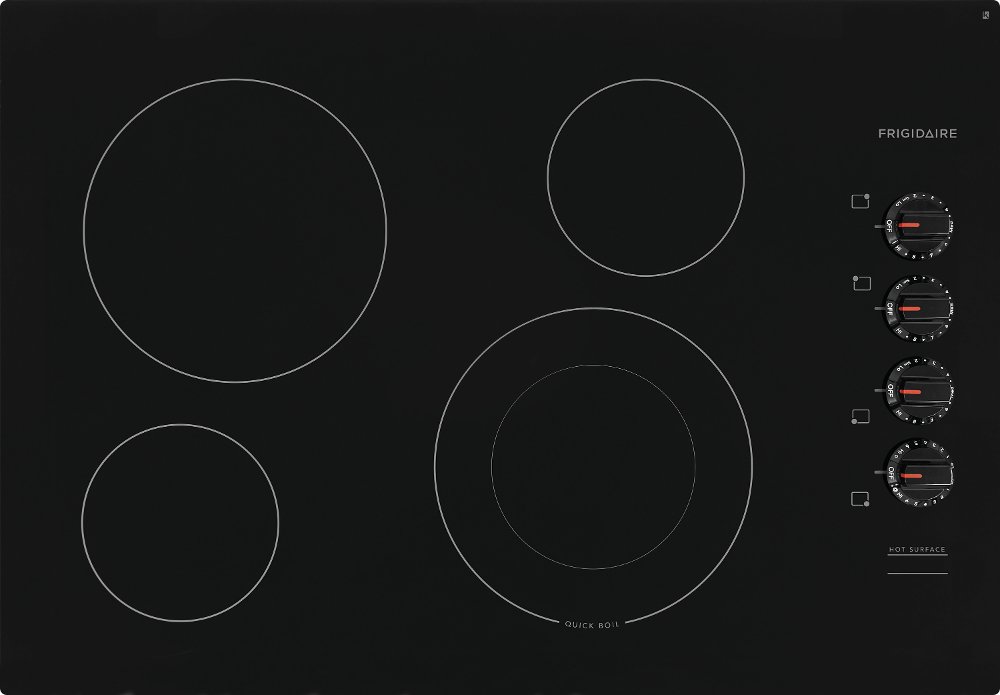
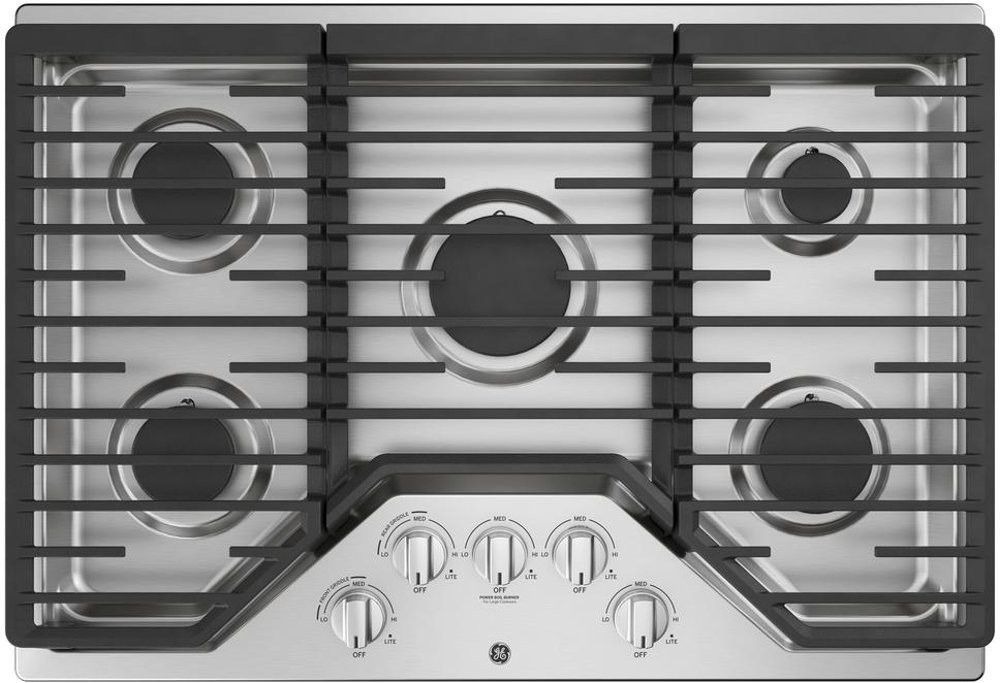
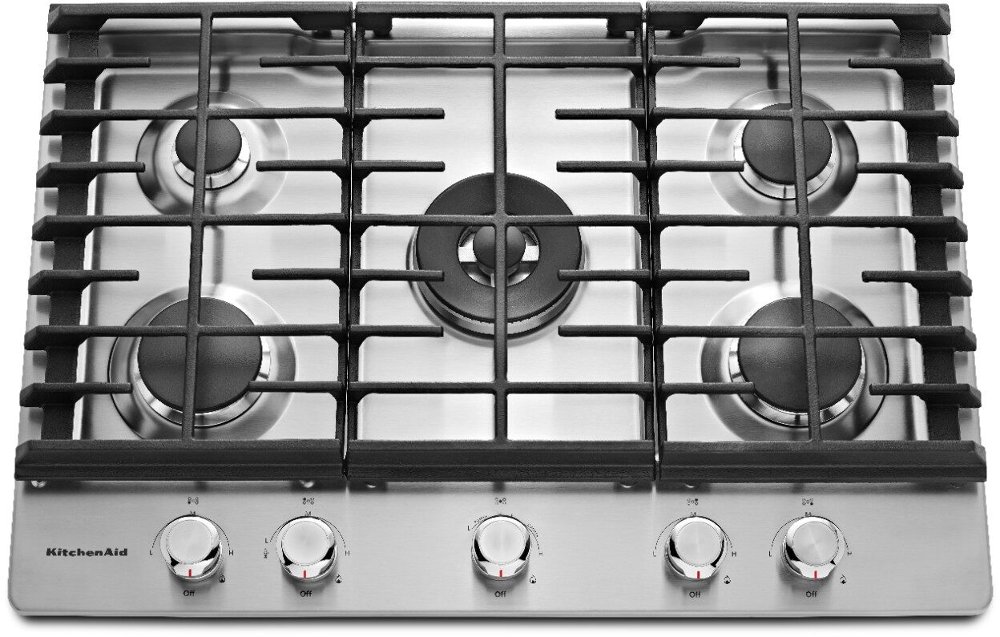
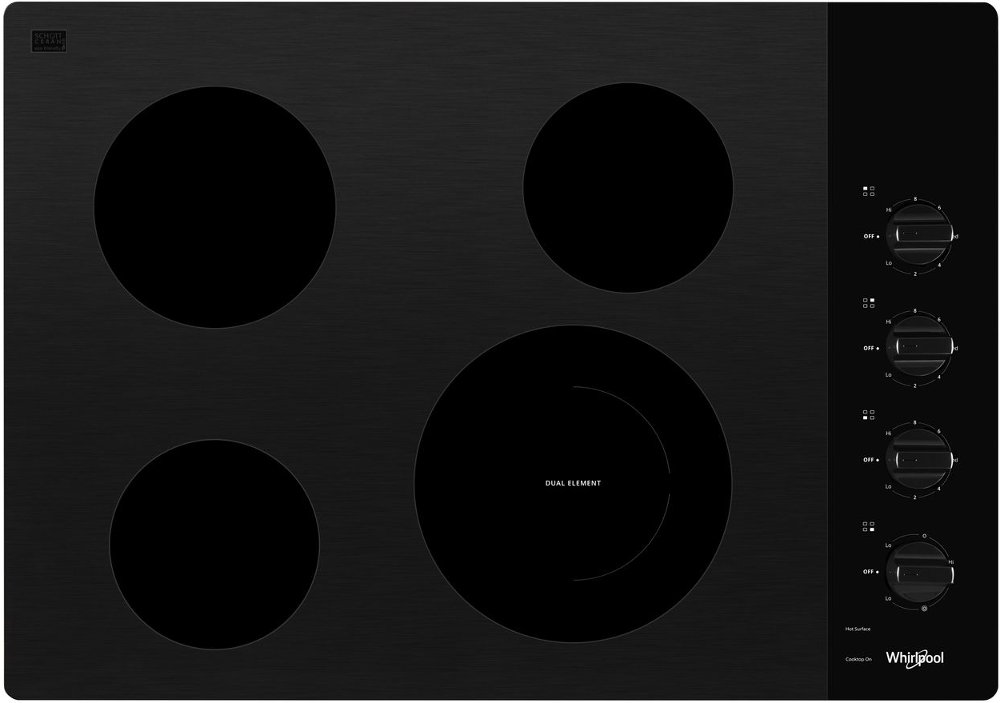
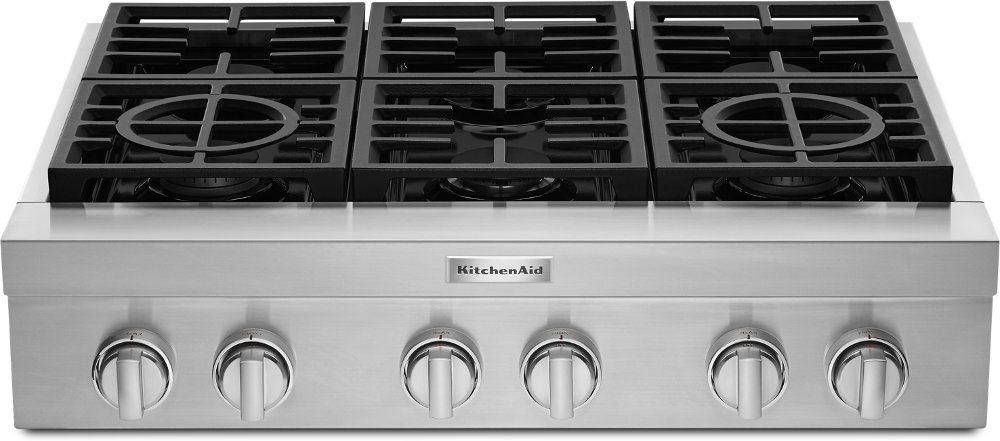
A thoughtfully chosen rangetop gives everyday cooking a dedicated place to shine, whether dinner means a quick skillet meal or several dishes coming together at once. Unlike a range, which combines a cooking surface and an oven in one appliance, a rangetop installs into cabinetry and leaves oven placement separate. It also differs from a typical drop-in cooktop: a rangetop generally has a deeper body and front-mounted controls, creating a substantial, professional-style presence along the counter. That layout can be especially appealing when you want a wall oven at a comfortable height or prefer to keep baking and stovetop prep in different parts of the kitchen. For gas cooking, the visible flame provides an immediate reference as you adjust heat beneath a saucepan, Dutch oven, or sauté pan. Burner performance matters at both ends of the spectrum. Strong heat helps bring a large pot of water to a boil, while a dependable low setting supports gentler tasks such as warming cream or keeping a sauce ready until everything else reaches the table. Depending on the design, specialized simmer settings or burner configurations may offer additional flexibility, so it helps to compare the functions with the meals you actually prepare. Someone who makes pasta, vegetables, and a pan sauce together needs usable space between pots, not simply a high burner count. A household that enjoys leisurely breakfasts may appreciate a configuration with a built-in griddle, provided its size and maintenance needs suit the routine. Continuous grates, where included, can make it easier to reposition cookware without lifting it completely off the cooking surface, though heavy pots still call for careful handling. Stainless steel surfaces and sturdy cast-iron grates give many rangetops their familiar substantial look, with construction intended to support regular cooking. The best match brings together responsive heat, practical spacing, and controls that feel comfortable in your hand, giving both experienced home cooks and enthusiastic beginners room to build confidence.
Fit deserves as much attention as cooking performance, particularly when a rangetop is part of a kitchen remodel. The stated appliance width is only a starting point; the exact cabinet opening, countertop details, depth, support requirements, and surrounding clearances all need to match the installation instructions. Replacing an existing cooking appliance doesn’t automatically mean the new one will fit the same opening. A rangetop’s front control panel and deeper chassis can require cabinet changes that a drop-in cooktop would not, and the space below may have restrictions that affect drawers or storage. Have a qualified installer review the specifications before cabinetry or countertops are finalized. Gas models also require the correct fuel connection, and electrical power is typically needed for ignition and any powered features. Natural gas and liquid propane requirements vary, so confirm that the appliance is configured for the home’s fuel supply and that any permitted conversion follows the manufacturer’s directions. Ventilation belongs in that same planning conversation. Searing meat, frying potatoes, and cooking across several burners can generate substantial heat, smoke, and moisture. A properly selected hood, suitable ductwork, and any required makeup air should be evaluated together according to appliance specifications and local requirements. Hood width and mounting height aren’t details to leave until the end of the project. Think about the surrounding workspace, too: a nearby landing area for ingredients and serving dishes helps keep hot cookware out of traffic paths. In a kitchen where two people cook together, separating the rangetop from the oven can ease congestion, but only if the layout leaves comfortable room to move. Front-mounted knobs offer convenient access, yet their position also deserves consideration in households with young children. Look closely at control markings, knob movement, and any safety features described in the specifications rather than assuming every design works alike. These practical checks help turn a striking cooking surface into a comfortable, well-integrated part of the kitchen.
Daily care is another important part of choosing a rangetop you’ll enjoy using for years. Stainless steel is valued for its resilience and clean appearance, but it can still scratch, discolor, or show fingerprints. Once surfaces have cooled, gentle cleaning with manufacturer-approved products and a soft cloth generally helps preserve the finish; follow the grain where directed and avoid abrasive pads or harsh chemicals unless expressly permitted. Burner caps, grates, and griddle surfaces may each need a different approach, so the care instructions should guide the routine. Removable parts aren’t necessarily dishwasher-safe, and heavy grates need a secure place to rest during cleaning. Prompt attention to cooled spills can keep tomato sauce, cooking oil, and starchy boilovers from becoming stubborn residue. After cleaning burner components, dry and reassemble them exactly as directed to support proper ignition and an even flame. If a burner repeatedly struggles to ignite or behaves differently than usual, arrange qualified service rather than attempting to adjust gas components yourself. Durability also depends on thoughtful everyday use: choose stable cookware, keep pot handles from extending into walkways, and match the burner to the pan so flames don’t climb its sides. When comparing designs, picture a full cooking session rather than an empty surface. A wide stockpot may crowd the skillet beside it, a griddle may take space you would otherwise use for burners, and a deep front edge may change how comfortably you reach the back row. During the cooler months, when soups simmer longer and shared meals bring more dishes to the stove, those details become especially noticeable. Exploring High End Rangetops can help you compare broader choices in cooking layouts, finishes, and control designs while keeping your own kitchen requirements in focus. A rangetop is a lasting household decision, so even when it’s part of a celebratory kitchen renovation, the people who cook most often should help choose its setup. Prioritize the tasks that happen every day, leave room for the meals you love making on special occasions, and select a configuration that makes both feel manageable.
Read More