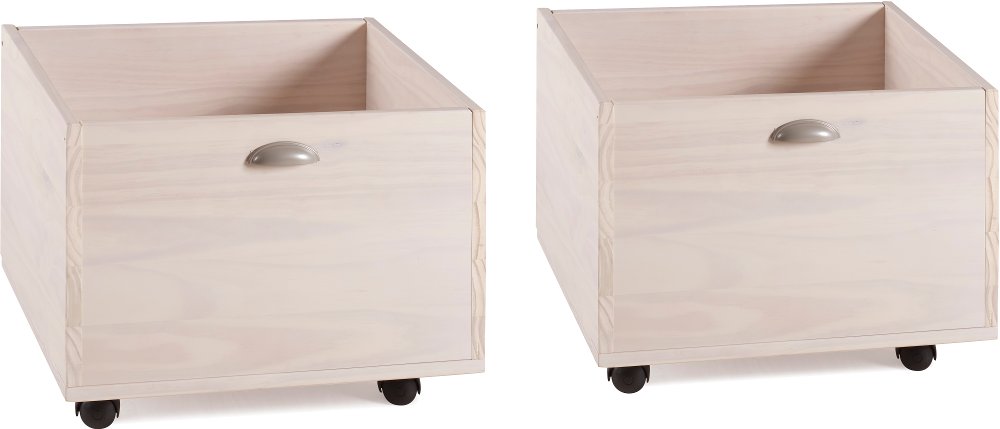
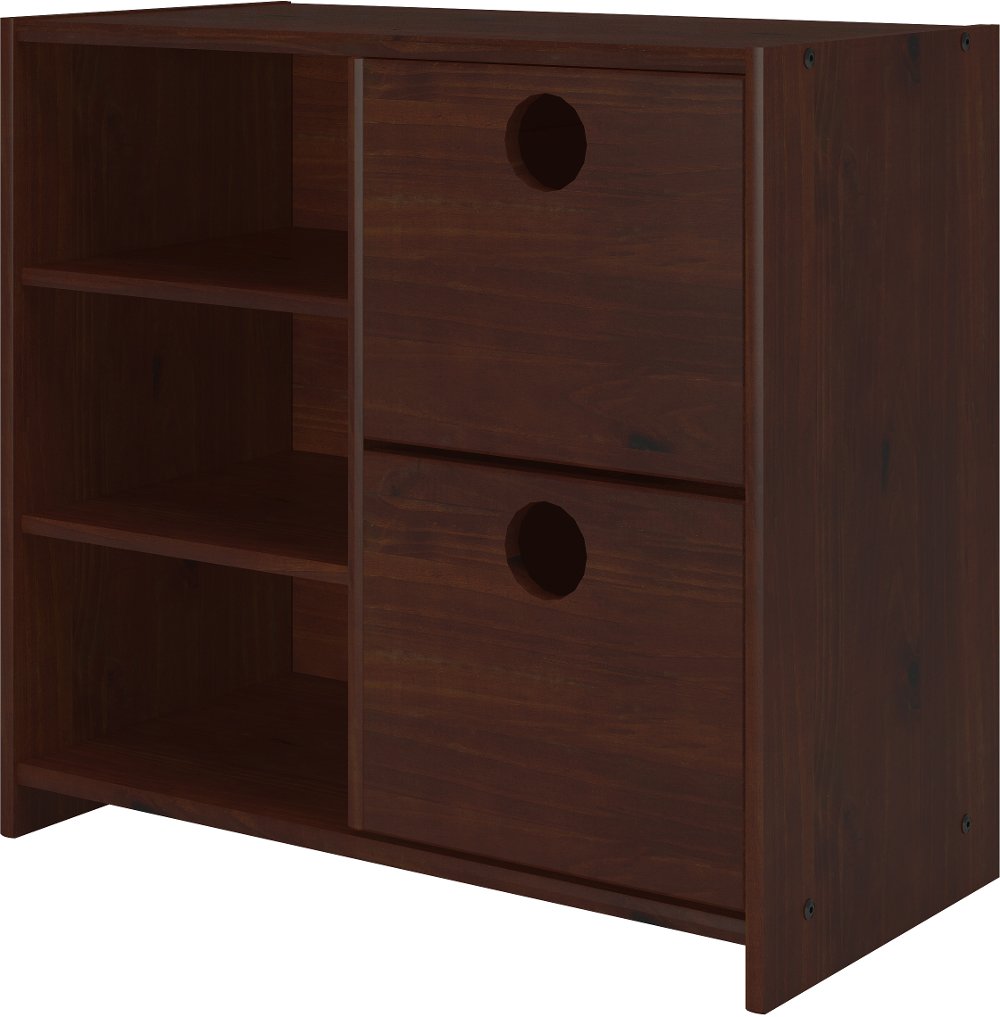
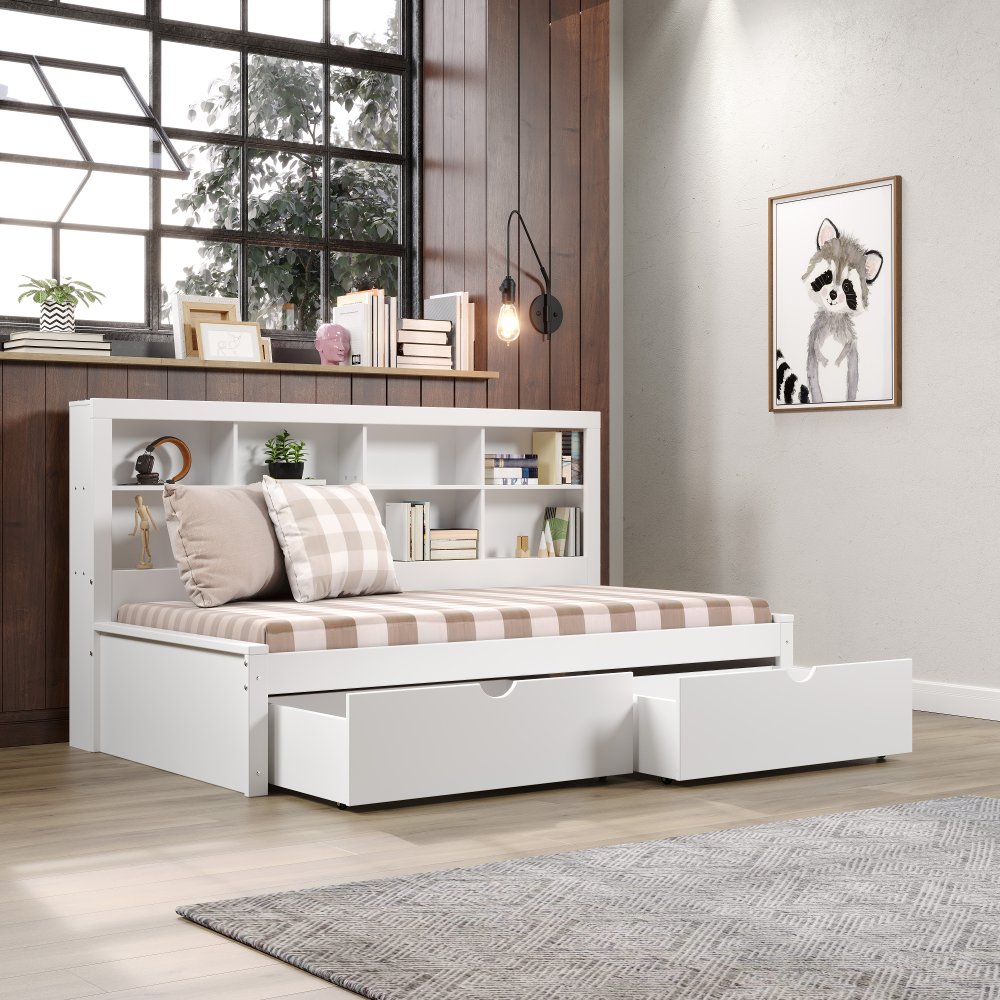
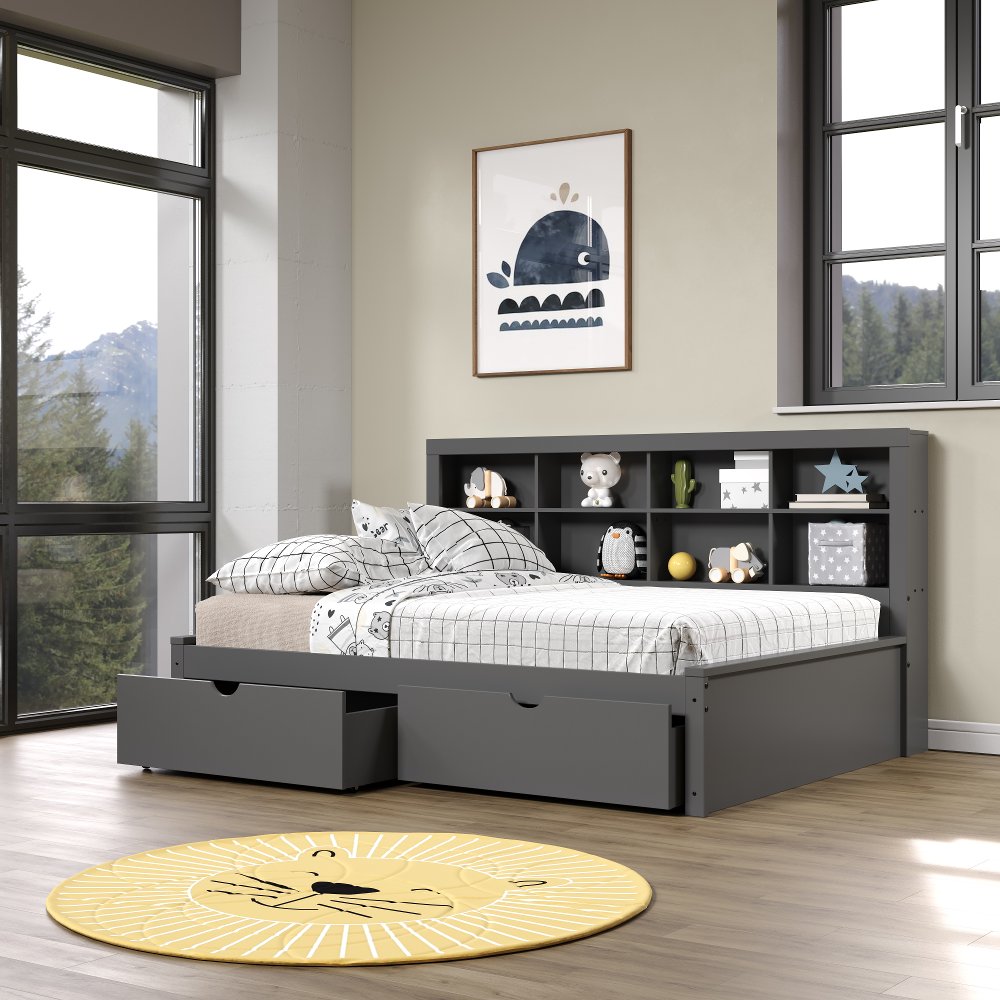
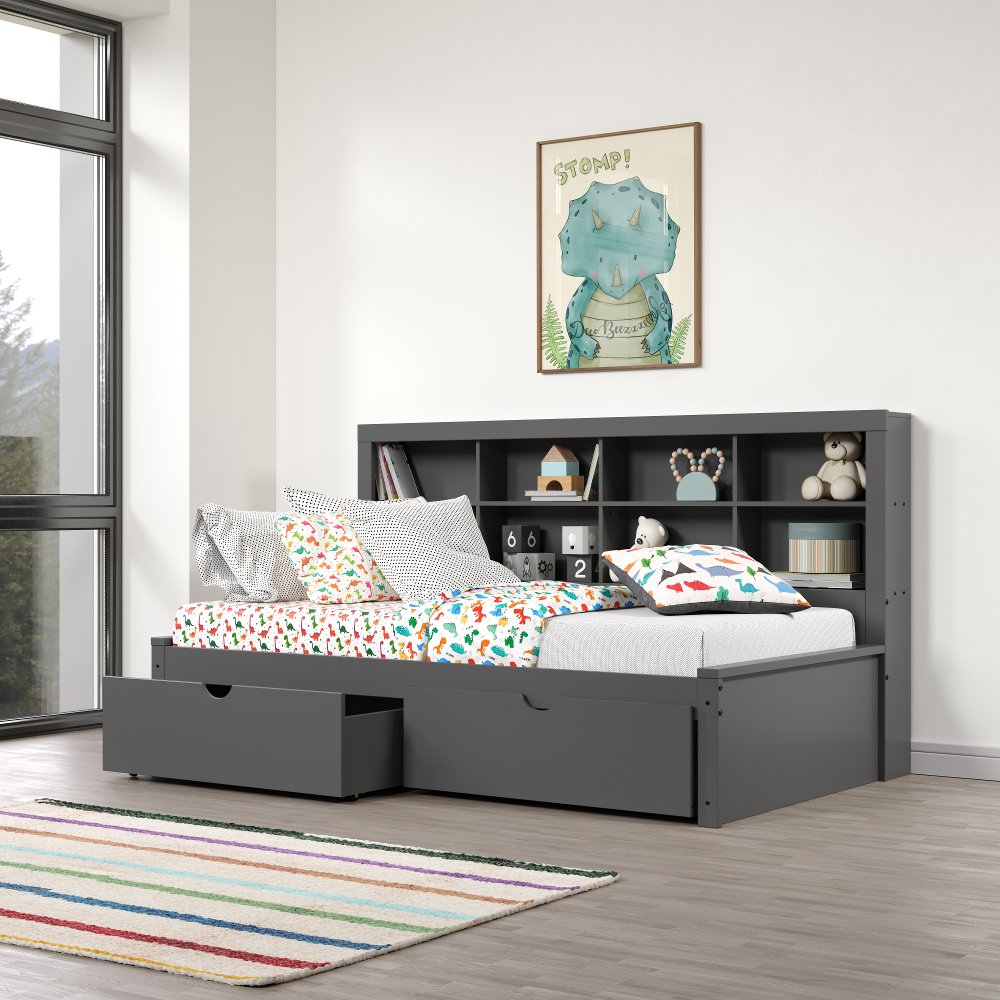
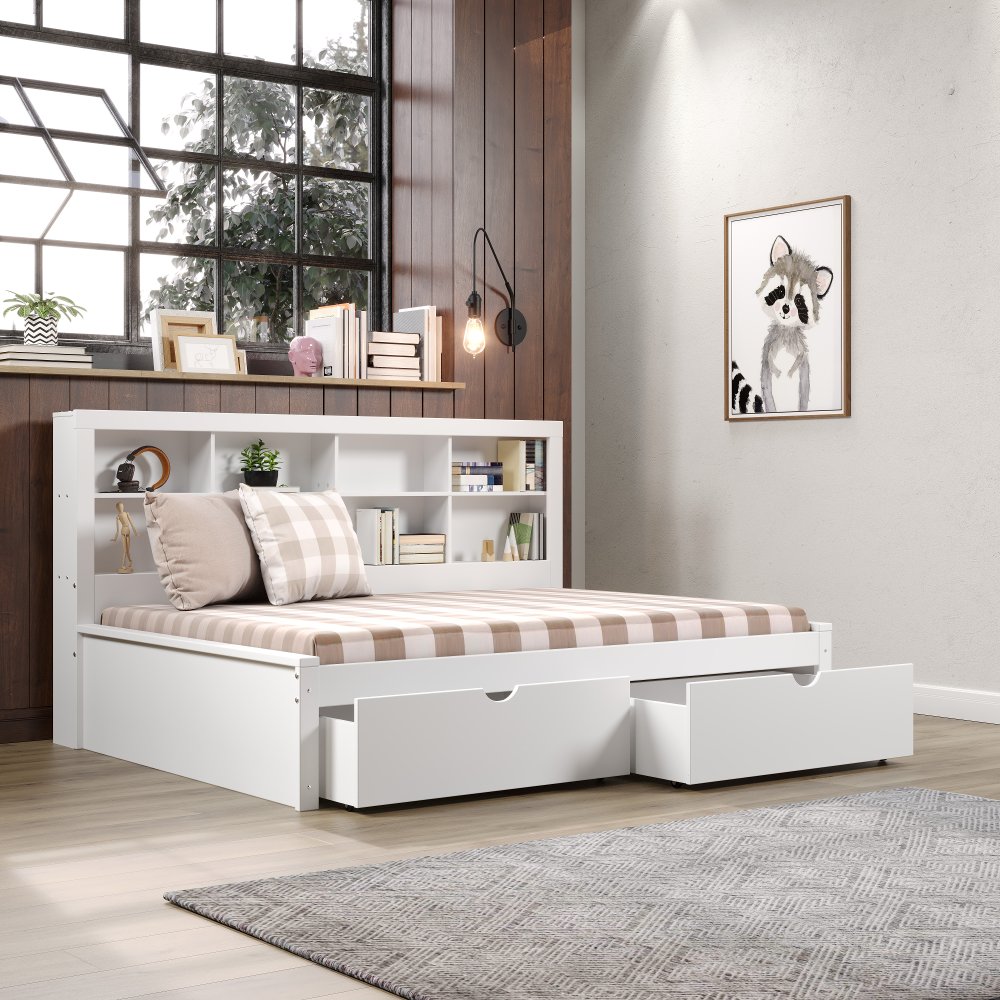
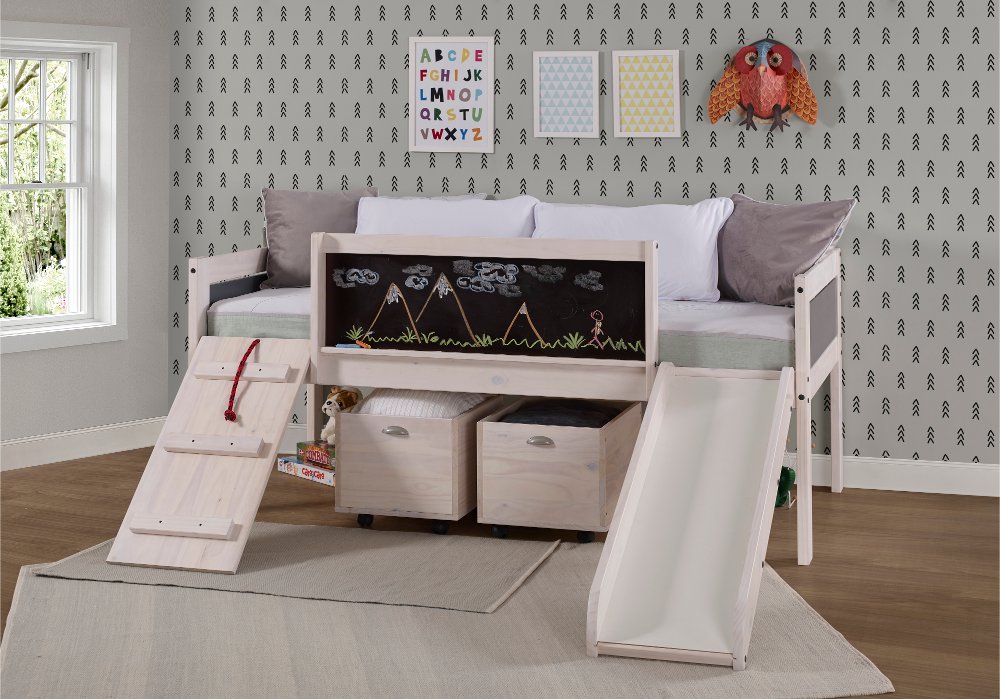
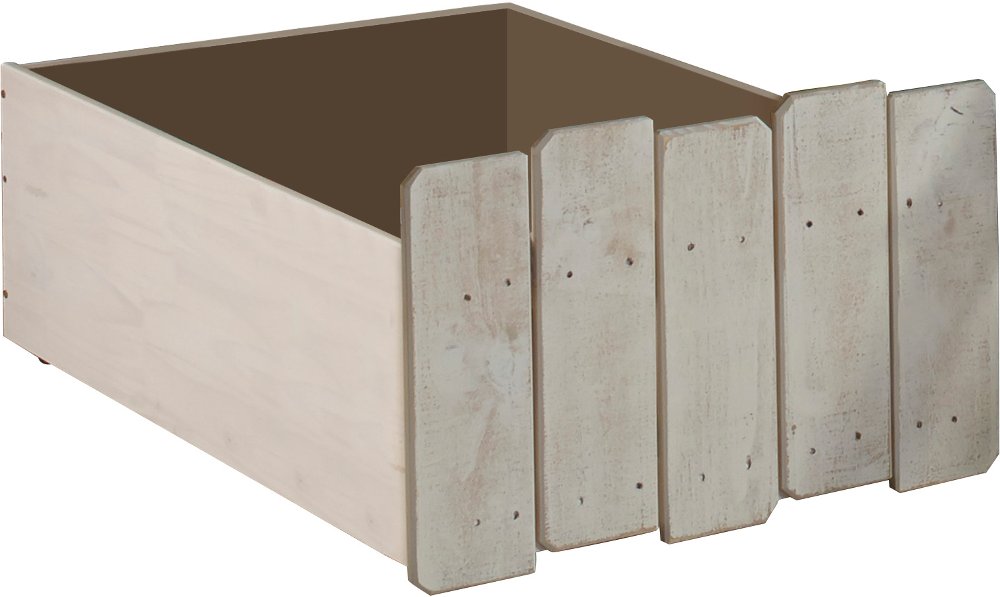
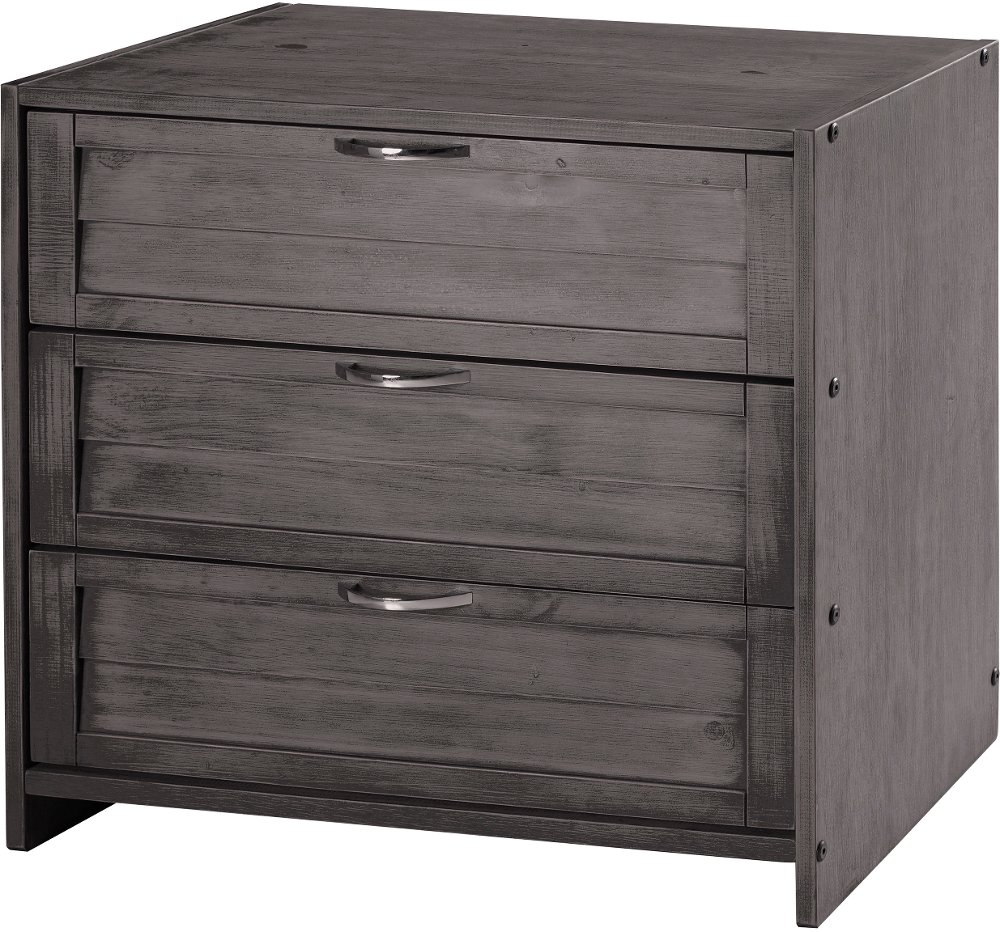
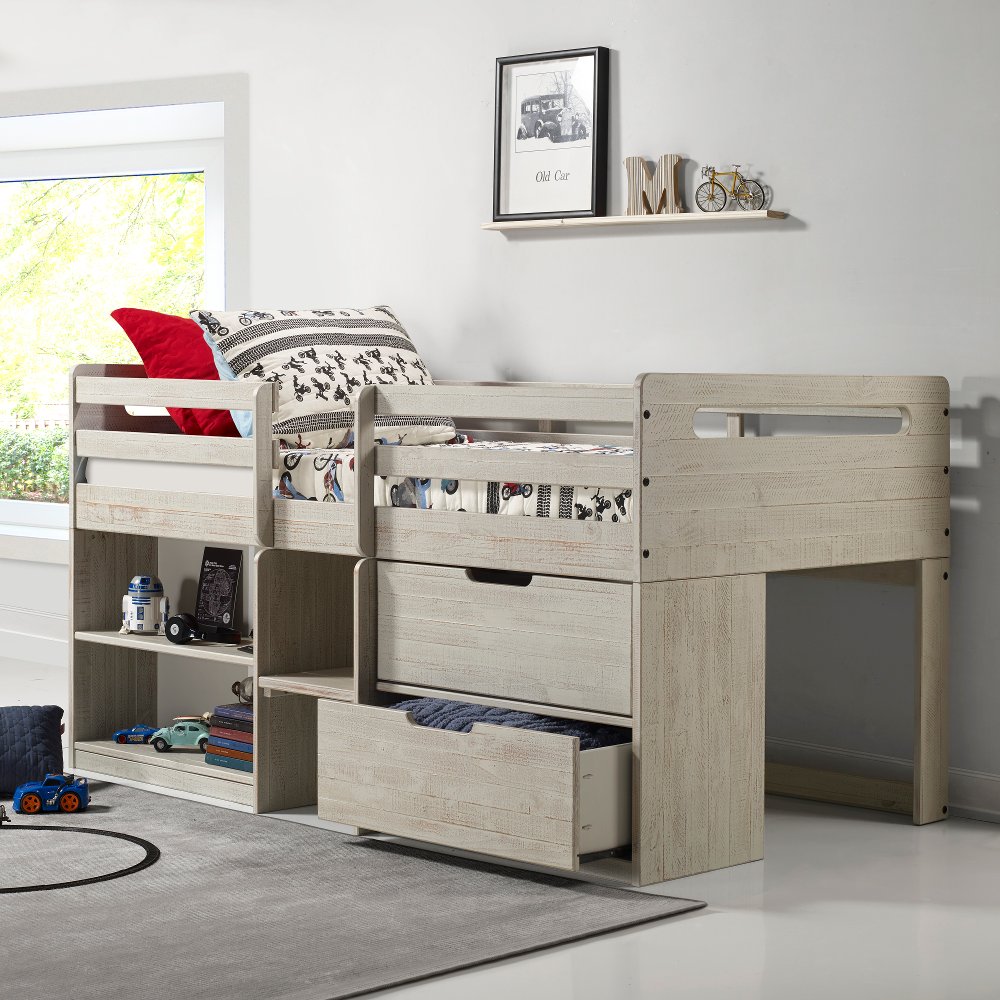
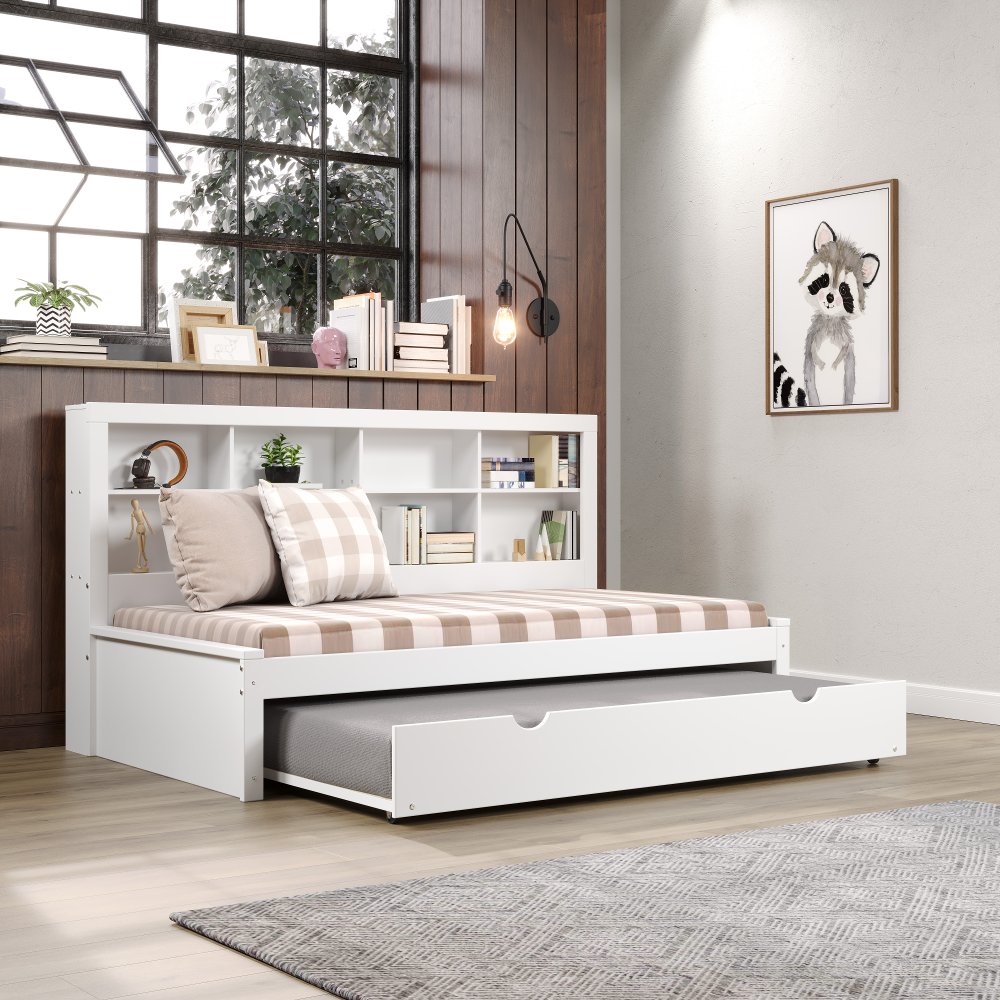
Toy storage furniture gives favorite playthings a place to land without asking your home to stop looking like home. In a living room, that might mean a low cabinet that keeps puzzles and building blocks close to the rug where your child likes to spread out. In a bedroom or playroom, it could mean open cubbies that put stuffed animals, picture books, and pretend-play supplies within easy reach. The right shape and layout depend as much on daily routines as on the number of toys you’re putting away. Wide compartments accommodate bulky trucks and baskets of dress-up clothes, while smaller sections help separate the little things that tend to disappear into one large bin. Open shelves make favorites easy to spot; doors and drawers create a calmer backdrop when playtime shares space with movie night or visiting family. A combination of visible and concealed storage often feels especially natural in a multipurpose room, with a few well-loved toys on display and the rest tucked away. Storage benches can bring another useful function to a play area or bedroom, provided they’re designed and rated for seating. Low-profile designs leave wall space for artwork, while taller cabinets make more use of a compact footprint and can reserve upper shelves for supplies that need adult supervision. For more ways to organize a child’s play space, Children's Toy Storage brings the focus to furniture suited to those everyday routines. Whether you’re furnishing a first playroom or making room for two siblings with very different interests, a useful arrangement gives each type of toy a recognizable home. That makes it easier to find the missing dinosaur before breakfast and gives children a manageable role in putting things away afterward.
Materials and construction influence both the look of toy storage furniture and how it handles a busy household. Solid wood brings natural grain and character, with variations that can make a storage piece feel at home beside other bedroom or living room furniture. Engineered wood offers a range of shapes and finishes, though performance depends on the quality of the panels, protective surfaces, and assembly. Painted finishes can blend into a bright bedroom or add a little color to a neutral play space, while wood-look surfaces often coordinate easily with existing furniture. Metal frames can provide a clean, simple profile, and fabric bins soften the appearance of open shelving while keeping lightweight toys together. Woven baskets add texture, but their weave and edges deserve consideration around delicate dress-up fabrics or small pieces that could slip through gaps. Durability comes from the full construction, not just the material name: secure connections, supported shelves, smoothly operating drawers, and appropriate weight capacities all matter. A shelf filled with books carries a different load than one holding plush animals, so the intended contents should match the manufacturer’s limits. Fit also goes beyond the outside dimensions. Interior shelf height, drawer depth, and door clearance determine whether a favorite puzzle box actually fits and whether the furniture works beside a bed or sofa. Baseboards, floor vents, outlets, and nearby doorways can affect placement, especially in a smaller bedroom. Leave comfortable room for children to sit and play without blocking walkways, and consider whether removable bins will be easy to lift when full. For young children, rounded edges and accessible compartments can support everyday use, but no furniture feature replaces supervision. Secure storage furniture according to the manufacturer’s anti-tip instructions, and use any required anchoring hardware. Toy chests with lids need particular attention to lid supports and hinge design to help reduce pinching and sudden closure; a lid shouldn’t lock a child inside. Age recommendations and assembly instructions are important parts of choosing furniture that suits the space and the children using it.
The most useful toy organizer is one that still makes sense after interests change. A cubby that holds chunky blocks today may hold art supplies or board games later, and an adjustable shelf can make room for taller books or a new collection. Neutral finishes and straightforward shapes transition easily from a toddler’s room to a school-age bedroom, while colorful bins can reflect a child’s personality without determining the look of the whole room. Shared spaces benefit from clear divisions: a basket for each sibling, a shelf for games everyone uses, and a separate spot for projects that aren’t ready to be taken apart. Younger children often do better with fewer, broader categories than with an elaborate sorting system. Keeping everyday favorites accessible and rotating less-used toys into storage can also make a room feel more inviting without filling every surface. During the cooler months, when more play happens indoors, that balance leaves room for a blanket fort or a long stretch of train track. Easy care helps furniture stay ready for all that activity. Follow the manufacturer’s cleaning directions, wipe spills promptly, and use cleaning products suited to the finish rather than assuming every surface can handle the same spray. Fabric inserts may be spot-clean-only even when they’re removable, and natural woven materials can need gentle dusting instead of soaking. Periodically check fasteners, drawer hardware, and anchors, particularly after moving a piece, and address loose or damaged parts before continued use. For grandparents creating a welcoming play corner, toy storage can keep a modest collection organized between visits. It can also make a thoughtful, practical gift for a growing family when the recipient’s space, style, and safety needs are part of the choice. From a small bedroom corner to a dedicated playroom, well-chosen storage supports the way children actually play: pulling things out, mixing ideas together, and returning to a favorite activity. A home for those materials helps the room feel comfortable and usable for everyone who shares it.
Read More