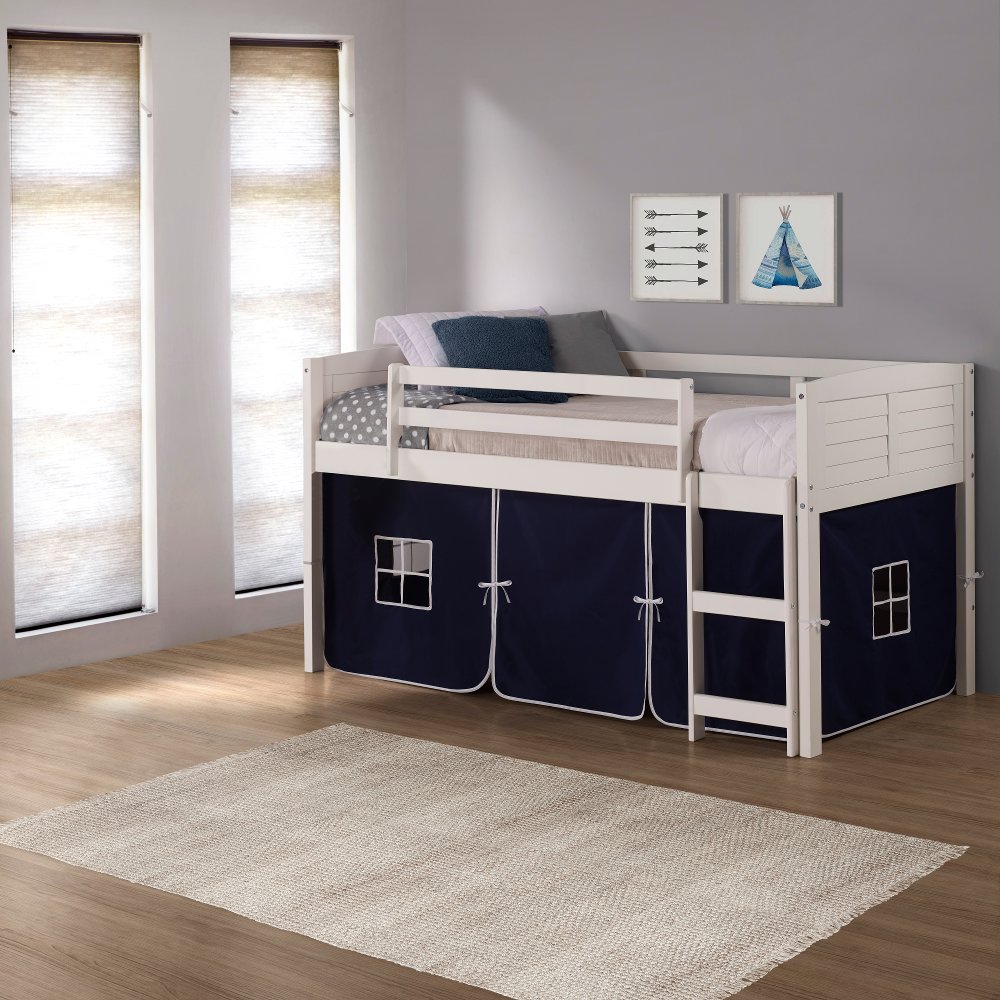
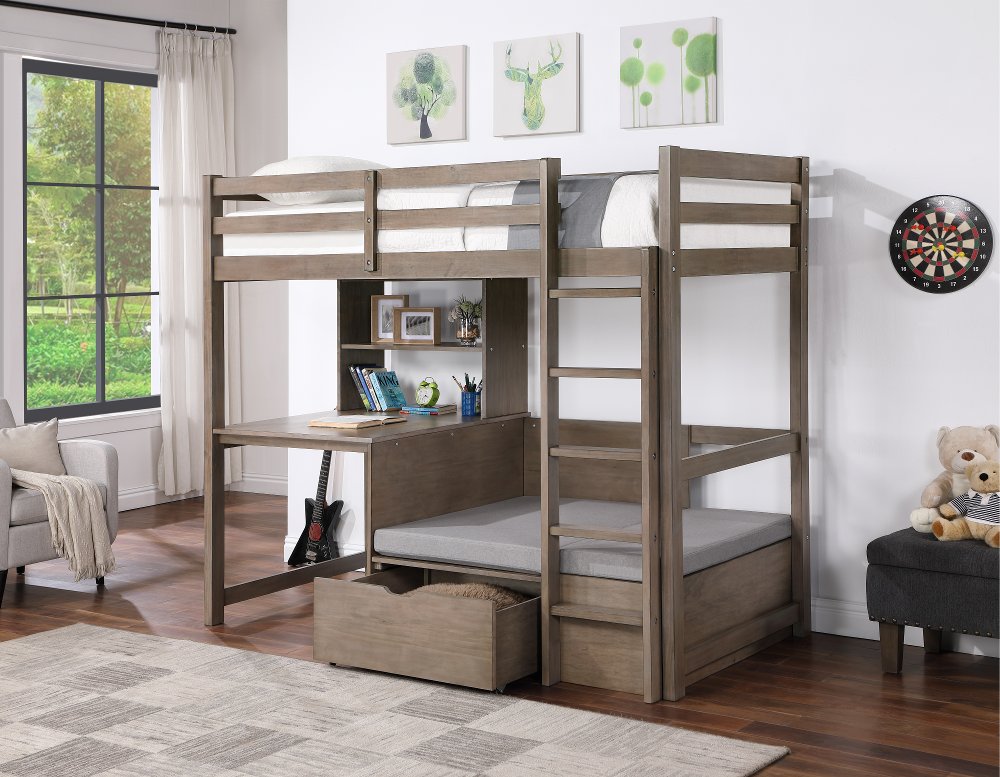
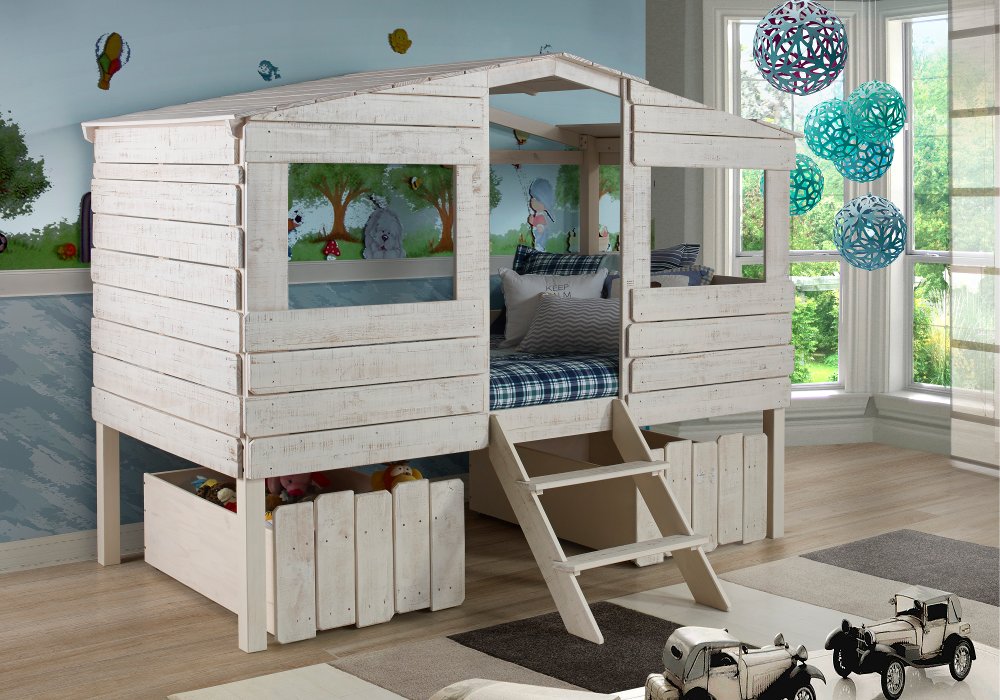
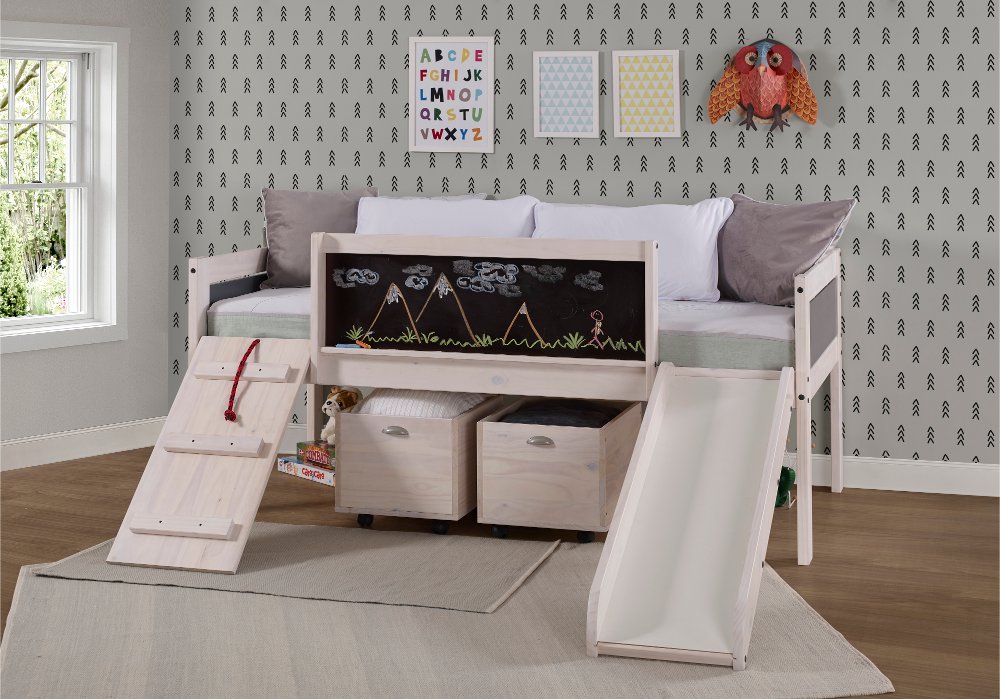
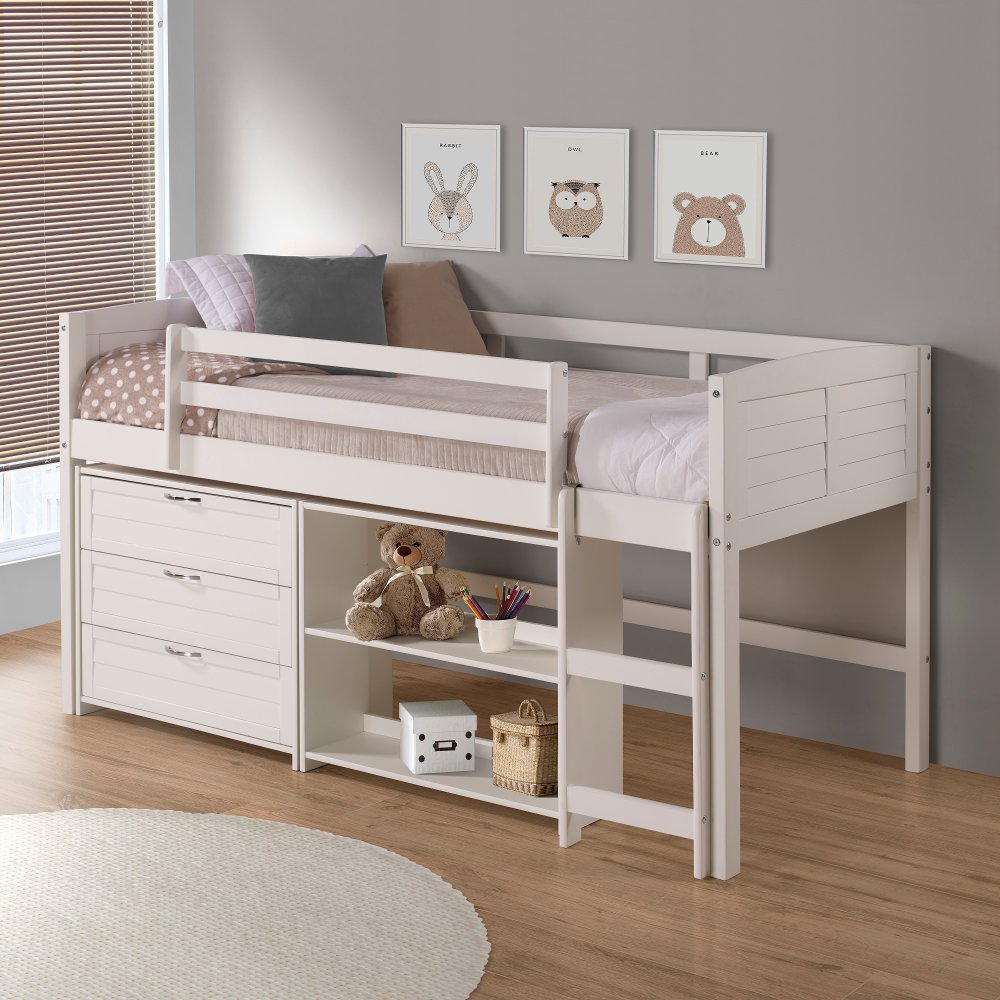
A twin loft bed elevates a standard twin mattress, typically 38 inches wide by 75 inches long, to create usable space underneath for a desk, storage, seating, or play. Unlike a traditional bunk bed, which usually places one sleeping surface above another, a twin loft generally keeps the lower area open or furnishes it for another purpose. That makes twin lofts a practical choice for bedrooms where a bed, dresser, and workspace would otherwise compete for the same floor space. In a school-age child’s room, the area below might hold a homework desk and a shelf for favorite books. In a teenager’s bedroom, it could become a reading spot or a place to organize art supplies. Models designed and rated for adult use can also help make a compact bedroom more functional. The right arrangement depends on how the room gets used every day, not just how much furniture fits inside it. An open lower area offers flexibility as interests change, while a design with integrated drawers or a built-in desk gives belongings a defined home. Lower loft configurations may create room for bins and shelves without providing enough height for someone to stand underneath. Taller designs can accommodate a more complete workspace, provided both the ceiling clearance above and the space below meet the manufacturer’s requirements. Style matters, too: a simple frame can blend into a room as bedding and wall colors change, while a more substantial silhouette can become its main focal point. Neutral finishes, warm wood tones, and streamlined metal designs offer different ways to complement existing furniture. For siblings sharing a room, freeing up floor space can make it easier to give each child a separate place for clothes, schoolwork, and personal belongings. The benefit isn’t simply a smaller footprint; it’s a bedroom that supports sleeping, studying, and everyday routines without feeling crowded.
Construction, dimensions, and layout help determine how well a loft will work in your home. When comparing twin loft bed frames, look beyond the mattress size to the complete exterior measurements, including ladders, stairs, desks, and any projecting shelves. A frame made for a standard twin mattress will occupy more space than the mattress itself, and stair access may extend farther into the room than a ladder. Measure the intended location, check the delivery path, and leave enough room to open doors and drawers comfortably. Ceiling height deserves particular attention because the sleeper needs adequate clearance above the mattress, not just above the frame. Overhead fans, light fixtures, windows, and other nearby features also affect placement. Keep the bed away from window-blind cords and follow the manufacturer’s positioning instructions. Beneath the sleeping area, consider the actual activity: a child sorting building blocks on the floor needs a different amount of clearance than a teenager sitting at a desk. A workspace should accommodate a chair, legroom, and suitable lighting without putting cords across walkways or climbing routes. Materials influence both appearance and upkeep. Wood frames bring visible grain or painted finishes and may combine solid lumber with engineered wood components, particularly in storage sections or desktops. Metal frames often offer a slimmer profile and a more open appearance. Neither material alone guarantees strength; joint construction, mattress support, hardware, and the stated weight capacity all matter. For an older teenager or adult, verify that the model is specifically suitable for the intended user rather than assuming every twin loft serves the same purpose. Check whether the published weight limit includes the mattress, and follow any separate limits for stairs, ladders, desks, or shelves. These details help you choose a bed that suits the person sleeping in it and the activities happening around it.
Safe use and straightforward care are essential parts of living with a twin loft bed. Children younger than 6 should not use an elevated sleeping surface, and older children still need the coordination and maturity to use the designated ladder or stairs safely. Consider the climb as part of an ordinary bedtime routine, including the trip down for a bathroom visit. A clear approach and easy-to-reach room lighting can make that routine more manageable. Guardrails, secure access points, and the correct mattress fit are important features, not optional finishing touches. Follow the frame’s specified mattress dimensions and maximum mattress thickness; adding a thick topper can reduce the effective height of the guardrails. Use only the mattress foundation or support system the manufacturer permits, and keep required guardrails installed as directed. The elevated bed should be used for sleeping rather than jumping or rough play, and children should never attach ropes, belts, or similar hanging items to the frame. Assembly also deserves careful attention. Follow every step, use the specified hardware, and avoid modifications that could change the structure or create openings. After assembly, check connections at the intervals recommended in the instructions and inspect the frame again after moving it. Loose fasteners, damaged supports, or an unstable ladder need attention before the bed is used. Everyday maintenance is generally simple: remove dust with a soft cloth, clean spills promptly, and use products approved for the finish. Avoid soaking wood components or using abrasive cleaners that can scratch painted or coated surfaces. Keep the space underneath accessible enough to vacuum and retrieve dropped belongings, especially around desk legs and storage units. Washable bedding that’s easy to remove can make caring for an elevated mattress less cumbersome. As the room evolves, reassess what sits below the loft so storage stays useful and pathways stay clear. With an appropriate fit, dependable construction, and consistent care, a twin loft can help a bedroom accommodate more of daily life while preserving a comfortable place to sleep.
Read More