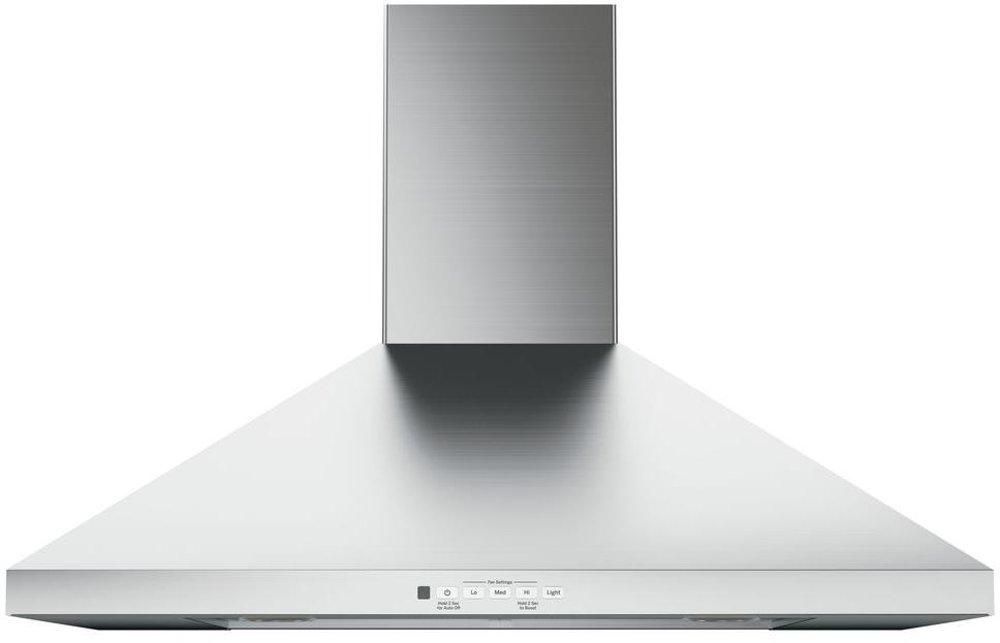
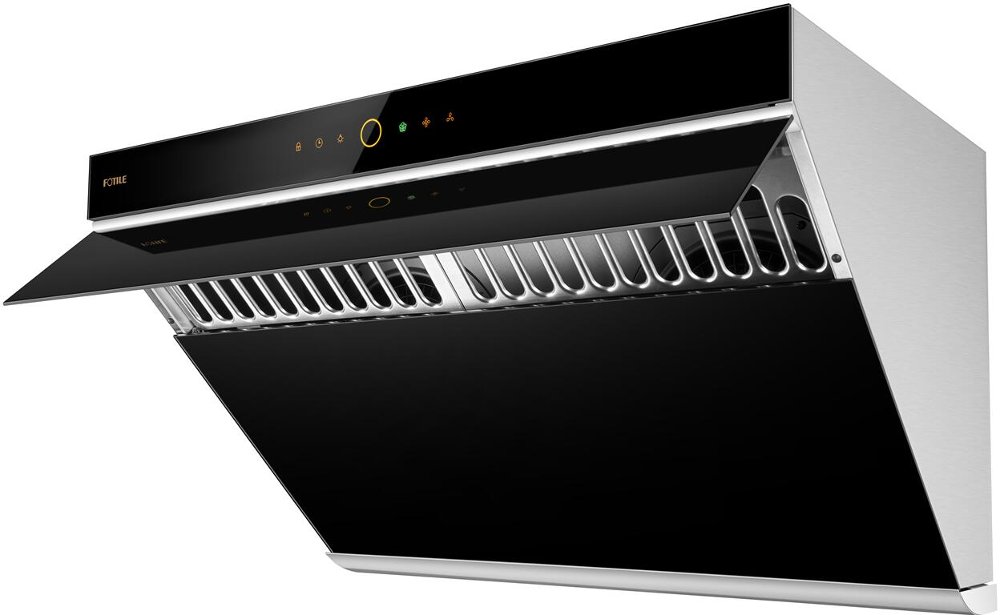
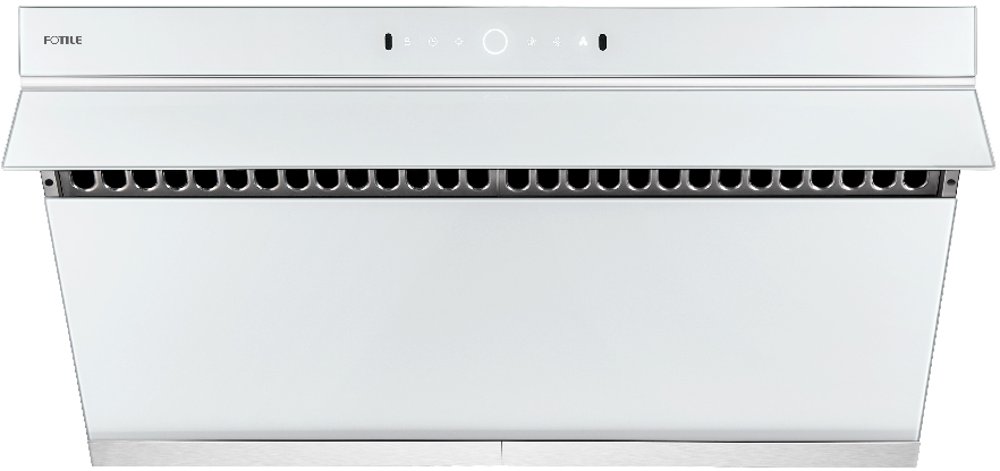
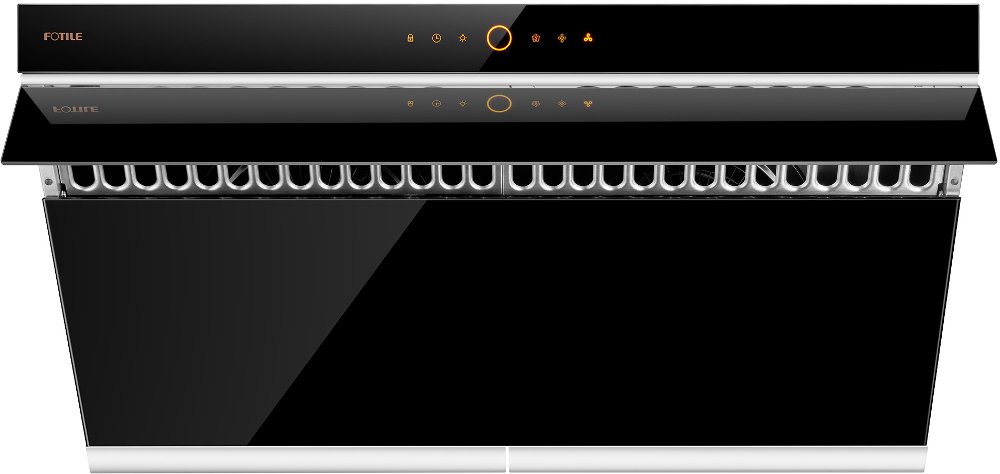
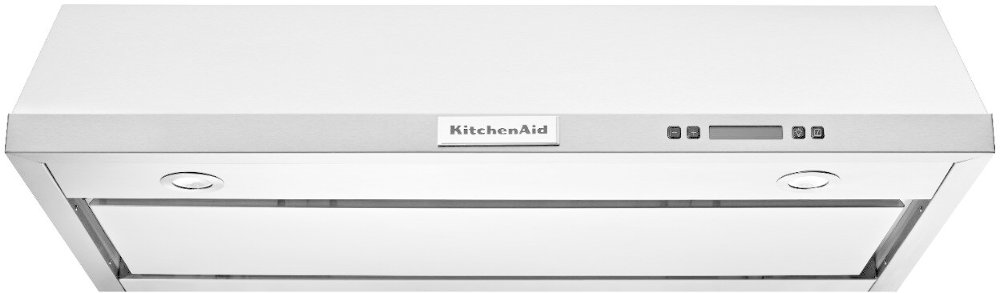
Wall-mounted kitchen exhaust fans help manage the smoke, grease, steam, and odors that come with everyday cooking. Above a range or cooktop, a wall-mounted range hood combines a fan, filters, and a canopy that captures rising cooking fumes before they spread through the room. That makes a difference when onions are sizzling in a skillet, pasta water is boiling, or a batch of pancakes leaves a lingering buttery smell. These ventilation appliances are especially useful in kitchens that open into dining and living areas, where cooking odors can travel beyond the stove. Wall-mount range hoods attach to the wall rather than hanging over an island, and many feature a chimney-style cover that conceals the ductwork above the canopy. A separate through-wall exhaust fan serves a different purpose: It moves room air directly through an exterior wall but generally doesn’t offer the same grease capture or coverage over the cooking surface. For ventilation above a stove, a hood designed for that application provides a more targeted solution. Ducted wall-mounted hoods carry captured air outdoors, helping remove moisture and cooking pollutants from the home. Ductless models pull air through grease and odor filters, then return it to the kitchen. They can reduce grease and some smells, but they don’t remove moisture or exhaust combustion gases outdoors. Convertible hoods support either arrangement when configured with the required components, which may include a separate recirculation kit. Where an outdoor exhaust route is practical, Vented Kitchen Range Hoods offer ventilation that carries cooking fumes outside instead of recirculating filtered air. The distinction matters for frequent cooks, households that prepare aromatic meals, and anyone replacing a hood that never quite cleared the air. A well-matched ventilation system supports the way the kitchen gets used, whether that means a quick breakfast for one or several burners going during a family dinner.
Fit involves more than finding a hood with the same width as the range. Canopy depth, mounting height, surrounding cabinets, and the location of the duct connection all affect how a wall-mounted kitchen exhaust fan fits and performs. Common residential hood widths include 30 and 36 inches, but the cooking appliance’s requirements should determine the appropriate coverage. A shallow canopy may leave front burners less effectively covered, even when its width matches the stove. Installation clearances must follow both the hood and cooking appliance manufacturers’ instructions, with local requirements also taken into account. Ceiling height matters for chimney-style designs because the decorative cover needs to fit the space between the hood and ceiling; some installations require an extension or a different cover configuration. Airflow is measured in cubic feet per minute, or CFM, which describes how much air the fan moves rather than how much electrical power it uses. The right airflow depends on the cooking equipment, cooking habits, hood design, and duct system—not simply the kitchen’s square footage. Someone who mostly simmers soup and reheats leftovers has different ventilation needs from someone who regularly sears steaks or stir-fries over high heat. Higher CFM alone doesn’t guarantee better results if the canopy misses rising fumes or the ductwork restricts airflow. Properly sized ducts, fewer bends, and a suitable outdoor termination help a ducted hood perform as intended. Exhaust should discharge outdoors, not into an attic or another enclosed space. Higher-capacity systems may also require makeup air under local building codes, making a qualified installer’s assessment valuable before the layout is finalized. Sound deserves similar attention, particularly when the stove sits near a breakfast table or an open living room. Noise ratings in sones or decibels are most useful when compared at similar airflow settings and under comparable test conditions. Multiple fan speeds let the ventilation match the task, with a lower setting for gentle simmering and more airflow for smoky cooking. Reachable controls and clear setting indicators make those adjustments easier when dinner needs attention.
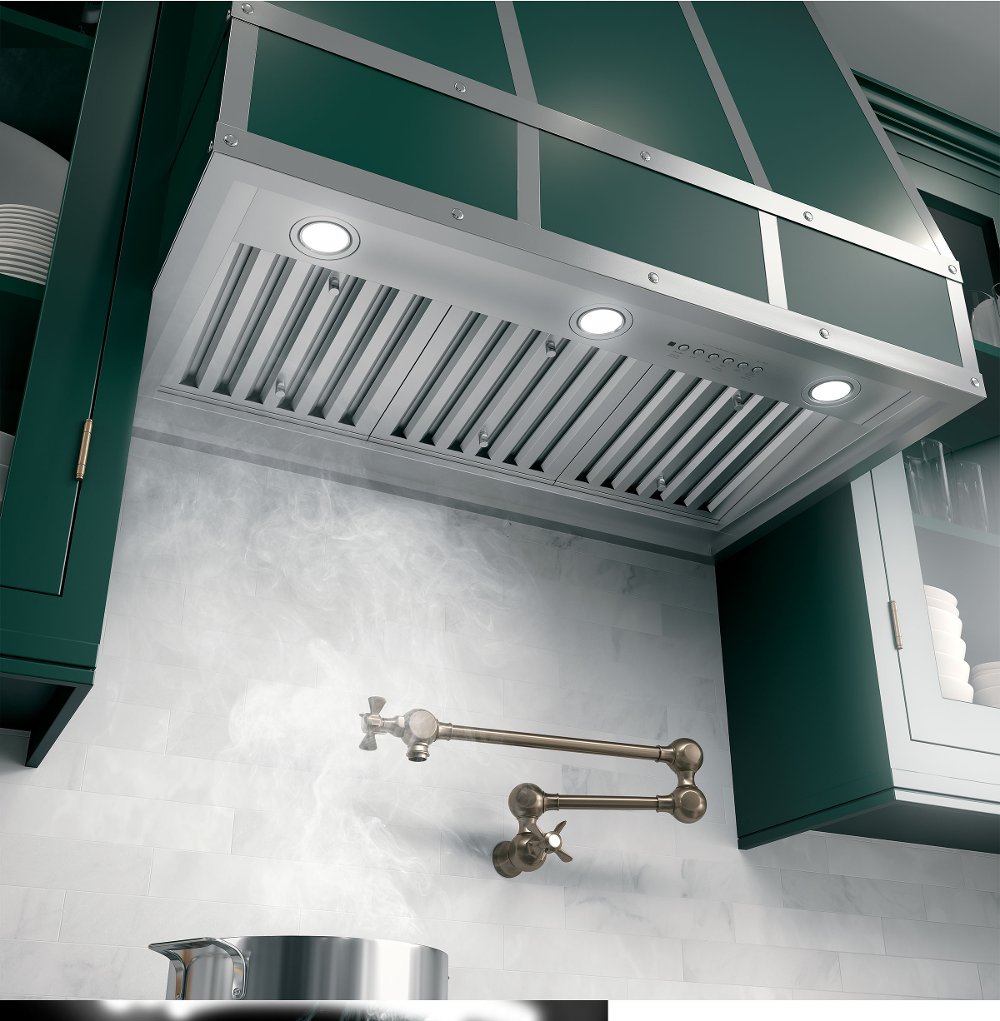
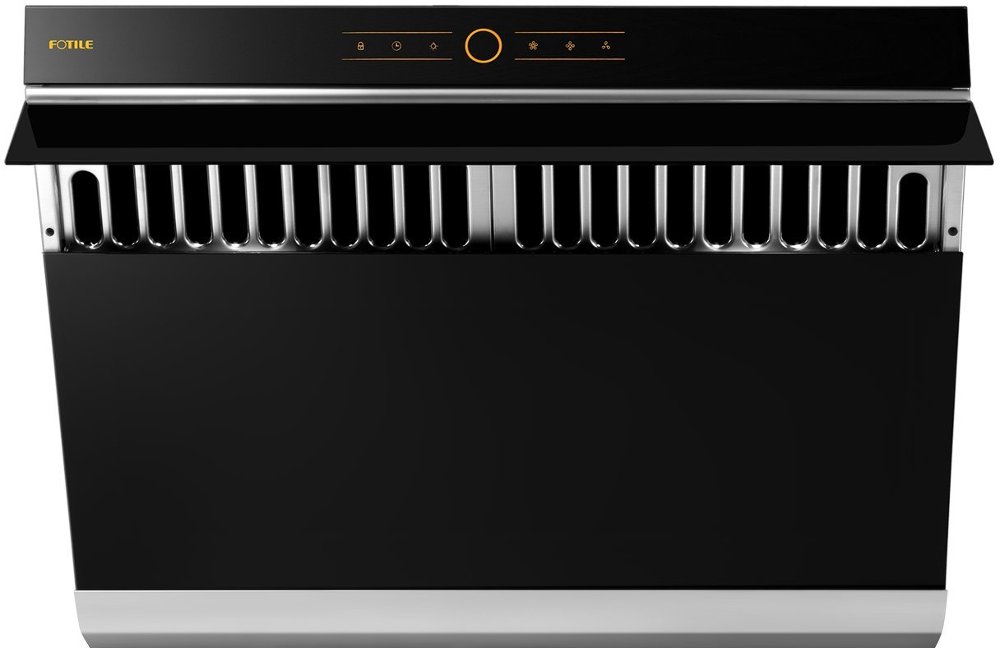
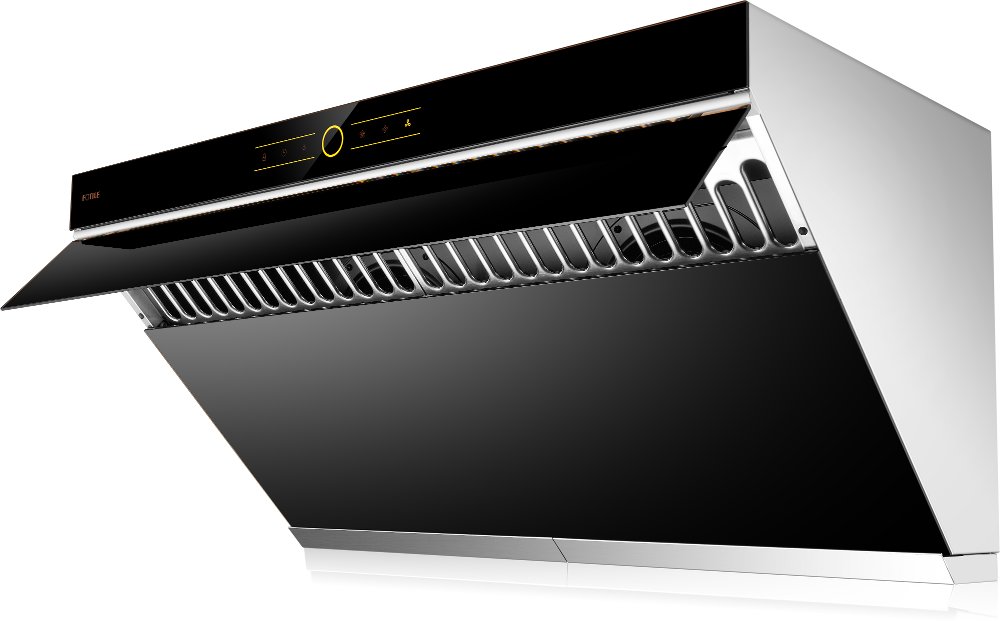
Materials and design give wall-mounted range hoods a visible role in the kitchen, but the best fit feels practical as well as polished. Stainless steel is a common choice because it tolerates routine kitchen use, resists corrosion with proper care, and coordinates with many appliances. Painted metal finishes offer a different look, while glass canopy accents can keep the area above the cooktop feeling visually open. A broad, angular canopy can anchor a cooking wall; a slimmer profile may feel less prominent alongside simple cabinets and a detailed backsplash. Those shapes should still provide the coverage the cooktop needs. Smooth surfaces, accessible filters, and fewer hard-to-reach seams make everyday cleanup more manageable, especially for households that sauté or fry often. Aluminum mesh filters trap grease in layers of fine screening, while stainless steel baffle filters use shaped channels to separate grease from the passing air. Cleaning requirements vary, so dishwasher cleaning is appropriate only when the manufacturer specifically allows it. Warm water and a suitable mild cleaner are often part of routine care, while abrasive pads and harsh chemicals can damage finishes. Stainless steel generally benefits from wiping with the grain and drying with a soft cloth to limit streaks. In a ductless setup, odor-filter maintenance is a separate consideration: Many charcoal filters need periodic replacement rather than washing, though requirements depend on the filter design. Keeping grease filters clean helps preserve airflow and reduces combustible grease buildup. Durability also depends on secure mounting, correct installation, and maintenance that keeps the fan and air passages working properly. Built-in lighting adds another everyday benefit, helping illuminate a saucepan’s contents or the edges of food browning in a skillet. Light placement, brightness options, and serviceable components are worth considering alongside appearance. For a kitchen remodel or an appliance replacement, a thoughtfully matched wall-mounted exhaust fan brings together cooking-surface coverage, manageable sound, dependable construction, and care that fits a household’s routine. It’s a hardworking part of the room that can make preparing meals feel more comfortable without competing for counter space.
Read More