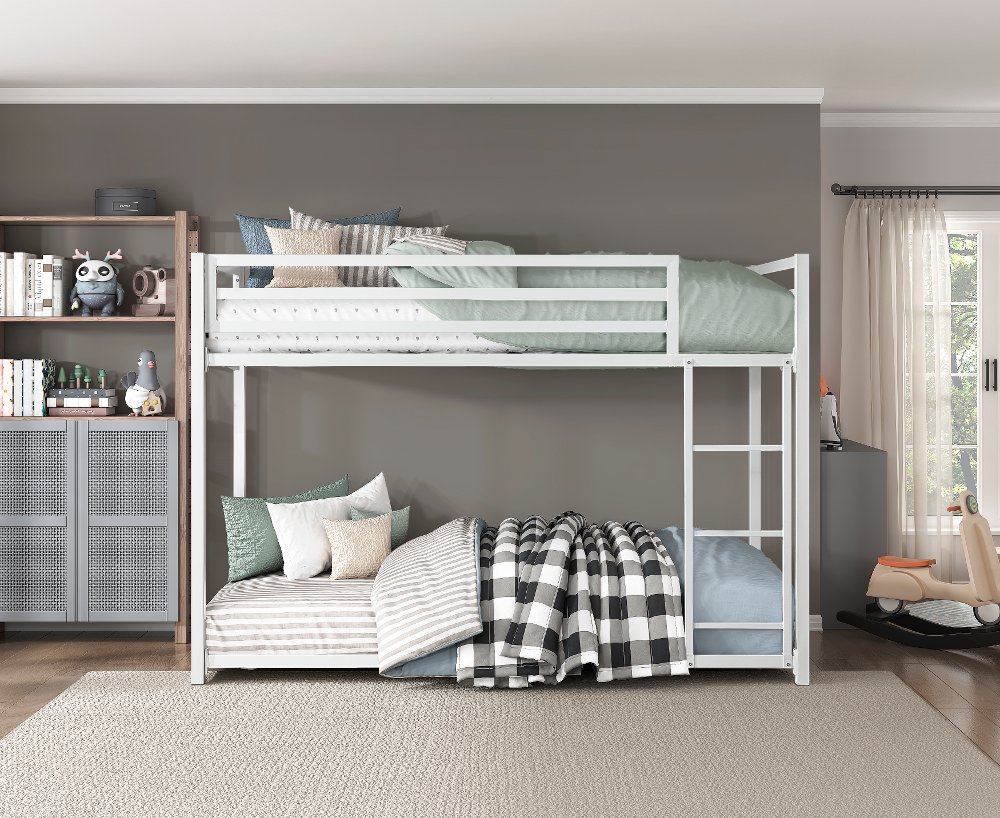
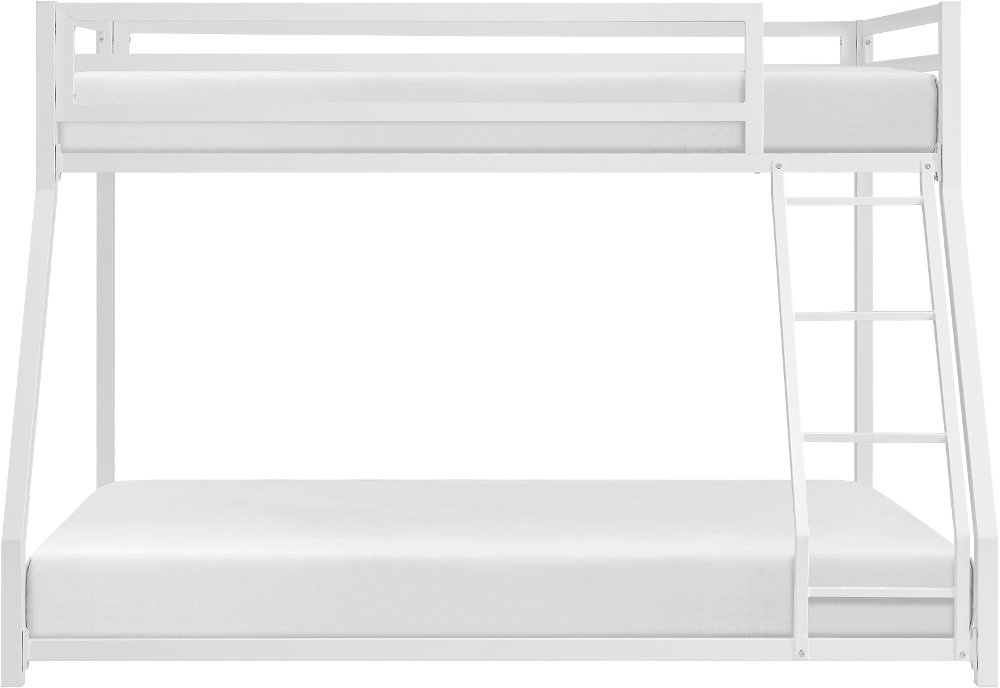
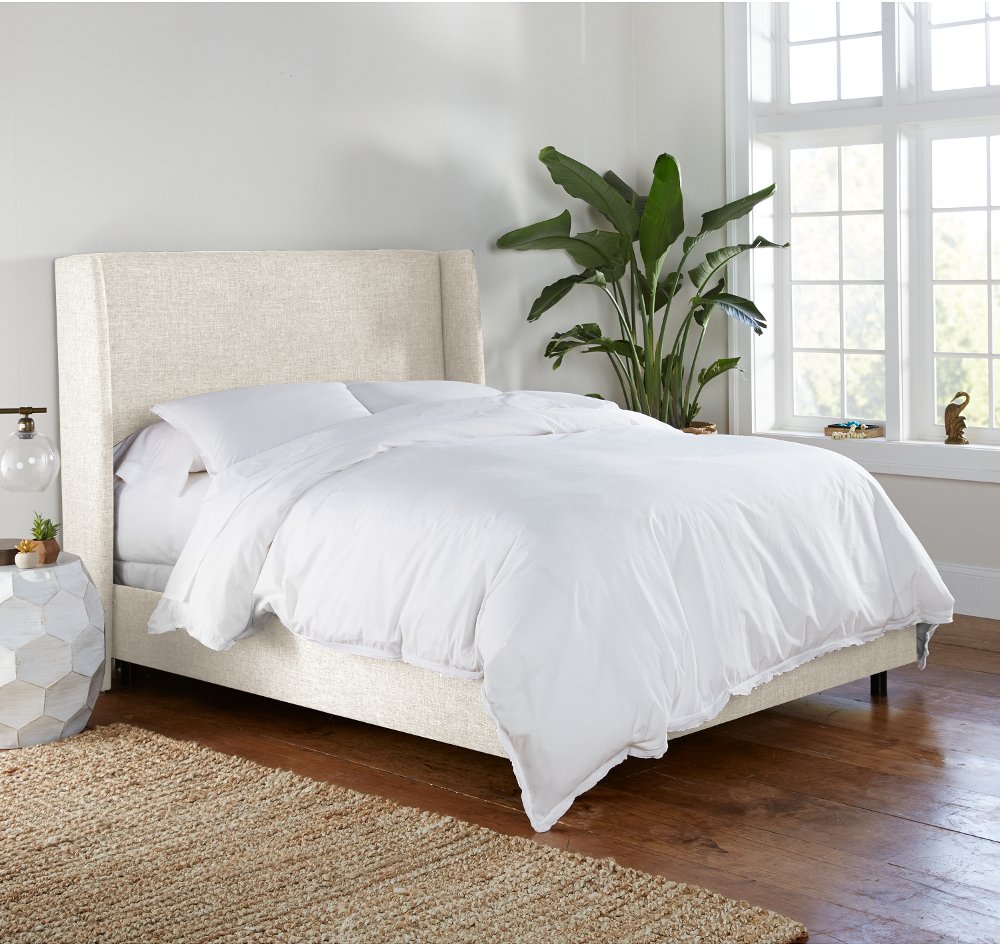
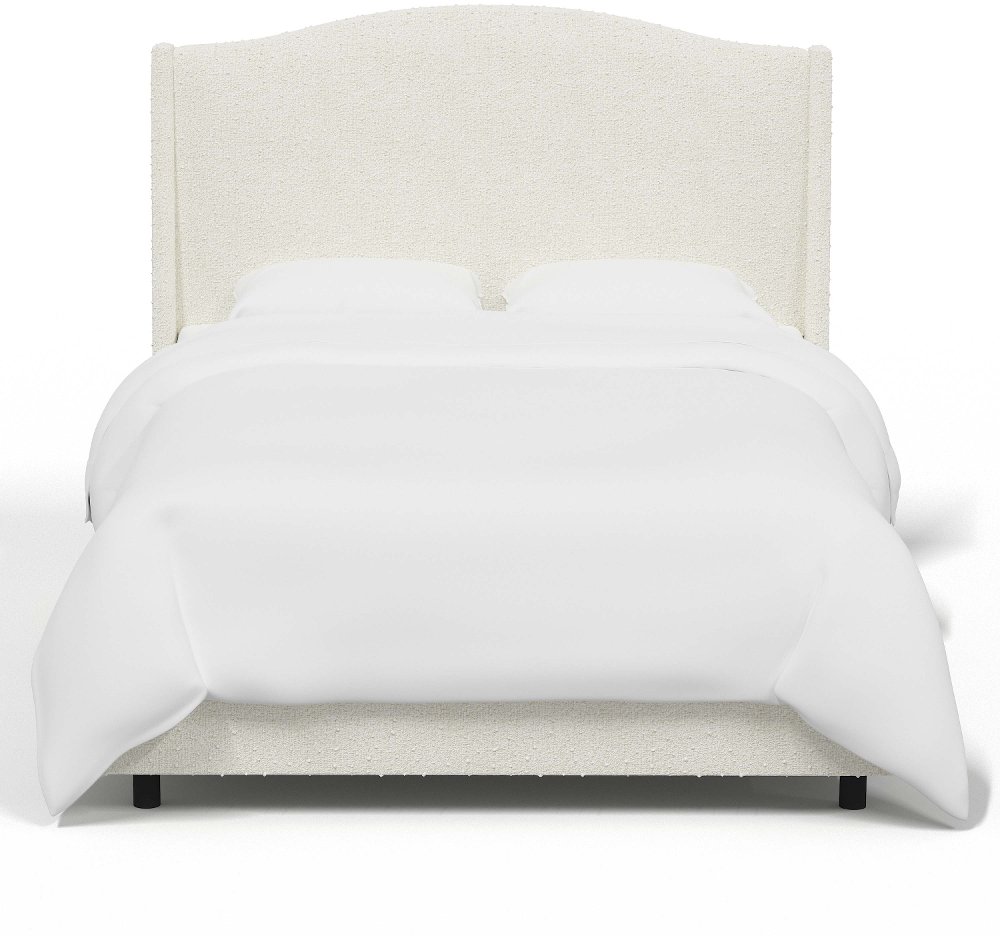
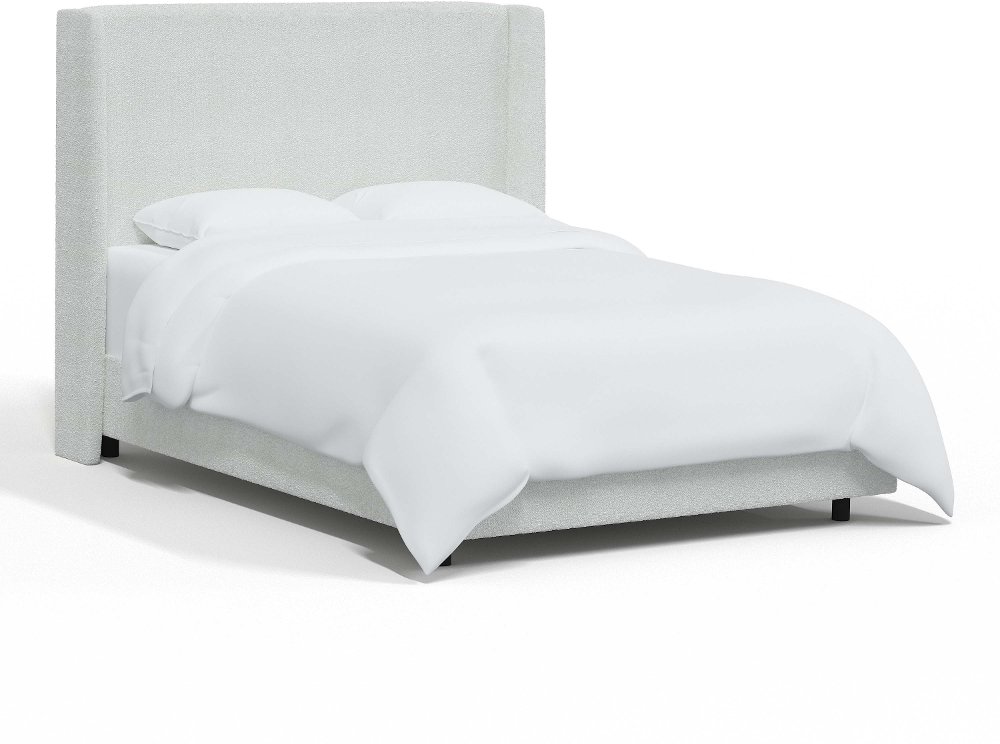
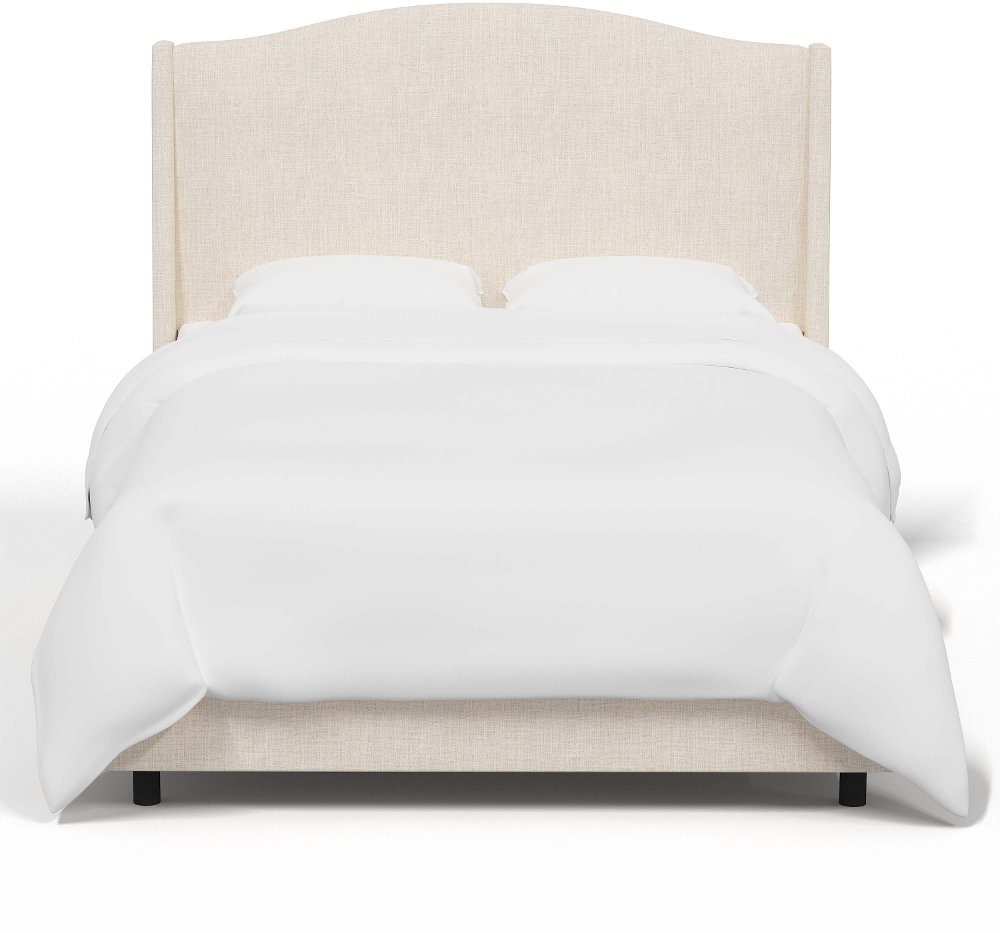
White metal beds pair the strength of a metal frame with a light finish that works with a wide range of bedroom styles. Their shapes can be simple and streamlined, with straight rails and evenly spaced spindles, or more decorative, with arched headboards, curved scrollwork, and rounded finials. Those details make a difference in the room’s character: a slender spindle bed feels relaxed beside a painted dresser, while a frame with clean horizontal lines looks at home with contemporary nightstands. White also gives bedding room to stand out. A navy quilt creates crisp contrast, small floral prints bring a softer feel, and textured ivory linens create a layered look without relying on bold color. The finish itself deserves a closer look, since bright white, creamy white, and intentionally distressed white can look quite different beside existing furniture. A close-up finish image or finish description can help you coordinate a bed with white trim or a dresser you plan to keep. Open metal headboards let more of the wall show through than solid panels, which can help a compact bedroom feel less visually crowded without changing the bed’s actual footprint. That openness also lets wallpaper, a painted accent wall, or artwork remain part of the room. For a child moving into a larger bed, a teenager refreshing a bedroom, or an adult furnishing a guest space, a white metal frame offers a flexible foundation as tastes change. A traditional silhouette can feel fresh with solid bedding, while a minimalist frame becomes more inviting with a quilt and a few textured pillows. If your room needs the contrast of natural grain alongside a metal frame, metal and wood beds offer another way to balance those materials.
Construction matters just as much as appearance when choosing a white metal bed. Frames may use steel or iron components, with tubular sections, solid elements, or a combination that shapes both their look and their weight. Substantial-looking posts alone don’t tell the whole story; secure connections, appropriate cross supports, and a properly designed mattress foundation all contribute to stability. Many metal frames have a painted or powder-coated finish. Powder coating creates a cured surface over the metal, but its resistance to everyday wear still depends on the coating quality and how the bed is used and cared for. Mattress support varies by design, so a white metal bed should not automatically be treated as a platform bed. Some frames include slats or a support deck intended for use without a box spring, while others require a separate foundation. The bed’s instructions and the mattress manufacturer’s support requirements should agree, especially for foam and hybrid mattresses that may need closely spaced slats or a particular support surface. Check whether slats, center rails, and support legs are included, and review the stated weight capacity rather than judging strength by appearance. Confirm whether that capacity includes the mattress and foundation as well as sleepers. Size labels also need a second look: twin, full, queen, and king describe mattress sizes, not the bed’s complete outside measurements. A headboard, projecting finials, or a curved footboard can add inches that matter beside a closet door or along a narrow walkway. Measure the space for the entire frame, leaving comfortable access to drawers, doors, and both sides of a shared bed where possible. The finished sleep height depends on the frame, any required foundation, and the mattress together. A thick mattress can cover decorative headboard details, while a low mattress may leave more of the frame exposed. For taller sleepers, an open-ended design or lower footboard may feel less restrictive, even when the mattress length stays the same. If an adjustable base is part of the setup, verify compatibility with the specific frame and base rather than assuming either will fit inside the other.
Daily routines help determine which details will matter most after the bed is assembled. In a guest room, an open frame can keep the space feeling welcoming without demanding a complete set of matching furniture. In a smaller bedroom, under-bed clearance may provide useful space for shallow bins, extra linens, or a spare blanket, but measure the opening beneath the side rails and account for center support legs before choosing containers. A tall-looking frame doesn’t always provide an unobstructed storage area. Headboard height matters when sitting up to read, too; pillows can add comfort against metal spindles, though they won’t create the same feel as an upholstered back. For a child’s room, choose a bed appropriate for the child’s age and follow all manufacturer safety guidance, including any recommendations about mattress thickness or frame openings. A bed can also be a thoughtful contribution to a first apartment or a refreshed bedroom, especially when the recipient helps choose the size and style. Once the frame is in place, simple care helps preserve its appearance and stability. Dust rails, spindles, and decorative joints with a soft cloth, and use a lightly dampened cloth with mild soap for routine marks if the manufacturer permits it. Dry the surface afterward, and avoid abrasive pads or harsh cleaners that could dull or scratch the white finish. Follow the assembly sequence carefully, tighten hardware as directed, and check connections periodically, particularly after moving the bed. Squeaks can come from loose joints, uneven floors, or contact between components, so identifying the source is more useful than assuming the metal itself is the problem. Floor protectors suited to your flooring can help reduce scuffs, and lifting rather than dragging the frame helps protect both the bed and the room. With the right dimensions, compatible mattress support, and a finish that complements your space, a white metal bed can remain a dependable centerpiece through changes in bedding, furniture, and everyday life.
Read More