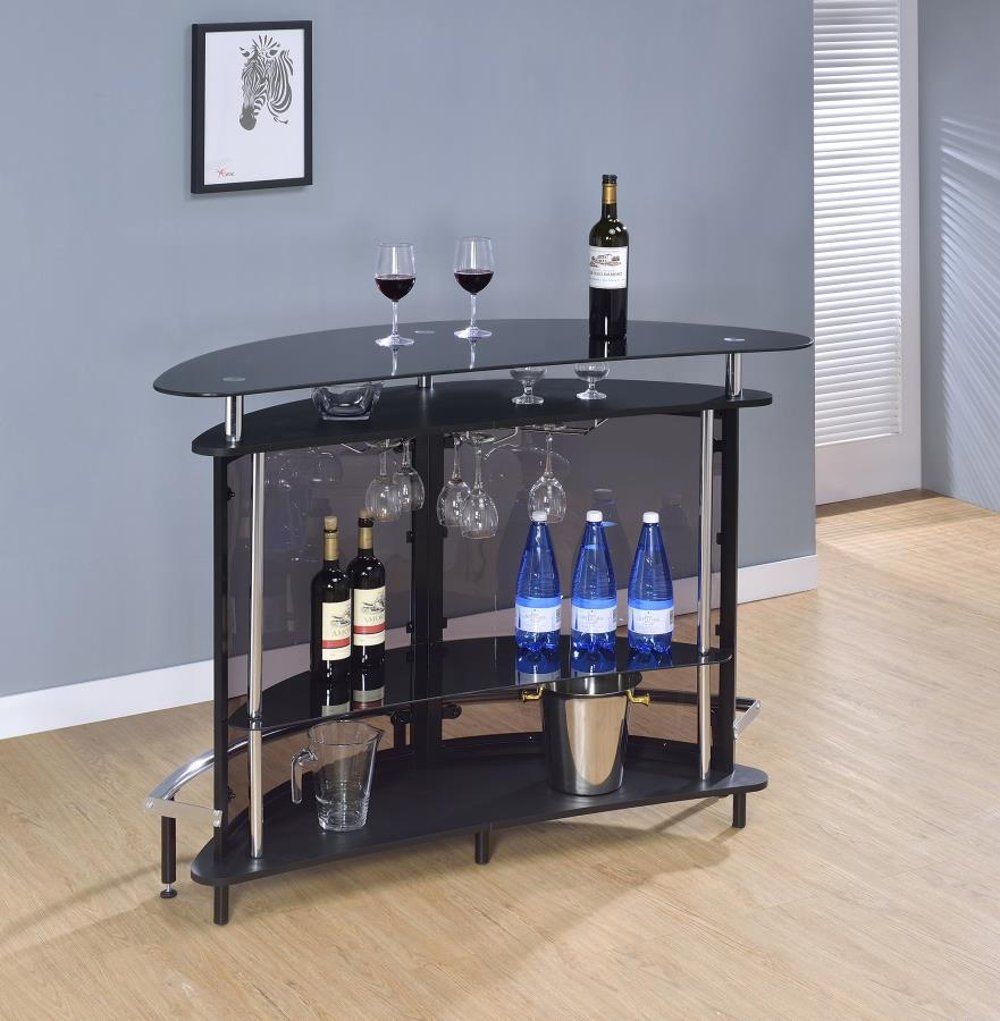
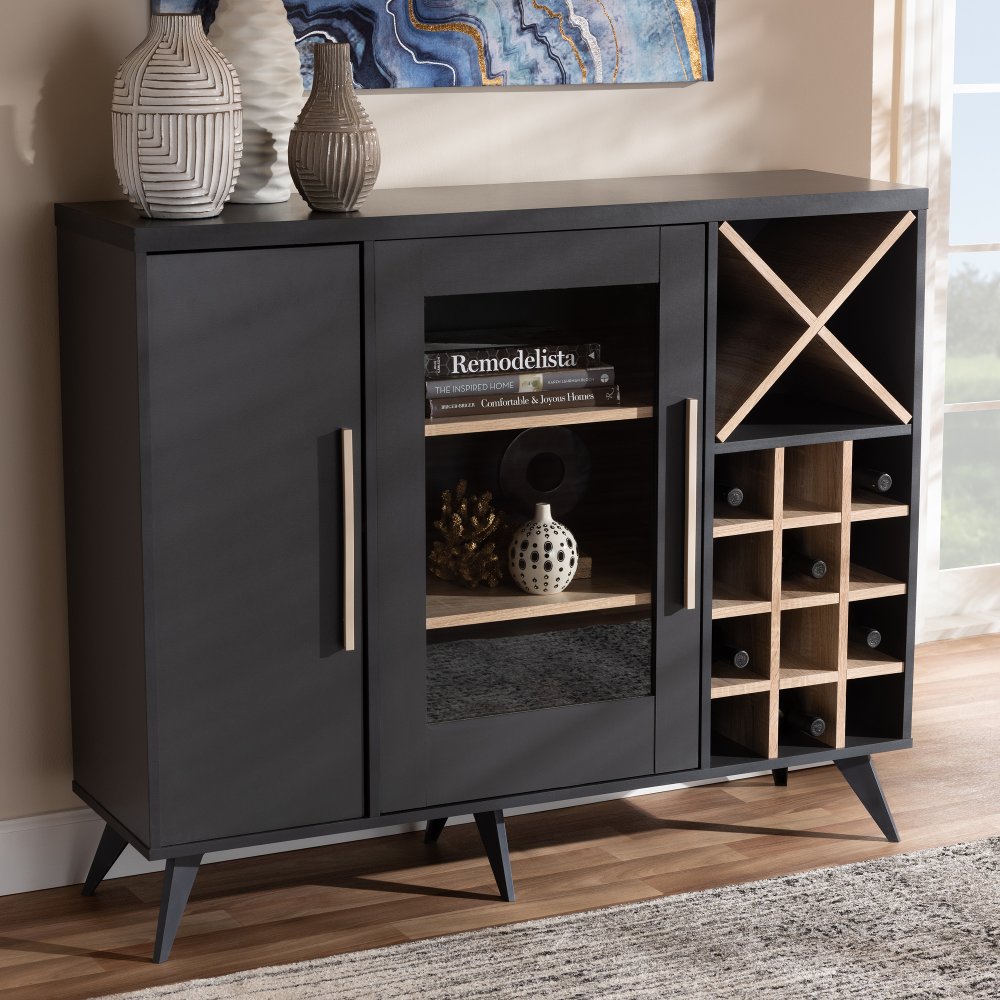
Wine glass storage gives delicate stemware a dedicated place, keeps serving essentials within reach, and helps make better use of your kitchen, dining room, or home bar. The right setup depends on the glasses you own and how often you reach for them. Hanging stemware racks hold glasses upside down by their bases, freeing shelf space while keeping the bowls separated. Enclosed cabinets help limit dust exposure, open shelves put favorite shapes on display, and divided storage cases cushion glasses that come out less often. For everyday use, easy access matters as much as capacity: a pair of glasses for dinner should be simple to retrieve without moving a whole collection. An under-cabinet wine glass holder can make use of the space beneath upper cabinets, while a wall-mounted stemware rack can bring storage closer to a dining table or serving area. A freestanding bar cabinet offers a different advantage, bringing glassware, bottle openers, coasters, and other entertaining essentials together in one piece of furniture. Consider the variety in your collection before choosing a layout. Wide-bowled red wine glasses need more room between rows than narrow flutes, and tall stems require enough vertical clearance to slide in and out without bumping a shelf or countertop. Stemless wine glasses belong on shelves or in appropriately sized divided compartments rather than conventional hanging stemware rails. Advertised glass capacity is a starting point, not a guarantee that every shape will fit. Measuring your widest bowl, largest base, and tallest glass gives you a more useful picture of the space you need. Leave a little room between glasses so they don’t knock together as you put them away. For a small apartment, a compact rack may handle an everyday set without taking over the room; for frequent hosts, a combination of accessible hanging storage and enclosed space for extra glasses can keep the serving area organized without crowding it.
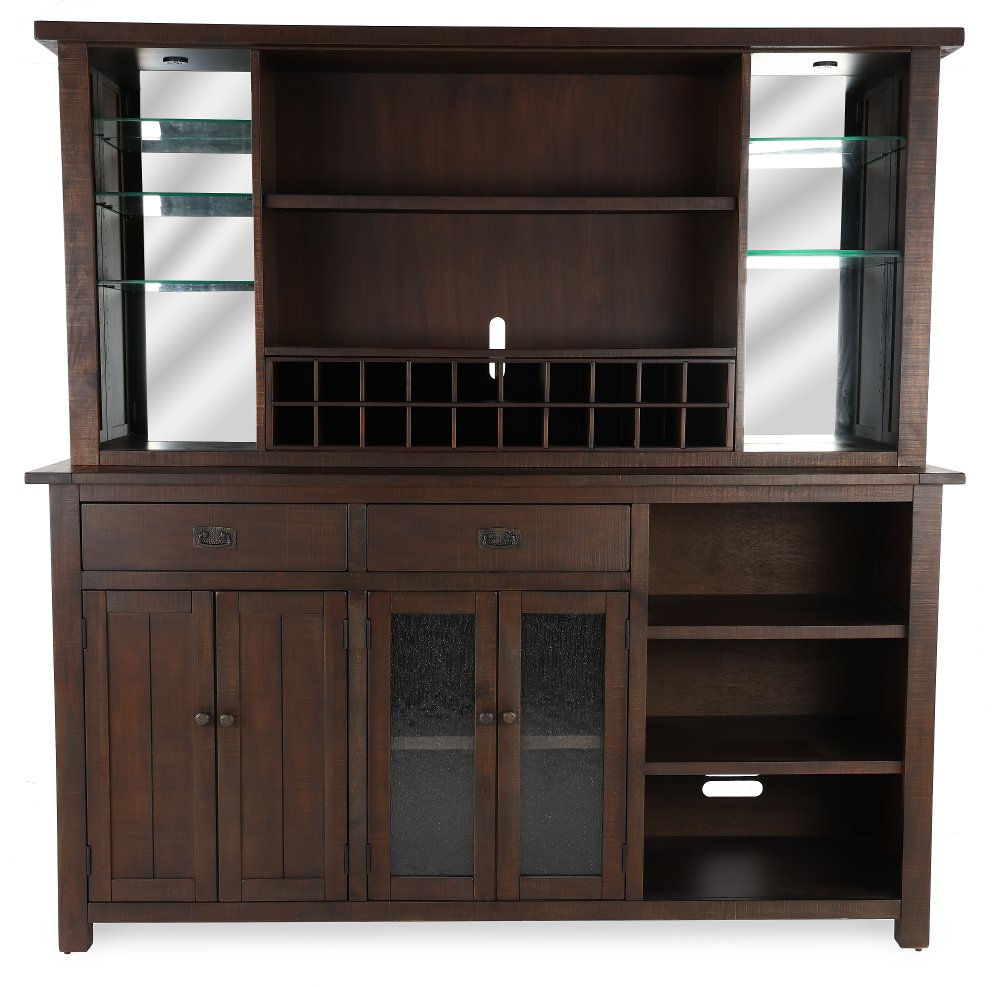
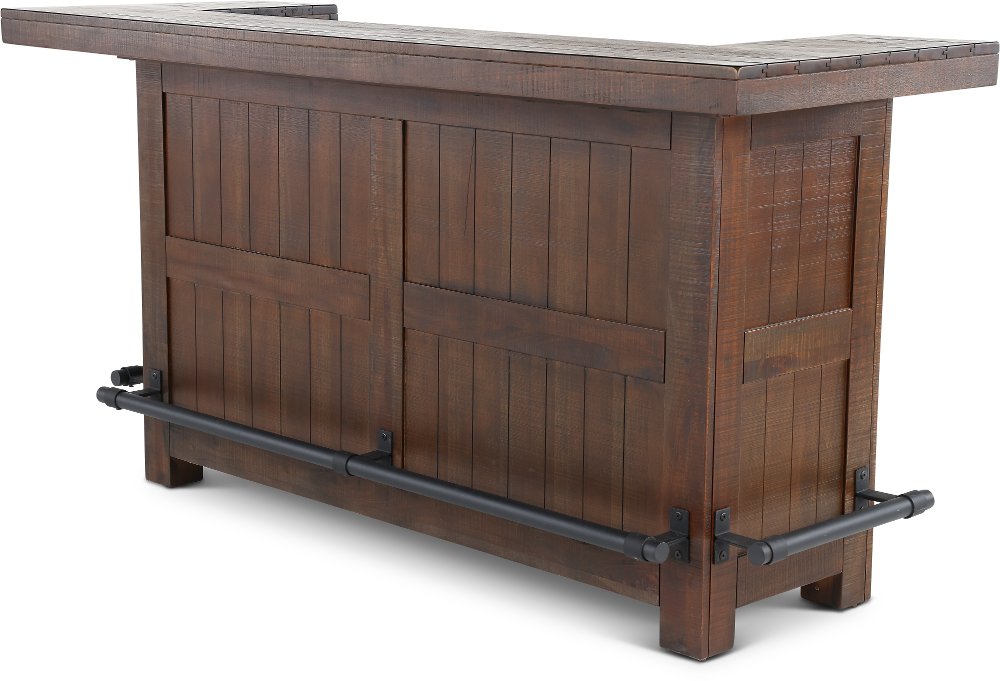
Materials and construction affect both the look of wine glass storage and how comfortably it fits into daily life. Wood cabinetry can echo the finish of a dining table or sideboard, while metal stemware racks offer a slim profile that works beneath shelving or inside a cabinet. Engineered wood provides another furniture construction option, with durability influenced by the quality of the finish, edge protection, joints, and hardware. Smooth rail edges are especially important where a glass base slides into place; rough spots or exposed fasteners can catch against delicate glassware. A sturdy frame, secure connections, and a finish suited to regular cleaning matter more than decorative details alone. With hanging racks, check both the opening that accepts the glass base and the spacing of the rails that support it. The base must enter easily and sit securely, while the stem needs room to travel along the slot. Depth matters, too, particularly when several glasses share a row and the rear glass sits close to a wall. Before adding an under-cabinet rack, measure the clearance above the counter and check that hanging glasses won’t interfere with appliances, cabinet doors, or normal food preparation. Wall-mounted storage needs hardware appropriate for the mounting surface and installation that follows the manufacturer’s load limits. Freestanding cabinets should sit level, and any supplied anti-tip hardware should be installed as directed. In homes with children or pets, placing fragile glassware in secured, enclosed storage away from busy paths can be a practical choice. Think about the doors and drawers around the storage area as well as the rack itself. A cabinet that fits neatly beside the dining table still needs enough room for its doors to open and for someone to stand comfortably while removing glasses. The most useful fit feels natural in the room: glassware stays close to where you serve, and walking routes remain clear.
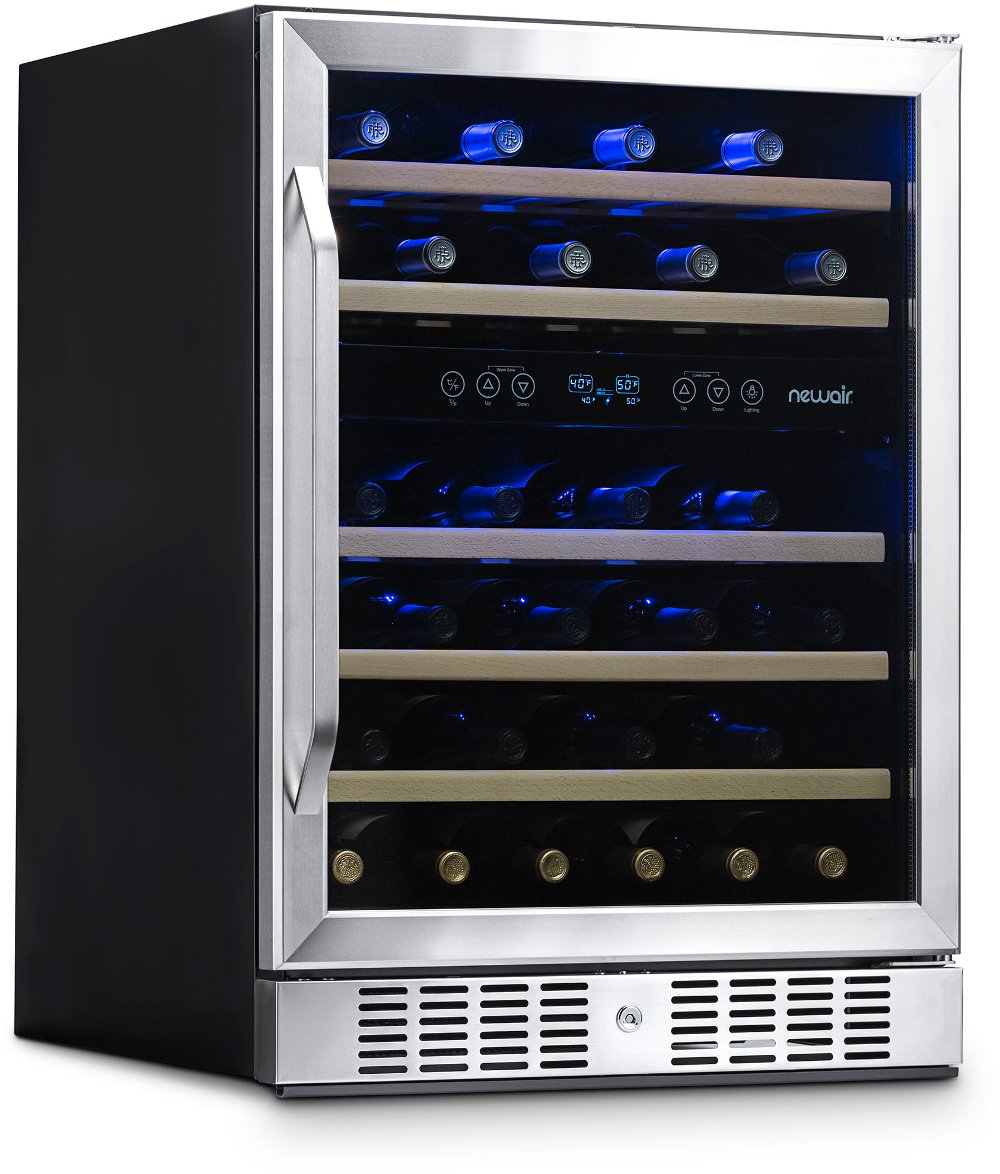
Good storage also makes caring for your wine glasses easier. On a shelf, place glasses upright on their sturdy bases rather than resting their weight on delicate rims, and avoid stacking unless the glassware manufacturer specifically permits it. A hanging rack supports the bases instead of the rims, but open storage can still collect dust and kitchen residue. Keeping exposed stemware away from cooking splatter helps reduce extra cleaning before serving. Let washed glasses dry completely before placing them in an enclosed cabinet or padded case, and follow the glassware maker’s cleaning instructions, especially for fine crystal or decorated pieces. Wipe storage surfaces with a soft cloth and a cleaner appropriate for the material; dry wood surfaces promptly and avoid abrasive tools that can scratch finishes. Shelf liners, if used, should lie flat and provide a stable surface without bunching beneath the bases. For glasses reserved for larger gatherings, padded stemware storage containers with individual dividers help separate bowls and stems during handling. Check compartment width and height rather than assuming one case will accommodate every glass. A rigid exterior can add protection, but stacking is appropriate only when the container is designed for it and its stated limits are followed. For moving, use packaging intended for transport, cushion each glass, and fill empty space so the contents can’t shift. Everyday storage can be more expressive: a glass-front cabinet lets you enjoy the silhouettes of a coordinated set, while closed doors create a quieter look in a multipurpose room. If your entertaining area also needs dedicated bottle storage, Wine Cooler Storage can complement a separate place for clean, ready-to-use stemware. Wine glass storage can also make a thoughtful housewarming or wedding gift for someone who enjoys hosting, especially when its dimensions suit their home and existing collection. Whether you’re setting aside two favorite glasses or arranging enough stemware for a full table, a well-fitted storage space helps protect what you have and keeps the simple pleasure of serving a drink within easy reach.
Read More