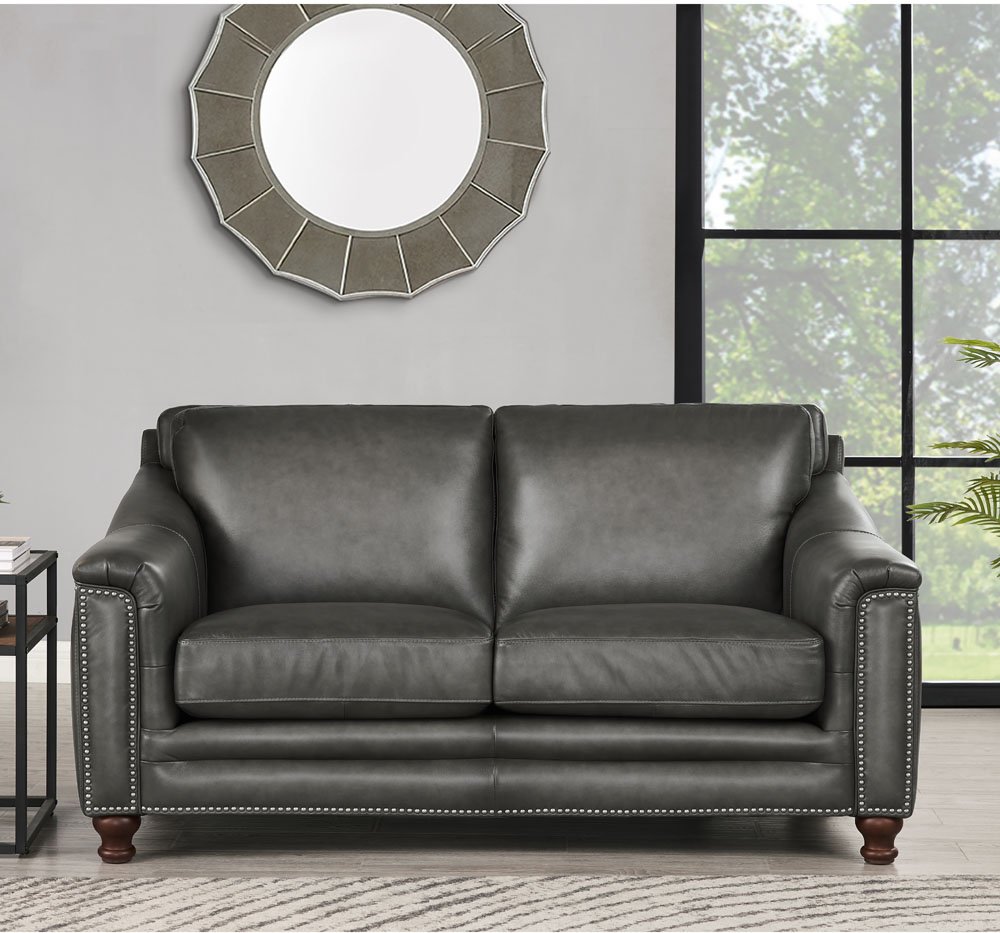
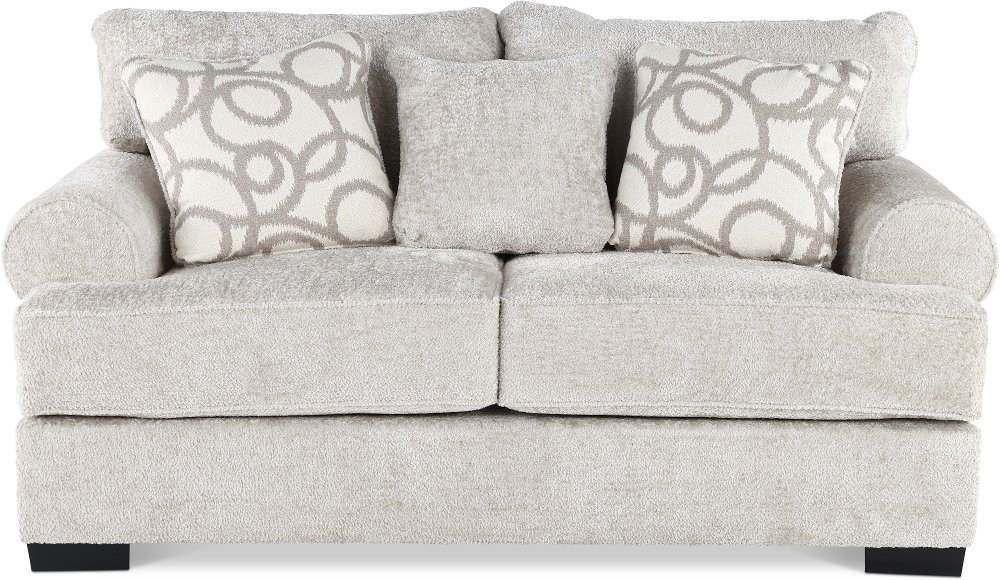
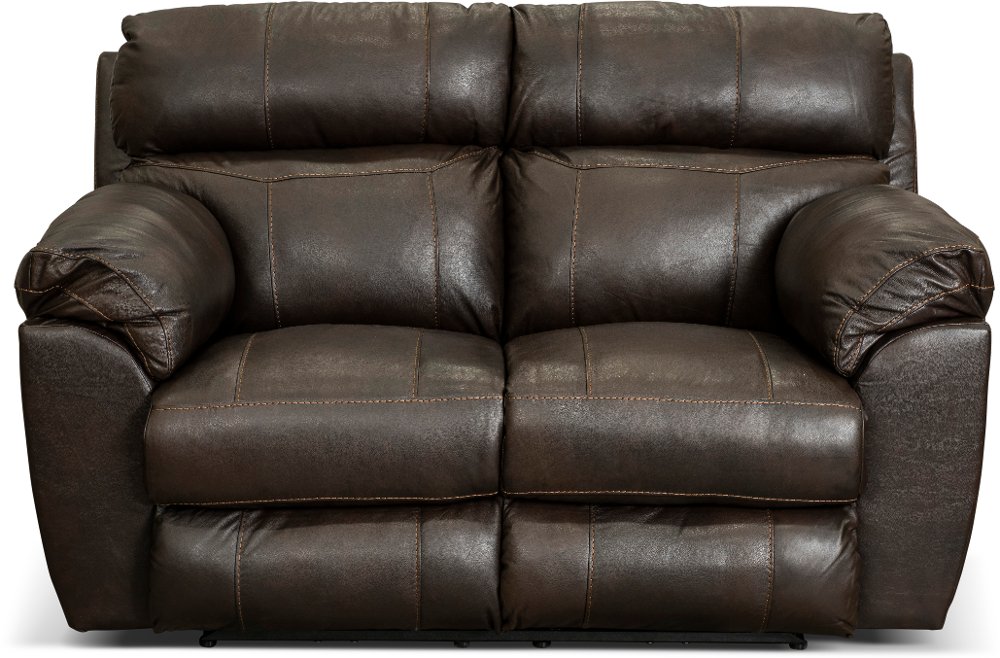
Wood frame loveseats are compact sofas designed to seat two people, with wood forming the supporting frame, visible arms and legs, or both. They bring the warmth of natural grain to a seating area without taking up the floor space of a full-size sofa. Many loveseats measure roughly 48 to 65 inches wide, though dimensions vary by design, and wide arms can leave less room between the cushions than you might expect. For an apartment living room, a bedroom sitting area, or a home office that doubles as a reading room, that smaller footprint can make everyday seating feel comfortable rather than crowded. An exposed wood frame also creates a different visual effect from a fully upholstered loveseat: open sides and raised legs let more of the floor show, helping a small room feel less enclosed. Mid-century modern designs often feature tapered legs, angled backs, and streamlined cushions, while mission-inspired styles emphasize straight arms, vertical slats, and clearly defined wood grain. Rustic silhouettes tend toward thicker components and visible knots or other natural character. Finish matters just as much as shape. A light wood finish can sit comfortably alongside linen-look upholstery and a woven rug, while a deeper brown finish adds contrast against pale walls and soft neutral cushions. Matching every wood surface in the room isn't necessary; repeating a warm or cool undertone can connect a loveseat with an existing coffee table or bookcase. For a more formal seating area, Traditional Leather Loveseats offer another direction to consider, particularly when leather upholstery and classic detailing suit the room. Whether the goal is a quiet spot for morning coffee or a companion seat opposite a larger couch, a wood frame loveseat works best when its proportions and character fit the way you already use your home.
The frame, upholstery, and cushion construction all influence how a wood loveseat feels and how well it stands up to regular use. Solid hardwoods such as oak, maple, walnut, and cherry are common furniture materials, valued for their strength and distinctive grain, but the species alone doesn't determine durability. Well-designed joints, secure fasteners, corner reinforcement where appropriate, and properly dried wood all contribute to a stable seat. Mortise-and-tenon or doweled joints can provide strong connections when properly made, and quality furniture-grade plywood can also serve a useful structural role within an upholstered frame. Product descriptions deserve a close look because “wood frame” doesn't necessarily mean every component is solid wood or that the frame will be visible. Some designs conceal most of the structure beneath fabric, showing wood only at the feet; others make the arms, back rails, and side supports part of the look. Comfort depends on what sits above that structure, too. Higher-density foam can help cushions retain their shape, though density and firmness aren't the same thing. A firm seat may offer steady support for conversation, while a softer cushion can feel inviting when settling in with a book. Back angle, seat depth, and cushion height determine whether your feet rest comfortably on the floor and whether your lower back feels supported. Exposed wooden arms provide a defined edge but feel firmer than padded arms, something to consider if you like to lean sideways while reading. In homes with children or pets, upholstery with clearly stated cleaning instructions and suitable durability characteristics can simplify everyday upkeep. Performance fabrics vary, so look for the specific stain-resistance or cleaning features that matter to your household rather than relying on the label alone. Removable cushion covers are helpful only when their care instructions suit your needs; a zipper doesn't automatically mean a cover is machine washable. Fabric texture, seam placement, and cushion attachment are worth considering alongside color, especially for a loveseat that will see daily use.
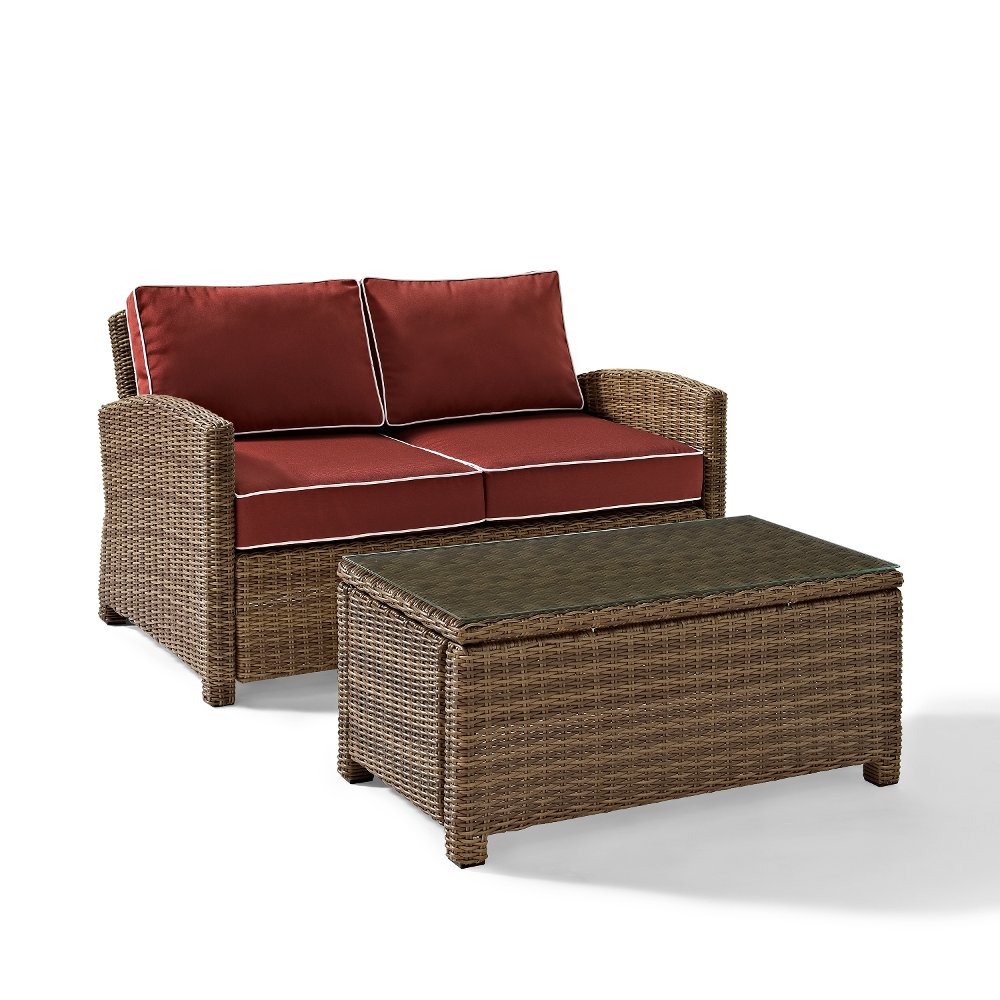
A good fit starts with the room and continues all the way to the seat itself. Measure the intended location, then compare overall width, depth, and height with the loveseat's listed dimensions. Marking the footprint with painter's tape makes it easier to picture the furniture beside a floor lamp, near a doorway, or across from a television. Leave enough clearance to walk through the room comfortably and open nearby drawers or cabinet doors. If a coffee table sits in front, about 16 to 18 inches between the table and seat is a common starting point, with adjustments for your reach and movement needs. Delivery access matters, too: narrow hallways, stair turns, and elevator openings can affect whether a loveseat reaches its destination, even when it fits the room perfectly. For two adults who plan to sit together often, compare usable seat width rather than overall width alone. A shallow seat can suit upright conversation, while a deeper seat may appeal to someone who likes to curl up with a throw during the cooler months. Wood frame loveseats can also furnish covered porches and patios, but only when the frame, finish, cushions, and hardware are intended for outdoor use. Teak, acacia, and cedar appear in outdoor furniture because of their useful natural properties, yet no wood should be treated as maintenance-free or completely weatherproof. An indoor loveseat doesn't become outdoor furniture simply because the porch has a roof. Follow the manufacturer's placement and care directions, protect outdoor cushions from prolonged moisture, and allow surfaces to dry before covering. Indoors, dust exposed wood with a soft cloth, blot spills promptly, and avoid harsh cleaners unless the finish instructions permit them. Direct sunlight and nearby heating vents can contribute to fading, drying, or movement in wood over time. Vacuum upholstery as directed, rotate loose cushions when the design allows, and check accessible hardware periodically. With thoughtful placement and care suited to its materials, a wood frame loveseat can provide a welcoming, practical place to sit through changing routines and room arrangements.
Read More