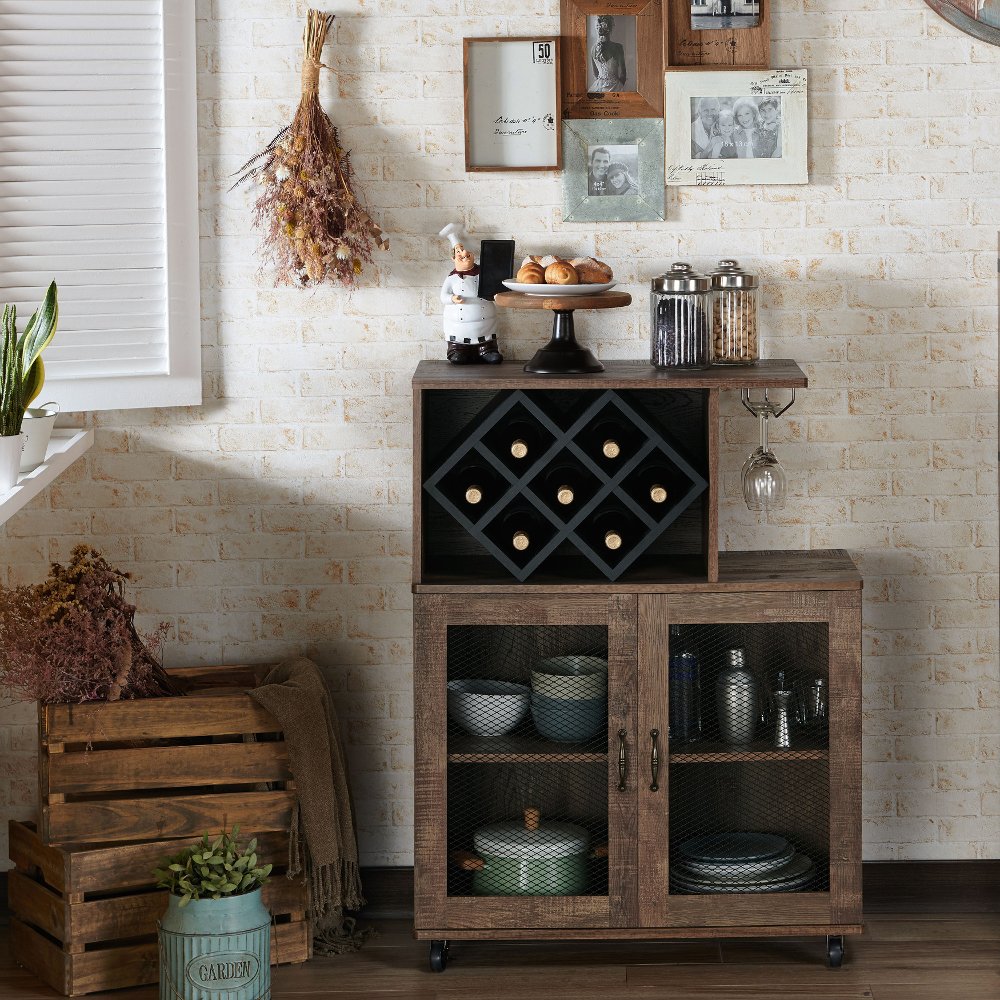
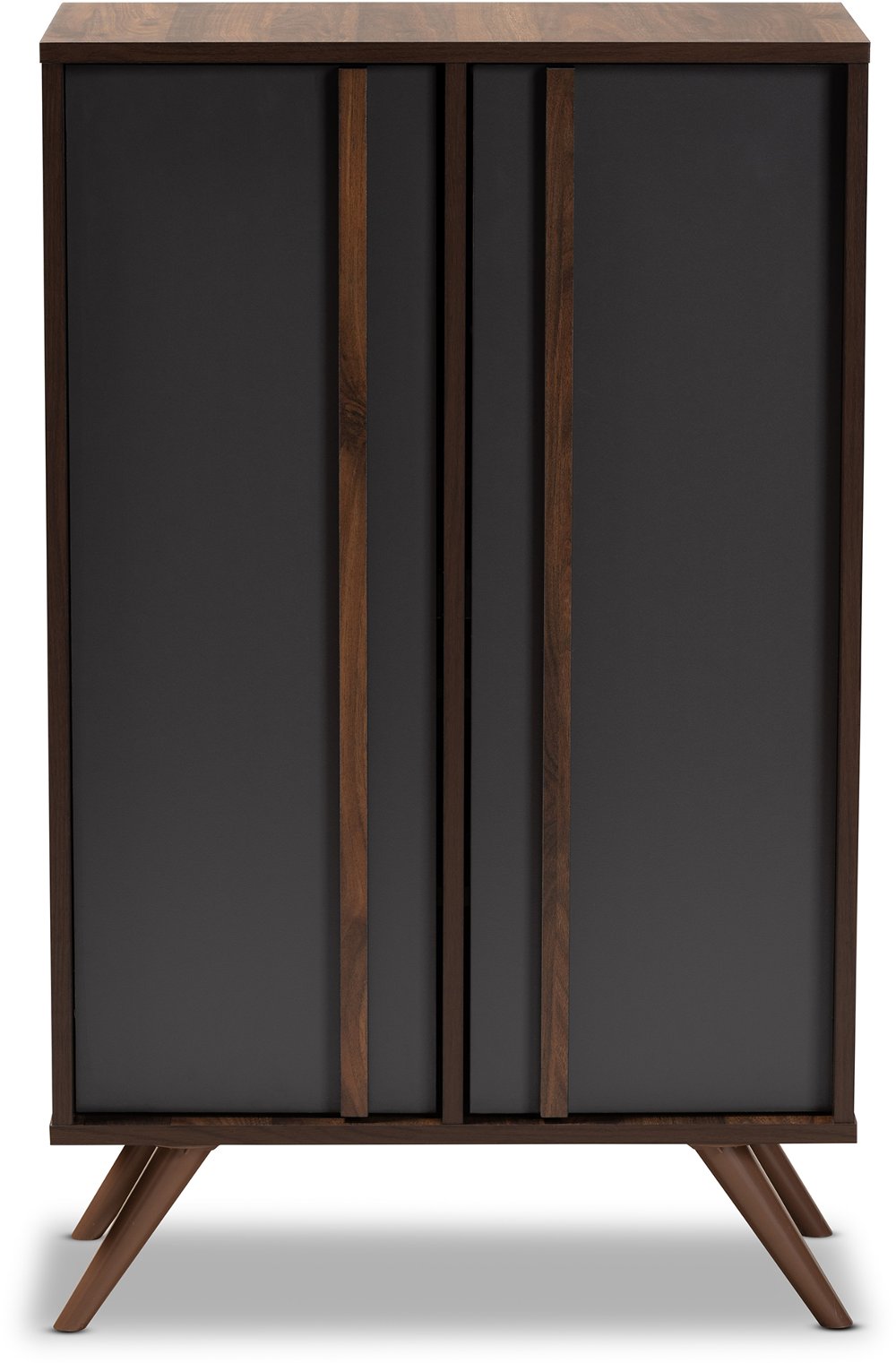
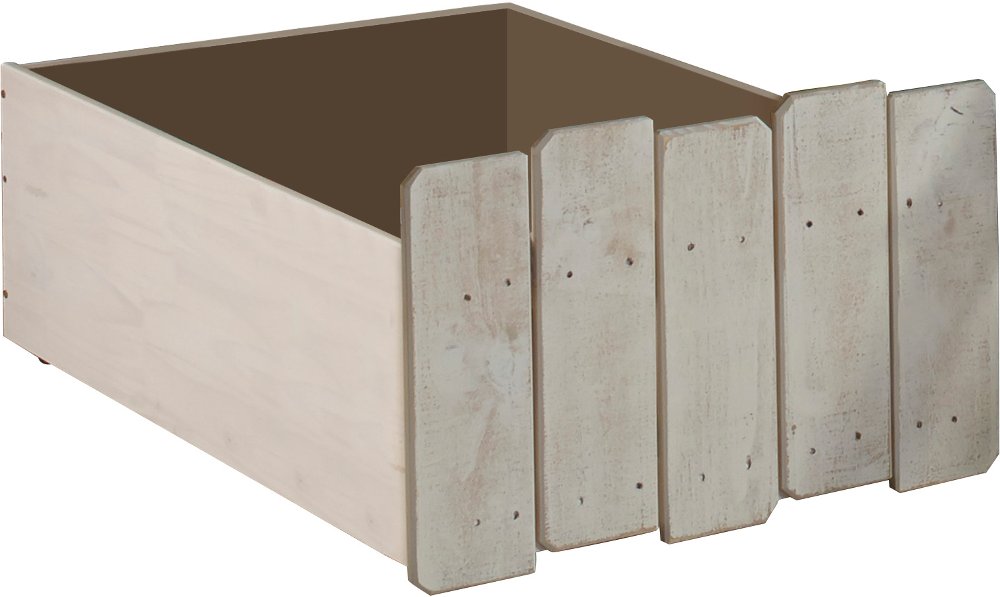
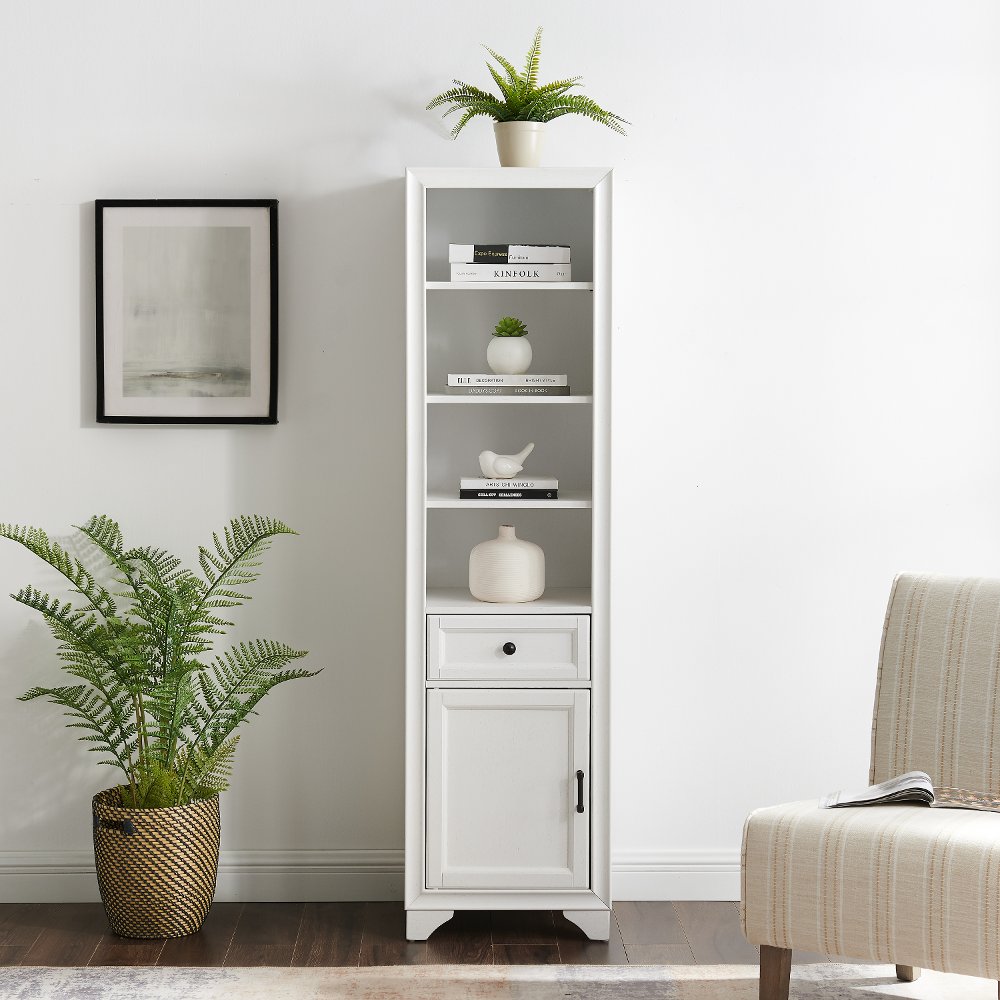
Wooden storage carts give everyday essentials a place to land without asking you to commit an entire wall or corner to permanent storage. Their compact proportions and warm wood surfaces can make them feel more like furniture than utility equipment, whether they hold mixing bowls beside the kitchen counter or art supplies near a favorite workspace. In a kitchen, open shelves keep frequently used cookware easy to reach, while drawers can gather measuring spoons, recipe cards, and other small tools that tend to disappear into crowded cabinets. In a dining area, a cart can hold folded napkins, serving pieces, and extra glasses, keeping the table clear until it’s time to set out a meal. The same idea works beyond the kitchen: a cart beside a desk can organize notebooks and printer supplies, and one near a crafting table can separate paper, fabric, and tools. For smaller homes and apartments, that flexibility is especially useful. A cart can provide an extra surface where a larger cabinet would make the room feel cramped, and a design with casters can move out of the way when the space needs to serve another purpose. Fit depends on more than the width of the cart itself. Handles, towel bars, and projecting tops can add to its footprint, while drawers and cabinet doors need enough clearance to open comfortably. Height matters, too: a low cart may work well beside a chair, while a taller surface can be more convenient for standing tasks. If the cart will tuck beneath a counter or into an alcove, account for the full height, including its wheels. For a cart that will travel between rooms, doorway widths, floor transitions, and nearby furniture all affect how easily it moves. A useful layout leaves room to reach the contents without blocking the path through the room, so the added storage feels helpful rather than crowded.
Materials and construction influence both the appearance of wooden storage carts and how they handle daily use. Solid wood brings natural grain variation and can develop character over time, though it still needs protection from standing water, excessive heat, and rough treatment. Wood veneer offers a real wood surface over a supporting core, while engineered wood can provide a consistent appearance in painted or wood-look finishes. These materials aren’t interchangeable in every setting; the finish, edge treatment, joinery, and intended use all contribute to a cart’s performance. A smooth, well-sealed surface is easier to wipe after ordinary household use, and neatly finished edges help the piece feel comfortable to handle. Natural finishes can complement existing wood furniture without matching it exactly, while painted finishes offer a quieter backdrop for colorful dishes, baskets, or supplies. The right storage arrangement depends on what needs a home. Open shelves make larger objects visible and accessible, but shelf spacing should accommodate tall bottles, upright cookbooks, or bulky appliances. Drawers help contain smaller belongings, and cabinet doors keep the contents out of sight when the cart sits in a living or dining space. Baskets can group loose supplies on an open shelf, provided their dimensions leave enough room to slide them out. For heavier contents, such as stacked dishes or equipment, the stated weight capacity of each shelf and the overall cart deserves attention. Shelves, fasteners, and wheels all share the load, so a sturdy-looking top alone doesn’t establish how much the cart can safely support. Casters also make a difference in everyday handling. Their suitability for the floor surface, along with accessible wheel locks, can matter as much as the cabinet layout. A cart used mostly in one spot benefits from reliable stability, while one moved regularly needs a clear route and manageable contents. If the top will serve as a food-preparation surface, use it only as the manufacturer intends; a separate cutting board helps protect finishes that aren’t designed for direct chopping.
Keeping a wooden storage cart looking good usually comes down to a few consistent habits rather than elaborate upkeep. Follow the care instructions for its particular material and finish, wipe spills promptly, and use a soft cloth with an appropriate cleaner. When a lightly damp cloth is recommended, dry the surface afterward instead of leaving moisture around seams, drawer fronts, or shelf edges. Abrasive pads and harsh cleaners can dull or damage some finishes, and prolonged contact with wet towels, leaking bottles, or damp planters can leave marks. Coasters, trays, and suitable protective pads help separate the wood from everyday messes, although heat protection should always match the surface’s care requirements. A cart used near a sink needs room away from routine splashes, and a wooden cart in a bathroom is better suited to a well-ventilated space where it can stay dry. Wheels benefit from occasional checks for trapped hair, thread, or debris, especially in rooms used for sewing or crafts. Follow assembly instructions, keep fasteners secure as directed, and engage caster locks when the cart is parked. Placing heavier belongings on lower shelves helps keep the load balanced, and observing any manufacturer-provided stability or anchoring guidance is especially important around children. These practical details support the cart’s real purpose: making ordinary routines easier. A baker might keep pans and decorating supplies together instead of searching several cabinets. Someone working from home might use a cart to gather office materials at the end of the day and reclaim a shared room. For a broader look at wood-based designs for different spaces, explore Wooden Carts and consider how the shape, storage layout, and mobility suit the room. A wooden storage cart can also make a thoughtful housewarming gift or a useful addition for someone setting up a hobby space, especially when the recipient’s measurements and style preferences are known. Its value lies in having a dependable place for the things that get used, moved, and put away every day.
Read More