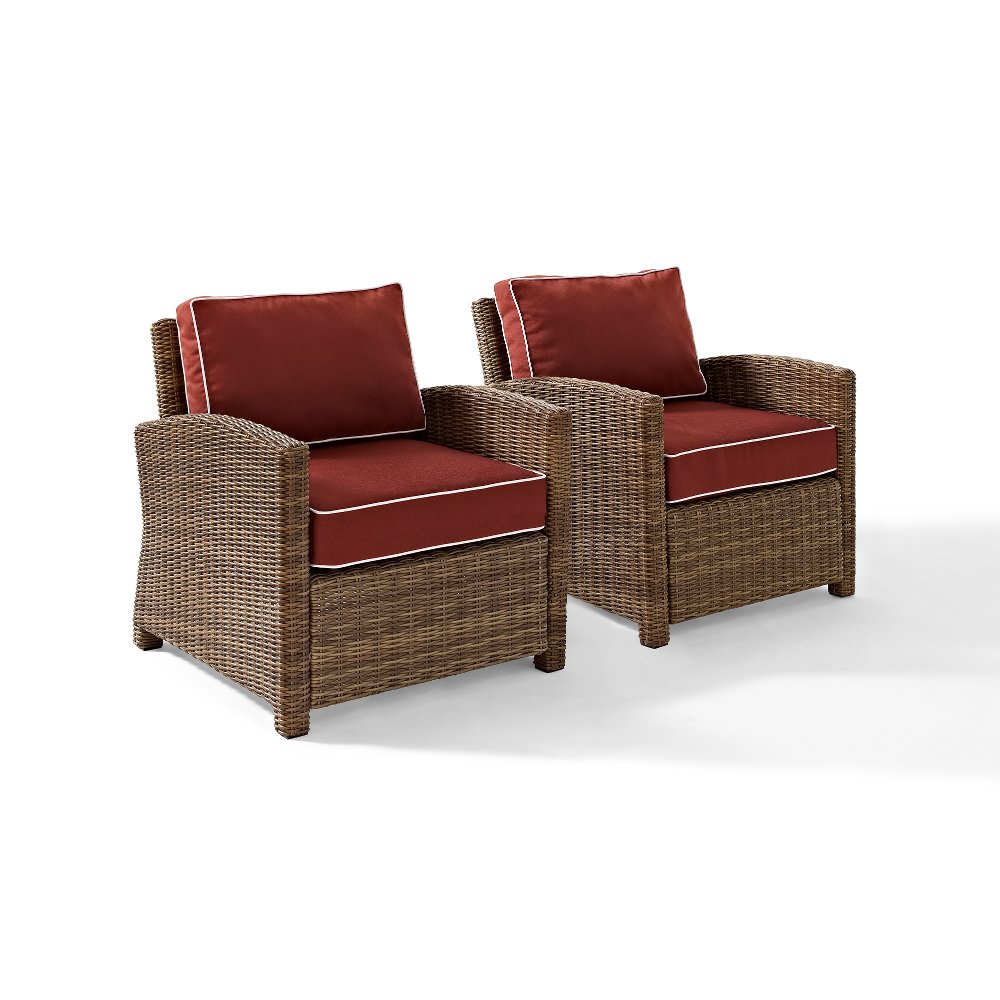
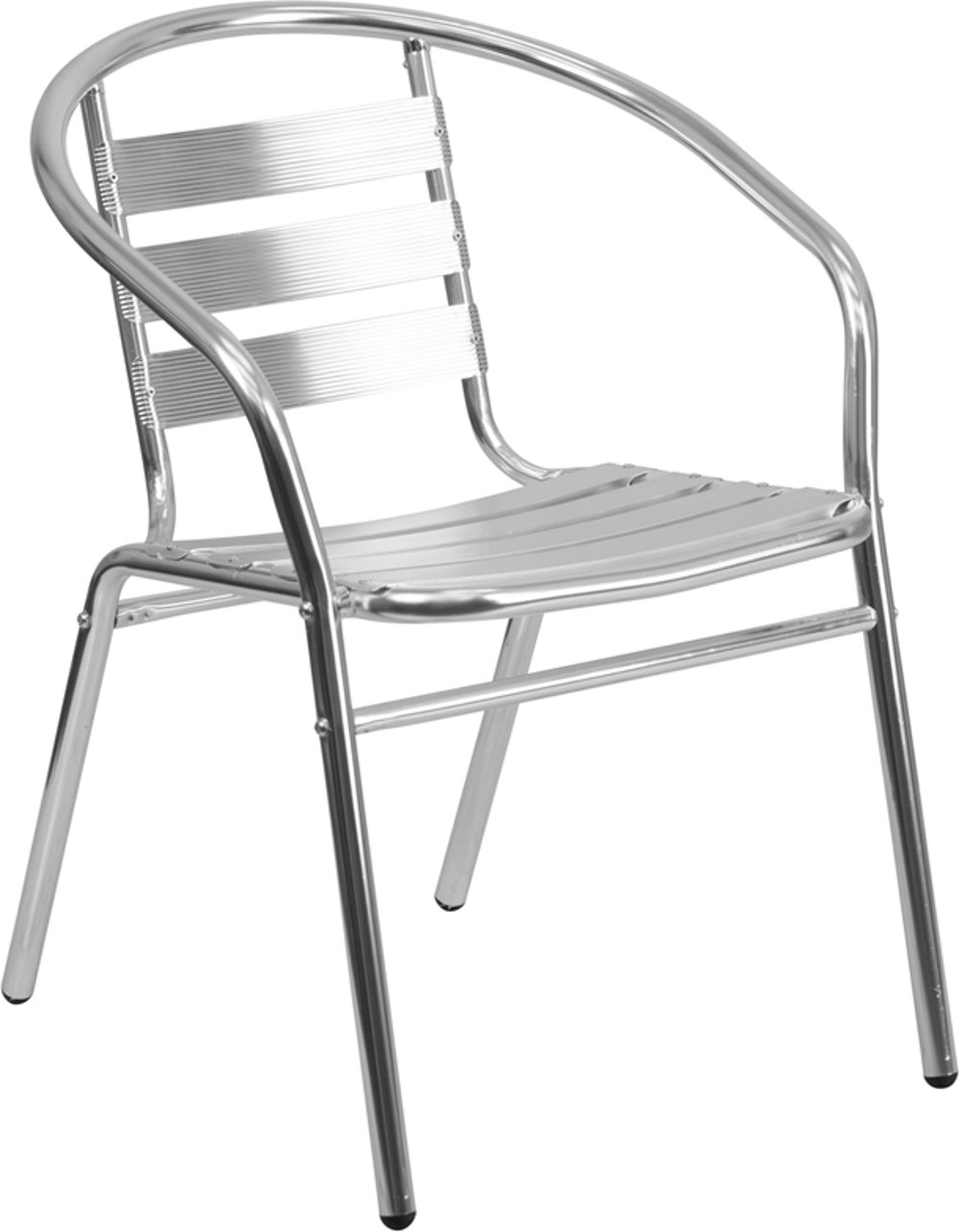
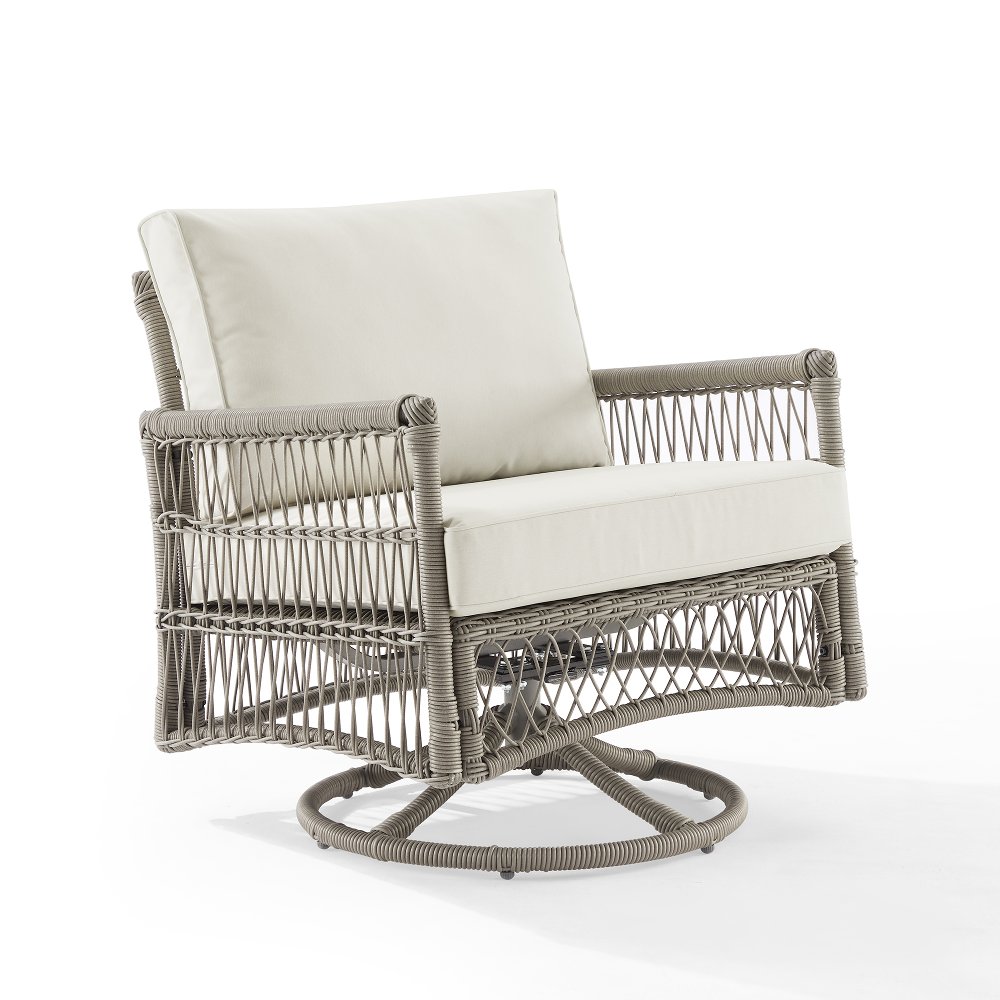
Woven outdoor chairs are patio seating made with interlaced materials such as synthetic resin wicker, outdoor rope, or natural rattan, usually supported by a wood or metal frame. Their textured surfaces bring a relaxed feel to balconies, porches, decks, and garden seating areas, while open weaves can allow air to circulate around the seat and back. The material matters as much as the look. Wicker describes a weaving technique rather than one particular material, so a wicker chair may be made from natural fibers or manufactured strands designed for outdoor use. Synthetic resin wicker, often made with polyethylene, offers the familiar appearance of woven wicker with materials better suited to moisture and outdoor exposure. UV-resistant formulations can help limit fading and brittleness, though performance varies by construction and exposure. Natural rattan has a warm, organic appearance but generally needs a dry, sheltered setting and protection from rain and prolonged dampness. Outdoor rope creates a different effect, with wrapped arms, vertical strands, or patterned backs that can feel airy and contemporary. Its resistance to stretching, sunlight, and moisture depends on the fiber and how it’s constructed. Beneath the weave, aluminum frames are relatively lightweight and resist rust, while steel frames can offer a substantial feel but need an intact protective finish to help prevent corrosion. Wood frames add natural character and may require periodic maintenance appropriate to the species and finish. These differences help explain why two chairs with similar silhouettes can suit very different settings. A chair tucked beneath a covered porch has different care needs than one beside an uncovered pool deck. For a cohesive space, the weave can echo other textures nearby: a warm brown finish beside wood decking, pale rope against light stone, or a darker woven frame paired with simple metal accents. The result can feel inviting without making every piece match exactly.
Comfort and fit turn woven patio chairs from decorative accents into seats that get used. An upright chair with a supportive back works well for outdoor meals, conversation around a small table, or a quiet spot to enjoy coffee. A deeper lounge chair encourages a more reclined position and usually needs more floor space, especially when paired with an ottoman. Seat height, usable seat width, back angle, and arm placement all affect how a chair feels over time. Thick cushions can raise the seated position, while a soft seat cushion may compress noticeably under weight. For dining, the relationship between the chair and table is especially important: arms need clearance beneath the tabletop or apron if the chairs will tuck in, and the seat should leave comfortable room for your legs. A compact balcony may benefit from a narrower profile and an open woven back that keeps the view feeling less crowded. On a larger patio, generously scaled seating can make a conversation area feel comfortable rather than scattered. Leave enough clearance to pull chairs away from a table and walk behind occupied seats without squeezing past planters or a railing. For a defined place to rest your elbows, outdoor wicker armchairs offer the familiar look of woven seating with the added support of arms. Rounded edges, a stable base, and a seat height that suits the person using the chair can make everyday sitting and standing more comfortable. Weight capacity and intended use should come from the manufacturer’s specifications, not the chair’s appearance. For households that move chairs frequently between a dining table and a conversation area, manageable weight matters, too. Families, frequent hosts, and anyone furnishing a small outdoor retreat can benefit from choosing seating around the way the space actually gets used, whether that means long meals, reading, or catching up with a friend.
Care and durability depend on the entire chair, including its weave, frame, fasteners, cushions, and exposure to the elements. A tightly finished weave with secure ends and consistent tension helps create a comfortable surface, while smooth frame joints and protected hardware contribute to everyday usability. Even materials designed for outdoor use benefit from routine attention. Dust, pollen, and crumbs can settle between woven strands, so a soft brush or vacuum attachment can help remove loose debris before it becomes harder to clean. Many synthetic wicker and outdoor rope surfaces can be cleaned with mild soap, water, and a soft cloth, but the manufacturer’s directions should determine the method. Harsh chemicals, abrasive brushes, and pressure washing may damage fibers, finishes, or connections. After cleaning, allow the chair to dry thoroughly, including areas where the weave wraps around the frame. Cushion care deserves equal attention. Water-resistant fabric can shed light splashes without making the cushion waterproof, and moisture may still reach the filling through seams or prolonged exposure. Removable covers aren’t automatically machine washable; their care labels provide the right instructions. Standing cushions on edge when recommended, storing them dry, and keeping leaves from collecting underneath can help reduce lingering dampness. Breathable furniture covers offer useful protection when chairs aren’t being used, provided the furniture is dry before covering and air can circulate. In places with snow or freezing temperatures, dry storage or the protection specified by the manufacturer can help preserve the materials. Near a pool or salt air, suitable care may include rinsing away residue according to the chair’s instructions. Periodic checks for loose hardware, worn strands, or damaged frame finishes help catch small concerns before they affect comfort or stability. With materials matched to the setting and care suited to their construction, woven outdoor chairs can provide a comfortable place to settle in while adding texture, shape, and character to the space around them.
Read More