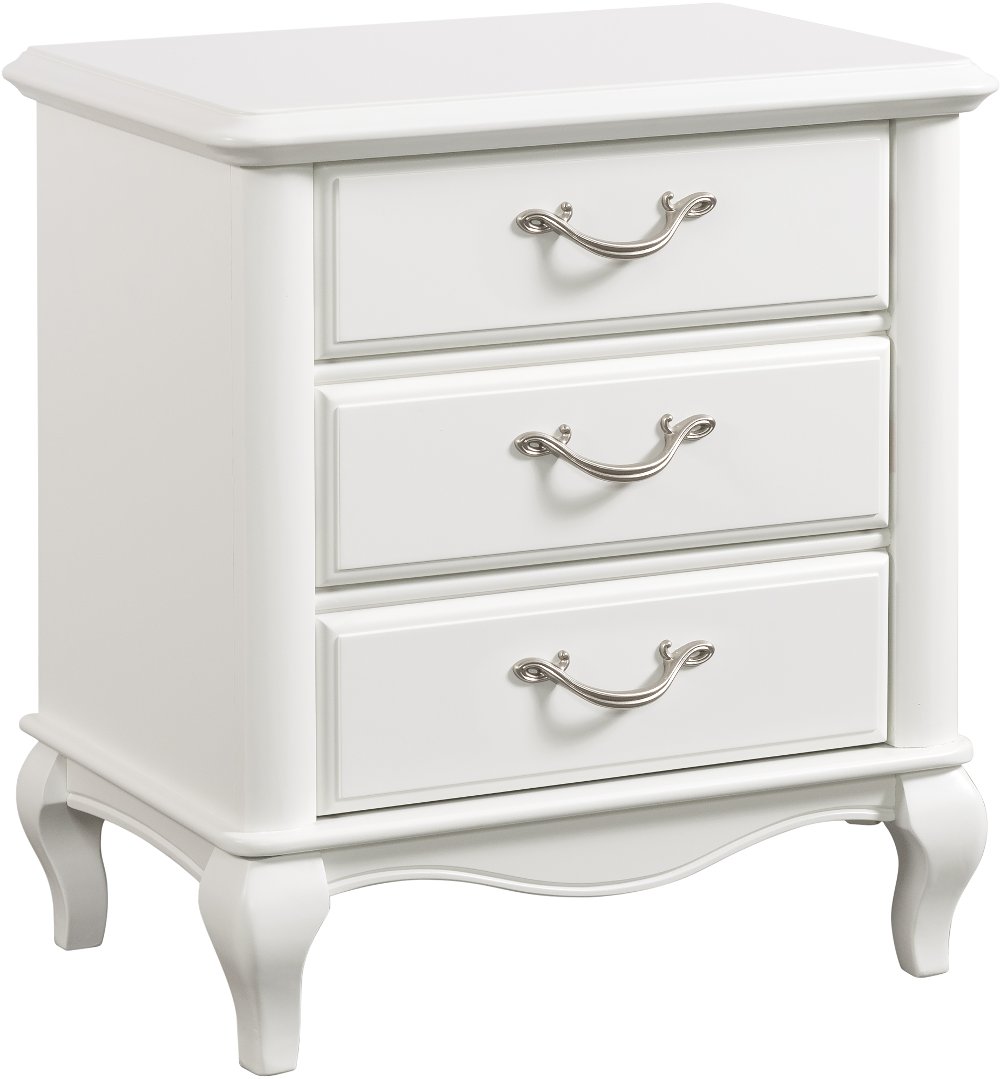
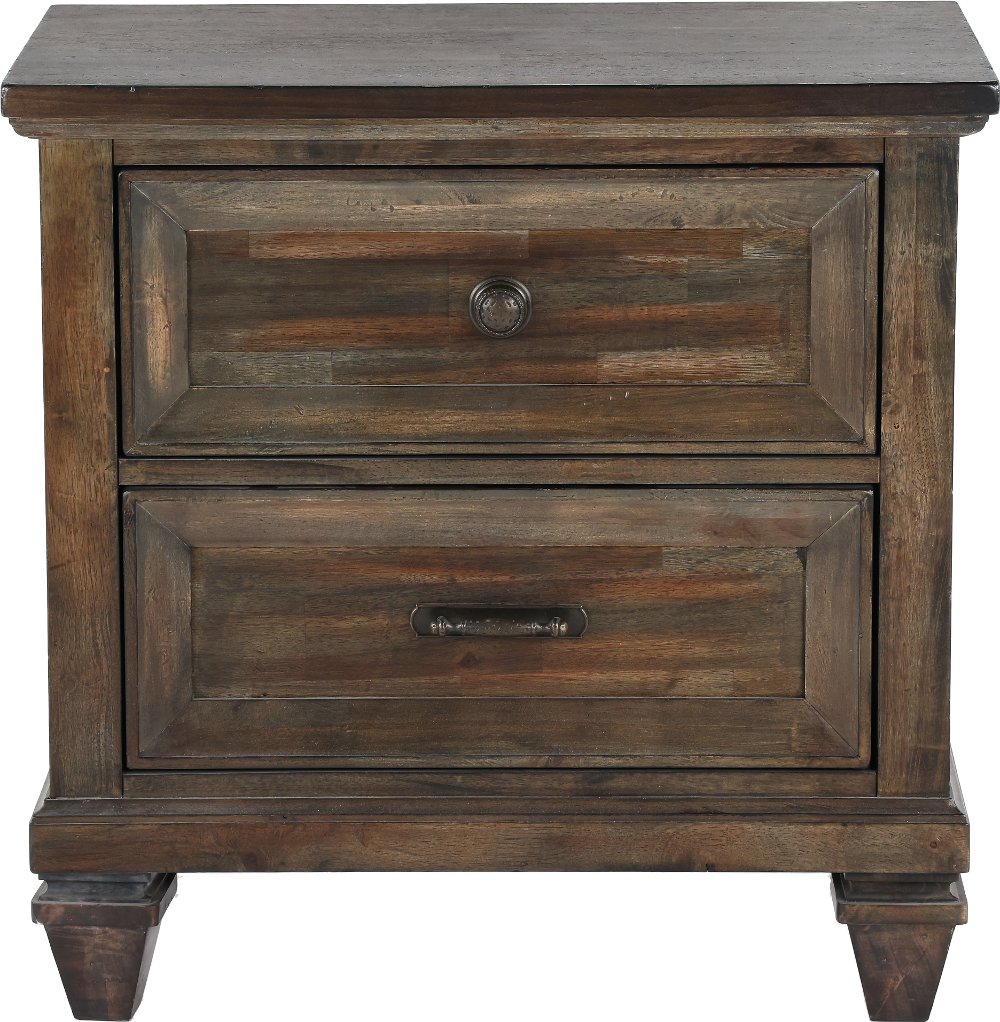
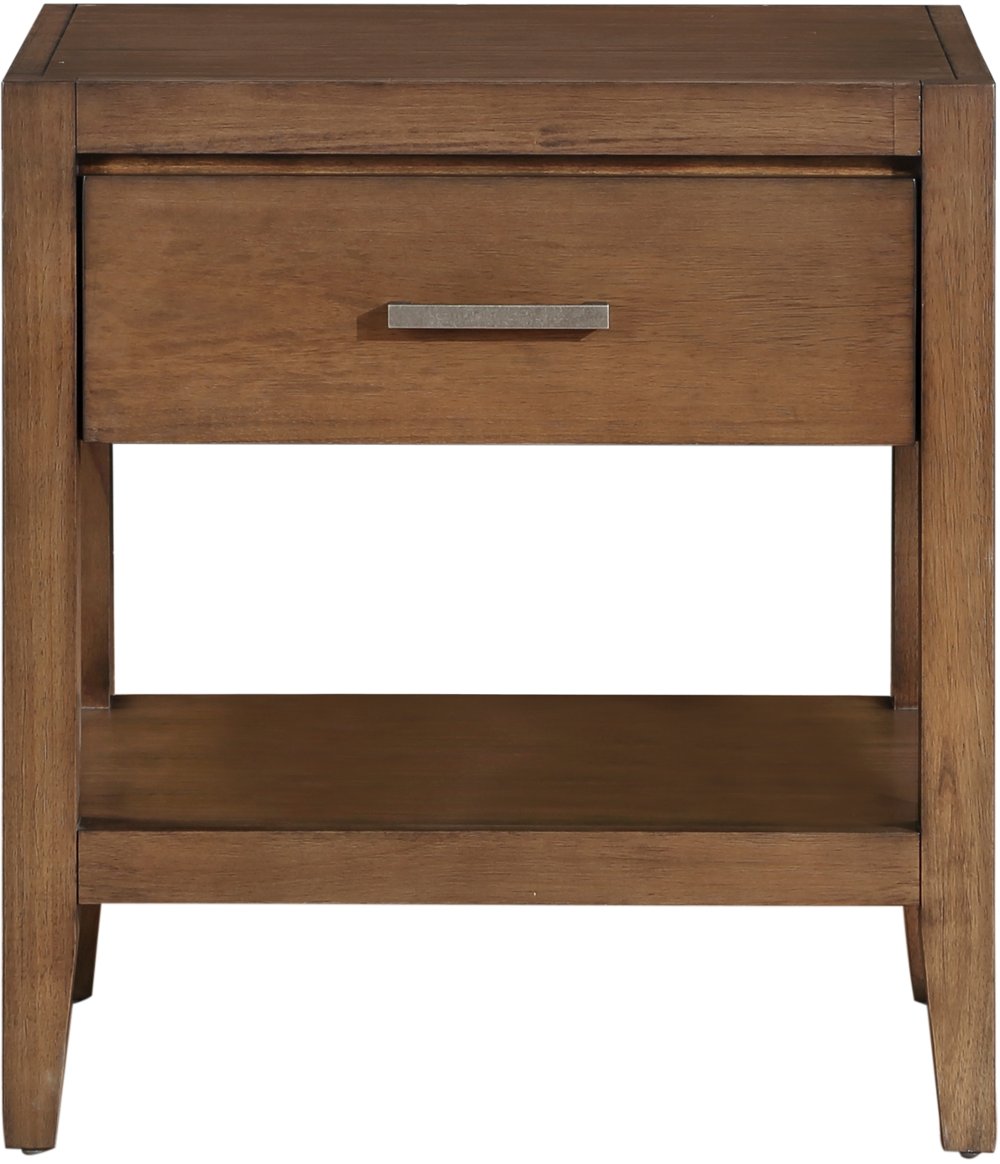
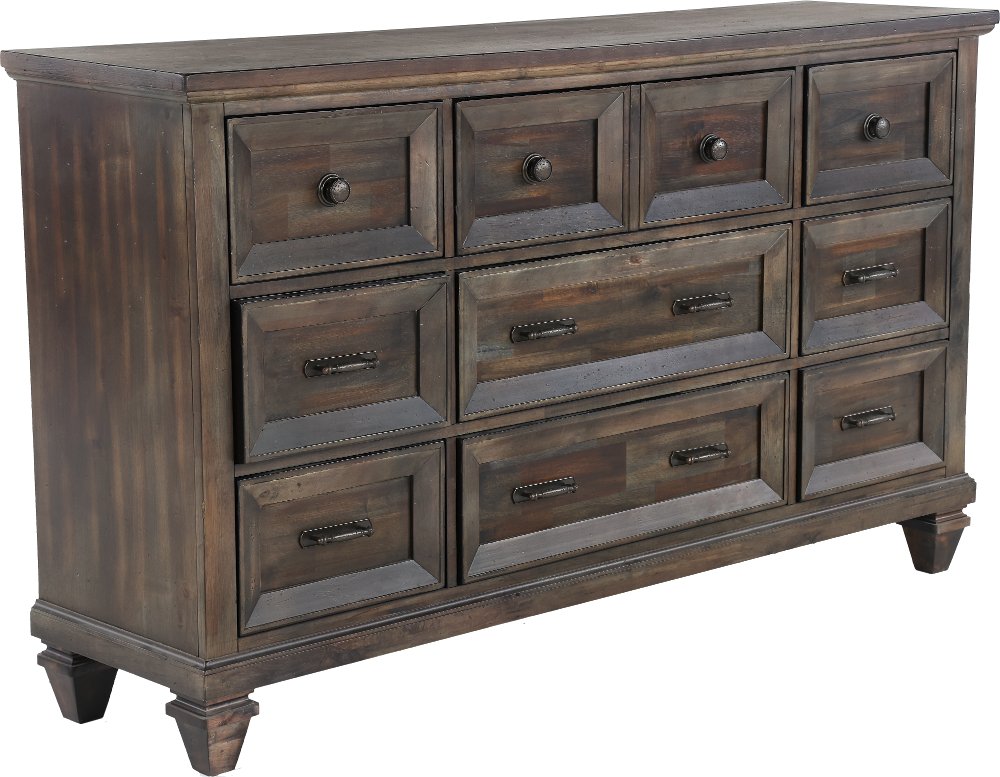
A place for your lamp, a drawer for the little things, and room to keep the rest out of sight: 3 drawer nightstands bring useful storage right where your day begins and ends. Their stacked drawers make it easier to give everyday essentials a home without crowding the bedside surface. Reading glasses, lip balm, and a charging cable can stay close in the top drawer, while a journal, spare pillowcase, or nighttime skin care supplies fit below, depending on the drawer dimensions. That separation is especially helpful when your bedroom needs to feel restful but still work hard. Instead of balancing a book on a pile of odds and ends, you can leave room for a reading light, a glass of water on a coaster, and one personal touch. Among nightstands with drawers, three-drawer designs offer a practical middle ground between a small bedside table with minimal storage and a larger chest that takes up more floor space. They suit primary bedrooms, guest rooms, and bedrooms shared by siblings, with enclosed storage that helps each sleeper keep personal belongings separate. In a guest room, an empty drawer gives visitors somewhere to put their glasses case or reading material instead of living entirely out of a suitcase. For someone furnishing a first apartment, a piece with three drawers can handle bedside storage while easing the demand on a small dresser. The drawer count tells only part of the story, though. Three shallow drawers organize small accessories differently from a configuration with a slim upper drawer and two deeper drawers. Interior measurements matter more than the appearance of the drawer fronts when you're deciding what will fit. A well-chosen nightstand supports your routine quietly, keeping useful things within reach and leaving the bedroom feeling more settled.
The best fit depends on the bed, the room, and how you move through both. A nightstand's top is generally easiest to reach when it sits close to the height of your mattress, so the height of your bed frame and mattress together matters more than the frame alone. A tall upholstered bed may call for a different bedside height than a low platform bed. Width and depth deserve just as much attention: a generous top can accommodate a lamp with a substantial base, while a shallower profile may preserve the walkway beside a bed in a compact room. Leave room for drawers to open comfortably without hitting the bed frame, bedding, or a nearby closet door. Handles and knobs can project beyond the cabinet, so those small details count when space is tight. If an outlet sits behind the nightstand, consider how the back of the piece and the placement of your plugs will affect its distance from the wall. Designs with built-in charging features can simplify a bedside setup, but cord access, electrical requirements, and the features described for the piece still need a close look. Storage should feel convenient when you're sitting on the bed, not just when you're standing in a showroom. Drawer pulls that are comfortable to grasp and drawers that move smoothly can make a noticeable difference in daily use. In a shared bedroom, matching nightstands create a balanced look, but equal storage needs aren't a requirement. One sleeper may need space for several books while the other prefers a smaller footprint. Pieces with similar heights or a common finish can create a coordinated look even when their dimensions differ. For a child's bedroom, consider age-appropriate proportions, follow the manufacturer's anchoring instructions, and keep cords and anything unsafe out of reach. A drawer isn't childproof simply because it closes.
Materials, construction, and finish shape how a three-drawer nightstand looks and how it holds up to everyday use. Solid wood brings natural grain variation and can develop character over time, while wood veneer offers the appearance of real wood over a supporting core. Engineered wood construction can provide a consistent surface for painted finishes, laminates, or veneers; its performance depends on the quality of the materials, construction, and protective finish. No single material name tells the whole durability story. Sturdy drawer boxes, secure hardware, and smooth, well-supported drawer movement all contribute to a piece that feels dependable each time you reach for a pair of glasses. Drawer extension also affects access: deeper drawers are easier to organize when you can comfortably reach the contents at the back. Follow the stated weight limits, especially if a lower drawer will hold books or other dense belongings. The outside details help connect this hardworking storage to the rest of your bedroom. Warm wood tones and visible grain can soften a room with simple bedding, while painted finishes offer a quieter backdrop or a distinct accent. Clean drawer fronts and streamlined pulls pair naturally with contemporary furniture; framed fronts, turned details, and traditional hardware bring a more classic feel. You don't need every finish in the room to match exactly. Repeating a wood undertone, metal finish, or similar shape can help the bed, dresser, and nightstands feel related without making the space look overly coordinated. Everyday care helps preserve that appearance. A soft cloth removes routine dust, coasters protect the top from drink rings, and prompt attention to spills helps limit moisture exposure. Use cleaning products approved for the finish, and avoid placing hot styling tools directly on the surface. Lined trays or small organizers can keep loose accessories from sliding around inside drawers. With proportions that suit your bed, storage that suits your belongings, and a finish you enjoy living with, a three-drawer nightstand becomes a dependable part of a comfortable bedroom.
Read More