Results for: Stainless Steel Freezers




#myrcwilleyhome
See how real customers are transforming their spaces with RC Willey. Get inspired, share your style, and create a space that's Your Home. Your Way.
Explore NowStainless Steel Freezers — Real Extra Storage That Looks the Part
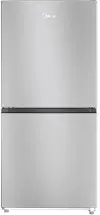
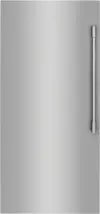
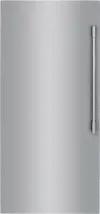
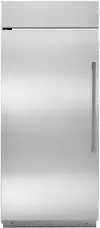
Running out of freezer space is one of those problems that sneaks up gradually until one day there's simply nowhere left to put a bulk meat order or a season's worth of garden vegetables. A dedicated stainless steel freezer solves that, and the stainless finish means it doesn't have to live hidden away in a garage to look like it belongs. Whether it's standing in a kitchen, a finished basement, or a mudroom, a stainless freezer holds up to daily use while still looking intentional.
RC Willey carries stainless steel freezers in both upright and chest configurations, built for households that buy in bulk, hunt or fish, garden heavily, or simply need more reliable cold storage than a standard refrigerator freezer provides.
Why a Dedicated Freezer Is Worth the Investment
A standalone freezer solves a handful of genuine, common household problems.
- Real bulk storage capacity: A dedicated freezer holds far more than the freezer compartment of a standard refrigerator, making bulk buying and meal prepping genuinely practical
- Better protection during power outages: A full chest freezer can keep food safely frozen for up to four days during a power outage, and about two days when half full, considerably longer than a refrigerator's built-in freezer
- Smart for hunters, gardeners, and bulk shoppers: Anyone storing whole cuts of meat, garden harvests, or warehouse-club purchases benefits from the uninterrupted space a dedicated freezer provides
- A stainless finish that fits more spaces: Unlike older, purely utilitarian freezer designs, stainless steel models look at home in a kitchen or finished space, not just a garage
- Long-term savings on grocery costs: Buying meat and staples in bulk when prices are good, and having the space to store it, can meaningfully reduce overall grocery spending over time
Upright or Chest — Which Stainless Freezer Fits Your Home?
This is the central decision for nearly every freezer shopper, and the right answer depends on what you're storing and how much floor space you actually have.
Upright freezers stand vertically and open from the front, much like a refrigerator, with built-in shelves and door bins that make organizing and finding items dramatically easier. They take up meaningfully less floor space than a chest freezer of similar capacity, roughly 2.5 square feet for 22 cubic feet of storage compared to a chest freezer's typical 2-by-6-foot footprint, which makes them a strong fit for kitchens or smaller utility rooms. The tradeoff is energy use and storage efficiency: uprights generally run 10 to 15 percent less energy-efficient than a comparable chest model, and they hold slightly less usable space per cubic foot since the design includes shelving rather than one open cavity.
Chest freezers open from the top and trade convenience for genuine performance advantages. Because cold air is denser than warm air, it sinks and stays settled inside the box when the lid opens, rather than spilling out the way it does every time an upright's door swings open. That means chest freezers run quieter, hold temperature more consistently, use less energy, and typically last about five years longer than upright models. They also offer around 20 percent more usable storage per cubic foot, since there's no shelving system eating into the interior space. The tradeoff is footprint and organization: chest freezers need considerably more floor space, and finding something at the bottom of a deep, top-loading freezer takes more effort than scanning labeled shelves.
| Feature | Upright Freezer | Chest Freezer |
|---|---|---|
| Floor Space | Smaller footprint, vertical | Larger footprint, horizontal |
| Organization | Shelves and door bins, easy to access | Open cavity, top-loading |
| Power Outage Performance | Shorter hold time | Holds cold longer, up to 4 days full |
| Typical Lifespan | Standard | Roughly 5 years longer than uprights |
| Storage Per Cubic Foot | Less, due to shelving | About 20% more |
Is one type genuinely better than the other? Not universally; it comes down to priorities. If organization, easy daily access, and a smaller footprint matter most, an upright is the better fit. If energy efficiency, maximum storage capacity, and longer-term reliability matter more, and floor space isn't a major constraint, a chest freezer wins on nearly every performance metric.
What Size Stainless Freezer Do I Actually Need?
A simple guideline that works for most households: budget roughly 2.5 to 5 cubic feet of freezer capacity per person in the household. A household of one to two people typically does well with a compact model in the 5 to 9 cubic foot range, while a family of four to six benefits from something in the 12 to 18 cubic foot range, and larger households or anyone buying in serious bulk should look toward 18 cubic feet or more.
| Household Size | Suggested Capacity | Typical Use Case |
|---|---|---|
| 1 to 2 People | 5 to 9 cu ft | Overflow storage, occasional bulk buys |
| 3 to 4 People | 9 to 14 cu ft | Regular bulk shopping, meal prepping |
| 5 to 6 People | 14 to 18 cu ft | Large families, frequent bulk purchases |
| Hunters, Bulk Buyers | 18+ cu ft | Whole-animal processing, garden harvests, warehouse club shopping |
Does the type of food I'm storing change the math? Yes, somewhat. Hunters and anyone buying large cuts of meat directly from a butcher generally do better with a chest freezer regardless of household size, since the open cavity accommodates large, irregularly shaped items, like whole turkeys or large roasts, more easily than an upright's shelving system.
Features Worth Comparing
A handful of features genuinely affect day-to-day satisfaction with a freezer purchase.
- Frost-free vs. manual defrost: Frost-free models automatically prevent ice buildup for easier long-term use, while manual-defrost freezers have fewer mechanical components that can eventually fail, which some buyers prefer for long-term reliability
- Interior lighting: Especially useful in chest freezers, where visibility into a deep, top-loading cavity can otherwise be difficult, even more so in a garage or basement setting
- Baskets and dividers: Sliding baskets or removable dividers help organize a chest freezer's open cavity, making it easier to keep similar items grouped and accessible
- Power loss alarm: Alerts you if internal temperature rises due to a power outage or mechanical issue, giving you a chance to act before food spoils
- Garage-ready rating: If the freezer will live somewhere without climate control, confirm it carries a garage-ready rating, since standard freezers aren't built to handle wide outdoor temperature swings
A Few Things to Consider First
A handful of practical details are worth knowing before you bring a stainless freezer home.
- Keep it mostly full for best efficiency: A freezer that's at least two-thirds full retains cold more effectively and runs more efficiently than one that's mostly empty
- Leave clearance space around the unit: Most freezers need 1 to 3 inches of space on all sides for proper air circulation around the compressor
- Measure your delivery path, not just the floor space: Confirm the unit can pass through your doorways and hallways, and check whether it can be safely transported on its side if needed for tight spaces
- Let it stand upright before plugging it in: If the unit was tilted during delivery, giving it a few hours upright before powering on helps protect the compressor
- Stainless finishes need basic care: A soft cloth and mild cleaner keep a stainless freezer looking new, and wiping in the direction of the grain helps avoid visible streaking
Frequently Asked Questions
- Is a chest freezer or upright freezer more energy-efficient? Chest freezers are generally more energy-efficient, since their top-opening design keeps cold air contained inside rather than spilling out the way it does with an upright's front-opening door.
- How long does food stay frozen during a power outage? A full chest freezer can keep food safely frozen for up to four days during a power outage, and about two days if it's only half full.
- What size freezer do I need for a family of four? A household of three to four people typically does well with a freezer in the 9 to 14 cubic foot range, though bulk buyers may want to size up.
- Is a stainless steel freezer harder to maintain than a standard finish? Not significantly. Routine wiping with a soft cloth and mild cleaner, following the direction of the grain, keeps a stainless finish looking clean and new.
- Can a stainless freezer go in a garage? Only if it carries a garage-ready rating, since standard freezers aren't built to handle the temperature swings common in unconditioned spaces.
- Do chest freezers really last longer than upright models? Generally, yes. Chest freezers commonly last around five years longer than comparable upright models, largely due to their simpler mechanical design.
Find Your Perfect Stainless Freezer
Whether you need the easy organization of an upright or the efficiency and capacity of a chest freezer, a stainless finish brings real style to a purchase that's all about function. Explore RC Willey's full stainless steel freezer collection and find the configuration, capacity, and features that fit your household.
Browse RC Willey's complete appliances selection, explore the full freezer collection, or shop the kitchen appliances collection to compare freezers alongside the rest of your kitchen lineup.