Results for: Dining Chairs
#myrcwilleyhome
See how real customers are transforming their spaces with RC Willey. Get inspired, share your style, and create a space that's Your Home. Your Way.
Explore NowDining Chairs: Set the Table for Something Special
The dining room is where family dinners happen, where holidays are celebrated, where kids do homework and friends linger long after the meal is over. It's one of the most lived-in rooms in the house — and the chairs around your table play a bigger role than most people realize. The right dining chairs add comfort, set the style, and make everyone want to pull up a seat and stay awhile.
At RC Willey, we carry a wide selection of dining room chairs in a range of styles, materials, and finishes to match any table and any home. Whether you're replacing a worn-out set, building a fresh dining room from scratch, or just ready for a change, we're here to help you find the right fit.
Start Here: Measurements That Matter
Before you fall in love with a chair, take a few measurements. Getting the sizing right is the most important step — and one that's easy to get wrong.
Chair height vs. table height is the most critical dimension. Most standard dining tables are 28 to 30 inches tall. For a comfortable fit, you want the chair seat to sit about 10 to 12 inches below the tabletop. That puts the ideal seat height right around 18 to 20 inches for standard-height tables. Too high and guests feel cramped. Too low and the table feels like it's at chin level.
Width and spacing matter just as much. Plan for about 24 to 26 inches of eating space per person, plus an extra 6 inches between chairs for elbow room. To figure out how many chairs will fit comfortably along one side of your table, measure the length of that side in inches and divide by 32. That number tells you how many seats fit without crowding.
Armchairs take up more space than armless side chairs. A standard armless dining chair runs about 18 to 22 inches wide. Armchairs typically add 2 to 4 extra inches — so if your space is tight, armless chairs let you seat more people comfortably.
Here's a quick reference for chair height by table type:
| Table Height | Chair Seat Height | Common Use |
|---|---|---|
| 29-30 Inches | 18-20 Inches | Standard dining tables |
| 34-36 Inches | 24-27 Inches | Counter-height tables and kitchen islands |
| 40-42 Inches | 28-33 Inches | Bar-height tables and pub tables |
Types of Dining Room Chairs
Dining chairs fall into a few main categories based on their structure. Here's what's available and when each type makes sense:
Side chairs are armless and the most versatile choice for most dining rooms. They're slim, stack easily around the table, and work well in sets of four, six, or more. Most dining sets lead with side chairs.
Armchairs add comfort and a sense of occasion. Traditionally placed at the head and foot of a rectangular table, they create a natural focal point and give the host or hostess a slightly more elevated seat. They're also more comfortable for long meals since they let you rest your arms and relax.
Host and hostess chairs are a variation of the armchair — often slightly taller, more detailed, or more prominently upholstered. They work beautifully as anchor pieces at each end of the table while side chairs fill in the middle.
Benches are a growing trend that trades individual seating for a relaxed, communal feel. A bench on one or both sides of the table can seat more people in less space, and pairs especially well with farmhouse and casual dining styles.
Popular Dining Chair Styles
The style of your chair does a lot of the heavy lifting when it comes to your dining room's overall feel. Here's a breakdown of the most popular looks:
| Style | Look and Feel | Best Paired With |
|---|---|---|
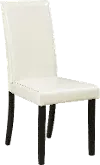
| Parsons | Fully upholstered, clean lines, no exposed legs | Modern, contemporary, transitional dining rooms |
| Windsor | Wood with spindle back and round or arched top | Farmhouse, traditional, cottage styles |
| Ladder Back | Horizontal slats on the back, typically wood | Rustic, farmhouse, Shaker-inspired spsaces |
| Cross Back (X-Back) | X-shaped frame on the back, casual and charming | Farmhouse, French country, casual dining |
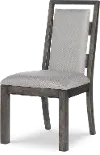
| Upholstered | Cushioned seat and/or back, wide range of fabrics | Any style - extremely versatile |
| Modern/Minimalist | Clean lines, simple shapes, often metal or molded | Contemporary, industrial, mid-century modern |
| Wingback | High upholstered back with "wings" on the sides | Traditional, formal, statement dining rooms |
Don't feel locked into matching a style perfectly. Mixing and matching is very much on-trend right now — a set of upholstered side chairs with armchairs in a contrasting material adds personality and depth that a perfectly matched set sometimes can't.
Dining Chair Materials: What to Know Before You Buy
The material your dining chairs are made from affects how they look, how long they last, and how easy they are to clean. Here's how the most common options compare:
- Wood is the classic choice for good reason. It's durable, versatile, and works with nearly every design style. Solid wood chairs can last decades with basic care. The trade-off is that they don't offer built-in cushioning, so comfort depends on the seat shape and whether you add a pad.
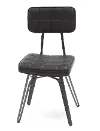
- Metal chairs are lightweight, easy to clean, and naturally suited to modern, industrial, and mid-century modern spaces. They're easy to move and low-maintenance, but can feel less cozy than wood or upholstered options without a cushion.
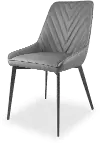
- Upholstered chairs are the most comfortable option, full stop. A padded seat and cushioned back make long dinners genuinely enjoyable. The trade-off is maintenance — fabric can stain, and upholstery typically requires more care over time. Look for performance fabrics or treated materials if spills are a regular concern in your home.
- Faux leather and leather offer the comfort of upholstery with easier cleanup. A quick wipe handles most messes, making them a great pick for families with young kids or frequent entertainers. Genuine leather wears beautifully over time. Faux leather is more affordable but may not hold up as long.
- Rattan and wicker bring a natural, textured look that pairs beautifully with wood tables and casual, coastal, or bohemian-inspired spaces. They're lightweight and airy — good for smaller dining areas where visual weight matters.
Why the Right Dining Chair Is Worth the Investment
- Comfort Keeps People at the Table Longer: If your chairs are uncomfortable, people will start finding reasons to leave. A well-designed dining chair with the right seat depth, back angle, and cushioning turns a quick meal into a real gathering. That's worth paying attention to.
- Chairs Define the Room's Style: Your dining table is the anchor, but your chairs are what set the tone. A sleek modern table with upholstered velvet chairs reads completely differently than the same table with classic wood ladder-backs. The chairs carry the room's personality.
- They Don't Have to Match Your Table: This is one of the most freeing things to know as a shopper. Mixing a wood table with upholstered chairs, or pairing a glass table with rattan seats, is not only acceptable but often intentional and stylish. The one rule: keep seat heights consistent so no one is looking up at their neighbor across the table.
- Quality Pays Off Over Time: Dining chairs take a beating — pushed, pulled, leaned back in, and sat in every single day. A well-built chair with sturdy joinery and quality materials will outlast a cheaper set many times over. When you're buying chairs for everyday use, construction quality matters as much as looks.
Worth Knowing Before You Buy
How do I know if a chair will be comfortable without sitting in it? A few things to look for: a seat width of at least 18 to 20 inches for room to move, a slightly angled backrest rather than a straight vertical one, and some form of cushioning — either built-in upholstery or a padded seat. Armchairs are generally more comfortable for long meals than armless chairs. When possible, try before you buy at your nearest RC Willey showroom.
Can I mix chair styles in my dining room? Absolutely. The most common approach is using matching side chairs paired with a different armchair at each end of the table. You can also mix materials — say, wood frames with upholstered seats — for a curated, layered look. Just keep seat heights consistent for a cohesive feel.
What if my dining room is small? Go armless. Armless side chairs take up significantly less width per seat, letting you fit more people around the table. You can also consider a bench on one side, which seats more people in less footprint than individual chairs. Lighter materials like metal or acrylic keep the space feeling open.
Are upholstered chairs hard to keep clean? They can be, depending on the fabric. Look for chairs with performance fabrics, stain-resistant treatments, or removable cushion covers that can be washed or replaced. Leather and faux leather are especially easy to wipe down. If kids are in the picture regularly, avoid light-colored fabrics or delicate materials like linen in the dining room.
How many dining chairs do I need? Start with the number of people you regularly seat, and plan for one or two extra for guests. A good rule of thumb: buy for the occasions you actually host, not the biggest dinner you might theoretically throw. It's also worth noting whether your table extends, and how many chairs it can accommodate at full size.
Do dining chair arms need to slide under the table? Ideally, yes — chairs that tuck under the table keep the room looking neat and open when not in use. Measure the clearance from the floor to the underside of your table's apron (the frame beneath the tabletop). Most chair arms sit at 24 to 26 inches from the floor, so check that measurement before buying armed chairs.
FAQs
- What is the standard height for a dining chair? Standard dining chair seat height is 18 to 20 inches, which pairs with a standard 28 to 30 inch dining table. Counter-height chairs run 24 to 27 inches, and bar-height chairs are 28 to 33 inches.
- How much space should I leave between dining chairs? Plan for 24 to 26 inches of eating space per person, plus 6 inches between chairs for elbow room and ease of movement. That's about 30 to 32 total inches per seat.
- What is a Parsons chair? A Parsons chair is a fully upholstered dining chair with clean, straight lines and no exposed legs. It's one of the most popular and versatile styles because it suits almost any dining table and works across a wide range of decor styles.
- Should dining chairs match the table? They don't have to. Mixing materials and styles is common and intentional in many well-designed dining rooms. What matters most is that the seat heights are consistent and the overall look feels intentional rather than accidental.
- What chair material is easiest to clean? Leather and faux leather are the easiest to wipe clean. For fabric chairs, look for performance fabrics or stain-resistant treatments. Wood and metal chairs are also low-maintenance and can be wiped down easily.
- What's the difference between a side chair and a host chair? A side chair is armless and typically placed along the sides of a dining table. A host or hostess chair has arms and is usually placed at the head of the table. It's often slightly taller or more detailed than the matching side chairs.
- Can I use dining chairs in other rooms? Yes. Dining chairs work well in home offices, reading nooks, bedrooms, and entryways. Their compact size and solid construction make them versatile beyond the dining room itself.
Find Your Perfect Dining Chair at RC Willey
Great meals deserve great seating. Visit your nearest RC Willey showroom to see our full selection of dining chairs and sets in person — because the right chair is one you want to sit in, not just look at. Our team is ready to help you find the right size, style, and material for your home and your table.