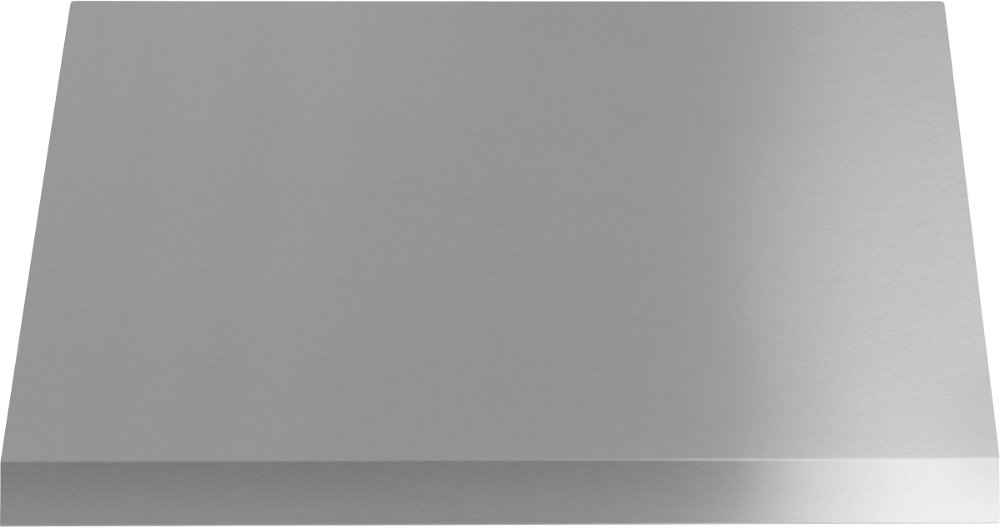
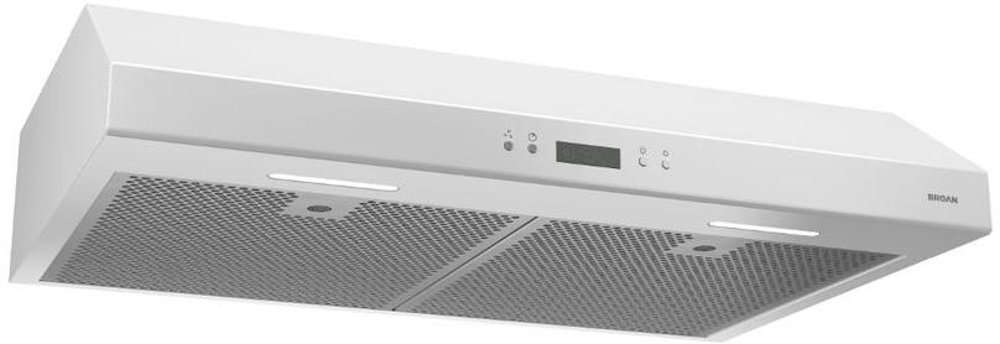
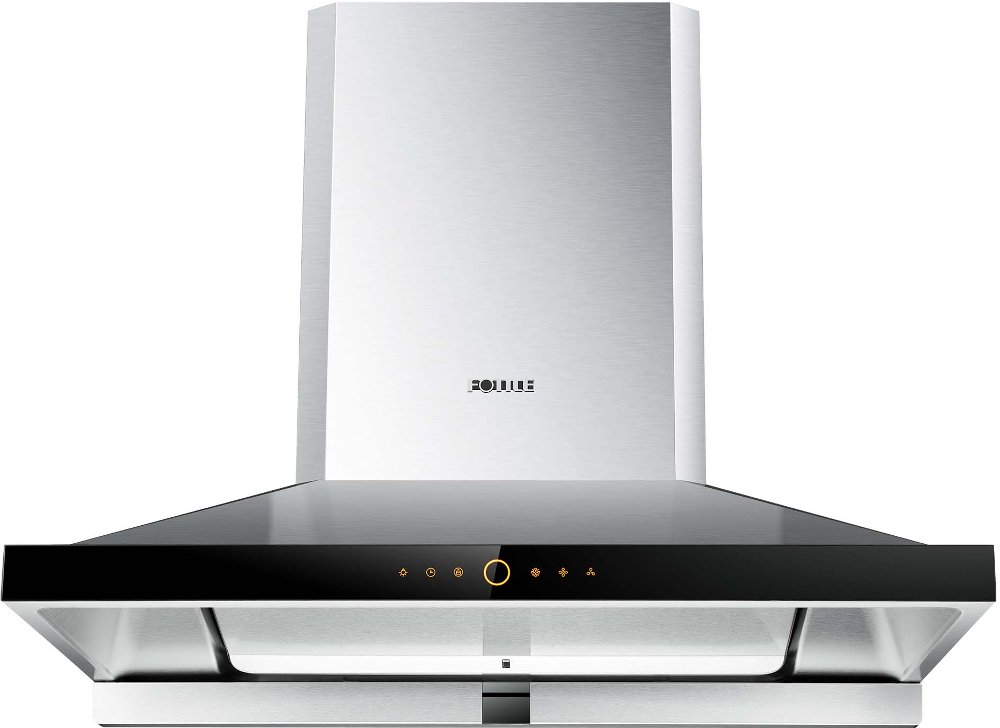
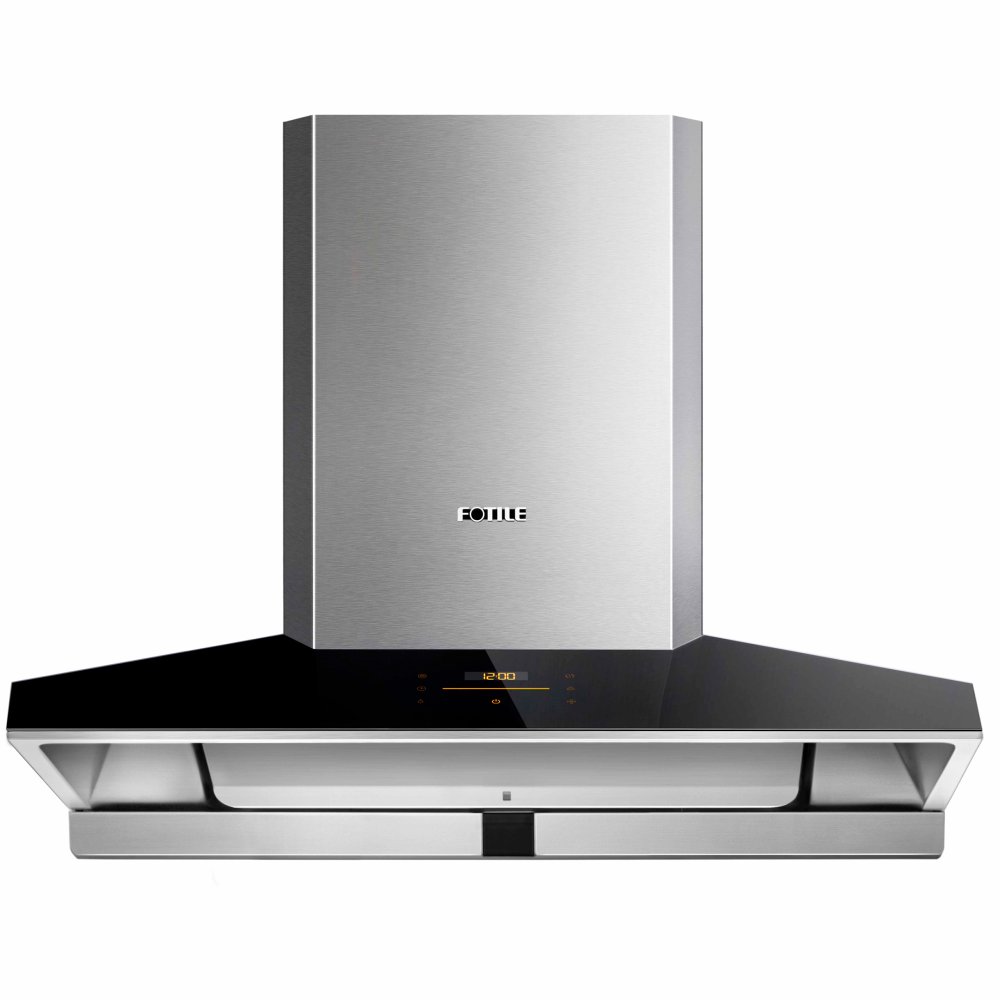
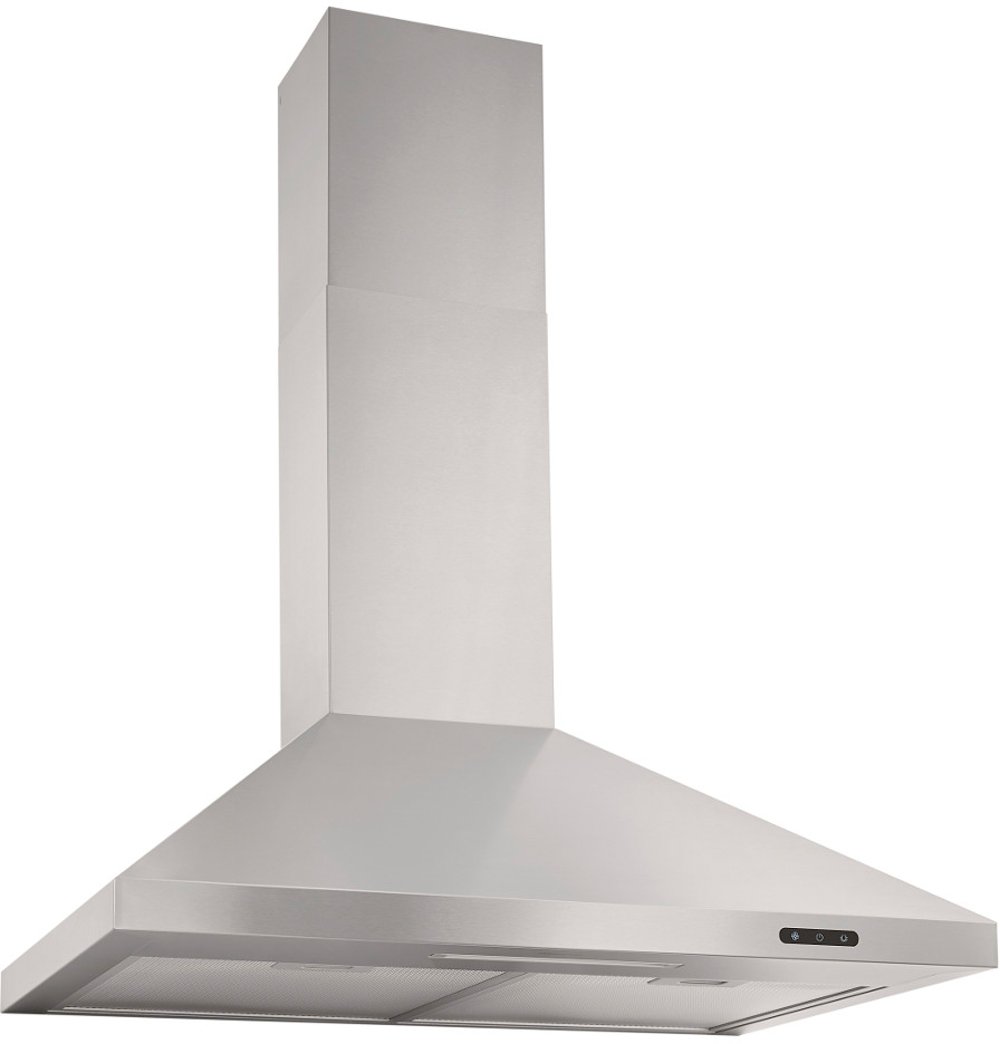
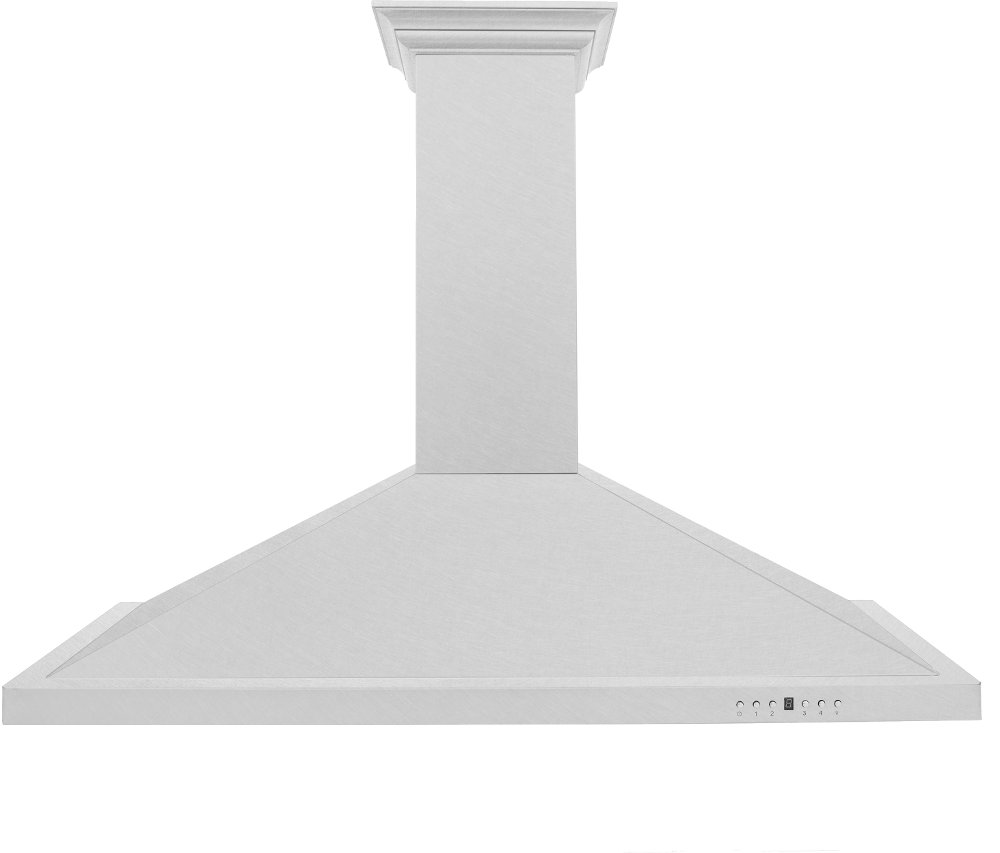
A 400 CFM range hood helps manage cooking smoke, airborne grease, and odors above your range or cooktop, making everyday meal preparation more comfortable. CFM stands for cubic feet per minute, so a hood rated at 400 CFM has a stated airflow capacity of 400 cubic feet of air per minute under its specified test conditions. Actual airflow depends on the installation, ductwork, and selected fan speed. This ventilation level can suit many standard residential electric cooktops and some gas cooking setups, especially for routines built around simmering soup, steaming vegetables, and occasional pan-frying. It isn’t a universal match for every kitchen, though. Cooking appliance output, cooking habits, hood coverage, and the route air takes outdoors matter more than kitchen square footage alone. Someone who boils pasta and sautés vegetables has different ventilation needs than someone who regularly sears steaks in cast iron or cooks over several high-output gas burners at once. A 400 CFM kitchen range hood fits best when its capacity aligns with both the appliance manufacturer’s recommendations and the way you actually cook. Physical fit is equally important. The hood should generally be at least as wide as the cooking surface, with enough front-to-back coverage to help capture rising fumes from the burners you use most. A shallow hood over a deep cooktop may leave front-burner steam drifting past its edge, even when the fan is running at full speed. Under-cabinet range hoods tuck beneath upper cabinetry for an integrated appearance, while wall-mount designs create a more visible focal point above a range with no cabinet overhead. Island installations face air movement from more directions and may need broader coverage or greater airflow. Mounting height must follow the hood and cooking appliance installation requirements; placing a hood higher simply to open up the view can reduce capture performance. For a kitchen refresh or a planned remodel, these details help a 400 CFM range hood feel like a natural part of the room rather than an appliance fitted around compromises.
The way a 400 CFM range hood moves air makes a meaningful difference in daily use. A ducted range hood carries captured cooking exhaust outside, helping remove odors, moisture, and airborne contaminants from the kitchen. That outdoor exhaust is especially useful when a pot releases clouds of steam or a skillet sends smoke upward during browning. A recirculating, or ductless, range hood pulls air through grease filters and odor-reducing filters before returning it to the room. Recirculation can be an option where exterior ducting isn’t feasible, but it doesn’t remove cooking moisture or combustion gases from the home and isn’t equivalent to outdoor exhaust. Convertible designs require the correct configuration and any manufacturer-specified components for the intended installation. For ducted setups, smooth, rigid ductwork of the specified size, with a short route and as few bends as practical, supports better airflow. An undersized duct or a long run with several elbows adds resistance, which can reduce extraction and increase noise. The existing duct opening therefore deserves as much attention as the space above the stove. Replacement projects are often simpler when the hood’s permitted discharge direction matches the home’s duct route, whether that means venting upward or through the wall behind it. Building requirements also deserve a careful look. Some residential codes include makeup-air provisions for kitchen exhaust systems capable of exceeding 400 CFM, subject to conditions and exceptions, which makes this airflow category relevant to many renovation plans. A 400 CFM rating alone, however, doesn’t guarantee that makeup air is unnecessary or that an installation meets local requirements. Local code, home airtightness, other exhaust equipment, and fuel-burning appliances can affect the requirements and safe operation. A qualified installer can evaluate those factors before installation. Households whose cooking equipment and habits call for substantially stronger ventilation can also compare 900 CFM Range Hoods, with the understanding that greater exhaust capacity may require additional planning for ductwork, replacement air, and noise control.
Materials, controls, and routine care shape how well a range hood serves your kitchen long after installation. Stainless steel is a familiar choice because it pairs easily with many appliance finishes and offers a durable, corrosion-resistant surface with proper care. Painted metal finishes create a different look, whether the goal is a quiet blend with cabinetry or a contrasting accent above the cooking area. Glass accents can make a canopy feel visually lighter, although fingerprints and grease specks may be more noticeable on exposed surfaces. Smooth panels, accessible corners, and removable filters make cleanup less cumbersome after a week of cooking. Metal mesh filters trap airborne grease within layers of screening, while baffle-style filters use shaped channels to help separate grease from passing air. Cleaning methods vary, so dishwasher compatibility shouldn’t be assumed; the manufacturer’s care instructions determine the right approach for each filter and finish. Recirculating configurations also need attention to their odor filters, which often require replacement rather than washing. Keeping up with filter maintenance helps prevent buildup that can restrict airflow, leave lingering smells, and create a fire hazard. For exterior cleaning, a soft cloth and an approved mild cleaner are usually a better starting point than abrasive pads, and wiping stainless steel in the direction of its grain helps preserve its appearance. Everyday convenience matters just as much as finish. Multiple fan speeds let you use gentler ventilation for a covered saucepan and increase extraction when frying onions or draining a steaming pot. Sound ratings are most useful when compared at similar airflow settings, since a quiet low-speed rating doesn’t describe full-speed operation. Integrated lighting helps illuminate the cooking surface, making it easier to watch the color of a sauce or check food in a deep skillet. Starting the fan before cooking and allowing it to run briefly afterward helps capture fumes as they develop and clear residual odors. For busy households, occasional cooks, and people furnishing a first kitchen, a well-matched 400 CFM range hood offers practical ventilation without making the appliance the center of every meal. The strongest fit brings together suitable airflow, useful coverage, straightforward maintenance, and controls that feel easy to use with dinner underway.
Read More