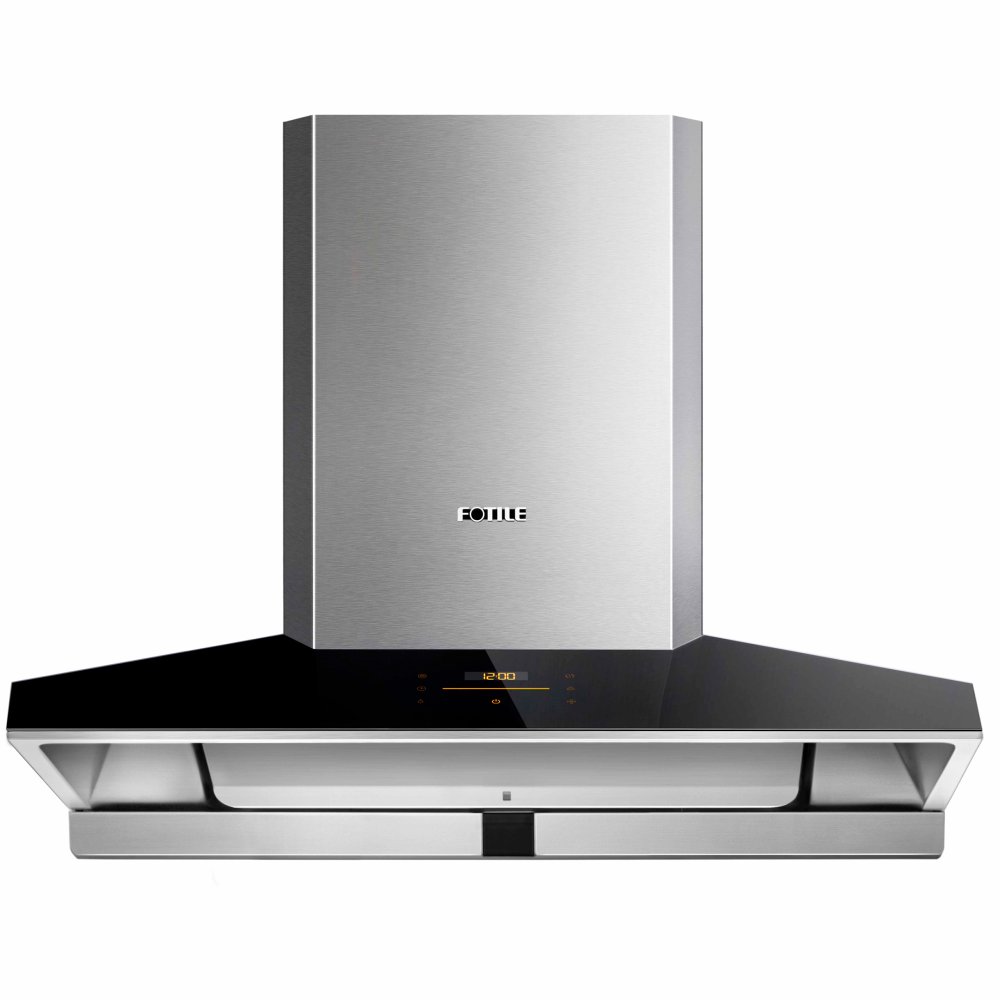
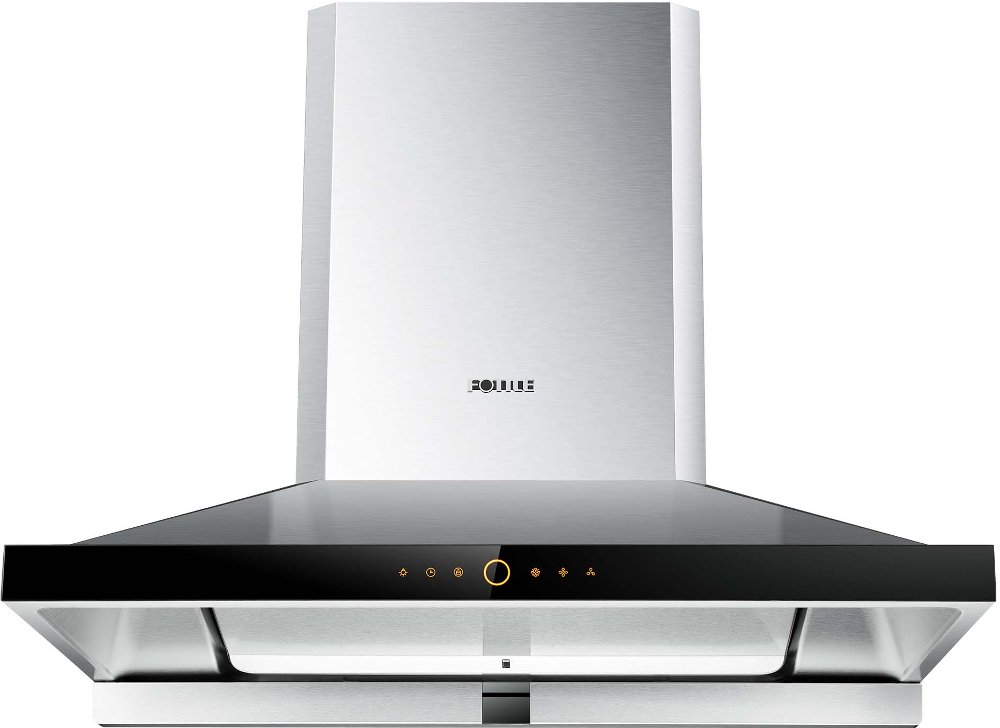
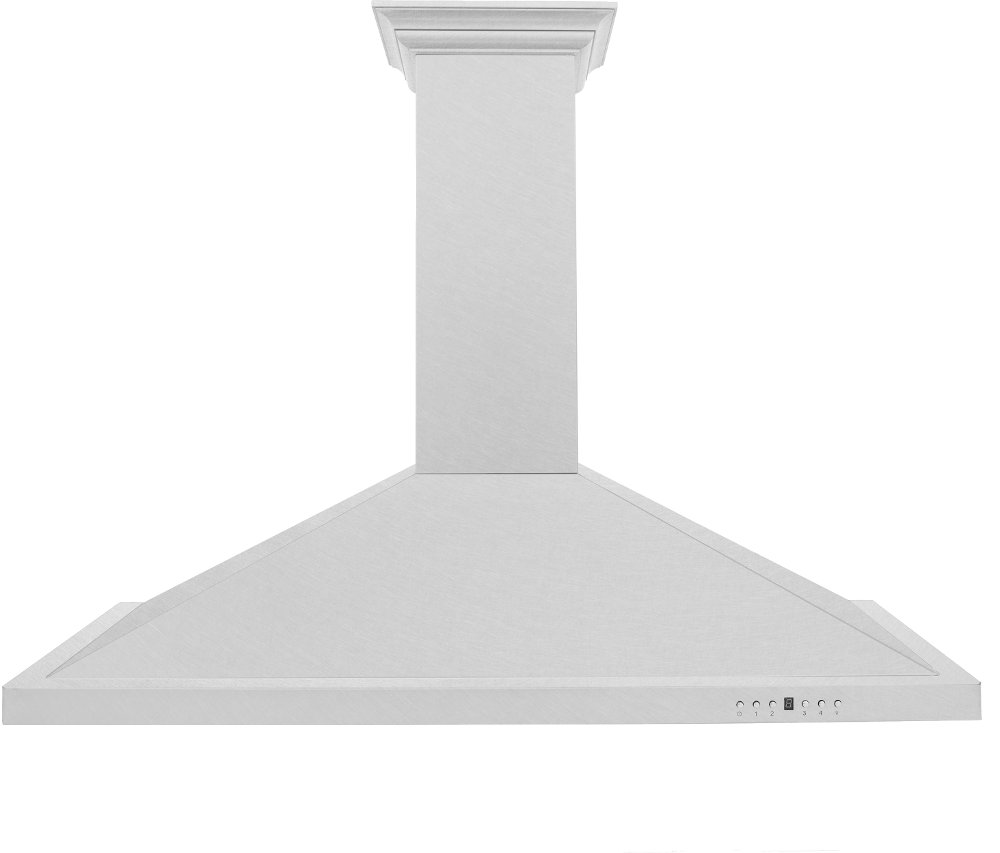
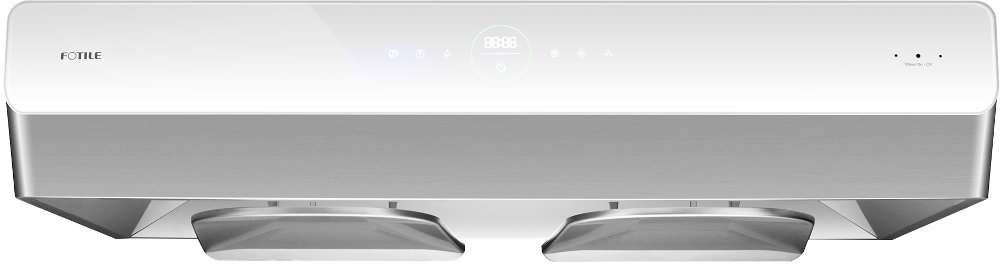
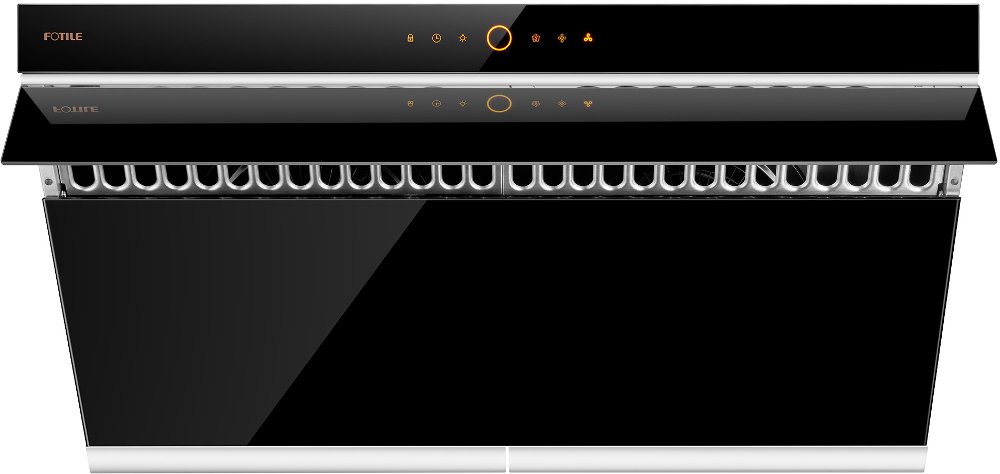
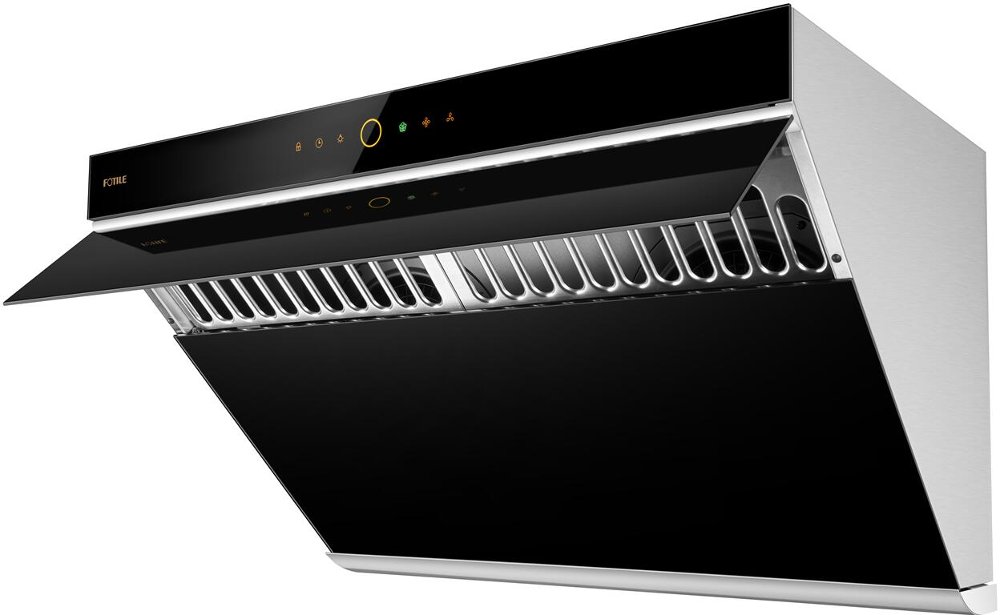
High-performance range hoods help capture smoke, airborne grease, steam, and cooking odors before they spread beyond the cooking area. For a kitchen that sees regular stir-frying, stovetop grilling, or several burners working at once, effective ventilation makes a noticeable difference in everyday comfort. A deep canopy can collect the plume rising from a sizzling skillet, while a properly matched blower moves that air through the ventilation system. Airflow is measured in cubic feet per minute, or CFM, but a higher number alone doesn’t guarantee better results. Hood width, canopy depth, mounting height, duct design, and the type of cooking underneath all affect performance. Some powerful residential range hoods offer airflow ratings of 900 to 1,500 CFM or more, though those capacities aren’t necessary for every kitchen and may bring additional installation requirements. The best fit balances capture, airflow, and sound rather than focusing on maximum power alone. Someone who frequently sears meat or cooks in a wok may need a different setup from someone who mainly simmers sauces and prepares simple breakfasts. Gas and electric cooking both produce airborne particles and odors, and gas appliances also produce combustion pollutants that make ventilation especially important. Ducted range hoods discharge captured air outdoors and are generally the stronger choice for managing heavy cooking smoke, moisture, and odors. Ductless, or recirculating, hoods pass air through grease and odor filters before returning it to the room; they don’t remove moisture or exhaust combustion gases outside. Convertible designs can support either arrangement when equipped and installed as directed, but their suitability depends on the kitchen. In an open floor plan, good capture can help keep the smell of sautéed onions from lingering around nearby seating. In a compact kitchen, it can make time at the stove more comfortable without letting ventilation dominate the room’s appearance. These benefits make high-performance kitchen ventilation useful for enthusiastic home cooks, busy households, and anyone planning a cooking space around regular, hands-on meal preparation.
The shape and installation style of a range hood matter just as much as its motor. Wall-mount range hoods sit above cooking surfaces positioned against a wall, often creating a visible focal point with a chimney-style enclosure. Under-cabinet range hoods fit beneath overhead cabinetry, keeping the layout more compact while providing ventilation directly above the burners. Island range hoods suspend over a cooking surface away from the wall, where crosscurrents and the lack of surrounding cabinetry can make effective coverage especially important. Range hood inserts fit inside compatible custom enclosures, allowing ventilation to blend with a kitchen’s woodwork or architectural details. Across these styles, the hood should meet the cooking appliance’s coverage requirements; a canopy at least as wide as the cooking surface is a common starting point, and some applications call for wider coverage. Depth matters, too, particularly when front burners see frequent use. A shallow hood may leave part of the cooking plume outside its capture area even when the blower has substantial capacity. Mounting clearances must follow both the hood and cooking appliance manufacturers’ requirements, along with applicable local codes. Ceiling height, cabinet dimensions, electrical connections, and the route to an exterior termination all influence what fits. A short, direct run of correctly sized, smooth metal duct generally supports airflow better than a long route with multiple elbows or restrictive transitions. Venting into an attic or another enclosed interior space isn’t a substitute for exhausting outdoors. High-capacity exhaust systems may also require a properly designed makeup air system, depending on local code and the installation, to replace exhausted air and help prevent pressure problems or backdrafting from fuel-burning equipment. Those details deserve attention from a qualified installer before a kitchen layout is finalized. For a replacement project, matching the old hood’s width is only part of the job: the existing ductwork and electrical setup also need to support the new unit’s requirements. A thoughtfully matched installation lets the hood deliver useful performance instead of leaving its airflow potential limited by the space around it.
Materials, controls, and everyday care help determine how well a high-performance range hood fits your routine over time. Stainless steel is a common choice for its durability, heat tolerance, and easy coordination with other kitchen appliances, although surface finish and cleaning habits affect how it looks after regular use. Painted finishes offer another way to complement cabinetry, while glass accents create a lighter visual profile but may show grease droplets and fingerprints more readily. Smooth surfaces, accessible corners, and removable filters make cleanup less of a chore after a meal that leaves the stovetop spattered. Baffle filters use a series of channels to separate grease from passing air and are common in high-output designs. Mesh filters catch grease within layers of material and also need regular cleaning to maintain airflow. Some filters are dishwasher-safe, but the manufacturer’s instructions determine the right cleaning method and detergent. Recirculating installations typically require additional odor-filter maintenance or replacement, since a clean grease filter alone doesn’t control lingering smells. Wiping the exterior with a suitable cleaner and following the grain of stainless steel helps preserve its appearance; abrasive pads and harsh chemicals can damage finishes. Beyond maintenance, variable fan speeds give you more control, with lower settings for lighter cooking and stronger extraction for smoky tasks. Noise deserves close attention because a hood that feels comfortable to use is more likely to run whenever cooking begins. Sound ratings may be listed in sones or decibels, and comparisons are most useful when they reflect similar operating speeds and test conditions. Integrated task lighting helps illuminate the cooking surface, while easy-to-reach controls make adjustments simpler with a pan in hand. Depending on the design, features such as delayed shutoff can keep ventilation running after cooking to clear residual odors. Starting the hood before food hits the pan also helps establish airflow early. For another view of construction and everyday usability, explore High Quality Range Hoods. The most satisfying choice combines dependable ventilation, practical care, and a comfortable fit with the way you actually cook.
Read More