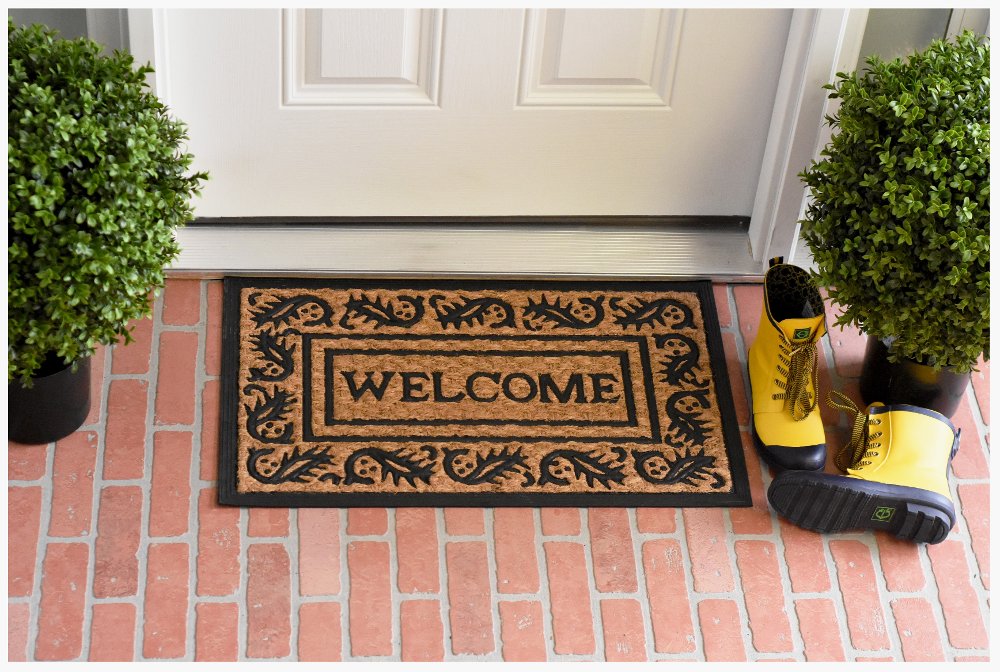
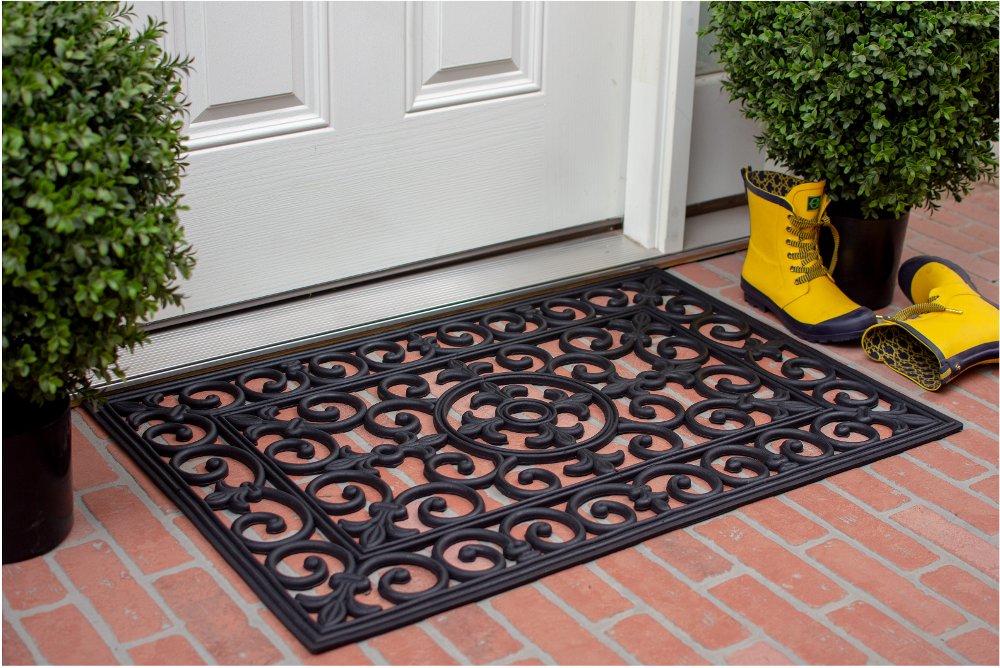
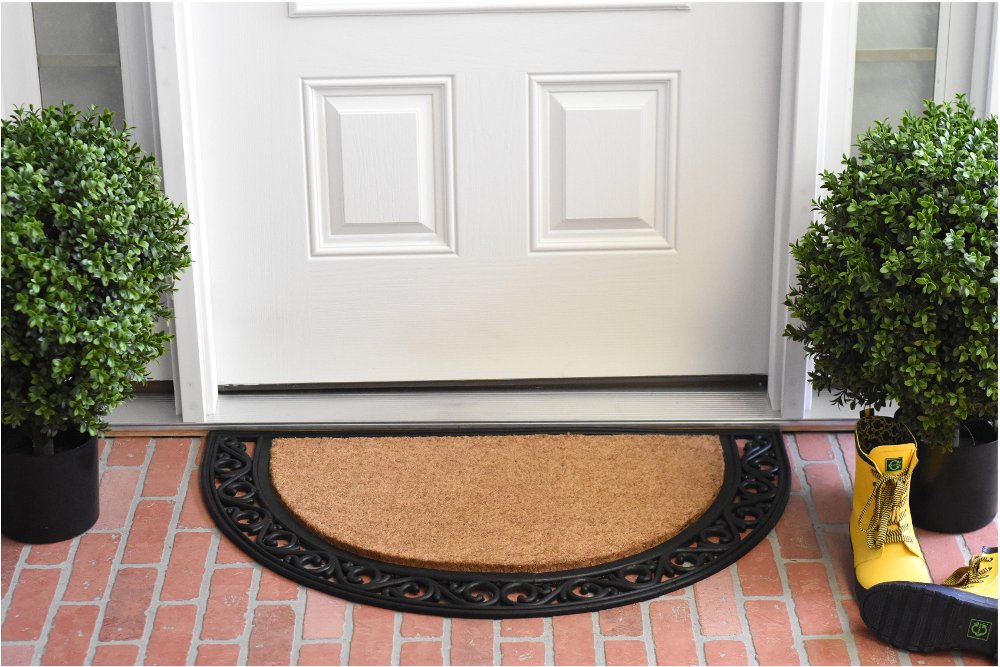
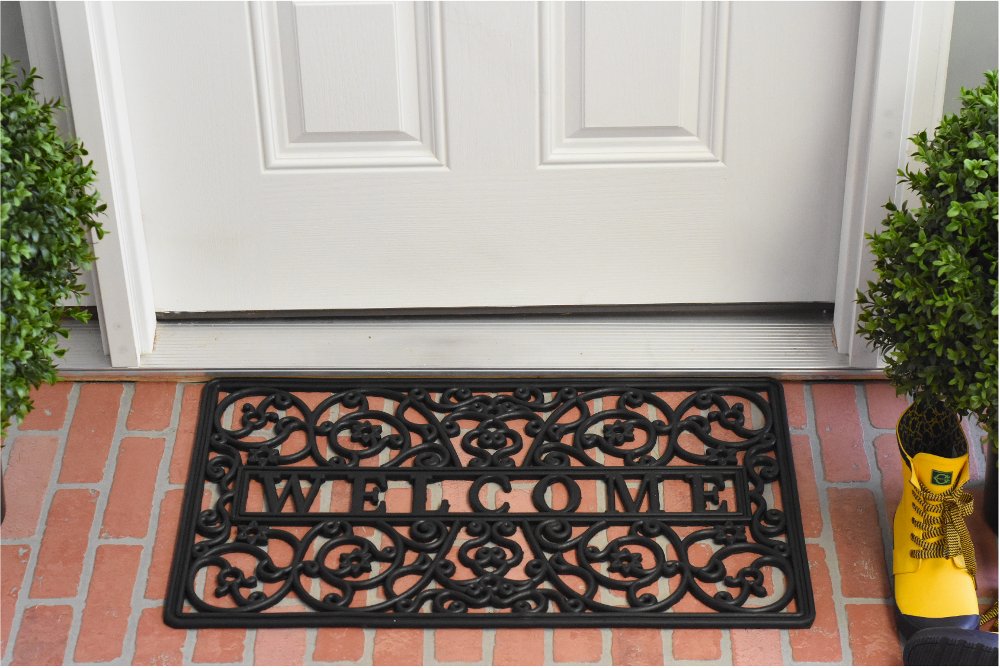
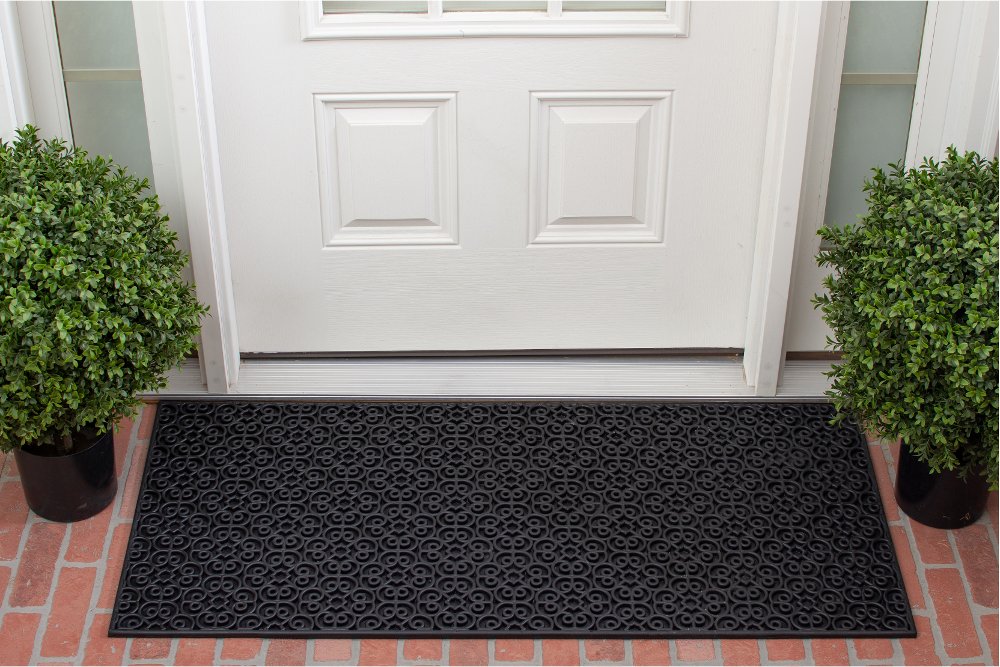
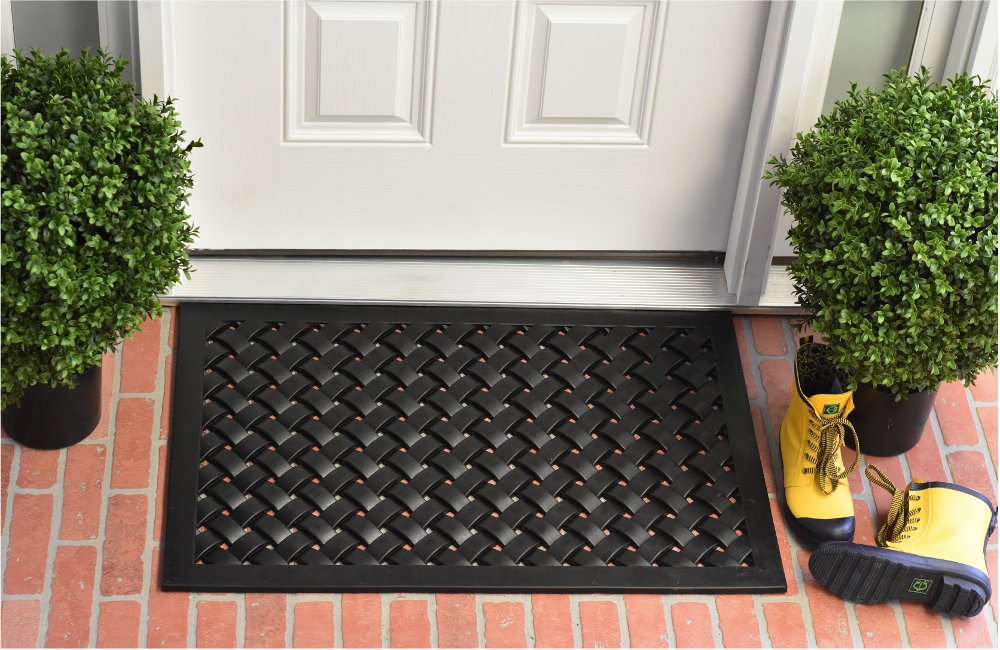
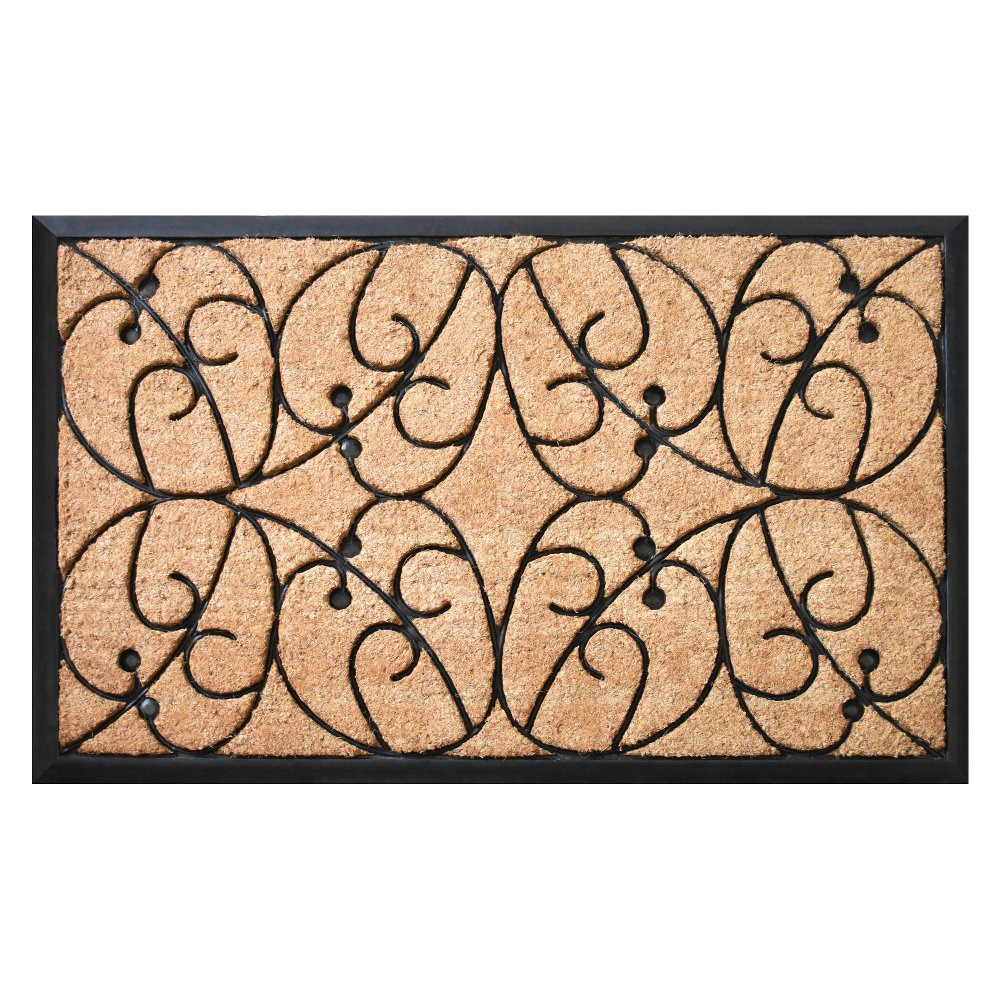
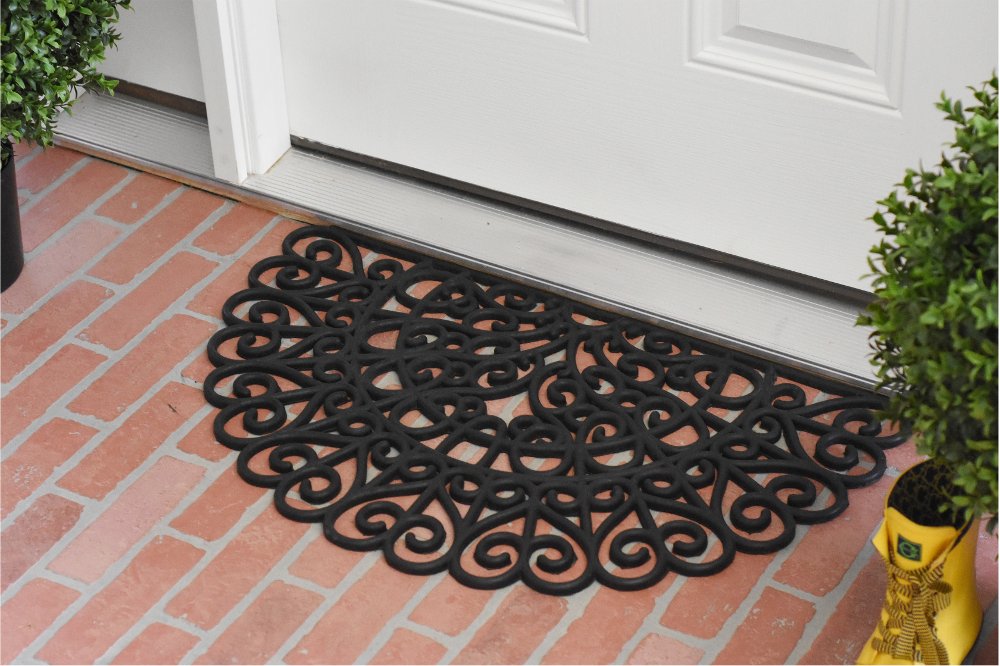
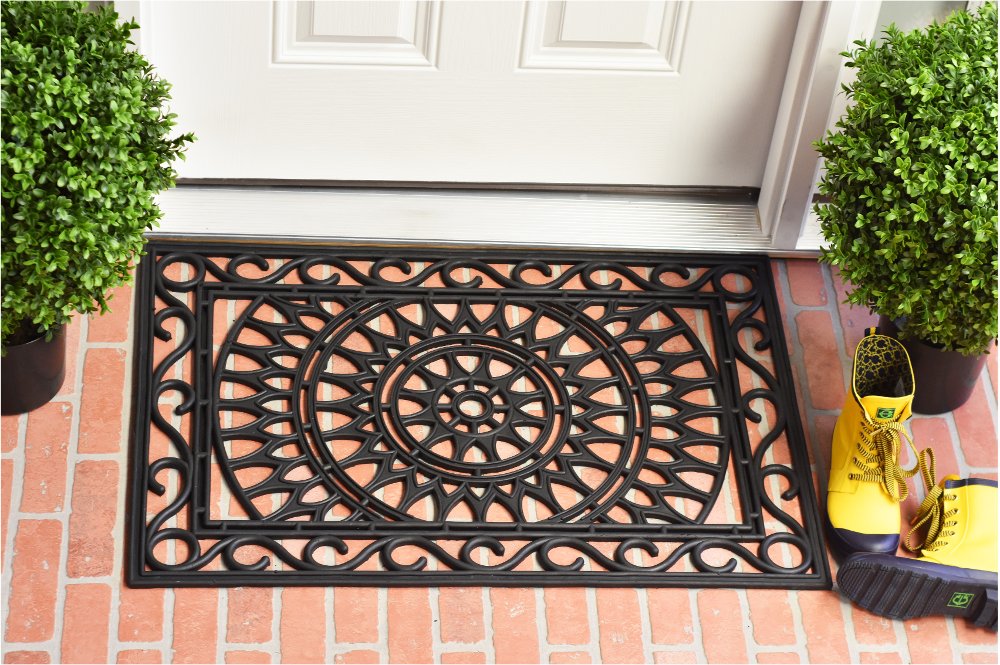
Easy-clean door mats help catch dirt, grit, and moisture at the entrance, with surfaces that are simple to shake out, vacuum, rinse, or wash according to their care instructions. They give muddy shoes and dusty paws a landing spot before that mess travels farther inside. The best material for your home depends on where the mat will sit and what comes through the door. Rubber door mats work well for scraping dirt from shoe soles, and many styles made for outdoor use can be rinsed with a garden hose. Raised patterns and open designs help loosen debris, though an open mat lets dirt and water pass through rather than holding them above the porch. Synthetic fibers such as polypropylene and polyester offer another practical option. Their textured surfaces collect loose soil, and some constructions also help manage moisture from damp shoes. A fiber mat with a rubber backing can combine a softer wiping surface with a base designed to resist shifting; the backing alone, however, doesn’t guarantee that a mat will stay in place on every floor. Machine-washable fabric mats suit households that prefer laundry-day cleanup, provided the full mat or removable cover is labeled for machine washing. Natural coir has a stiff, bristly texture that scrapes shoes effectively, but it generally needs a different care routine than washable fabric or hose-friendly rubber. It can shed fibers and is often better suited to a sheltered entrance than a spot that stays wet. For a busy household, those distinctions matter more than a general easy-care label. A mat beside the garage door may need to handle gritty work boots, while one inside an apartment might mostly collect sidewalk dust and a few drops from an umbrella. During the cooler months, an outdoor scraping mat paired with an indoor moisture-catching mat can help keep tracked-in debris contained without asking one surface to do every job.
A door mat should fit the way you move through your entrance, not just the empty space in front of the door. Width, depth, and thickness all affect how useful it feels day to day. A mat roughly as wide as the doorway gives people a more generous place to wipe their feet, while extra depth can catch a second step from someone carrying groceries or guiding a dog inside. Measure the available floor area and check the door’s swing before choosing a size. A thick pile or raised border can catch beneath a low door, causing the mat to bunch or keeping the door from opening smoothly. Low-profile door mats are often a better match for tight clearances, but the overall height, including the backing, still needs to fit. Flat edges and a stable base are especially important along a path used by a stroller, walker, or rolling bag. Slip-resistant backing can help, though it works best on a clean, dry, compatible surface and doesn’t replace checking for movement or curled corners. Floor compatibility deserves attention, too: some rubber or latex backings may discolor certain finishes, so the mat’s specifications and the flooring manufacturer’s recommendations should agree. Placement also shapes the look you choose. A covered porch offers more shelter than an exposed front step, and an indoor entryway calls for a mat intended for interior use. Within those practical limits, color and texture can make the entrance feel pulled together. Charcoal, brown, and mixed neutral patterns tend to make everyday grit less noticeable, while a defined border adds a finished edge against tile or wood. Simple geometric textures suit a clean-lined doorway, and woven-look surfaces bring warmth to a more relaxed entry. For a welcoming entrance with a clear place to pause and wipe your shoes, front door doormats bring that balance of useful coverage and everyday style.
Easy cleanup is most valuable when it fits a routine you can actually keep. For everyday dust and loose debris, many door mats need only a shake outdoors, a sweep, or a pass with a vacuum attachment approved for the surface. Mud needs a little more judgment: dry soil may brush away easily, while wet mud can become embedded if it’s rubbed into a fiber pile. Hose-rinsable mats offer a convenient option for heavier messes, especially near a garage or back patio, but not every mat tolerates soaking. When the care label permits it, mild soap, water, and a gentle brush can help lift stubborn dirt; thorough rinsing keeps soap residue from remaining on the surface. A machine-washable door mat has its own requirements, including cycle settings, water temperature, drying method, and washer capacity. A removable washable cover doesn’t mean its base belongs in the washer, and a mat that allows machine washing may still require air-drying rather than a heated dryer. Whatever the cleaning method, let the mat and the floor beneath it dry fully before putting it back in place. That small step helps avoid trapping moisture against the floor. Durability depends on construction and exposure as much as on the material name. Dense fibers, secure edges, and a backing that remains flexible can help a mat stand up to repeated foot traffic. For an uncovered entrance, look for stated outdoor suitability and relevant resistance to sunlight or cold rather than assuming every rubber or synthetic mat handles the same conditions. Deicing residue, persistent dampness, and direct sun can all add wear, so occasional checks for cracking, shedding, or lifted edges are worthwhile. These practical details make easy-clean mats useful for pet owners, families with children, gardeners, and anyone whose entrance sees frequent visitors. They can also make a thoughtful housewarming gift when you know the doorway’s size and whether the recipient needs indoor or outdoor coverage. A well-chosen mat earns its place quietly: boots get a good scrape, damp soles have somewhere to land, and the entry feels easier to care for through everyday comings and goings.
Read More