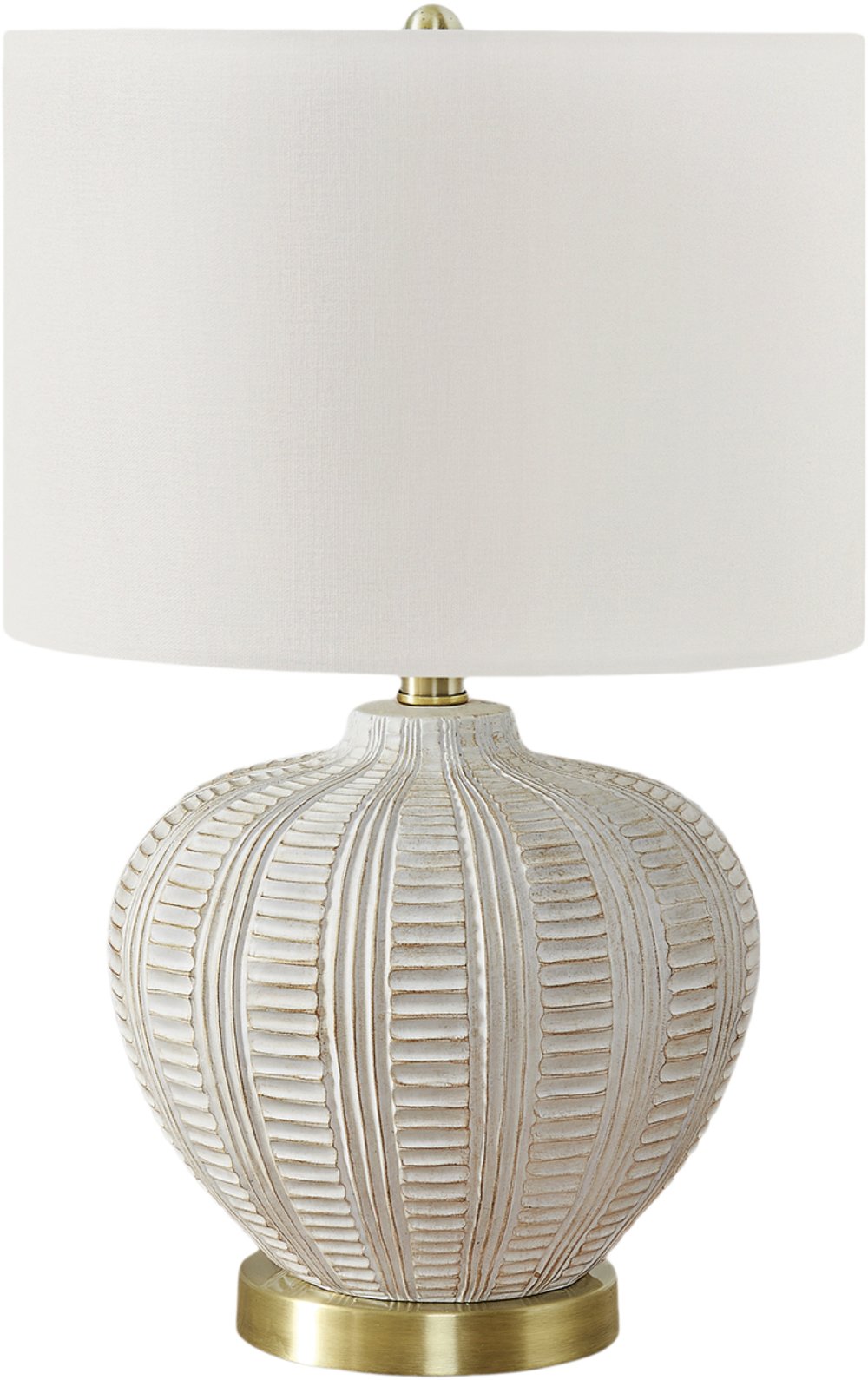
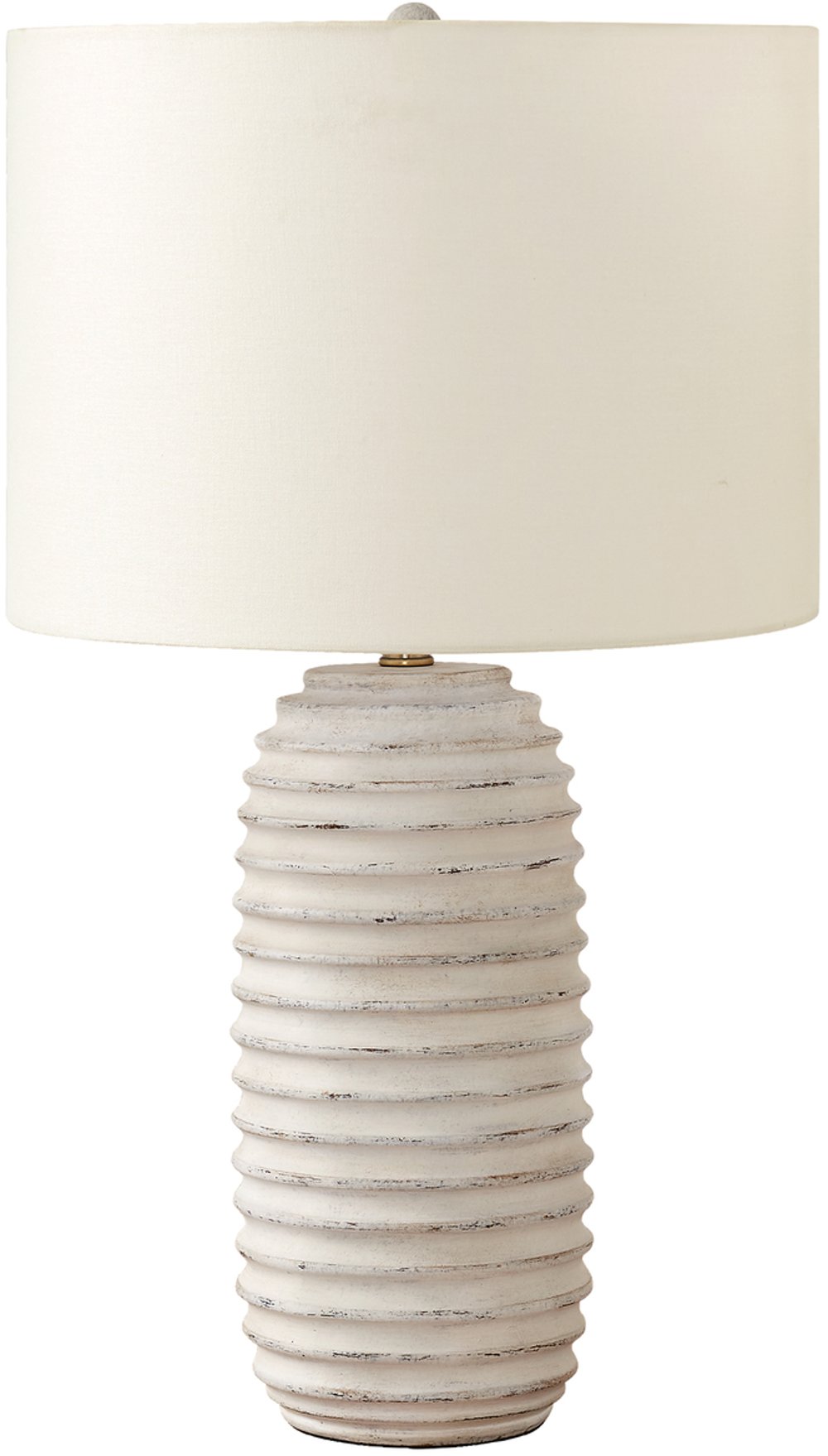
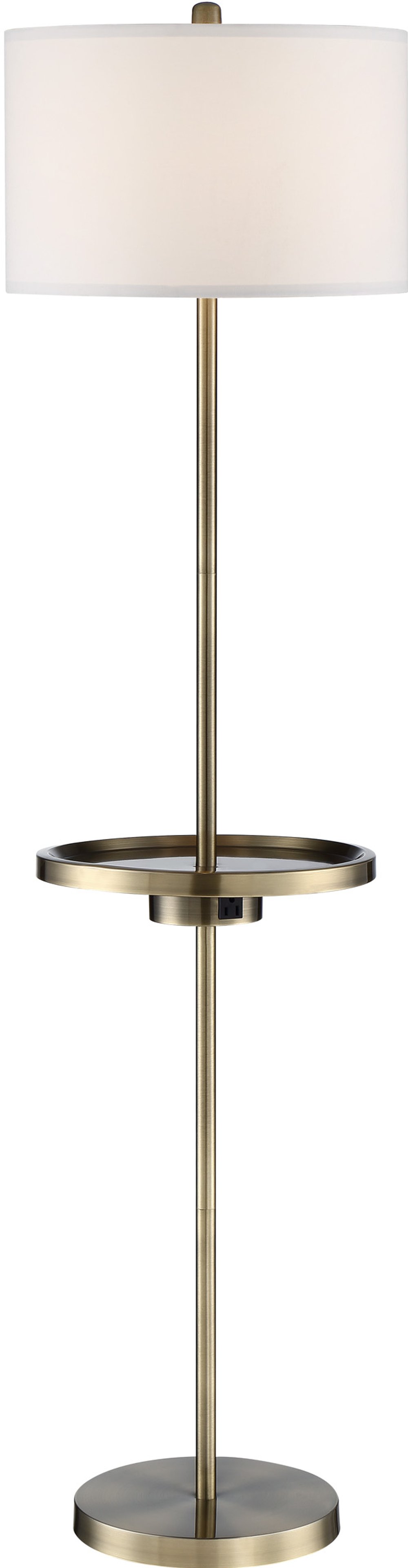
Fabric shade lamps soften light, reduce the glare of an exposed bulb, and bring a layer of texture to a room. Their shades filter light through woven fabric while allowing more direct illumination through the openings at the top and bottom. That combination makes them useful beside a sofa, on a nightstand, or near a favorite reading chair, where light should feel comfortable without leaving the surrounding space dim. The fabric makes a noticeable difference in both appearance and performance. Linen shades often have visible fibers and a slightly irregular weave that suits relaxed, natural interiors. Cotton can offer a smoother, more uniform surface, while silk brings a subtle sheen and a dressier finish. Burlap and other coarse weaves add pronounced texture, though their light output depends on the weave, backing, and color. Synthetic fabrics and blends can create similar looks, with care requirements that vary by construction. A white or ivory shade generally transmits more light than a dark shade made with comparable materials. Deeper colors tend to concentrate attention on the light escaping above and below, creating a more contained pool of illumination. A lining or opaque backing can change that effect, so shade color alone doesn’t tell the whole story. Shape matters, too. Drum shades have straight sides and a clean silhouette that works well with modern, transitional, and casual furniture. Empire shades taper from a narrower top to a wider bottom, leaving a broad lower opening for light to reach the surface beneath. Pleated shades introduce tailored folds, adding detail to a simple base or echoing the traditional lines of nearby furnishings. Rectangular and oval shades can be helpful where a round shade would extend too far into a walkway. Together, fabric, shape, and construction determine whether a lamp feels airy and understated, crisp and architectural, or richly textured.
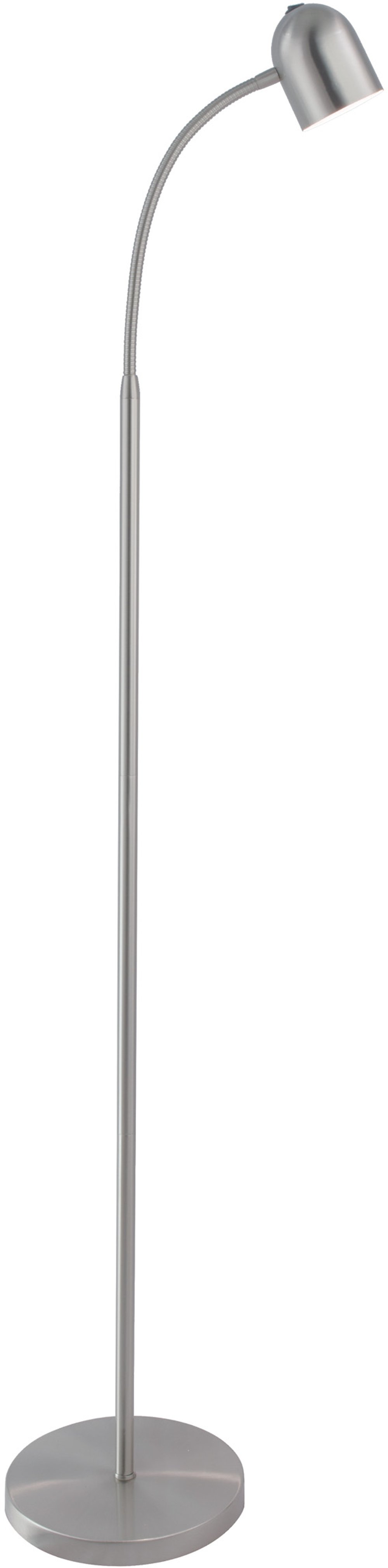
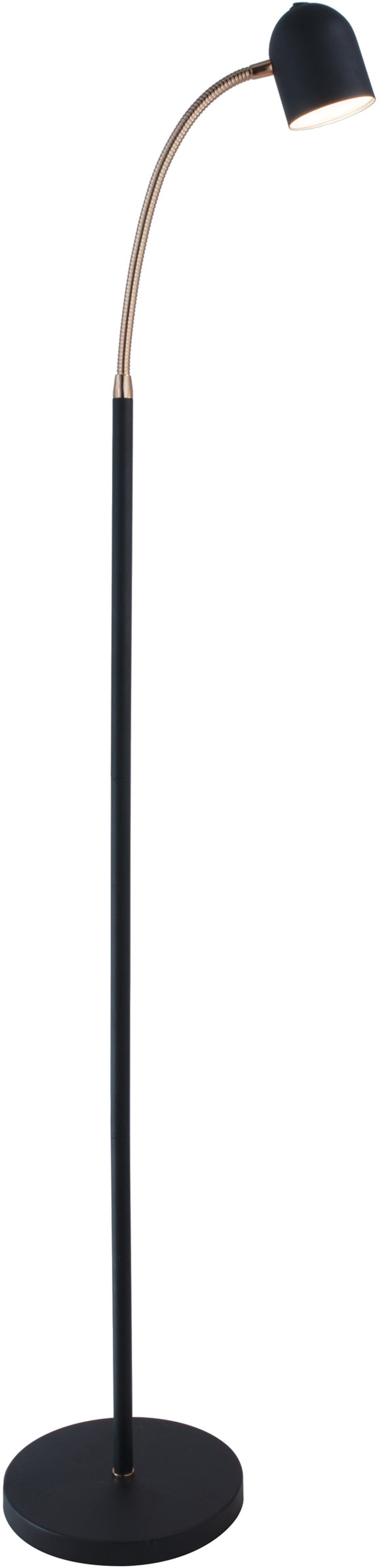
The best fit for a fabric shade lamp starts with the surface and the way you’ll use the light. On a narrow nightstand, leave room for a book, a water glass, and easy access to the switch rather than letting the shade dominate the entire tabletop. Beside a deep sofa, a taller table lamp may position the light more comfortably than a short accent lamp. A fabric shade floor lamp can serve a similar purpose when there’s no room for an end table, provided its base sits securely outside the main walking path. Measure the shade’s widest point, not just the base, when checking clearance beside a wall, headboard, or neighboring chair. For visual balance, a shade with a bottom width roughly twice the width of the lamp’s base is a common starting point, but slender stems, sculptural bases, and unusually shaped shades often call for different proportions. Practical comfort matters more than a rigid formula. From your usual seated position, the shade should help screen the bulb from direct view, and its lower edge should generally conceal the socket hardware. If you’re considering a replacement shade, check the fitter type and dimensions; spider, uno, and clip-on attachments aren’t interchangeable without the appropriate compatible hardware. Bulb selection also affects how useful the lamp feels. Lumens describe brightness, while watts describe energy use, so compare lumen ratings when choosing between compatible bulbs. A warm white bulb around 2700K typically creates a relaxed glow, while a light around 3000K can feel a little crisper. The fabric may subtly alter the perceived color of that light. For reading, choose enough brightness to illuminate the page comfortably and position the lamp near your shoulder rather than relying on a distant decorative glow. A dimmable lamp offers flexibility only when its bulb, socket, and dimming controls are compatible. Always follow the lamp’s maximum wattage rating and bulb specifications, and maintain the required clearance between the bulb and shade. LED bulbs still produce heat, even though they generally release less heat than incandescent bulbs.
Construction and everyday care help fabric shade lamps keep their shape and appearance. Hardback shades usually bond fabric to a firm backing for a defined outline, while softback shades stretch fabric over a frame, often with a separate lining. Neither construction is automatically better; the choice depends on the finish you prefer and the demands of the space. A well-supported frame, neatly finished seams, and secure trim are useful details to look for, especially on a lamp that gets moved for cleaning or rearranging. Base materials add another layer of character. Ceramic can introduce color or a glazed surface, wood brings visible grain, and metal offers finishes that can coordinate with nearby hardware without matching every detail. A stable base is especially important near children, pets, or busy seating areas, and cords should stay out of walkways. Fabric shades are generally best suited to dry indoor spaces, away from cooking grease, splashes, and persistent humidity unless the lamp is specifically rated for the setting. For routine care, switch the lamp off, unplug it, and let the bulb cool before gently removing dust with a soft brush or another method approved by the manufacturer. Support the shade as you clean, and handle it by its frame rather than squeezing the fabric. Avoid soaking a shade or applying household cleaners without checking its care instructions; moisture can stain fabric, weaken adhesive, or distort a lining. Direct sunlight can also fade some fabrics over time. In daily use, these lamps work especially well as companions to overhead lighting, adding comfortable illumination where people sit, read, or unwind. A pair can give a bedroom visual balance, while a single lamp can make a guest room or entry console feel more welcoming. They can also make thoughtful housewarming gifts when the recipient’s style and available space are familiar. For a different texture, Glass Shade Lamps offer an alternative whose light quality varies with clear, colored, or frosted glass. Fabric remains a natural choice when the goal is gentle diffusion, tactile detail, and lighting that feels at home alongside upholstered furniture.
Read More